


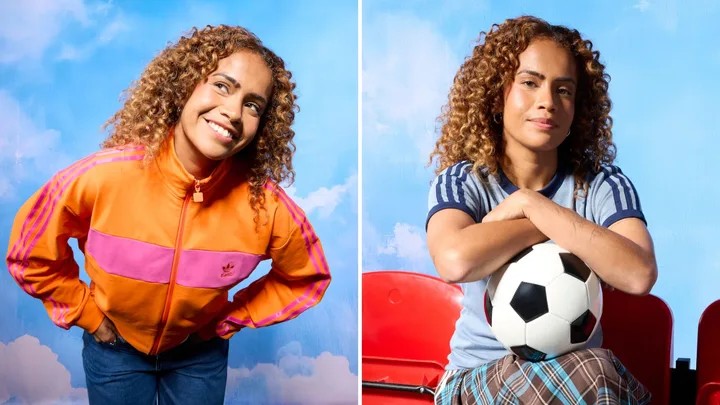
At a glance…
- Matilda’s star Mary Fowler speaks to The Australian Women’s Weekly about her life outside football and what she’s learnt about looking after herself.
- After nearly 10 months out with an ACL injury, Mary returned to football in February 2026.
- The 23-year-old opens up about finding balance, setting boundaries and why looking after her mental health matters.
Mary Fowler was in the form of her career at Manchester City when she tore her ACL in an FA Cup semi-final in April 2025. The Matildas forward didn’t play again for nearly 10 months.
“Being out injured wasn’t always easy, but I did get blessed in so many other ways,” she tells The Weekly. “The people I had around me made all the difference throughout my ACL rehab. I got to laugh heaps, have nutritious home-cooked meals made by my sister and my mum, and spend valuable time with loved ones that I wouldn’t have otherwise gotten.”
Football has always been a family affair. Mary grew up kicking a ball around on the beach in Cairns with her four siblings. Those months in rehab reminded her just how much that support meant.
“When you give your love out, it’ll find a way back to you when you need it most,” she reflects.
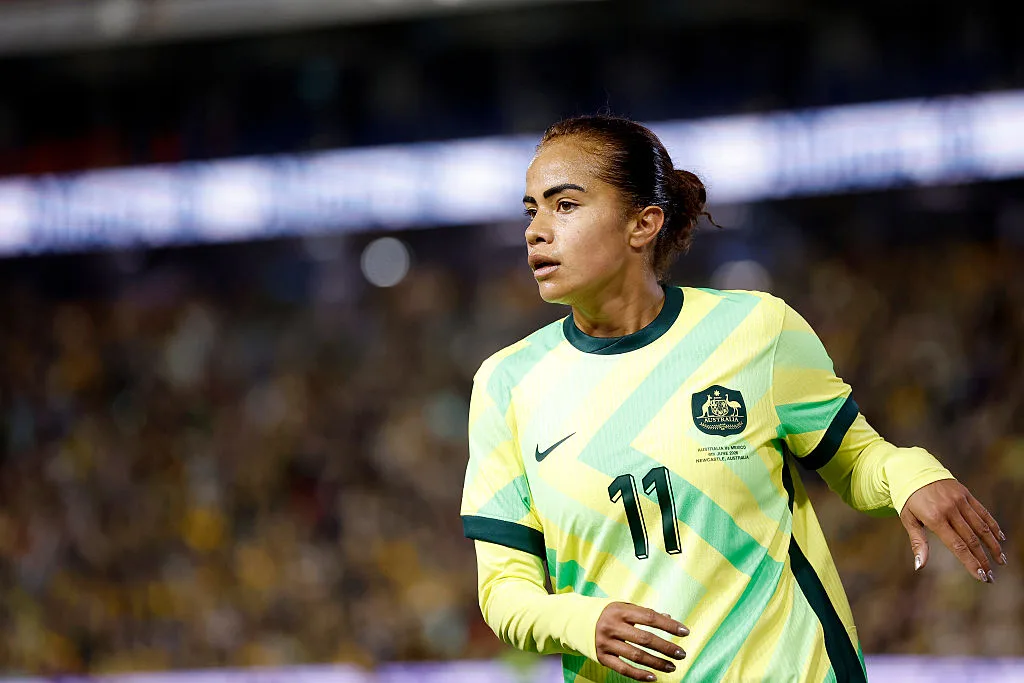
After months on the sidelines, Mary returned for Manchester City in February 2026 and was named in the Matildas squad for the Asian Cup on home soil.
Who is Mary Fowler outside of football?
Growing up, Mary played in boys’ teams because there weren’t enough girls to make up a team of their own. She went on to make her senior Matildas debut at 15, play club football in France and join Manchester City in 2022. But it was the 2023 Women’s World Cup that made her a household name. With millions watching around the country, Mary put away her penalty in that quarter-final shootout against France, helping the Matildas reach their first World Cup semi-final.

“Yes, I’m a professional footballer, but that’s my job title, not my life summary,” she says. “I want to make the most of my career but also my life, so to me that means squeezing in adventures alongside training sessions and matches because I’m only going to experience this journey once.”
Give her a few hours to herself and she’ll head out with her earphones in and her camera in hand. Or she’ll go digging through an op shop or an antique store, already imagining how she could upcycle whatever’s in her basket so she can, in her own words, “justify the purchase”.
Her ideal day off would start with coffee with her partner, Penrith Panthers player Nathan Cleary, and her dog. They’d go for a walk in the mountains, have sushi at their favourite restaurant and get the whole family together for dinner around the fire and plenty of board games.
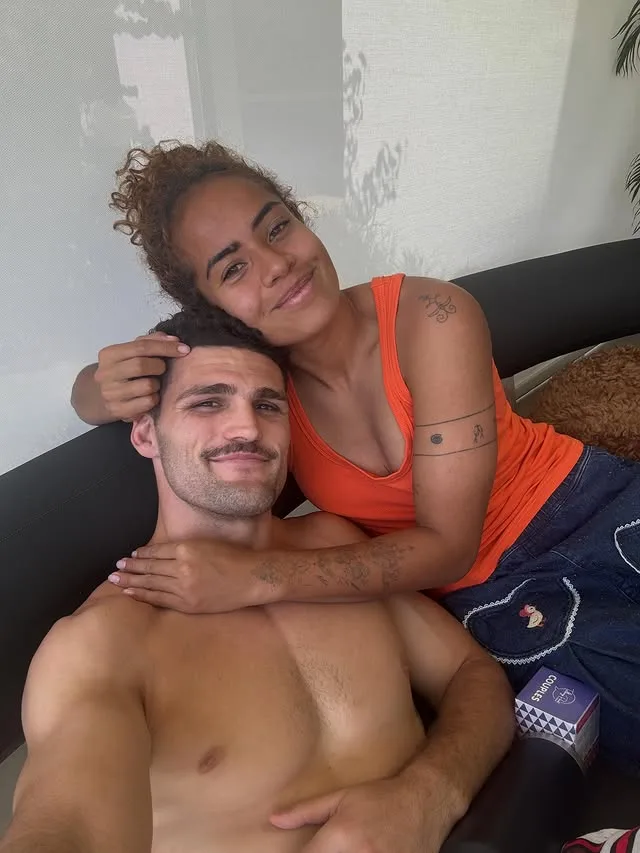


The reality is a little different. The 23-year-old spends most of the year in Manchester in the UK, where her days off usually involve sitting in a cafe and catching up with Nathan and her family over the phone.
“I know it’s not every athlete’s approach, but I personally feel more energised and ready to engage in my sport when I leave work at work,” she explains.
Looking back at the girl who first started playing football, Mary reckons she’d be in awe of where the sport has taken her.
“She’d love the friends I’ve made and she’d smile knowing I’ve found a kind partner. But most importantly I think she’d be comforted by the thought of me continuing to keep her childlike spirit alive,” she says.
What Mary’s learnt about looking after herself
As an elite athlete, looking after herself is part of the job, particularly when it comes to what she eats and recovery.
“Having a balanced diet is also important to me, having nutritious meals, but also not saying no to something I enjoy, is important,” Mary adds.
“Recovery is key for me especially when we’ve got a busy run of games,” says Mary, who’s an ambassador for Chobani’s High Protein drinks. She’s added them to her routine for “an easy boost of protein after training sessions”.
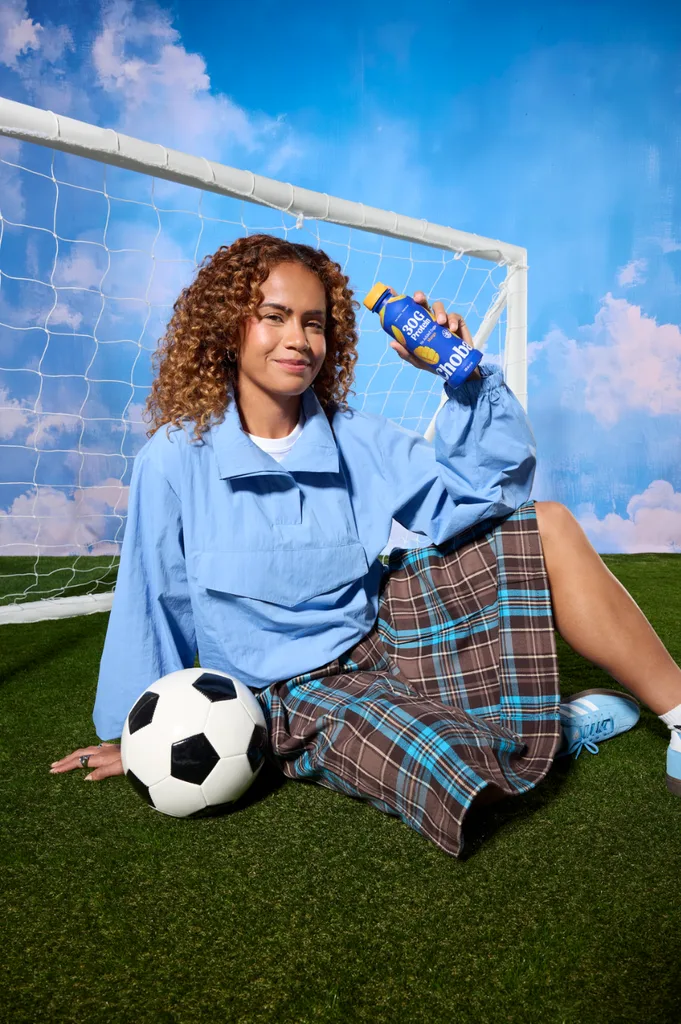
But looking after herself isn’t just about staying physically fit. She’s also got better at setting boundaries as she’s figured out what’s important to her. Kindness is one of those things, both in how she treats others and how she expects to be treated.
“Some people display great examples of kindness that offer me inspiration, while others have offered me the opportunity to speak up for myself and ask for better.”
While recovering from her ACL injury, Mary released Bloom: Creating a Life I Love in November 2025. In the book, she shares her own experience of depression and what she’s learnt about looking after her mental health.

“When the opportunity for Bloom came up I knew I wanted to be a voice that could’ve helped teenage Mary when she was struggling to find her way,” she recalls. “I never knew what depression was until after I’d hit some of my lowest moments and worked my way out of them.”
“Depression can be a very isolating experience which can make it feel difficult to reach out for help. In writing Bloom, I wanted to remind even just one person who needed to hear it that they weren’t alone in their struggle.”
Asked what she wishes she’d learnt earlier about looking after herself, Mary comes back to one habit.
“One of the most important things I’ve learnt is that self-talk matters. It might seem silly, but you really do internalise the things you say about yourself and your life. I’ve learnt to have a friendly mind keep me company, which is especially helpful when things haven’t gone my way.”

