




At a glance…
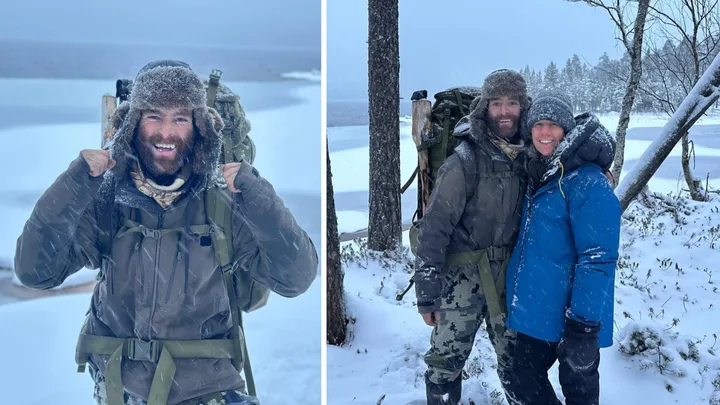
- Trent Fenton is officially the winner of Alone Australia season four, taking home the grand prize of $250,000.
- Trent lasted 52 days in the wilderness of Sápmi, Finland and was the most successful fisherman in Alone Australia history.
- However, Trent from Tassie didn’t come onto this show as a survivalist or with anything to prove except to show his children that if you work hard at a challenge, you just might achieve it.
When Trent Fenton left Tasmania for the Arctic Circle, he knew there would be plenty of things he would miss. His wife, Emma, their home, and the simple comforts of everyday life. But above all, he would miss his three children.
“That was the hardest thing for me,” he confesses about his time on Alone Australia. “I’ve been in the Navy before, and a lot of people do deployments, and a lot of people work away in the mines or whatever, but not being able to even pick up the phone or anything and ring your kids just to say, ‘How you going?’ was definitely the hardest bit.”
The father of three is used to being a hands-on dad. He loves being there for their sport, being involved in their lives, and simply being around them. So the prospect of spending endless days completely isolated in the wilderness of northern Finland, without so much as a phone call home, was always going to be one of the hardest parts of his Alone Australia experience. Yet his children were also the reason he was there.
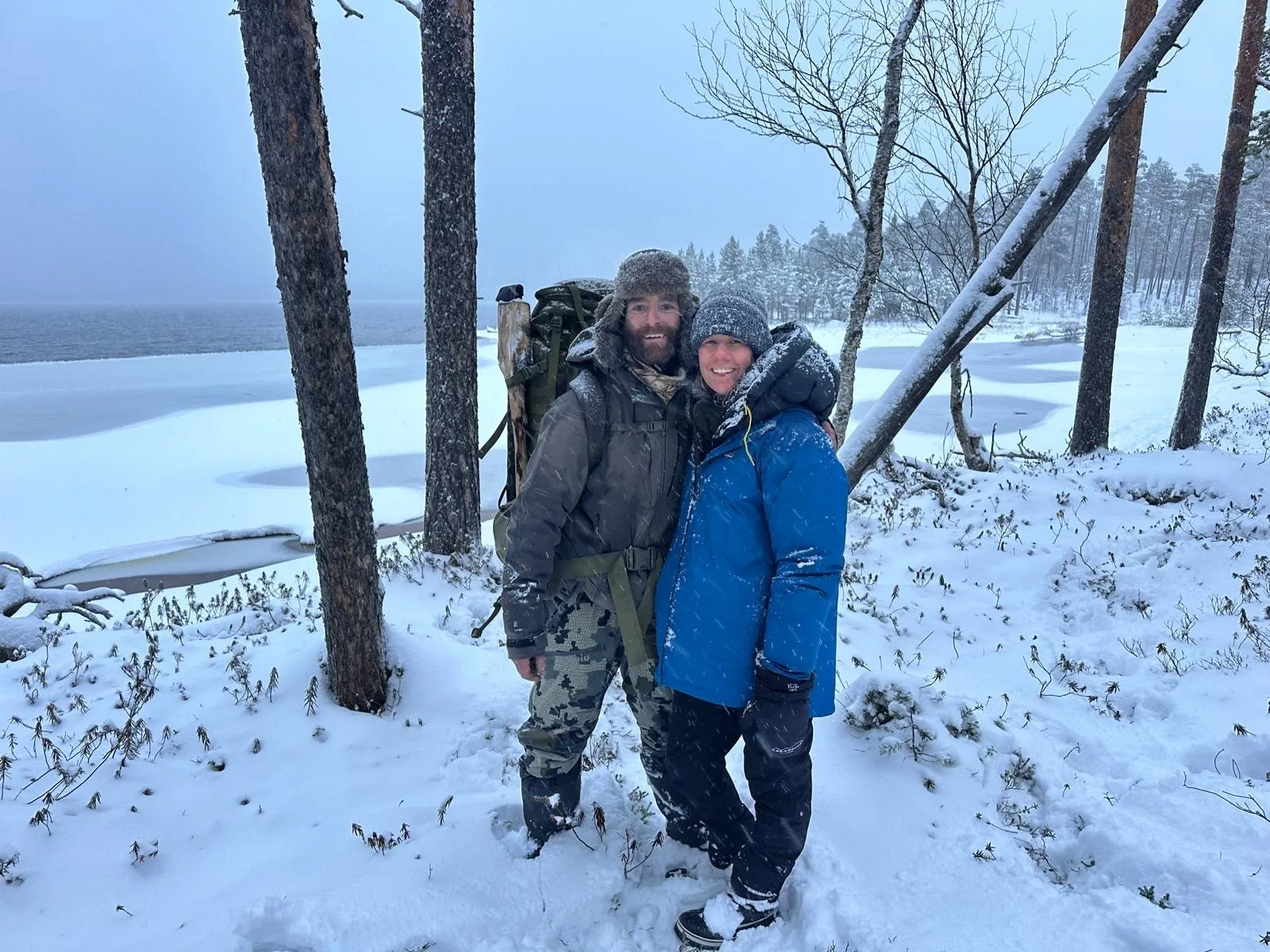
Trent, a former Navy chef and landscaper, had watched Alone Australia with his family for years. He knew the show intimately. He sat on his couch with his children to watch contestants struggle with hunger, isolation and the elements, and knew he couldn’t tap out without exhausting every option – as his daughter would be the one calling him out.
“I remember sitting on the couch with my daughter many times, watching Alone, and she’s like, ‘Why did that person tap out, Dad? They’ve still got stuff. What are they whining about?” he laughs as he recalls. “I just thought in my mind that I could never come home without fully committing to that experience, even if I had food left and looked them in the eyes and said that I’d quit.”
And before he even left, he made a bold promise to his children: “Dad will win.” It was perhaps an overly confident thing to tell three children aged 11, nine and six. But, as it turned out, Dad was right.
‘Quitting was never an option’
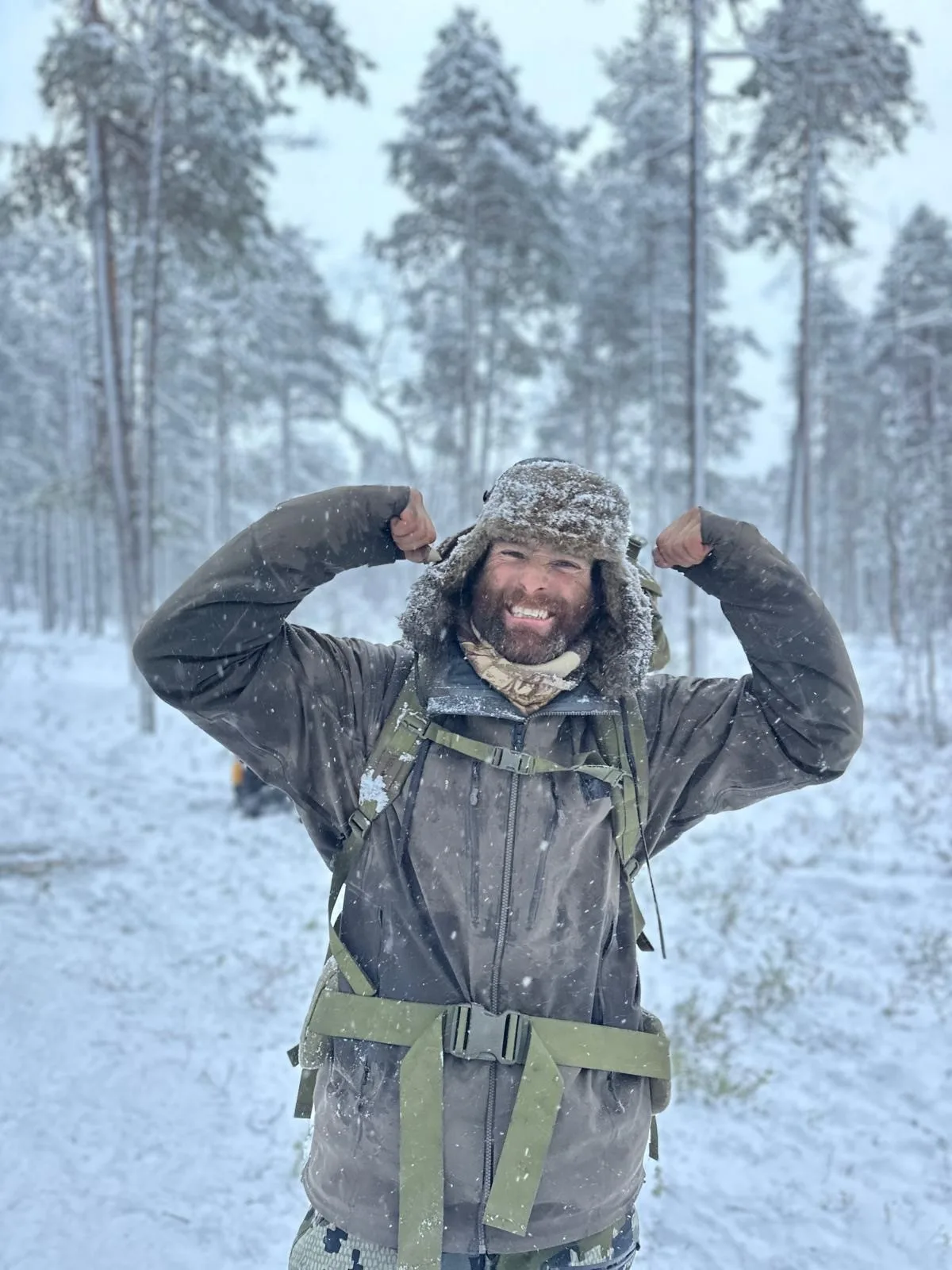
Trent has emerged as the winner of Alone Australia, conquering the extraordinary conditions of the Arctic Circle and walking away with the $250,000 prize. For Trent, however, the money was only part of what made the experience worthwhile.
“I’d gone over in my mind so many nights what it meant to me and what the money would do for the family,” he says. “I’m very proud of what Trent from Tassie achieved over there.”
His family had given him their “100 per cent backing”, and that meant he couldn’t imagine coming home before he had truly exhausted every option.
He had bad days. He had good days. There were setbacks, including slipping in his gumboots, having to rebuild part of his shelter and the heartbreaking moment he lost a lure he had painstakingly made himself.
In the end, he lasted 52 days. And throughout those 52 days, his family remained at the centre of his thoughts.
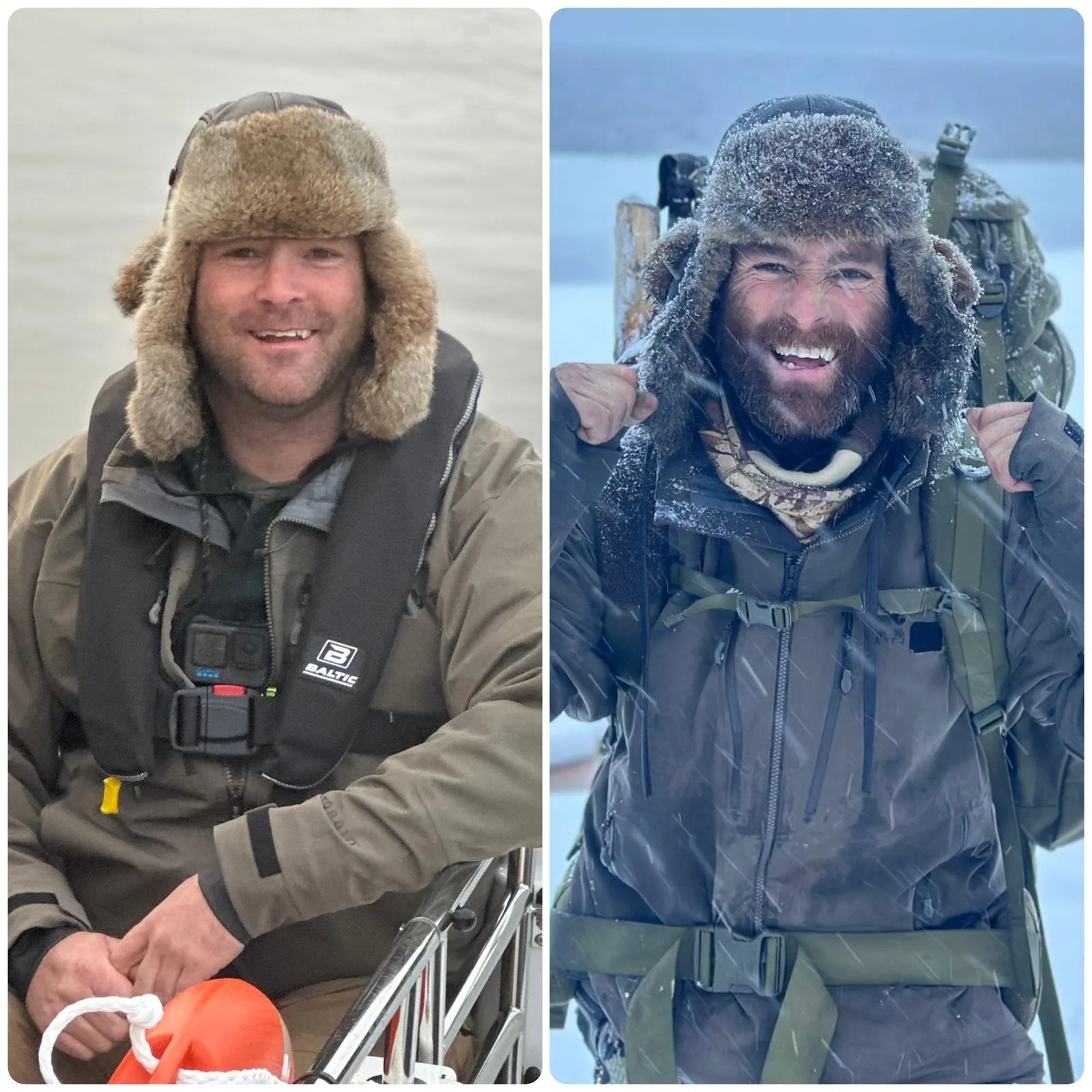
He had prepared for the separation before leaving Tasmania, knowing there would be moments when the distance would feel particularly difficult.
One of those moments was always going to be his daughter’s birthday, which fell on day 27 of his time in the wilderness. So he made sure he was still there for her, even from thousands of kilometres away.
“I left her a video with my wife and left her some stuff in the room that I hid,” he says. “Just little things so that when I was sitting out on the land, I knew that she got to see her dad that day and she got to see a video that I left for her.”
Those small acts helped him stay connected to the people who mattered most. And on the difficult days, he would remind himself why he was there.
“I’d just put it into perspective: hang on, I’m out here for them. They won’t be out here.”
Wanting to be a solid figure in his children’s lives
Trent’s determination to be there for his children is made all the more poignant by his own childhood. He shared on the show that his mother left when he was four years old. He admits that he didn’t think it affected him, as he had other maternal figures in his life — his stepmother, grandmother, older sister and aunt — but it clearly impacted his parenting style.
It wasn’t until he was alone in the wilderness that he began to think more deeply about what it meant to grow up without one of his parents.
“I don’t know how someone could give up on their children,” he says. “How could you have a child and not even care about how I’ve grown up or what their lives have kind of turned into?”
It wasn’t so much about dwelling on what had happened to him, Trent says, but about understanding what he could never do to his own children. His goal is simple. He wants his children to know that both their mum and dad have their backs.
“Just being that solid foundation where they know that mum’s got my back and dad’s definitely got my back,” he says.
“There probably was a period early in my life where I didn’t have that. I can’t remember if I thought about it at the time. I was only four years old. But I just don’t want my kids to ever think that we’re not there for them.”
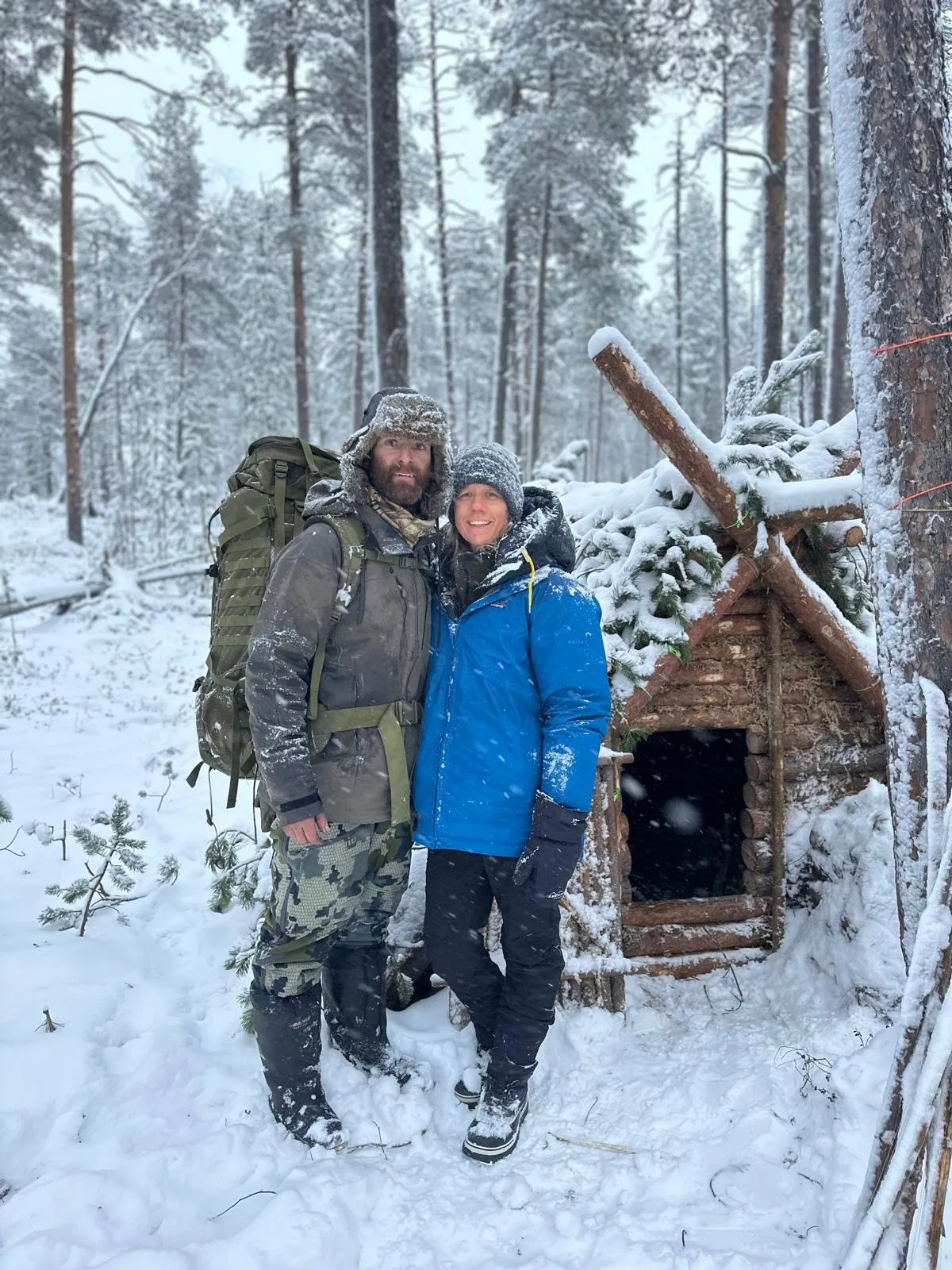
Promises made, promises kept
If Alone Australia was a test of physical endurance, it was also an opportunity for Trent to model something for his children: set yourself a goal, work hard and see what happens.
“I did tell them before I left, ‘Dad will win,’” he says. “And I kind of wish that I didn’t say that to them. Because they just expected me to win.”
There is something wonderfully Australian — and wonderfully familial — about what happened when Trent eventually told his children that he had won. There were no dramatic celebrations. They weren’t even particularly surprised.
“They didn’t really care because they expected me to win,” he laughs.
Instead, they were more concerned about something much more important: His beard.
“All they cared about was my beard, and they told me to shave it off before I got home.”
His youngest, meanwhile, has yet to fully appreciate the significance of his father’s victory. They may have actually forgotten.
The six-year-old fell asleep during the previous episode and watched it the following morning before school. After watching, he turned off the television and started crying, convinced his dad had tapped out.
“Because I was swearing,” Trent explains. In the penultimate episode, Trent had a rare angry episode when he lost his lure; the show didn’t reveal that the next night, it was caught on his net! “It will be interesting to see how he reacts tonight. We haven’t told him what happens.”
For all the teasing, the beard complaints and the understated response to his victory, Trent hopes his children will eventually understand what they witnessed.
“They’ll see, Dad just goes on a show like Alone and just wins,” he says. “Dad set a goal, worked hard towards it and then finally achieved it. Hopefully when they get older, they’ll see it’s not always easy, but it can work out.”
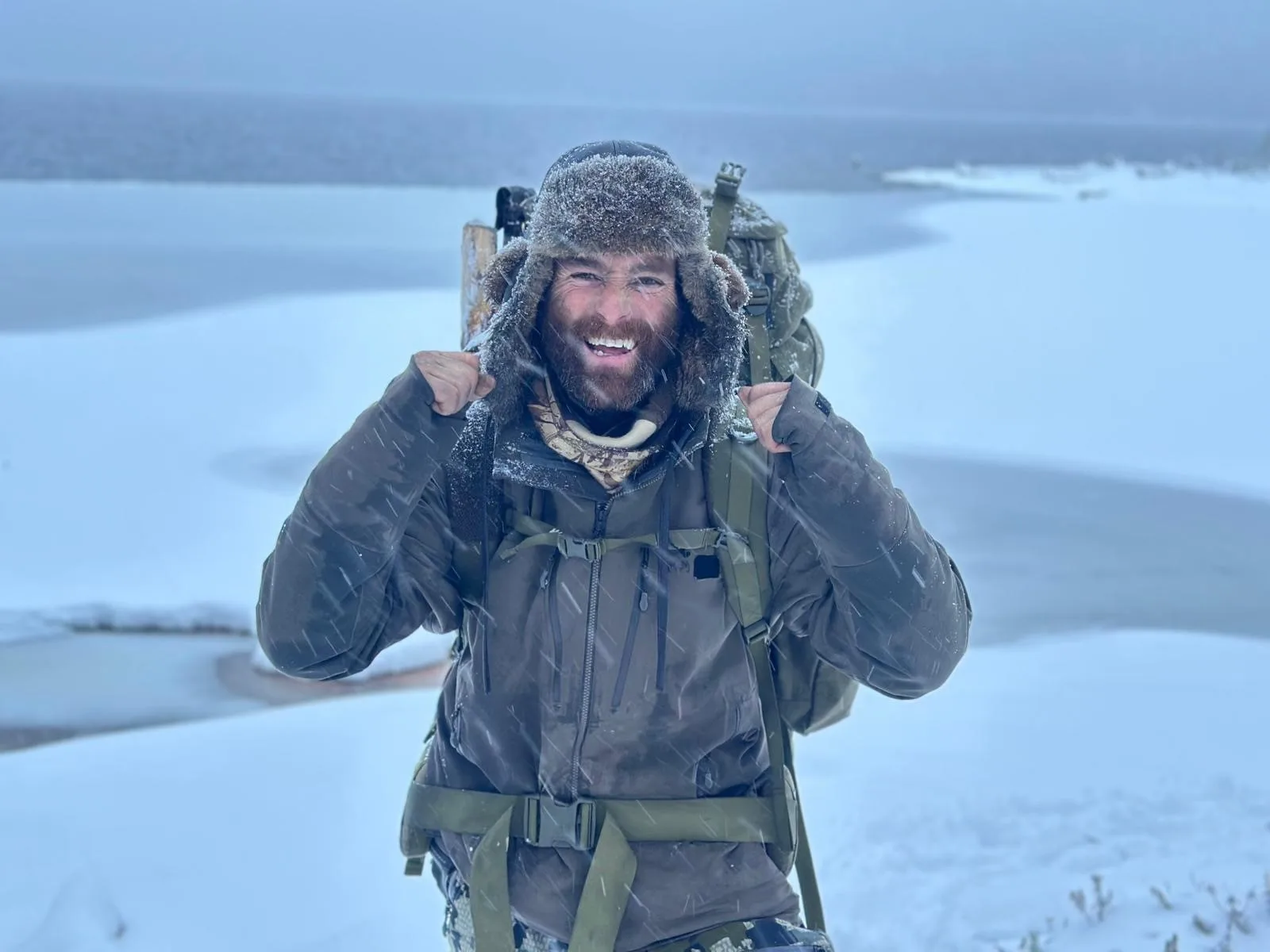
From survival to cooking again
Trent is officially the most successful fisherman in Alone Australia’s history. In his 52 days, he caught 44 fish, foraged plenty of berries and came up with unique ways of preserving his food – from a handmade smoker to preserving his berries in the lake.
Trent has been a chef for 22 years and served as a Navy chef, but the stripped-back conditions of the Arctic forced him to think about food in an entirely different way. There were no supermarket shelves to raid. No fridge or oven or a pantry filled with ingredients. Definitely no salt or pepper. And while viewers saw Trent successfully fishing and surviving on the land, much of his food experimentation happened away from the cameras.
“I had a lot of fails,” he admits. One of his biggest priorities was figuring out how to preserve the berries he was collecting. He tried making a fruit leather by heating rocks and placing the fruit on them to dry. Then he experimented with freezing the berries. He even constructed a makeshift esky using ice from the lake. Eventually, lying in his sleeping bag one night, he came up with another solution.
He made a makeshift bag from a waterproof cover, filled it with water and used the constant temperature to stop the berries from freezing overnight and spoiling as they thawed during the day. Then there was jam. By the time he left the wilderness, Trent still had around five kilograms of preserved food, plus fresh fish.
“Food definitely wasn’t a worry for me while I was out there,” he says. It was a remarkable position to be in on a show where hunger can be one of the biggest reasons contestants break. I say that it was almost like the universe was smiling on him. For Trent from Tassie, who is clearly the humble sort, he was simply taking every opportunity to make the best of things. It was simply a puzzle to solve.
“Food was my priority out there,” he says. “I want to hit the ground running, and I’m not going to take my time doing anything because I know that bad weather’s coming.”
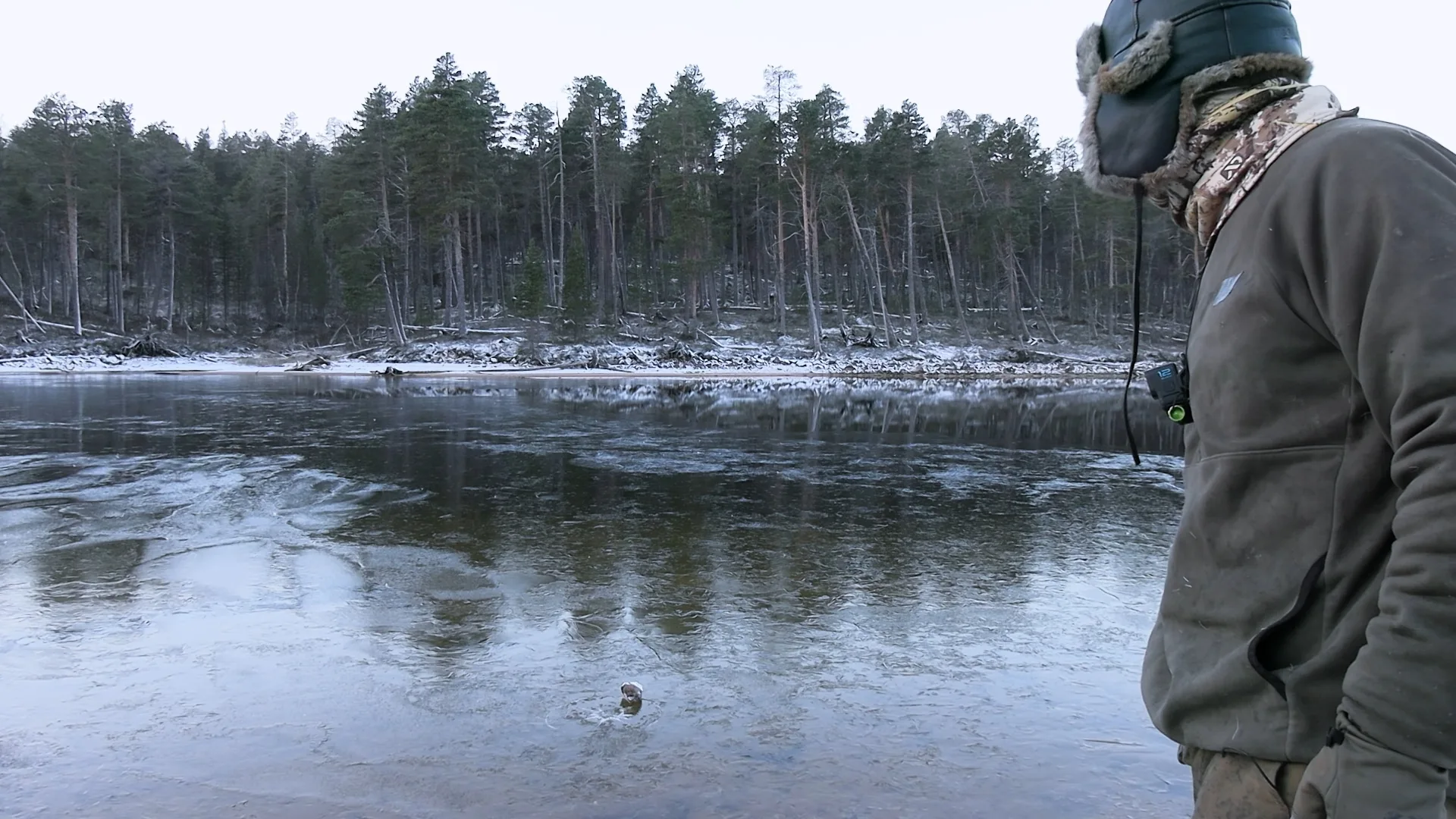
‘I just love food again’
Now, his experience has reignited a passion for cooking.
“I just love food again,” he says. For 22 years, his friends had asked for his recipes, and solving the problems in Finland with limited resources has led to his next big project: A cookbook.
“I thought, well, why not? I’m going to start a cookbook. And, here we are,” he adds.
And I asked, and no, he won’t be including recipes he developed in Sápmi.
“You probably wouldn’t want to eat them,” he laughs. “No salt, no flavour. I’ve still got some berry jam in the fridge, and I taste it every now and again, and it’s just…blah. But I’ve adapted back to sugar.”
The next chapter for “Trent from Tassie”.
The Alone experience allowed him to return to something elemental: gathering ingredients, figuring out how to preserve them and finding ways to make something nourishing from very little.
For a man who went into the wilderness hoping to prove something to his children, it seems fitting that he has returned with more than a trophy and a quarter of a million dollars. He has a story to tell, a new project to pursue and, perhaps most importantly, another example to set for his children.
Trent never set out to be the world’s greatest survivalist. He doesn’t pretend to be one now. Many of the things he built in Finland were improvised. He learned as he went. He made mistakes, changed tactics and figured things out along the way.
And that, he says, is part of the reason he would encourage other parents to apply. His advice is simple: “Just go for it.”
He calls Alone “a great parenting break” and says there are plenty of dads — and mums — out there who love fishing, hunting and being outdoors who could give it a shot.
“Don’t sit back thinking, should I, shouldn’t I?” he says. “You’re never going to regret it.”
His children watched their dad leave Tasmania and disappear into one of the harshest environments imaginable. They watched him struggle, adapt and persevere.
And now they get to watch him come home a winner.
Watch Alone Australia on SBS and SBS On Demand.


Share this post