




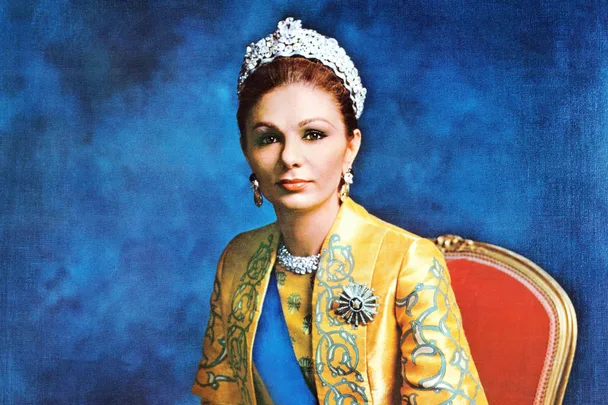
As exiled Crown Prince Reza Pahlavi puts forward a case to lead a transitional government in Iran we revisit an exclusive story with his mother, the former Empress of Iran, Farah Diba Pahlavi. In our September 2025 issue, 45 years after exile, she spoke to The Weekly from Paris about grief, regret and her hope for a new Iran. Read on…
Where is Farah Pahlavi now?
The Empress of Iran lives alone in the quiet splendour of a Paris apartment with a sweeping view across the River Seine and the great city landmarks beyond. It is not a sight anyone could easily tire of, but Farah Diba Pahlavi, now 86, says she would gladly swap it for one last glimpse of home.
“I miss so many things,” she tells The Weekly in a voice grown husky from a lifetime’s fondness for perfumed Persian cigarettes.
“I miss the warmth of the people, the smell of jasmine and seeing the snow on the mountains.”
Now in her 46th year of exile, the widow of Iran’s last Shah, Mohammed Reza Pahlavi, clings to the belief that her dream of a return will be realised.
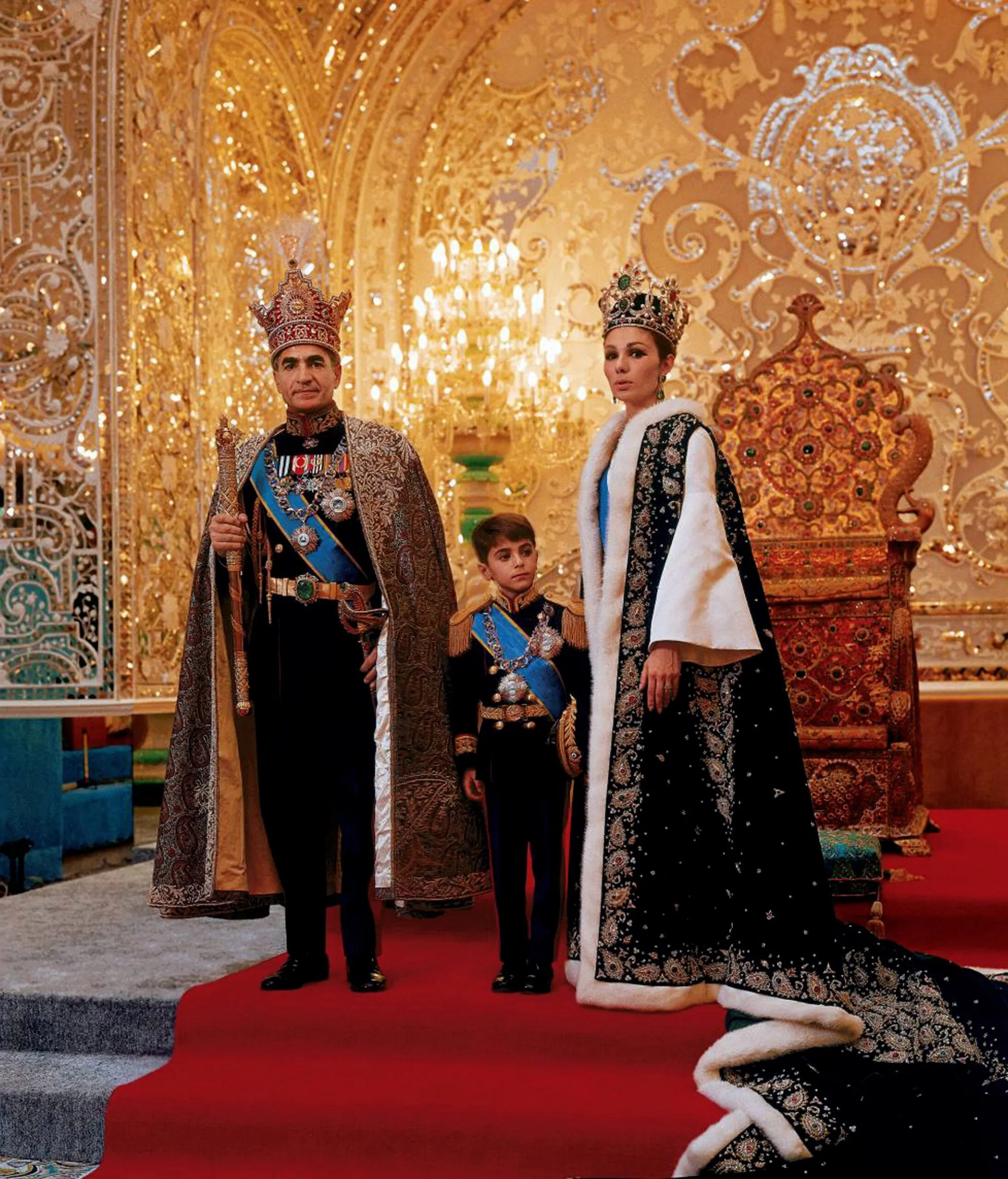
To millions of Iranians, including many who have only known the austere, theocratic rule of the mullahs, she remains the revered Shahbânu – the Queen Consort – a living reminder of a time when a fast-changing Iran was the darling of the Western world.
That brief interlude ended with a revolution that toppled the Shah and brought to power a clique of radical Islamic clerics who have never since relinquished it. Today, Iran is again in turmoil following a 12-day war with Israel that saw the country’s defence infrastructure shredded, and dozens of the regime’s key figures killed.
Tragedy and opportunity
Among those like Farah who yearn for an end to the mullahs’ rule, the war was seen as both a tragedy and an opportunity.
In a statement issued to her followers at the height of the fighting, the empress declared:
“In these dark and uncertain days, my heart aches with yours. I feel your pain, and I salute your bravery, and your unwavering spirit. As war casts its shadow across our land, I want you to know that you are not alone — our strength lies in our unity, our history, and our unbreakable will to endure.
“Iran has weathered storms before, and each time, we have risen with greater courage and grace. Let us hold fast to our love for one another, protect the innocent, and keep the flame of hope alive in every home. May peace return swiftly, and may our future shine brighter than our past.”
Why did Farah Pahlavi leave Iran?
For much of the 1960s and ’70s, Farah, the daughter of a distinguished army officer, stood as the glamorous embodiment of her country’s leap from an ancient past into the embrace of the modern world.
The Pahlavis were a superstar couple – the hosts of grand banquets, lavish sponsors of the arts, feted guests at the White House and Buckingham Palace. Dressed by Dior and Yves Saint Laurent, Farah was known as the “Jacqueline Kennedy of the East”, and while there were rumours of a disturbing ruthlessness underpinning the Shah’s regime, most Western countries were pleased to have him as an ally.
In early 1979, after a wave of riots and strikes stoked by radical Islamic clerics opposed to such measures as the granting of votes to women, the 60-year-old Shah was overthrown and the royal family driven into exile.
As Iran’s tentative experiment with liberalism went up in flames, once steadfast friends in the US and Europe turned their backs, and the Pahlavis became global pariahs.
No one wanted them. After short, fraught stays in the Bahamas, Mexico and on an island off Panama, they were finally allowed to settle in Cairo, where the ailing Shah died of leukaemia a few months later. At 41, with four young children, and a death sentence from the new Revolutionary Islamic Government hanging over her, Farah’s days in the sun were over.
She lived out of sight, mocked and denigrated back home as a modern Marie Antoinette who had undeservedly dodged the guillotine.
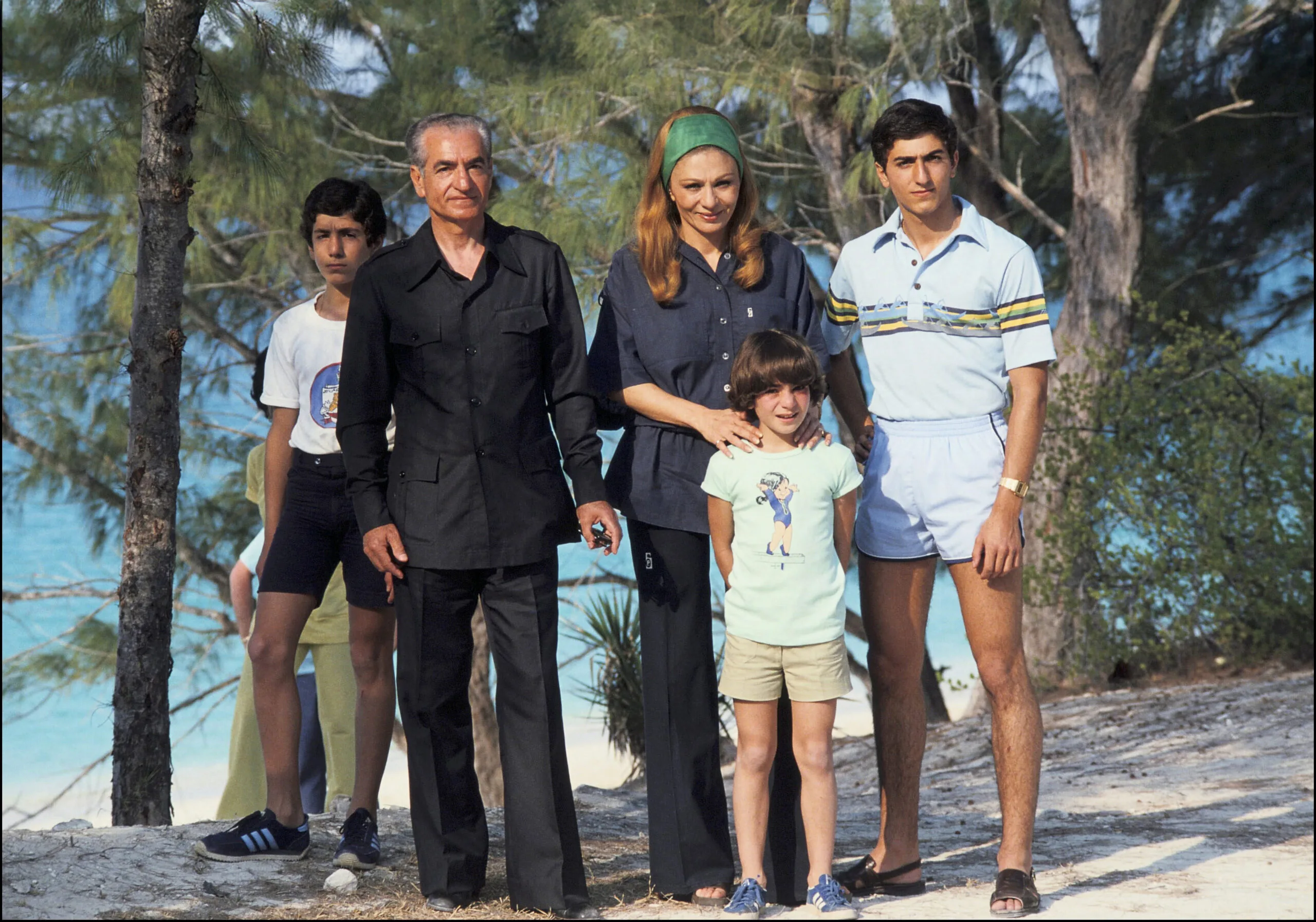
Is there a film about Farah Pahlavi’s life?
In 1981, President Ronald Reagan allowed her to settle in the US, and today she splits her time between a house near Washington DC and the Paris apartment.
Work is currently underway on a feature film about the Empress’ life. Hollywood producer Rosanna Grace, head of the group backing the project, says it grew out of the global revulsion at the 2022 death of Mahsa Amini, a 22-year-old medical student arrested and fatally beaten by Iran’s “morality police” for not wearing a hijab.
“We’re very honoured to be making this movie,” she says. “We believe it’s an ideal time to tell the story of Farah Diba, not just as a queen, but as a woman and a mother and a historic figure.”
Although few details – including who will play the empress – have been disclosed, Farah has given her blessing to the project and allowed the filmmakers access to previously private family records.
She, too, thinks it is an ideal time, because Iran is once again a boiling cauldron of dissent and resistance. Only this time the ayatollahs and their own apparatus of repression are the targets of public fury. The country, says Farah, is in desperate trouble.
A country in trouble
Even basic goods are in short supply, living standards are collapsing, infrastructure is falling apart, youth unemployment is estimated to be above 60 per cent, and the country’s brightest minds are fleeing abroad.
Despite brutal retribution for any kind of resistance, tens of thousands of Iranians regularly join demonstrations and marches against the regime. In May, a nationwide strike by truck drivers – called as a protest against a government-enforced wage cut – paralysed much of the country.
In the western cities of Shushtar and Ahvaz, thousands of elderly residents protesting against severe reductions in their pensions stood in freezing weather chanting: “We will not live under tyranny.”
And on the streets of Tehran another, more audacious, refrain is increasingly heard: “Crown Prince, where are you?”
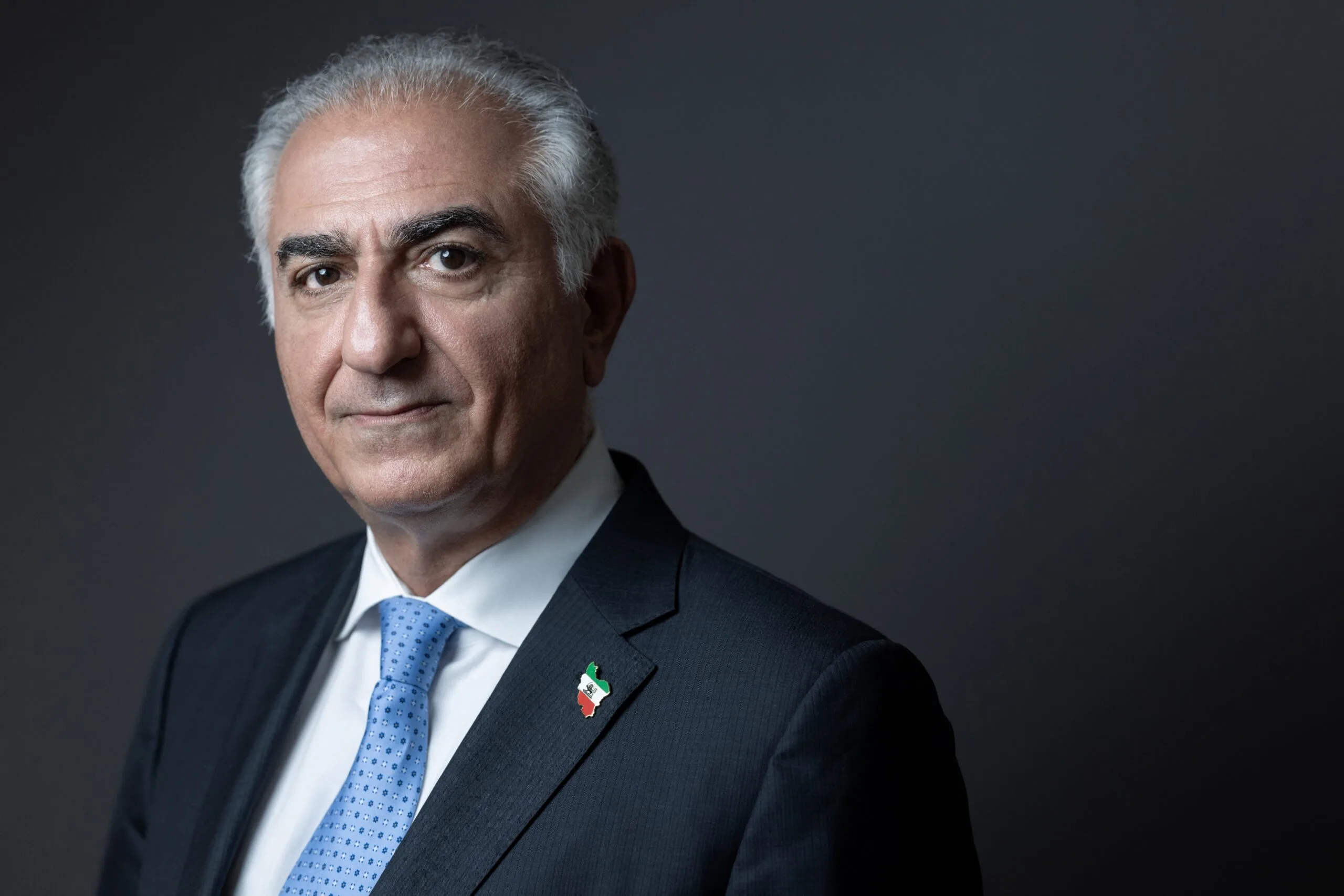
Who is Crown Prince Reza Pahlavi?
Farah’s eldest son, Crown Prince Reza Pahlavi, now 64, was a bewildered teenager aboard a chartered jet when he last saw his homeland. Now he is regarded by many as the country’s potential saviour.
Based in the US, where he heads an exiled opposition group, the National Council of Iran, Reza has been cautious about any future role he might play, but Farah senses his time is coming.
“The regime is growing weaker by the day,” she told me in an earlier interview. “It has no legitimacy. Every day I am at my desk. I am in touch with everything that is happening. People send me emails and letters. Most of them are from younger people. Many, many are from young women. They are desperate for change.”
Not everyone who wants an end to the mullahs’ dictatorship believes that the royal family has a useful role to play in Iran’s future.
Reza, particularly, is seen by many fellow exiles as being weak and out of touch.
“He’s completely detached from the facts on the ground,” says Sanam Vakil, an Iran analyst at London’s Chatham House international think tank. “I don’t think he has the capabilities to bring people together.”
Life after Iran
Despite being out of Iran for longer than she lived in it, Farah says she finds exile hard.
“I do not wish it on anyone. Sometimes you may be away from your home but at least be able to see that your country is well and the people are being looked after. To be away and see your country suffering is very hard.
“What helps me is the affection I receive even from those who were not born at the time of the revolution. Sometimes they ask to have their photographs taken with me, perhaps to kiss my hand. I say, ‘Aren’t you afraid to be seen with me?’ and they say, ‘No, we can’t afford to be afraid’.”
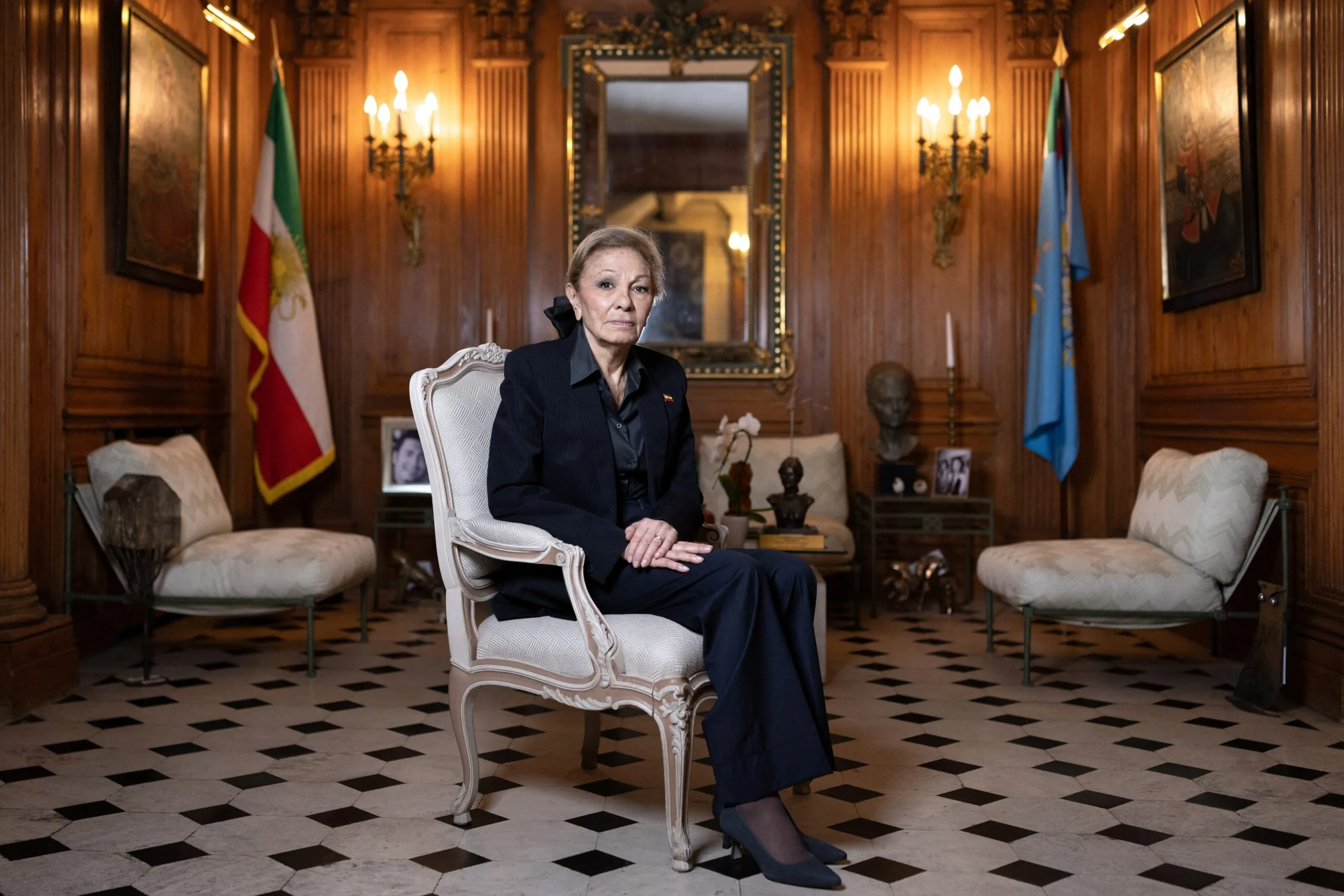
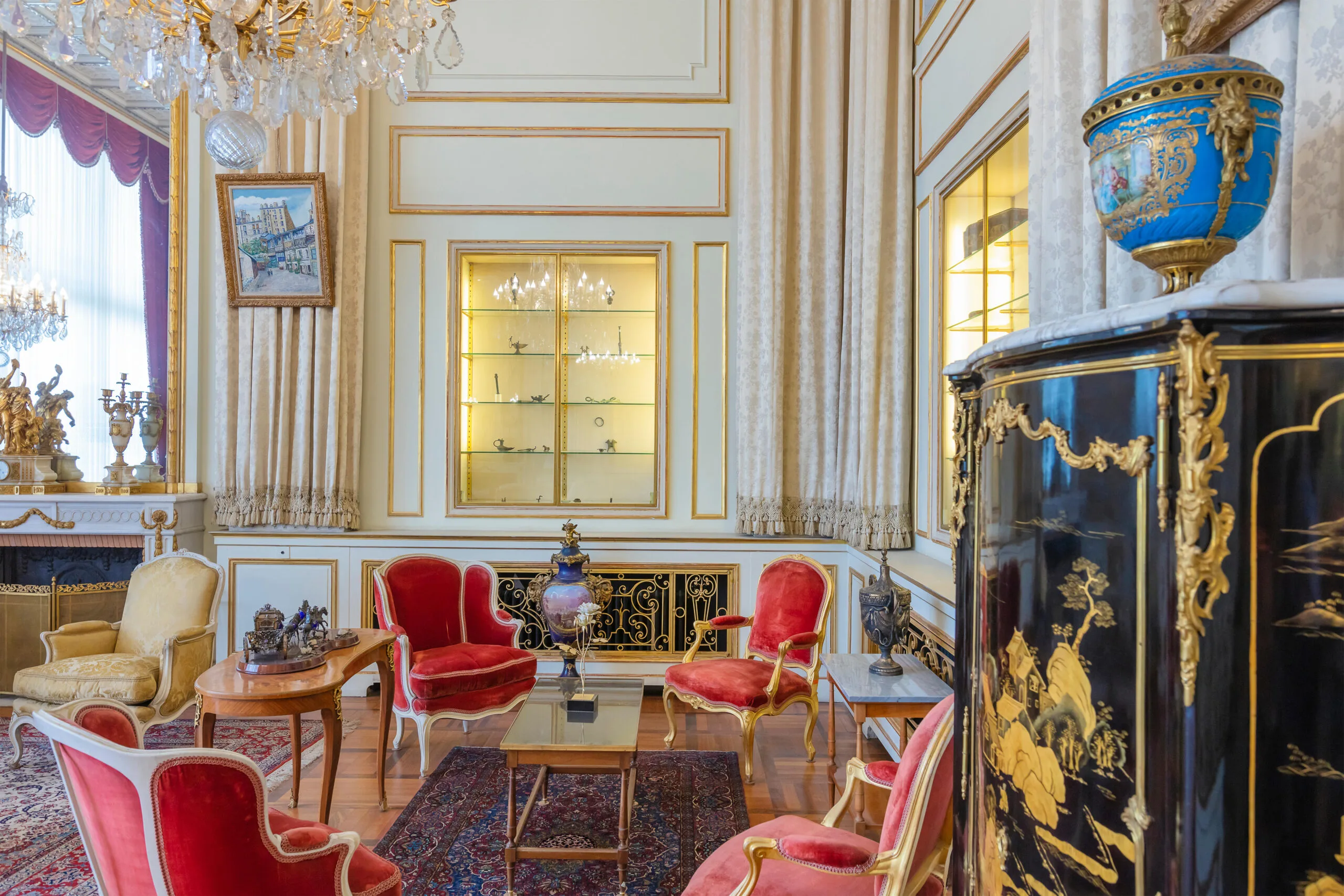
Not that her life in Paris is without its comforts. The grand apartment above the Seine, a showcase of refined taste, is scattered with silk rugs and fine Persian antiquities, and a silent maid dressed in a starched pinafore proffers handmade bonbons.
The Shah took an estimated US$100 million out of Iran before his flight, and although a sizeable part of it was reported to have been lost in a financial scandal involving the family’s investment advisors, it is clear Farah still has the means to live well.
A family in turmoil
Much of the regret she feels stems from the effects of the long exile on her family.
Two of her four children have died by suicide. Her daughter, Leila, in a London hotel room in 2001, and her younger son, Ali Reza, while studying at Harvard University in 2011. She believes the family’s traumatic history played a part in both deaths.
She has never remarried, and sounds faintly affronted by the suggestion.
“The memory of my husband is still too much alive in me,” she says. “Also, I feel that I am now married to my purpose in life, which is to see my country free.”
When did Farah marry Shah?
Farah was born into a well-to-do Tehran family. Tall, bright and sporty, she was sent – like many children of the Iranian elite – to a French-speaking school, and later moved to Paris to study architecture.
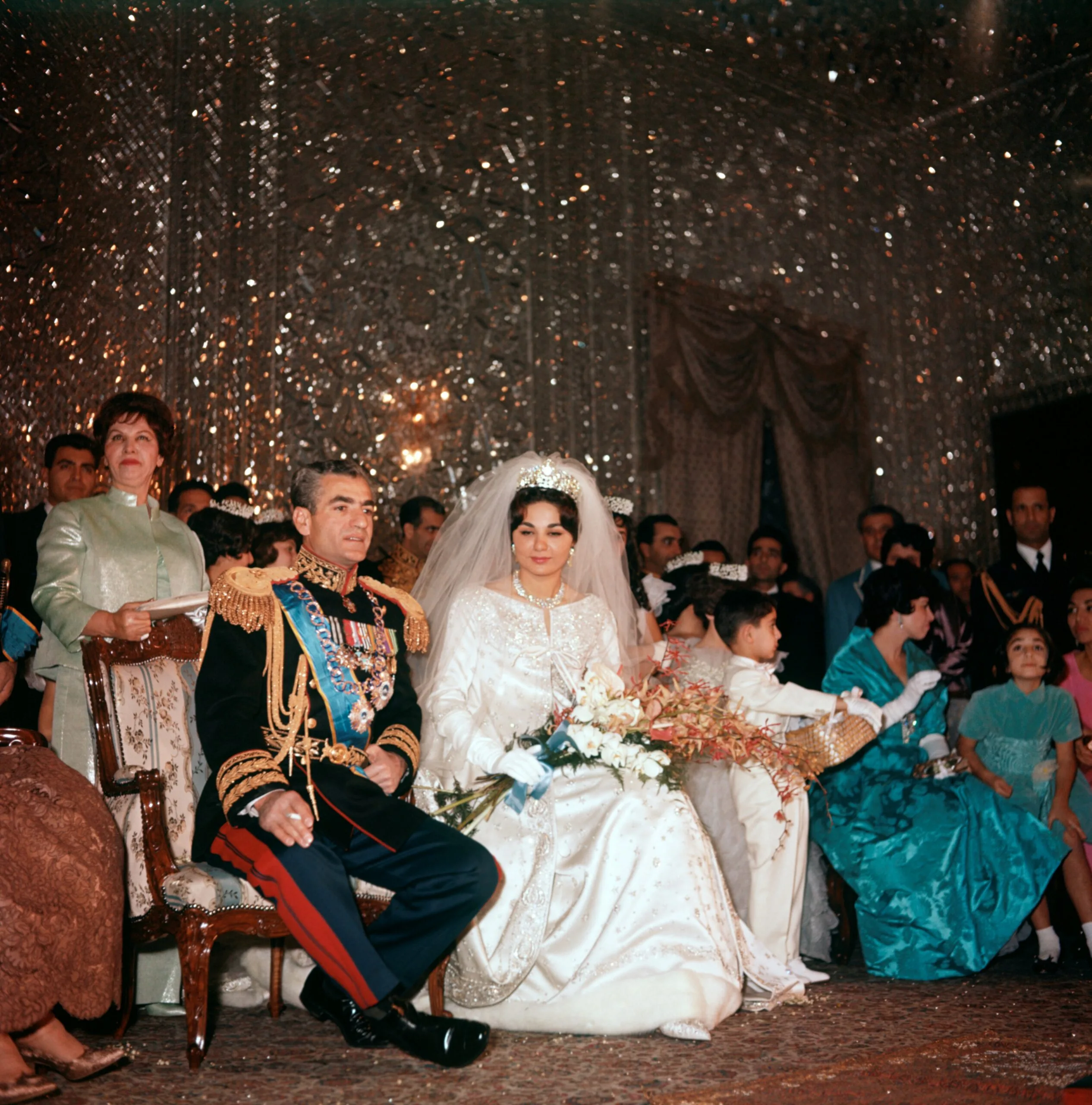
Aged 21, she caught the eye of the 40-year-old, recently divorced Shah at an Iranian Embassy reception, and they were married within a year. Farah wore a Saint Laurent wedding gown and a diamond tiara weighing two kilos, made by the New York jeweller Harry Winston.
The young bride enthusiastically joined what the Shah called his “White Revolution” – a drive to bring a largely feudal country, heavy with religious and cultural tradition, into the modern era.
She was particularly active in promoting women’s interests in education, health and political participation.
Amid all the resulting applause from Western capitals it was easy to overlook the fact that the Shah was no one’s idea of a benign monarch.
Opposition to his reforms was crushed, and political enemies routinely eliminated or driven into exile by his feared SAVAK secret police force. His land reforms and attempts at social restructuring managed to alienate both the secular elite and the religious establishment.
A later CIA report described the Shah’s court as: “A centre of licentiousness and depravity, of corruption, influence peddling and intimidation.”
It stopped short of mentioning the Shah’s industrial-scale womanising and free spending of his nation’s money.
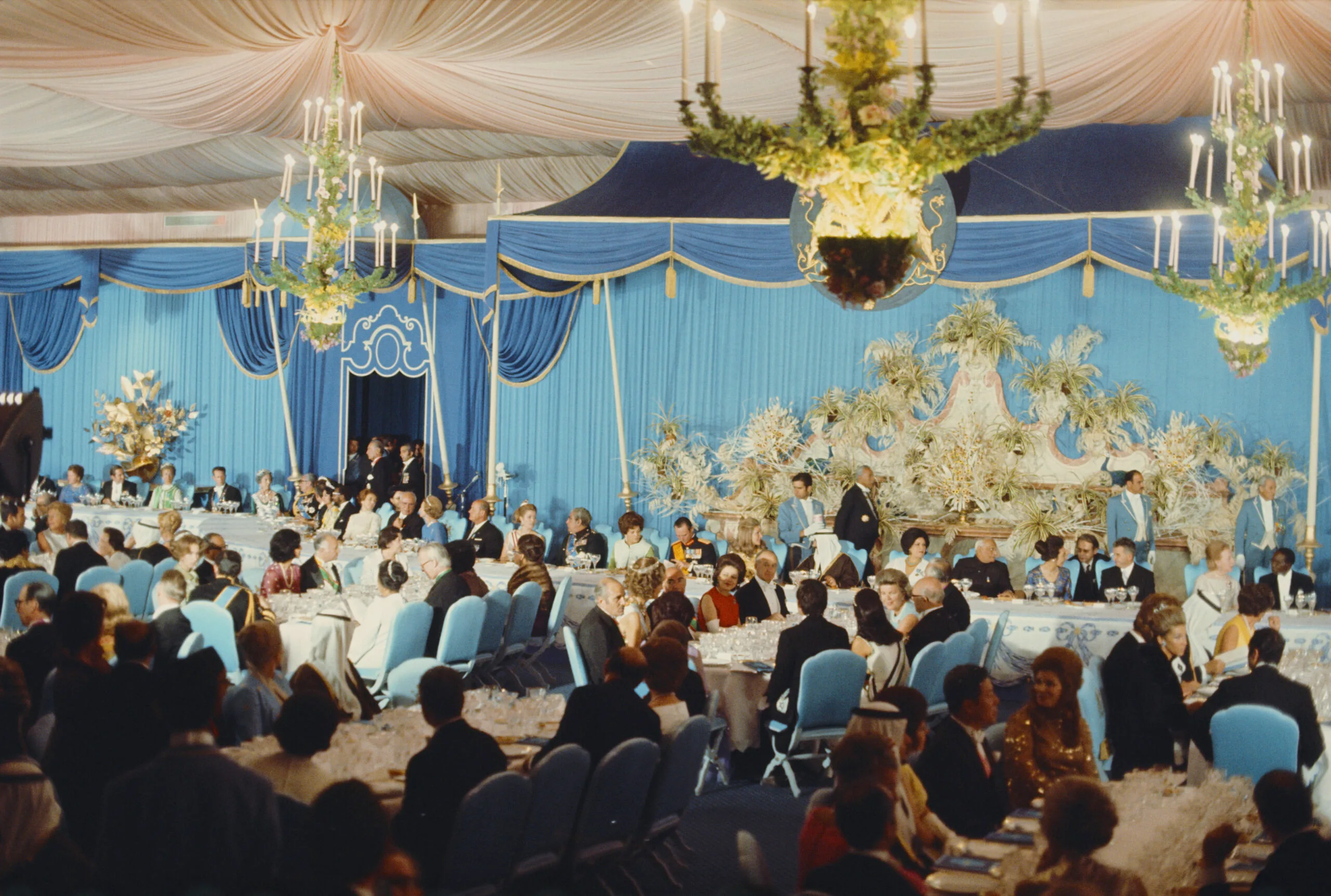
The glory days reached a fateful climax in 1971, when the Shah threw what was called the biggest party in history to celebrate the 2500th anniversary of the founding of the Persian Empire by Cyrus the Great.
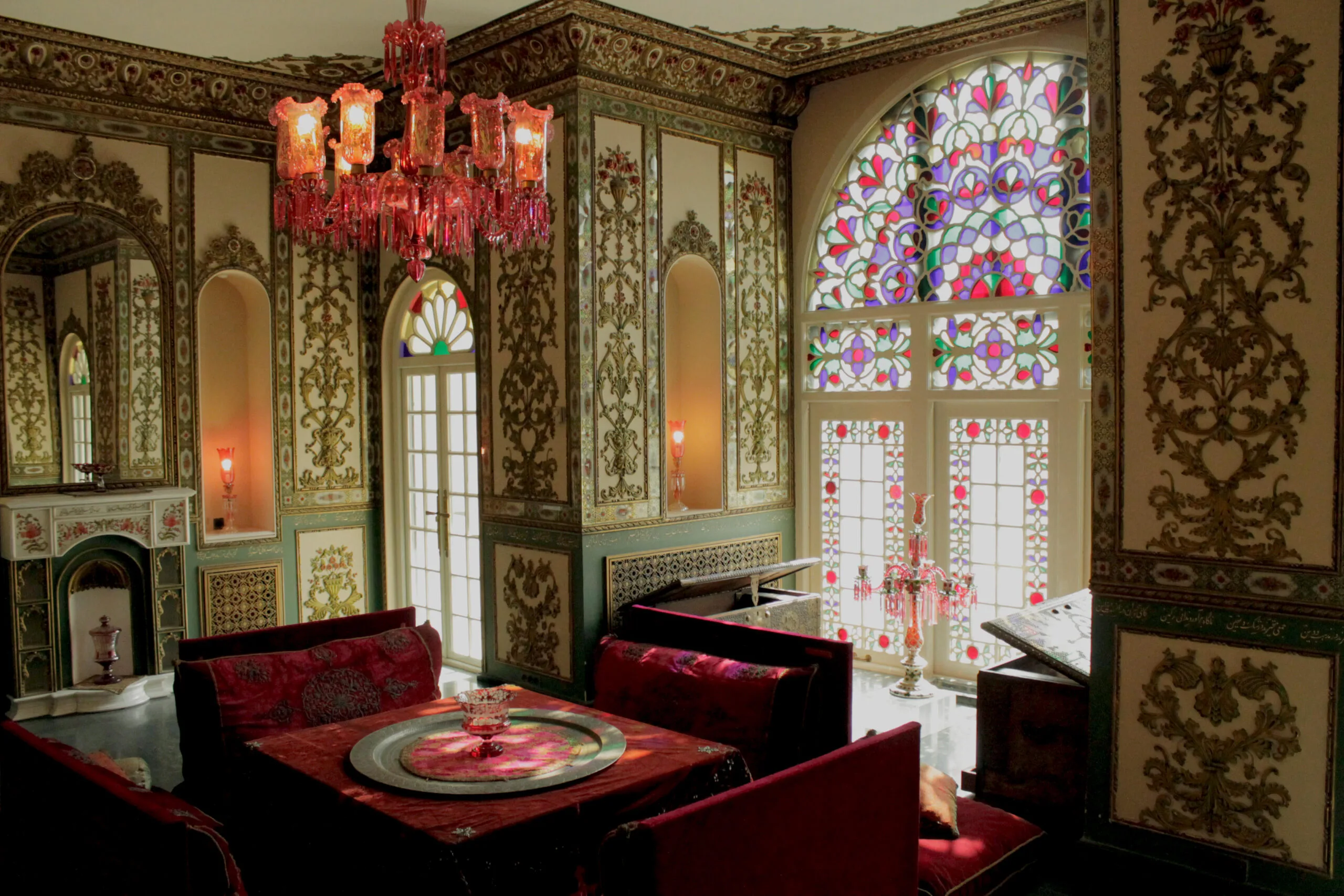
A life of excess
Hundreds of world leaders and dignitaries flew to Tehran for a week of no-expense-spared junketing.
Among them were Imelda Marcos of the Philippines, Prince Rainier and Princess Grace of Monaco, King Juan Carlos of Spain, Emperor Haile Selassie of Ethiopia, and the Duke of Edinburgh.
To the Pahlavis’ critics, all this expensive revelry was proof of their extravagance, vanity and unfitness to rule.
Hostility began to spread, and from his distant exile in France, the voice of Ayatollah Ruhollah Khomeini, the Shah’s most vocal Islamic opponent, sounded louder and more damning by the day.
The passing decades have done nothing to diminish Farah’s belief that her husband – “His Majesty” as she still calls him – was misjudged.
“Iran was living in the Middle Ages,” she says. “We lifted the veil. I would never criticise him. Many of the things that supposedly happened, happened without his knowledge. He gave me, as a woman – and millions of other women – the opportunity to pursue our dreams.”
(Photo by Rolls Press/Popperfoto via Getty Images/Getty Images)
“We could perhaps have been more humble,” she finally says.
With some reluctance, she admits that perhaps some things happened too fast. That the Shah’s autocratic style, his refusal to heed advice, the failure to properly prepare the country for the seismic changes he had in mind, played into his enemies’ hands.
Where does Farah Pahlavi live now?
After many years of justified fear for her safety, Farah now appears to be more relaxed about her activities. She meets friends for supper in discreetly expensive Paris restaurants, and shops in the fashionable boutiques along the Rue de Faubourg Saint-Honoré.
One friend recently told the French magazine Point de Vue: “Farah is one of the most extraordinary women alive. She was a young ingénue when she married Pahlavi and has lived through things most of us could barely comprehend, and I have never heard her complain on her own behalf about anything.”
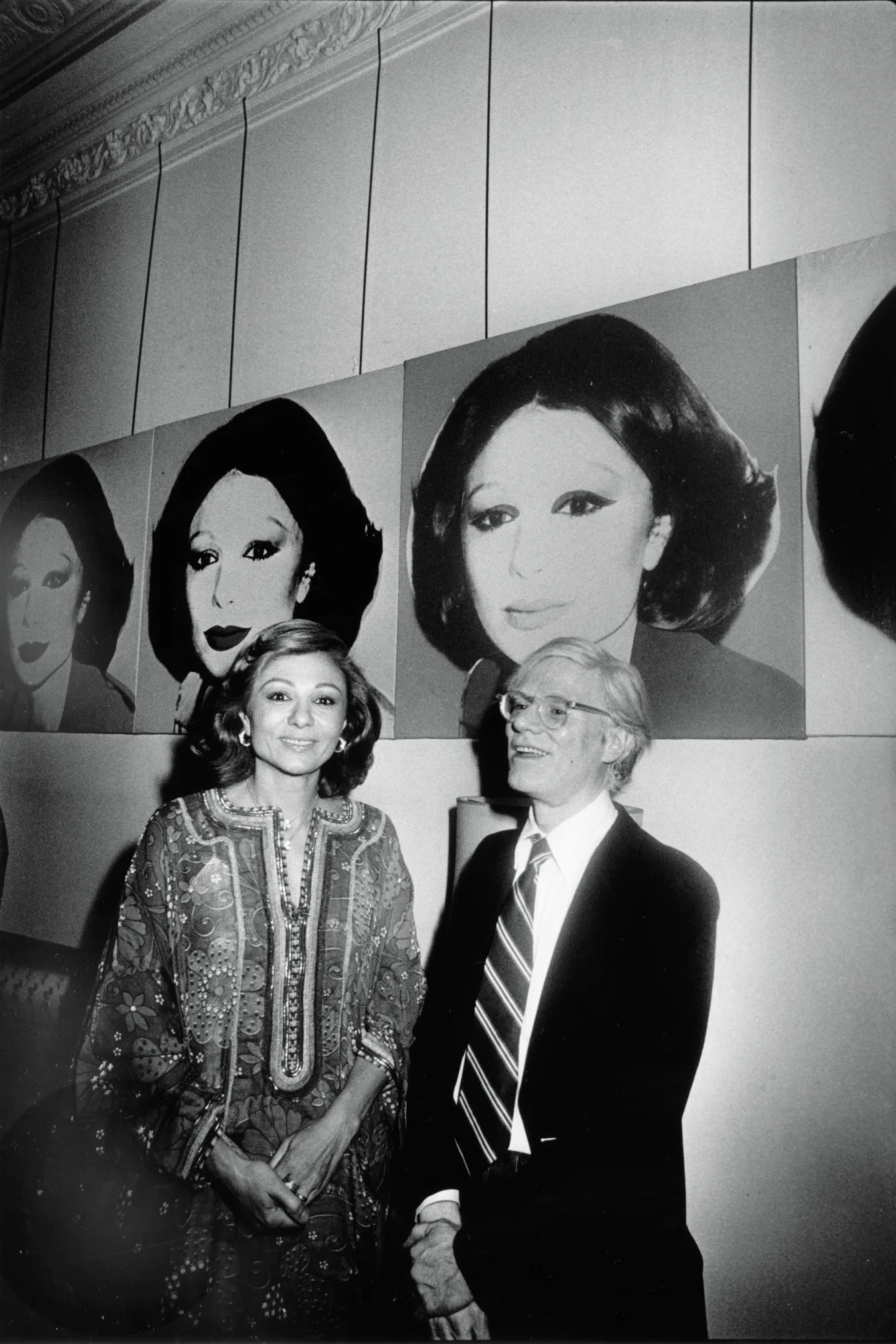
A lifelong devotee of the arts, she discloses that she is still in touch with the Tehran museum she founded as Shahbanu in 1977. It went on to fill with one of the world’s most valuable and little-seen collections of paintings and sculptures.
A lover of the arts
Estimated to be worth at least $3 billion, the works – including masterpieces by Picasso, van Gogh, Monet, Salvador Dalí and Henry Moore – were taken down by the mullahs as symbols of Western decadence. And so, they sat for many years gathering dust in the museum’s basement.
But late last year, a selection of the “Tehran Treasures” was put back on show. It drew huge crowds, forcing the gallery to extend the exhibition’s run.
Andy Warhol’s signature 1970s silkscreen of Farah – the cover picture of one of her books – was notably excluded from the exhibits.
Each year, the extended Pahlavi family gathers at the Shah’s tomb in the Al-Rifai mosque in Cairo. Over prayers, they remember a man who, in his apparent desire to do his best for his people, delivered them into tyranny.
“It should never have ended this way,” says Farah. “Everyone now knows the revolution was a terrible mistake. I just want to be there again and hear the people say so.”
This originally appeared in the Sept 2025 issue of The Australian Women’s Weekly. Subscribe so you never miss an issue.


Share this post