




At a glance…
- Japan’s Imperial family is facing an existential crisis.
- Only 16 working royals remain, and just three men are eligible to inherit the throne under current laws.
- New laws are being proposed by the Japanese government that will allow princesses to remain royals after marriage
- Despite strong public support for female succession, Princess Aiko will not inherit the throne.
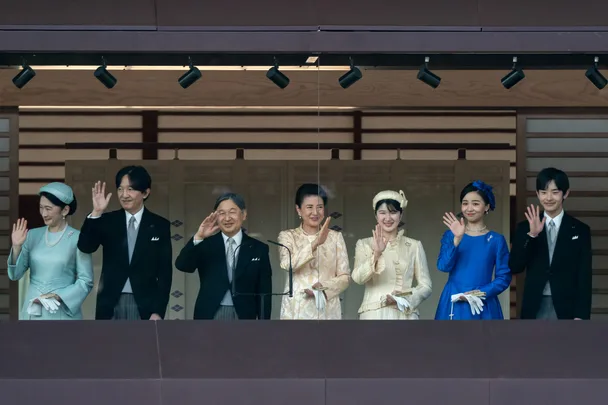
The Japanese Imperial family is the oldest hereditary monarchy in the world. However, the tradition it clings to threatens to destroy it. Since members of the extended royal family were stripped of their Imperial status in 1947, the number of working royals has dwindled.
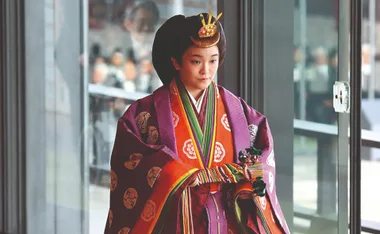
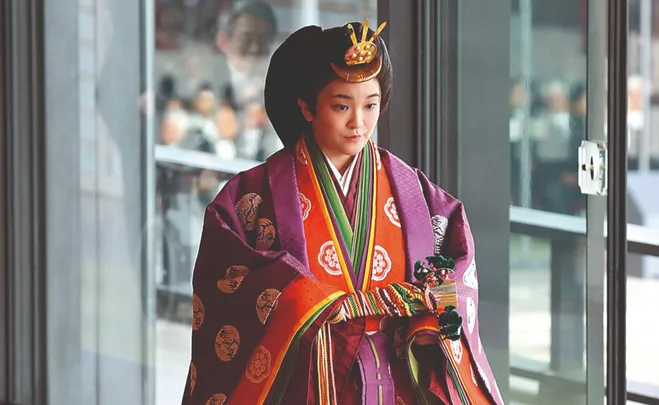
Panic over the future of the royals intensified when Emperor Naruhito’s niece, Princess Mako, announced she would relinquish her royal status in order to marry a commoner, which she did in 2022.
With just 16 working royal family members remaining, the Japanese Parliament has made two radical legal changes to preserve the royals.
What changes has the Japanese government made?
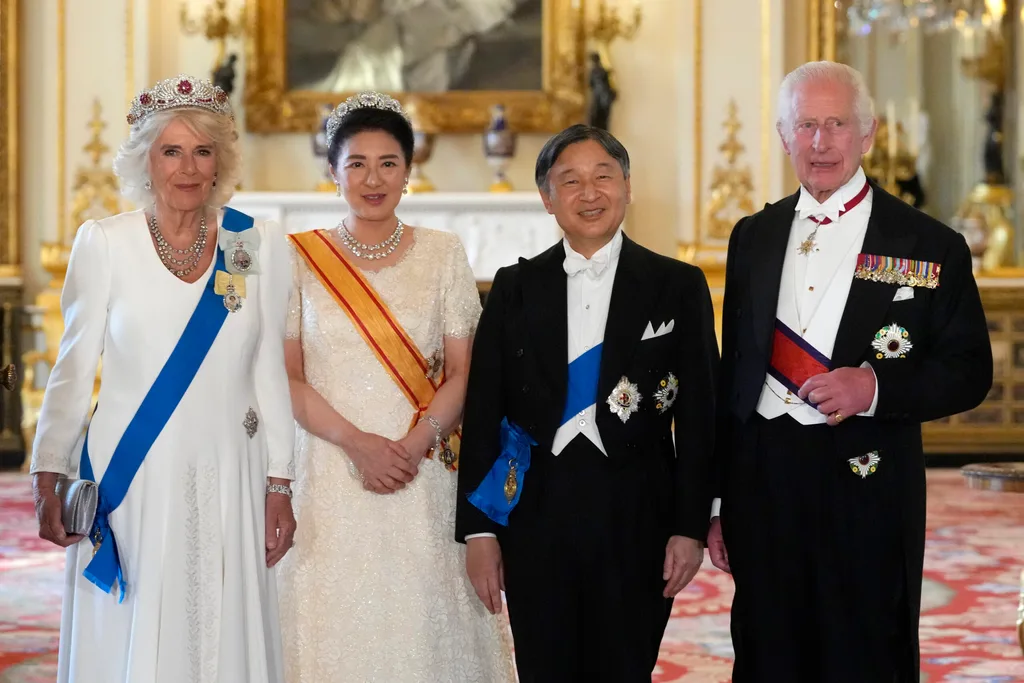
Japanese princesses will be able to retain their royal status if they get married. Furthermore, male commoners who are members of former imperial branches may be able to become royal by being adopted back into the family, under amendments approved on Friday.
In 1947, in the wake of WWII, peripheral members of the Japanese royal family were stripped of their royal status. There are 11 former family branches from which males could be adopted, but not all have suitable male heirs, who must be over 15 and unmarried, the BBC reported.
There may be as few as four families with eligible males, the Japanese Times reported, and there is no guarantee the young men who have lived their lives as commoners would want to enter royal life.
Japan’s Chief Cabinet Secretary Minoru Kihara said the details of establishing an adoption system need to be further discussed by the Imperial Household Agency and relevant authorities.
Japanese press has reported that adopted males would not be able to succeed to the throne, but any sons they may have will.
Who is the current heir to the Japanese throne?
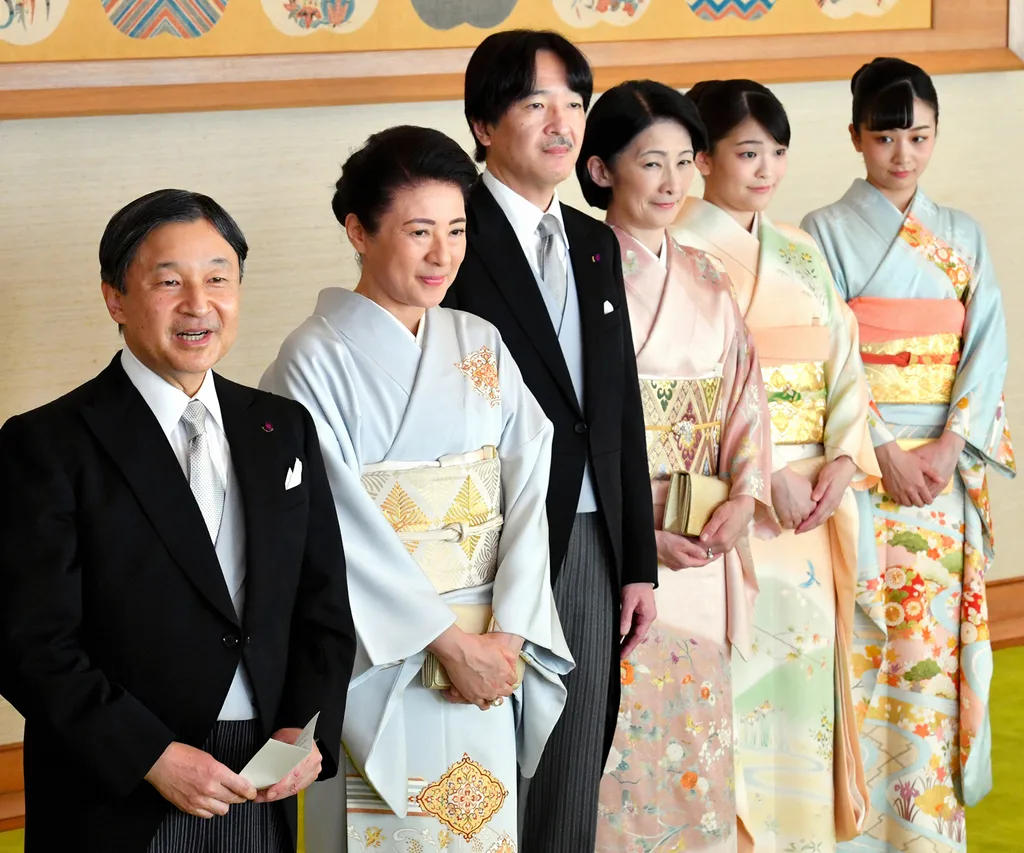
There are only 16 members of the Royal household, and among those only three are males who could succeed to the throne. The third in line to the throne is 90-year-old Prince Hitachi, the Emperor’s younger brother.
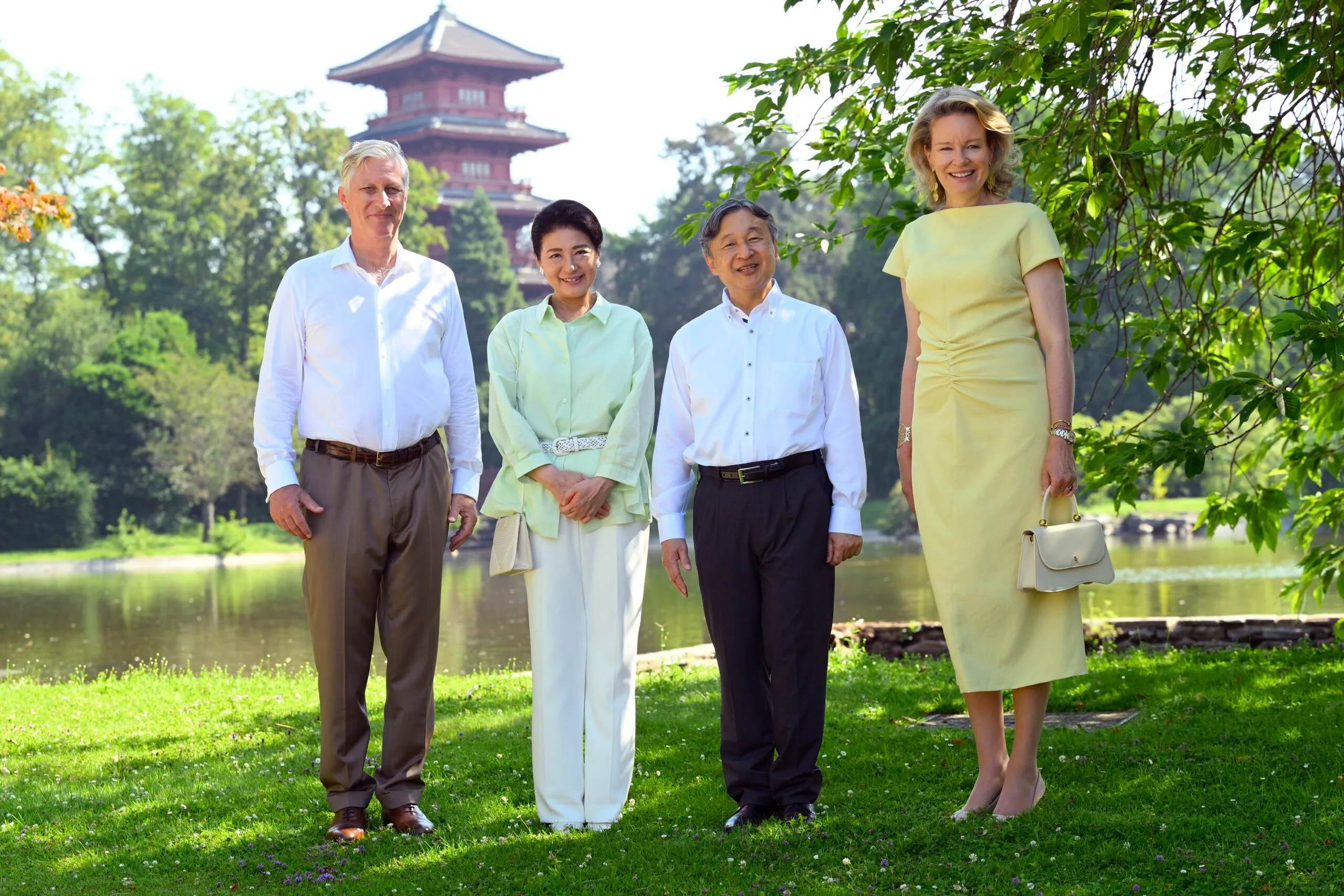
Emperor Naruhito, 66, and his wife Empress Masako, 62, have only one daughter, Princess Aiko, 24, who cannot become Emperor under the Imperial Household Act. The media calls her “the loneliest princess”.
The current heir to the throne is Emperor Naruhito’s brother, Crown Prince Akishino, 60. Then, the next in line is his son, Prince Hisahito, who will turn 20 in September. If Prince Hisahito does not have a son, the Imperial line will end.
The adoption amendment seeks to restock the Imperial family with “vintage imperial blood”, as one reporter called it. However, the amendment to allow princesses to remain royal family members after marriage seeks to address concerns that there aren’t enough royals to execute royal duties.
Why can’t Princess Aiko inherit the throne?
Many people in Japan believe women should be able to ascend the Chrysanthemum throne. Eighty-three per cent of citizens polled by Kyodo News said they support the idea of a female emperor.
After the current amendment was passed into law on Friday, supporters of female succession accused the government of trying to shut down the question of female succession, The Japan Times reports.
Prime Minister Sanae Takaichi said the current amendment is not intended to “pre-empt or restrict future discussions” in Parliament. However, the nation’s first female PM is personally fiercely opposed to female succession and has repeatedly defended the “unparalleled historic fact” of male-only lineage.
While the dynasty goes back 2000 years, this rule is relatively new. Speaking on the BBC’s Asia Specific podcast, Japanese journalist Mayu Yoshida says the male succession law was created in 1947.
“Japan did have female emperors in the past,” she said.
“It is an insane tradition,” Japan correspondent Julian Ryall told The Weekly in 2022. “The majority of the public would be very happy with an empress, but the country is run by old conservative men. They have no desire to change the status quo.”
Women are not even allowed to witness the coronation.
How have the changes been received?
There was a lot of “pushback” to the adoption proposal when it was aired, according to journalist Mayu Yoshida.
“It feels contradictory,” she told the BBC. “In the past the LDP [Liberal Democratic Party] … opposed it, arguing it could complicate the purity of the imperial lines. The party seems to revisit an idea that it once rejected as long as it avoids allowing female emperors.”
The government is confident the public will embrace the changes, particularly if and when adopted family members become public working royals.
“About 90 per cent, the majority, of the members agreed with the bill,” Chief Cabinet Secretary Minoru Kihara said.
Princess Mako, the niece of Emperor Naruhito, is not expected to be able to regain her royal status. She now lives in New York with her husband and first child, who was born last year.

