




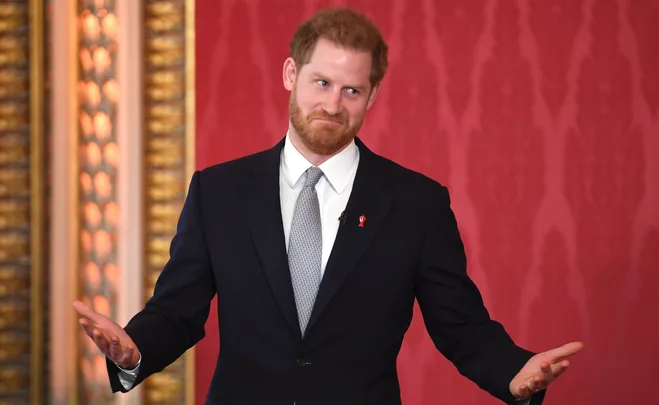
Prince Harry’s historic court case with Associated Newspapers, the publisher of Daily Mail and other prominent publications, was dismissed on Tuesday, 7 July, 2026.
Harry was in the UK (sans his family) for commitments with the Invictus Games when the news broke.
The Duke of Sussex was among six other claimants, including Liz Hurley, Sir Elton John and Baroness Doreen Lawrence, whose son Stephen was murdered in 1993. She alleged during the trial that articles written about her son’s death included information that was “stolen” about her and the murder investigation.
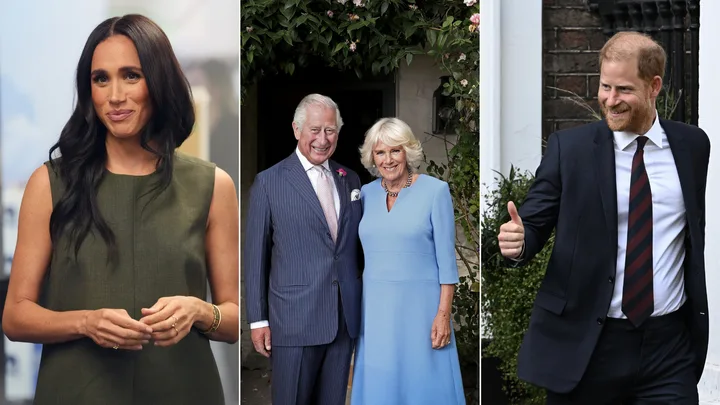
“We came to Court seeking justice and accountability. But we have received neither,” Prince Harry and Baroness Lawrence said in a joint statement following the court’s decision. “It is a complete and obvious whitewash, but sadly not altogether unexpected”, the pair added.
Whereas, a spokesperson for the publisher called it an “overwhelming victory for Daily Mail and its journalists.”
The courts concluded that the allegations made in the case were so serious that more evidence needed to be produced. The onus is on the claimants to prove that the suspected illicit information was gathered unlawfully, rather than just suspicion.
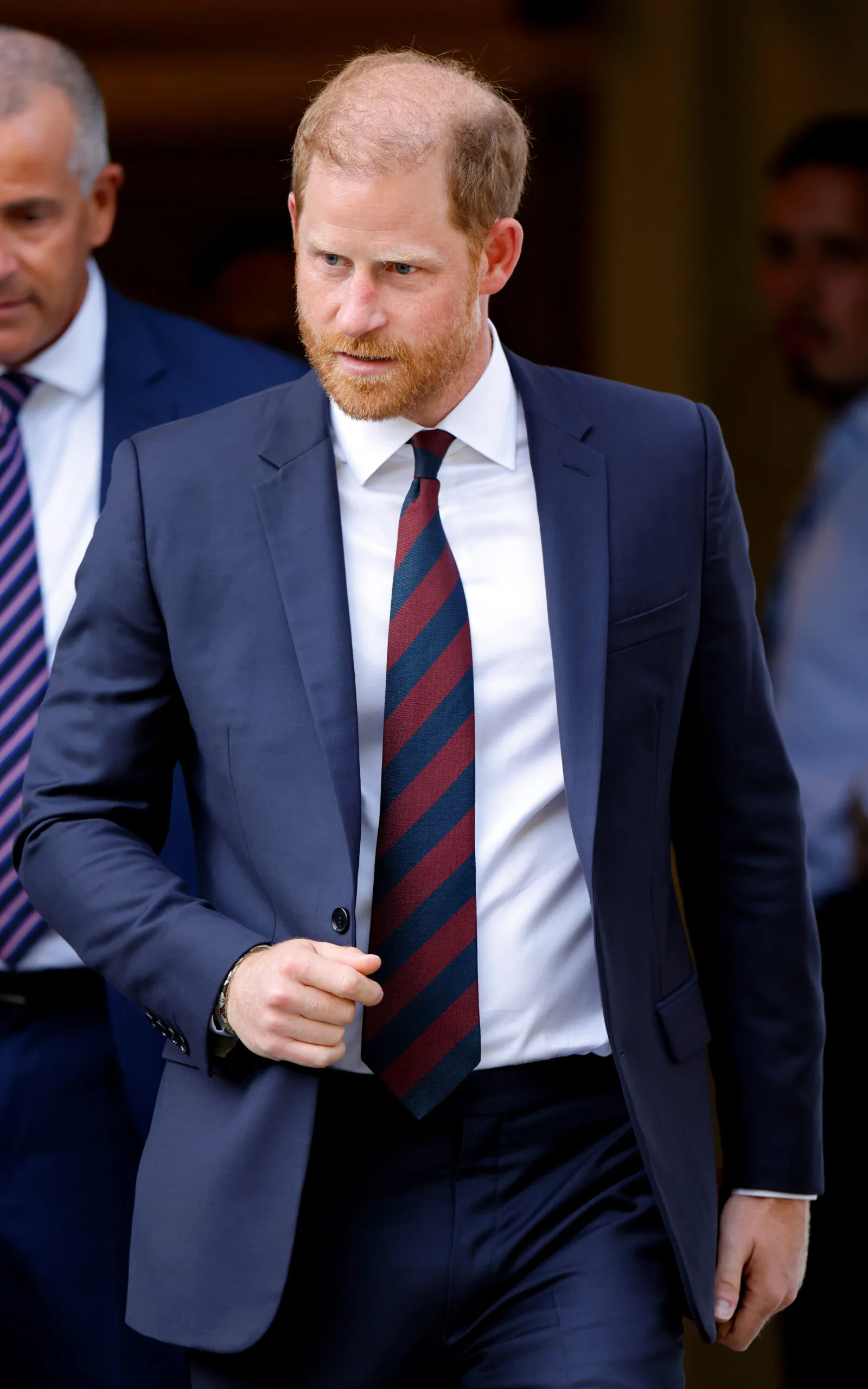
Prince Harry names King Charles and Prince William in court proceedings
On January 19, 2026, Prince Harry returned to the UK to act as a witness taking legal action against Associated Newspapers (ANL), the publisher of the Daily Mail and the Mail on Sunday. He joins many high-profile figures.
Claimants have accused ANL of unlawful information gathering, including using private investigators to place listening devices inside vehicles and accessing private records and phone conversations.
In his witness statement, the Duke of Sussex claims that he was in “regular contact” with several people during the claim period from 1996 to 2014.
According to People, Prince Harry presented a list of contacts, including Prince William, King Charles, and ex-girlfriend Chelsy Davy.
“HRH The Prince of Wales, my brother William,” the statement read, as per People. “Due to his position, the press has always been very interested in him. As brothers, we naturally discussed personal aspects of our lives as we trusted each other with the highly sensitive information we shared about our private, family and professional lives.”
“HM King Charles III, my father,” the statement continued. “During the Relevant Period, my father and I were in regular contact. He was also of great interest to the press due to his position. My private information would have been present on voicemails, containing highly personal, private and sensitive information, left on his landline phone by me, other members of my family and the Royal Household.”
WATCH: Prince Harry in court for Associate Newspapers trial (Article continues after video)
“Chelsy Davy, a former girlfriend. We met in early 2004 and were in a relationship which continued, on and off, until around mid-2010. Our relationship was long-distance for the majority of the time we were together, with Chelsy and I often living in different countries,” it continued, as per People.
“We, naturally, spoke about all types of personal matters, including all aspects of our relationship, and this was often through calls, texts and voicemails left on her mobile and landline phone in South Africa,” the statement continued. “As she was my girlfriend, I trusted Chelsy with the most private of information and vice versa. I know that [private investigator] Gavin Burrows admitted doing lots of unlawful activities in respect of her, which is deeply troubling, but explains how Associated got so much information about us (often before others).”
What happened in 2023?
On June 6, 2023, the Duke of Sussex appeared at London’s High Court and took to the witness stand; something a British royal hadn’t done since 1891.
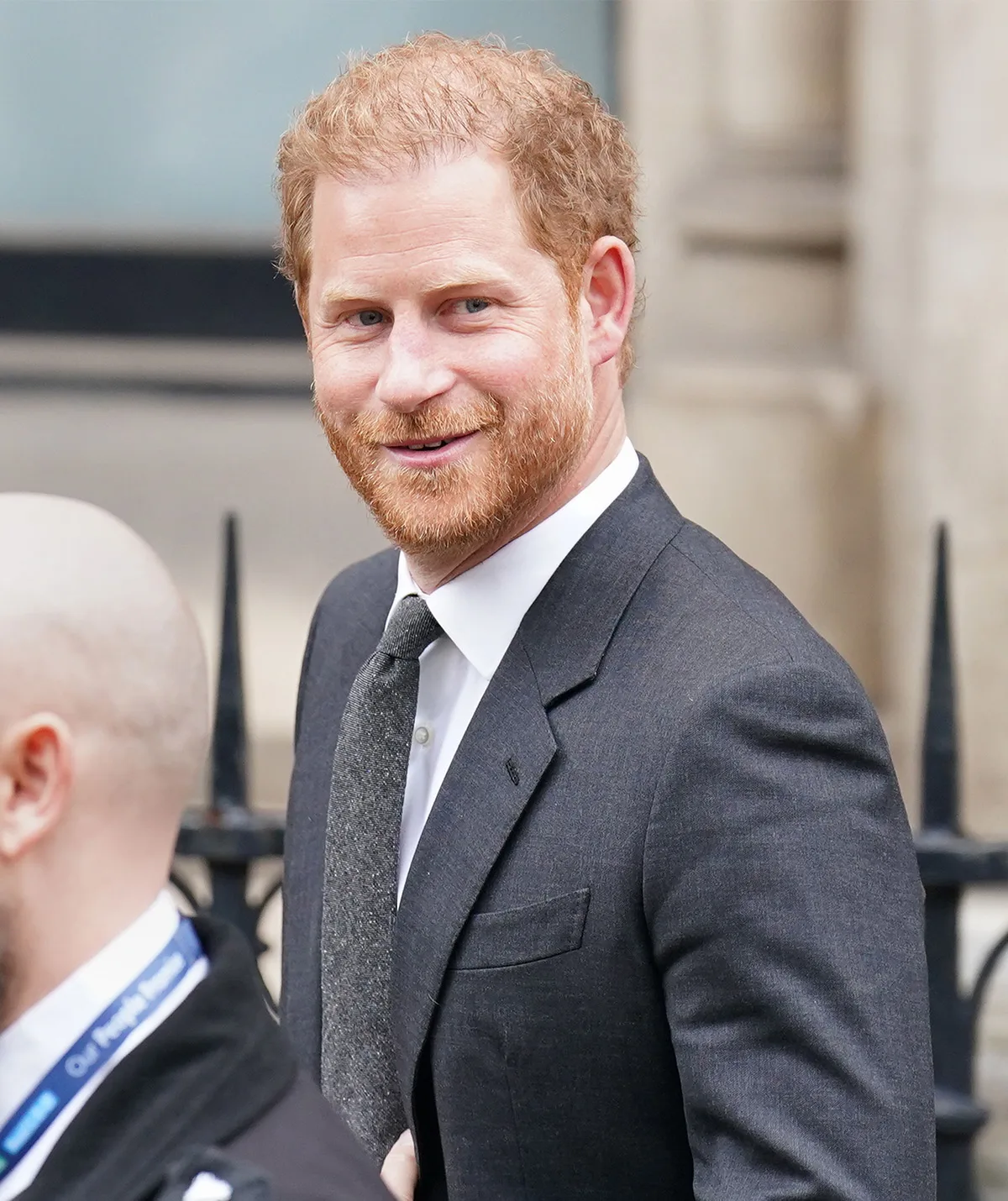
Prince Harry will be the first royal to give evidence in court in over a century. (Credit: Getty)
Harry’s cross-examination in court formed part of the legal case he and multiple other high-profile figures – such as singer Cheryl, actor Ricky Tomlinson and the estate of the late singer George Michael – have brought against Mirror Group Newspapers (MGN).
The claimants allege that MGN, the publisher of the Daily Mirror, the Sunday Mirror and Sunday People, gathered information unlawfully by phone hacking and ‘blagging’ – gaining information through deception and through the use of private investigators.
Prince Harry has specifically alleged that roughly 140 articles published by MGN between 1996 and 2010 contained information that was obtained via unlawful methods. MGN contested all claims and has even argued that some have been brought too late.
Why Prince Harry’s court appearance was so momentous
Aside from Prince Harry’s previous court case, the last time a royal gave evidence in court was in the 19th century. During the trial of the Royal Baccarat Scandal, also known as the Tranby Croft Affair, Edward VII (the King of England from 1901 to 1910) was cross-examined.
For context, the Royal Baccarat scandal began in September 1890 at Tranby Croft, the then-home of Arthur Wilson and his family.
The then-Prince Edward was asked to stay at Arthur’s Victorian country house for a few days, and during the first night of his stay, he and all the other guests played baccarat – a gambling card game, which was illegal at the time.
During the game, Arthur’s son Stanley thought he saw Lieutenant-Colonel Sir William Gordon-Cumming, one of the guests and a friend of Edward’s, add to his stake illegally.
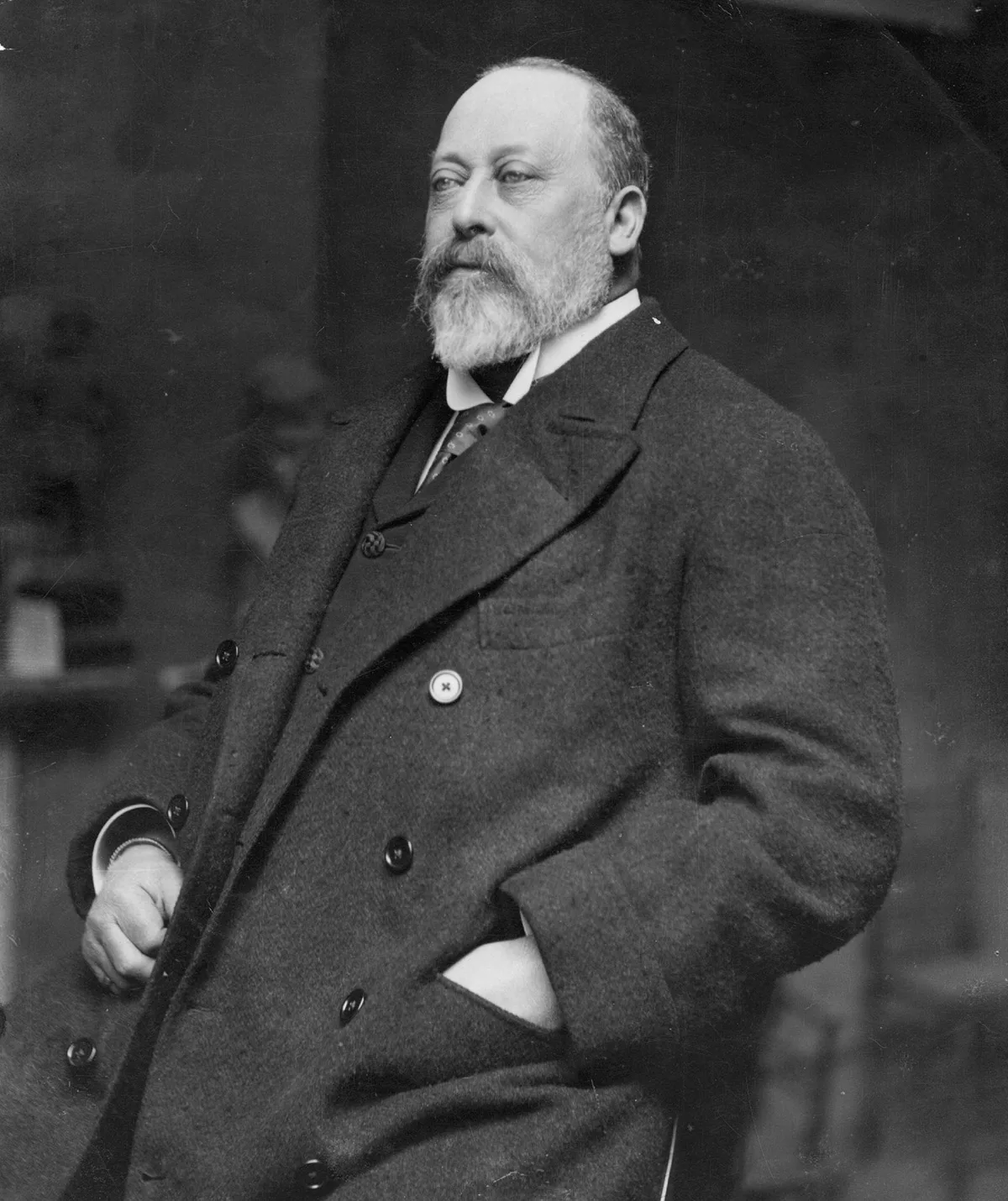
The last royal to give evidence in court was King Edward VII and he did so in 1891.
(Credit: Getty)
Stanley informed his family, and the next night, when everyone played baccarat again, they kept a close eye on William. The Wilson family believed William was acting suspiciously, so they sought advice from Edward’s advisers, Lord George Coventry and Lieutenant-General Owen Williams.
With Edward’s approval, George and Owen confronted William and persuaded him to sign a document that declared he’d never play card games again in exchange for the guests’ silence.
However, the news of William allegedly cheating at baccarat spread. William believed the Wilson family had taken their accusations public, so he demanded a retraction letter. When they refused, William filed a writ for slander.
The case was heard in June 1891, and during the trial, Edward was cross-examined.
WATCH: Harry & Meghan Volume II Trailer – ‘Coordinated Campaign’ (Article continues after video)
While in the witness box, Edward said he did not see William cheat and didn’t know anything about it until George and Owen informed him of the matter.
Ultimately, the jury ruled against William and in favour of the Wilson family. The day after the trial ended, William was dismissed from the British Army and was highly ostracised from society for the rest of his life.
In regard to Edward, the then-Prince was rather unpopular for a few years following the trial. And while he continued to gamble after the case, he did so more discreetly than before. He also never played baccarat again, taking up whist instead.


Share this post