




At a glance…
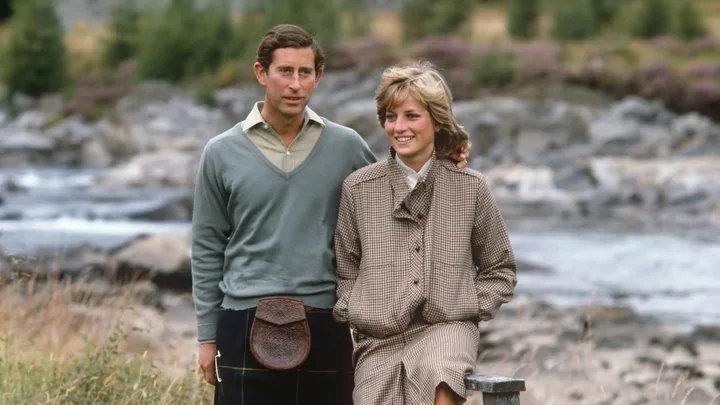
- In 1981, then-Prince Charles, 32, proposed to 19-year-old Lady Diana Spencer
- After 11 years together, the marriage between Princess Diana and the then-Prince Charles imploded spectacularly after two children; Prince William and Prince Harry.
- When the pair said ‘I do’ on July 29, 1981, the whole world believed they had found a love that would last – The Weekly’s royal correspondent Anne Matheson included. Below is Anne’s original 1981 article on Charles and Diana’s long-awaited engagement.
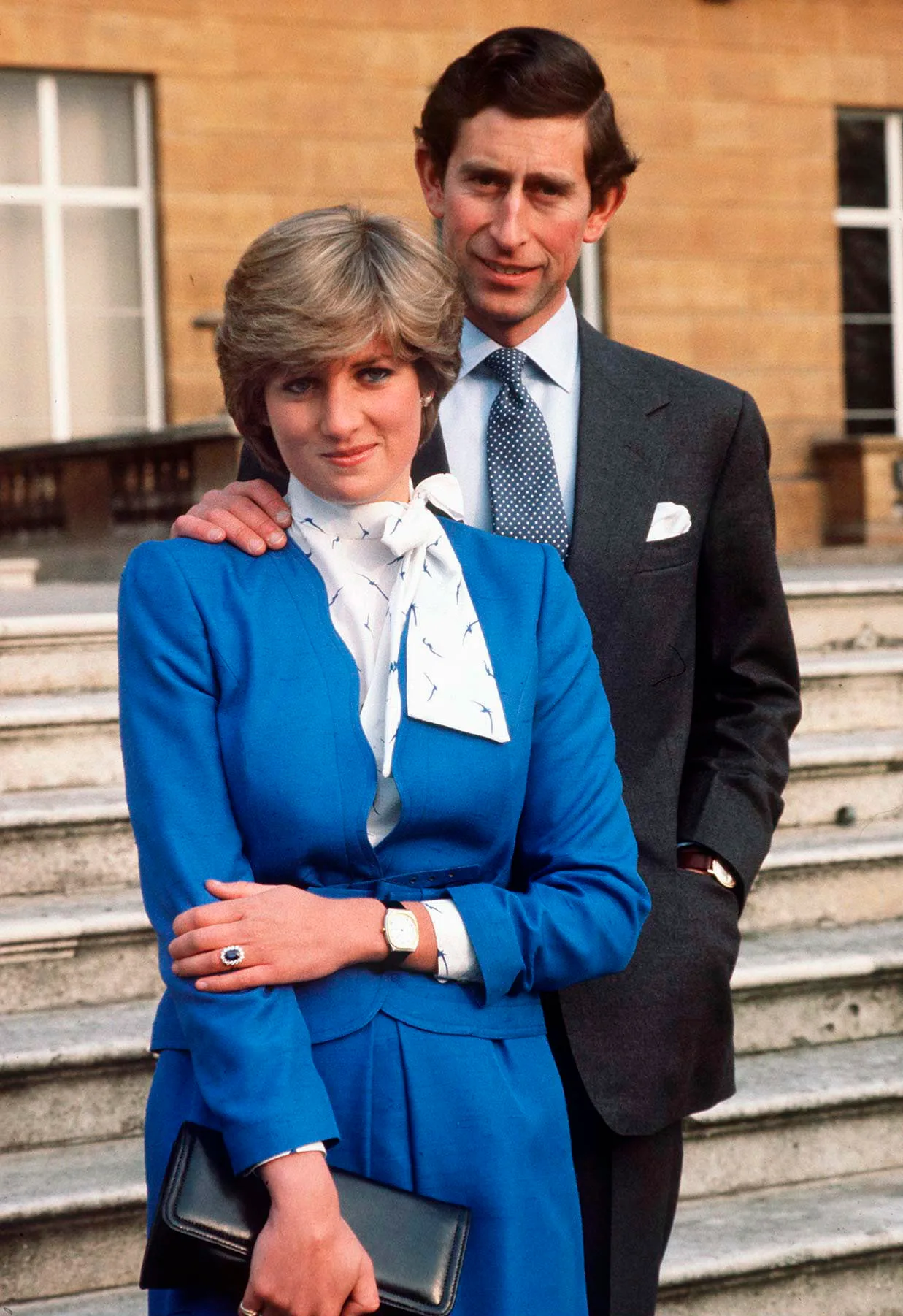
After months of indecision and press speculation, Prince Charles has decided to marry Lady Diana Spencer. The engagement was officially announced by Buckingham Palace on February 24 and the wedding is expected to be at Westminster Abbey in July.
Prince Charles proposed to the 19-year-old Lady Diana just before her secret 12-day visit to Australia last month. Prince Charles, 32, asked her to be his bride during a private dinner in his Palace suite.
“I asked Diana just before she went to Australia. I wanted to give her a chance to think about it, to think if it was going to be too awful.” But Lady Diana didn’t appear to think the idea awful at all. She says she never had any doubts about her decision.
Prince Charles is scheduled to leave for a five-week tour which includes Australia and New Zealand at the end of this month, but Lady Diana is not expected to accompany him.
The couple hope to live at Prince Charles’ $2 million estate at Highgrove, in Gloucestershire. Asked if she had the house organised, Lady Diana replied, “Not quite yet.”
Added the Prince: “It’s like camping. We’ve only got one room decorated downstairs, and the bedroom organised. Otherwise everything is being painted. There’s nothing there yet, no curtains, carpets or furniture, nothing.”
The couple said their romance began last July when Lady Diana went to Balmoral to help her sister, Lady Jane, with her first baby.
“We began to realise then that there was something in it,” said Charles. He also revealed the closely guarded secret that Lady Diana, who had often been paired off with Prince Andrew, had returned later in the year to stay at the Queen Mother’s home at Birkhall, Scotland, to be near the Prince.
The couple have led the Press a merry chase since last October, when rumours of a royal romance grew stronger. But time and time again reporters were thwarted by Lady Diana’s refusal to comment, her shy manner and Prince Charles’ “Will I, won’t I?” attitude.
Royal observers were hoping that, this time, Charles would make up his mind to marry. They believed a royal marriage would be a tremendous boost to a Britain ailing in spirit.
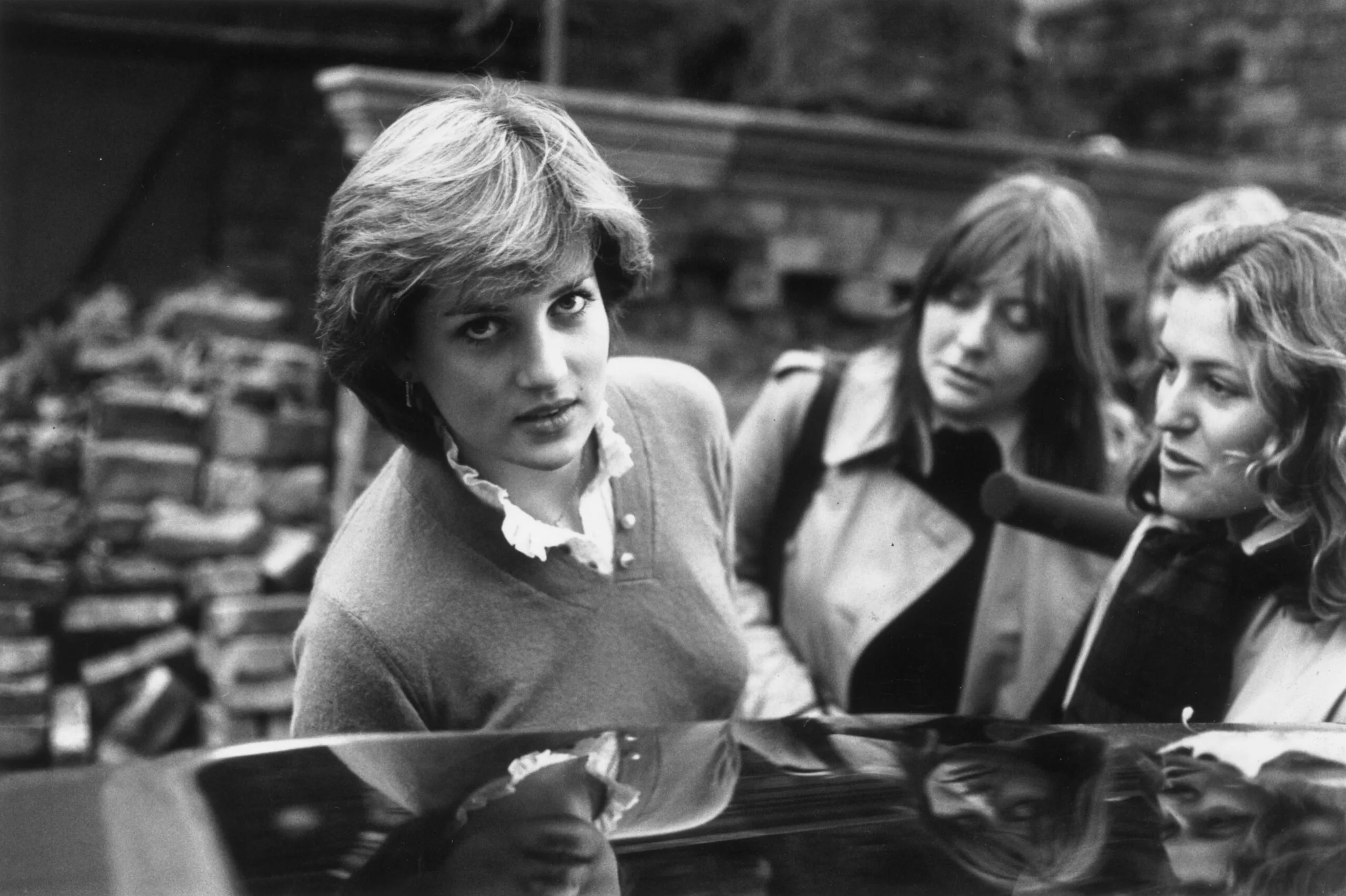
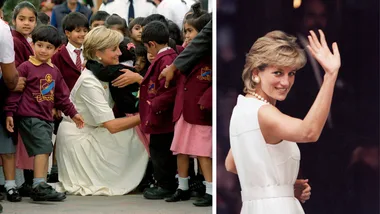
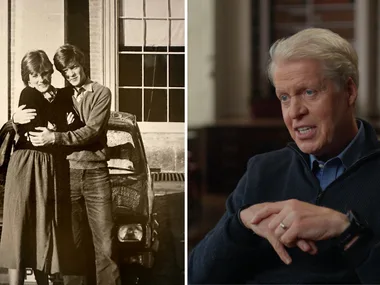
Close friends had been predicting for several months that Charles and Diana were very much in love and would marry. They were certain that he at last felt strongly enough about someone to consider making her the future Queen of England.
After they marry, Lady Diana will be Her Royal Highness, the Princess of Wales. Already Lady Diana’s life is changing. She has moved out of the flat she shares with friends in London and has finished her job as a kindergarten teacher. She is now under the “protection” of the Palace.
Lady Diana – daughter of Johnnie, Earl Spencer, one of the Queen’s favourite courtiers – is totally in love with Prince Charles, and has been since she met him.
Prince Charles, who had always had a preference for fulsome blondes, would probably scarcely have noticed her had it not been for her sparkling Irish wit, inherited from her mother’s side of the family, the Irish Barons Fermoy.
There is nothing Prince Charles likes better than a sparring partner for his own brightness, and, since the Goons are not exactly within the royal family circle, it was a pleasant surprise to find Diana, a young friend of the family, could match his wit with her quickness and intellect. Prince Charles, who in his official duties finds conversation heavy going at times, warmed to this girl. He found her so very refreshing, so completely unspoiled, her Irish eyes always smiling.
Lady Diana Spencer could not but find favour with the Queen and, indeed, with all those who wish only joy and happiness for Prince Charles. She is of impeccable background (despite the divorce of her parents). The Spencers have been interlaced with the lives of the sovereigns since George III.
There is not a single member of Lady Diana’s family, on both [her] father’s and mother’s sides, who is not very dear to the royal family. So close, indeed, that Park House, where Lady Diana was born on the Sandringham estates, was leased to her grandfather Lord Fermoy by the late King George VI.
They were shooting together the day before the King died and his last recorded words were to Lord Fermoy: “See you tomorrow … rabbits.” The King died in his sleep. It was February 1952.
With a young Queen on the throne she, naturally, chose as her courtiers young men whose family had served the royal family. And so Lord Althorp (pronounced Altrup) went with the new Queen Elizabeth II on the Commonwealth tour which was to last six months and include Australia.
Johnnie Althorp, then 29, who had been for three years an aide-de-camp to the Governor of South Australia, announced his engagement to the 17-year old Hon. Frances Roche (Lord Fermoy’s daughter) and on his return it was the wedding of the year at Westminster Abbey. It should have been a happy marriage, for they had everything.
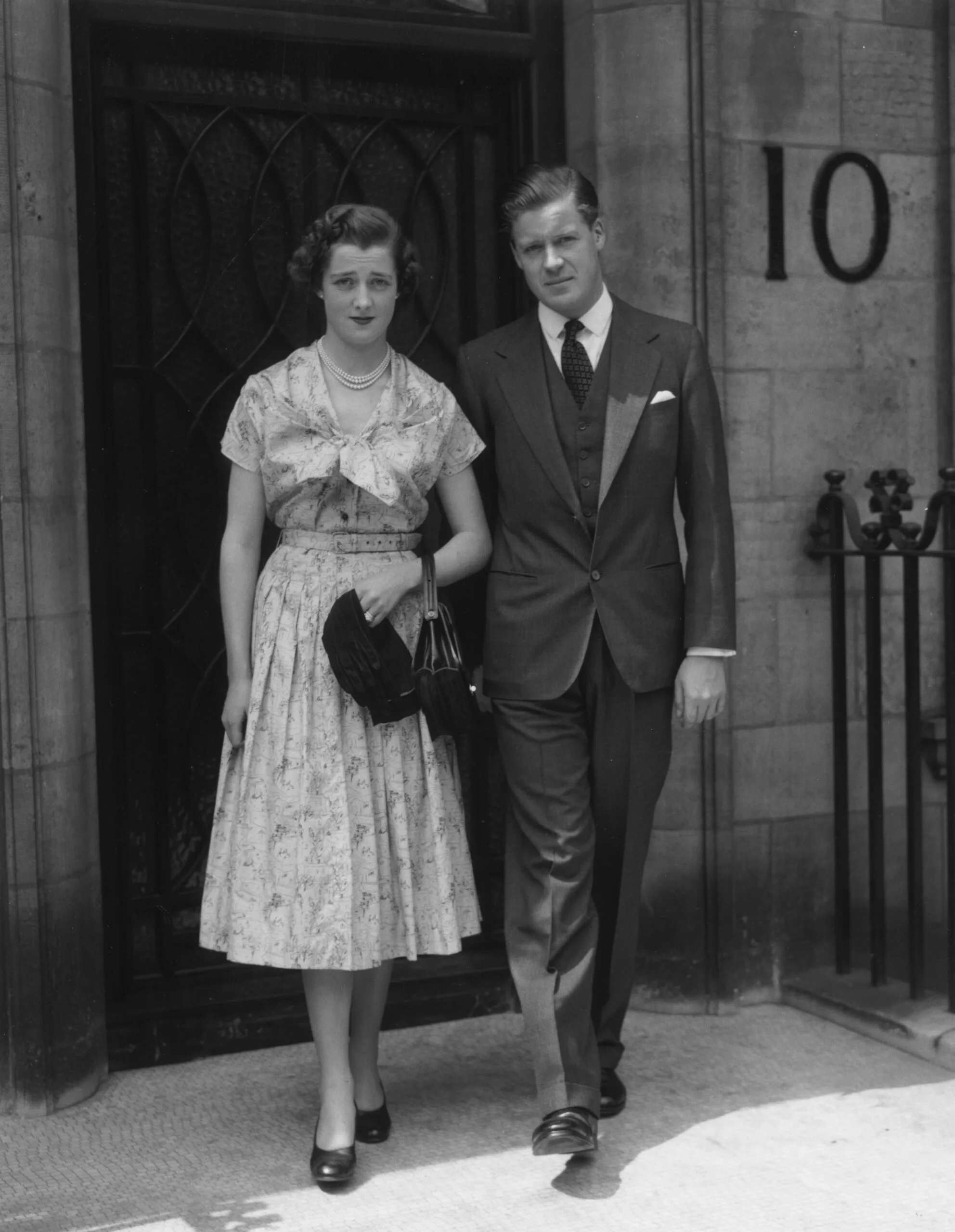
With five great mansions and lands beyond, young Viscount Althorp and his wife moved into Park House, Sandringham. There, their third daughter, Diana, was born and christened by the Bishop of Norwich and there her young life was shaken by the totally unexpected divorce of her parents.
Diana was then only six years old. The divorce came as a total shock to Lord Althorp, and to those who moved in the close-knit circle around the Queen.
“They were such a loving family,” said a close neighbour whose little girls played and went to nursery school with Diana.
Lord Althorp was given custody of the children. But in his sadness he uprooted the family from Park House and moved Lady Diana and her two elder sisters and young brother Charles, who is heir to the family estates, to Northamptonshire.
Their mother had married Peter Shand Kydd and went to live in Shiel, on the west coast of Scotland, although they spend time every year on their property near Yass, in New South Wales.
Lady Diana was a retiring child, but never withdrawn. Rather she sat on the sidelines, an acute observer. She was always a child of great dignity and enormous self control, and has never been known to mention the hurt a family separation must have incised on her young life.
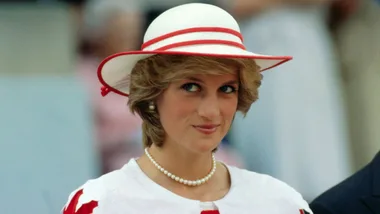
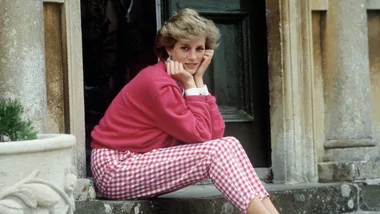
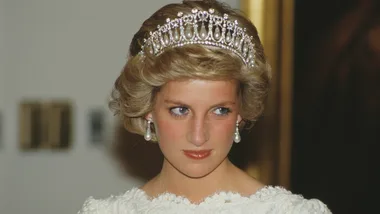
When the Earl of Spencer did, later, marry Raine, daughter of novelist Barbara Cartland and divorced wife of the 9th Earl of Dartmouth, it was no serene and happy home Diana returned to from boarding school. “Raine, Raine, go away,” the tenants were chanting as Diana and her elder sisters and younger brother went to Althorp, Northampton, for their holidays. Their new stepmother, with her abrasive charm, had scythed her way through the estates.
There is an old saying, “It takes a little trouble to bring us all together,” and it was the Earl Spencer’s massive stroke at the age of 56 that brought his new wife and children together. On his recovery there was a thanksgiving service, and it was at the end of the year when the Queen and her family were at Sandringham, after Christmas, and later at Windsor, that 17-year-old Lady Diana was invited to join the royal family.
The invitation was part of the thanks for her father’s recovery, and partly because Prince Andrew would be home and the two were of much the same age. Nobody was thinking of Prince Charles and Lady Diana, since it was her elder sister Lady Sarah who had been his companion.
Sarah married a family friend. But the other sister, Lady Jane, married Robert Fellowes, whose father is the Queen’s agent at Sandringham.
So, in the seclusion of Balmoral, the homes of friends – particularly Prince Charles’ great friend and confidant Mrs Parker Bowles – and at private parties for Princess Margaret (and her 50th birthday ball) their friendship and chance to love were given favourable conditions for blossoming.
The happiness of her days at Sandringham must have braced Lady Diana for the ordeal of the days that were to come when the world around closed in on the girl who will one day be Queen. Nobody could fault the way she has handled the hordes who besieged her.
The feature was reprinted in the 2021 special edition The Australian Women’s Weekly. Subscribe so you never miss an issue.

