




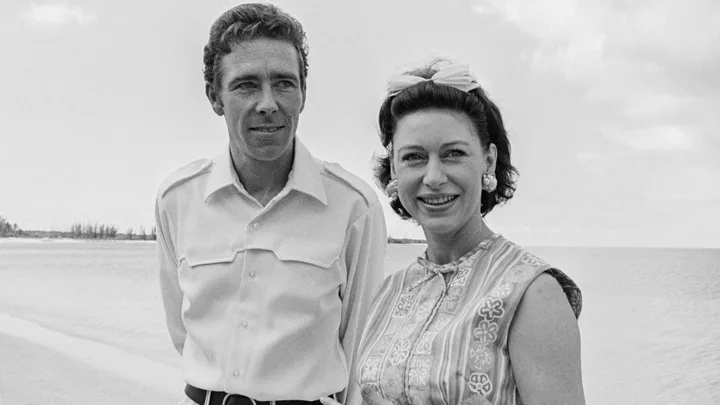
The 1960s had barely begun when Princess Margaret, the Queen’s younger sister, and a little-known society photographer named Antony Armstrong-Jones entered a marriage that would become a perfect metaphor for the age of sexual revolution.
A slight figure of no great wealth or pedigree, Tony seemed an improbable recruit to the royal ranks. Yet in their tempestuous time together, he and Margaret changed everything around them, and few could deny his lasting impact on the modern monarchy when, as the Earl of Snowdon, Tony died aged 86 on January 13, 2017.
He was the first commoner to marry a king’s daughter since the Middle Ages, the first senior royal to pursue a professional career – or “trade” as it was sniffily dismissed at the time – and the first errant husband to land the royal family in the divorce courts.
“Tony was rock and roll when the royals were still listening to chamber music,” said Princess Margaret’s biographer, Tim Heald. “He was Carnaby Street when they were still dressing from Savile Row. He was different, colourful and was always going to be an outsider.”
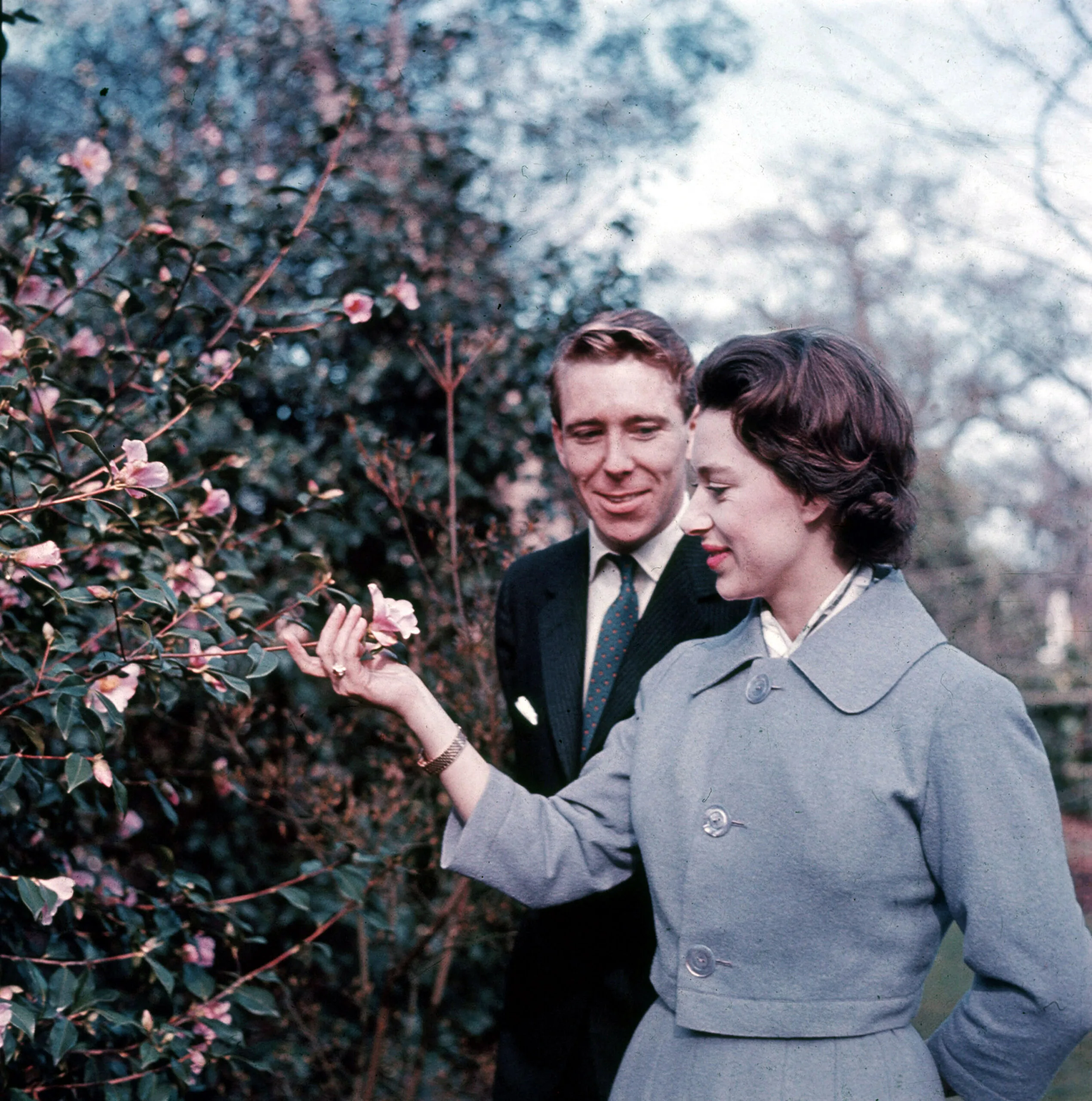
Yet in many ways, Tony and then-29-year-old Margaret were an ideal match. Both were glamorous, energetic, vain, self-indulgent, over-sexed and largely oblivious to the consequences of their behaviour. They had each grown up with a sense of being dealt bad hands in life and possessed a charm that proved irresistible – especially to each other.
Tony was born into a refined, wealthy family, but the money was mostly on the side of his mother, 1930s society beauty Anne Messel – and after his parents divorced, he was largely shut out of her life. When, as a teenager, Tony had to spend six months in hospital with polio, she never once came to visit him.
According to his most recent biographer, Anne de Courcy, “it is possible that his future attitude to women was sealed as he lay alone in his hospital bed”.
Having failed to shine at school – where his despairing housemaster wrote, “Tony may be good at something, but it is nothing we teach here” – he began working for a London photo agency, where he was taken under the wing of royal portrait photographer Sterling Nahum, known professionally as Baron.
It was on one of Baron’s Buckingham Palace assignments that Tony first met Margaret. The young Princess was in a state of emotional turmoil, having been forced by the royal establishment to renounce her dashing suitor, Battle of Britain hero Group Captain Peter Townsend, on the grounds that he had been married previously.
It is likely that Margaret never quite got over Townsend, but Tony offered much that appealed to her, and the attraction between them was instant and powerful.
“They were both charismatic, creative, rebellious, manipulative and self-absorbed,” says a friend of Lord Snowdon’s, broadcaster Gyles Brandreth. “Unfortunately, it didn’t mean they were right for each other.”
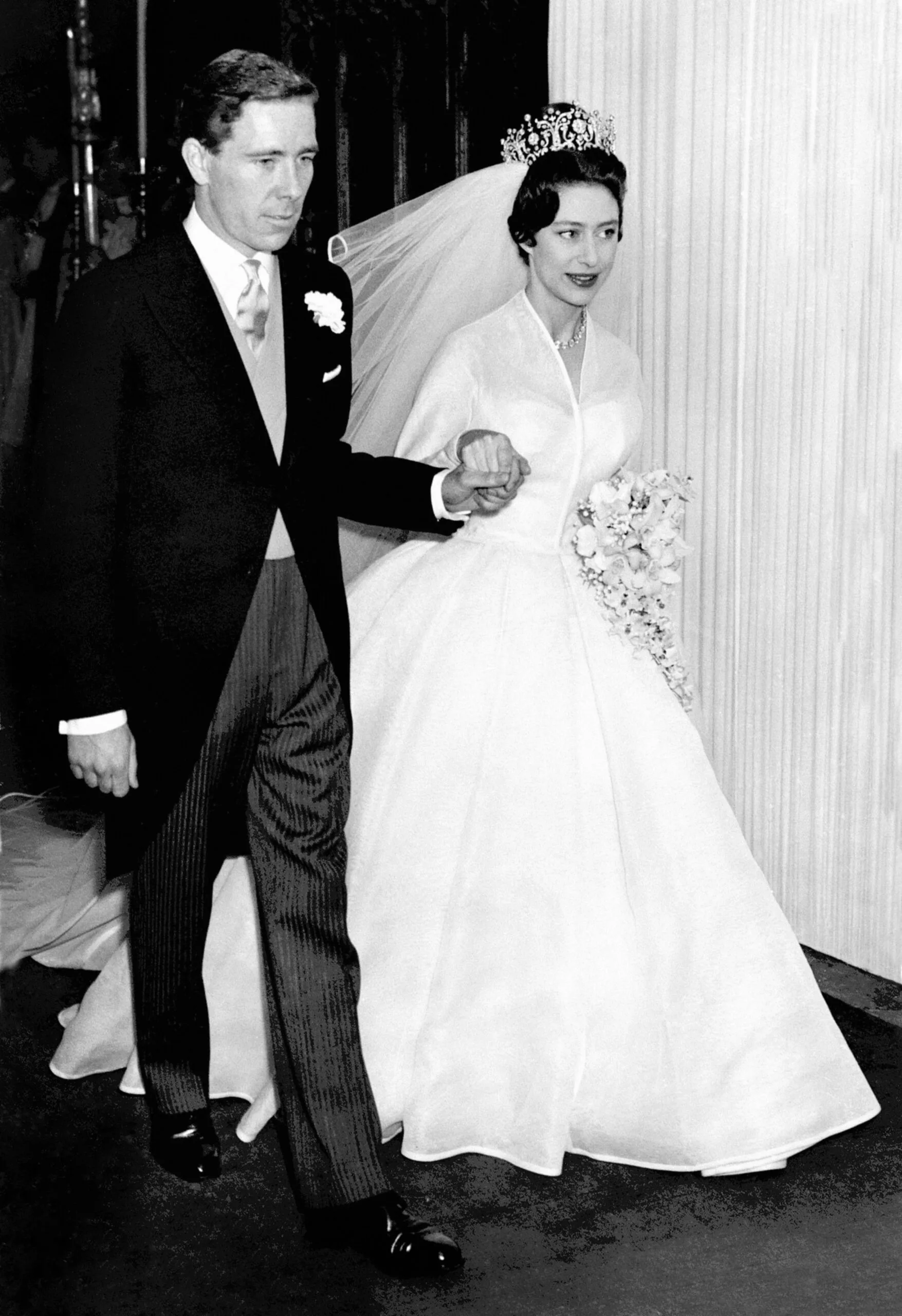
They were married in Westminster Abbey on May 6, 1960, and for a while they looked, indeed, like the perfect couple. Two children followed, David in 1961 and Sarah in 1964, and with their glittering circle of fashionable friends, the Snowdons gave the royal family a glamour it had never known before.
The couple moved among film stars, designers, artists, eccentrics and rockers. The parties they attended were packed with the hip and beautiful, and swung to a backbeat of drugs and easy sex. In the swirl and dazzle of the Sixties, the disapproval of old-school courtiers only convinced Tony and Margaret that they were perfectly in tune with the changing times.
The first rumours that all was not well began with small items in the London gossip columns, noting that the pair appeared to be spending less time together. Tony’s busy work schedule he was by now one of the world’s most sought-after photographers – was offered as an explanation, but behind the scenes things were already going badly.
Tony complained to his friends that his wife was insecure, needy and possessive, and that his royal status was a burden. Yet he liked the way it opened doors for him – especially bedroom doors.
As he later confessed to his biographer Anne, he had been prodigiously unfaithful almost from the start.
Lonely and somewhat lost in her husband’s bohemian world, Margaret also sought lovers, indulging in flings with wine merchant Anthony Barton – one of Tony’s closest friends and godfather to their daughter – and society pianist Robin Douglas-Home, who later committed suicide.
Tony pretended to be unbothered, coolly writing to her, “If things are not going very well at the moment, then please, darling, do discuss things with me and I’m sure we can straighten it out. I was rather shocked that you took such pride in telling me that you had only three halfhearted affairs [during my latest absence] and that it was much better when I was in India. All I ask is not to make it too obvious.”
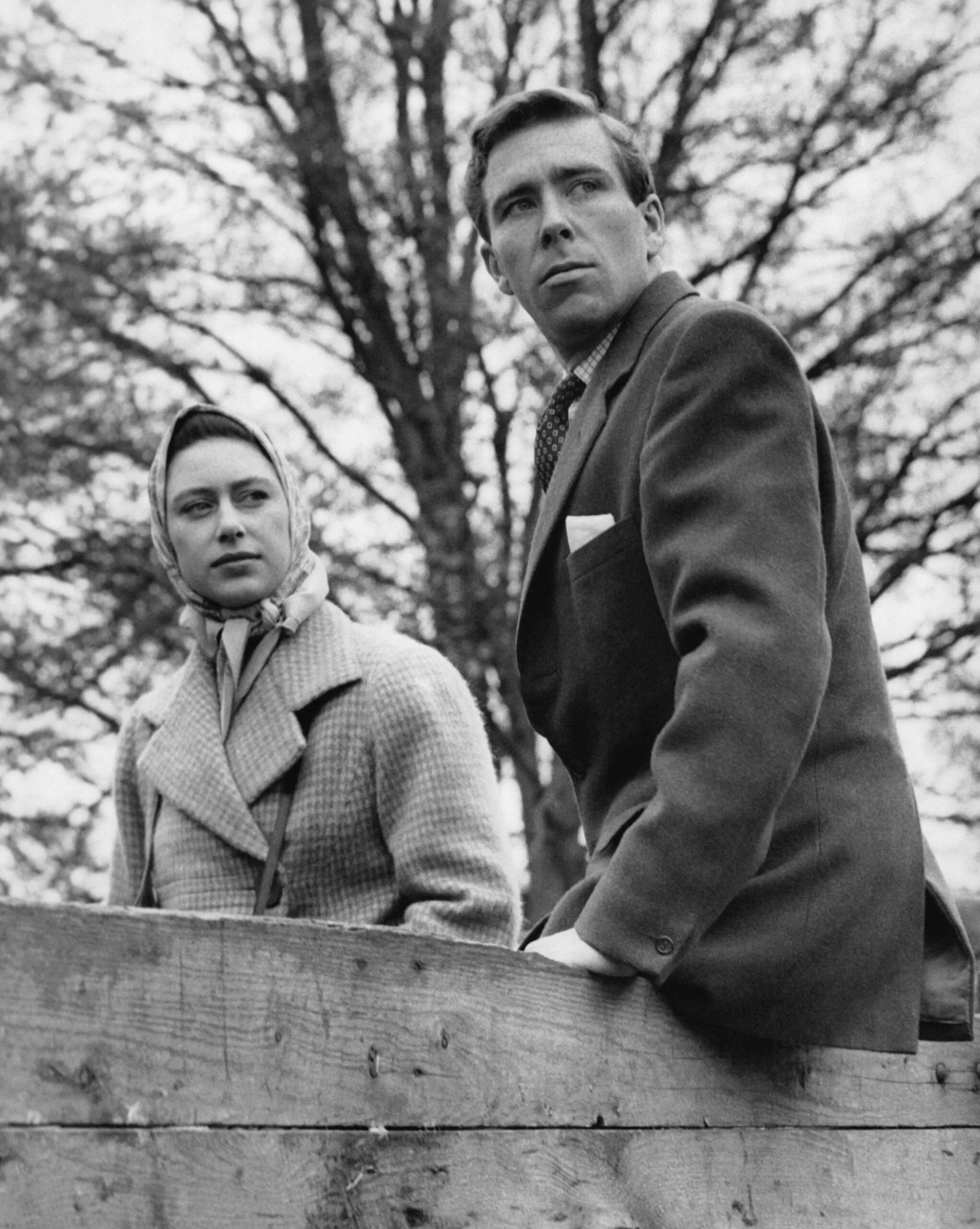
They struggled on, living increasingly separate lives but painfully aware of the damage a divorce would do to the image of the royal family.
In 1973, Margaret, then 43, launched into a very public affair with Welsh baronet’s son Roddy Llewellyn, a gardener 17 years younger than herself. Gleefully portrayed in the popular press as a real-life version of the novel Lady Chatterley’s Lover, the liaison saw Roddy and the Princess smooching in nightclubs and holidaying together on the exclusive Caribbean island of Mustique with Mick Jagger and David Bowie.
When Tony told Buckingham Palace he’d had enough, there were few arguments – and on March 19, 1976, the pair officially separated. But not before the Princess’ team strategically pointed out that Tony had been having a relationship for four years with filmmaker Lucy Lindsay-Hogg.
The marriage was finally dissolved in the London High Court in 1978, ending a taboo against royal divorces which had lasted since the reign of Henry VIII.
Tony went on to marry Lucy, who divorced him in 2000 after discovering that for almost all of their 22-year marriage he had been maintaining a mistress, journalist Ann Hills.
It also emerged that just months before his marriage to Margaret, Tony had fathered an illegitimate daughter by the wife of a British chocolate heir, and later, in similarly secret circumstances, had a son by magazine writer Melanie Cable-Alexander.
Princess Margaret died in 2002, her health ruined by cigarettes, gin and, so her friends would say, the disappointments of a life that never really worked out for her. Yet she and Lord Snowdon had grown closer towards the end and, in the more open royal climate they had helped foster, were able to forgive each other.
For all Tony’s talents and later good works as a campaigner for the disabled, the royal establishment preferred to keep him at arm’s length, and he was pointedly not invited to the 2011 wedding of Prince William and Catherine Middleton or the Queen’s Diamond Jubilee in 2012. He claimed not to mind and preferred to remain what he had been at the beginning – an outsider.

