




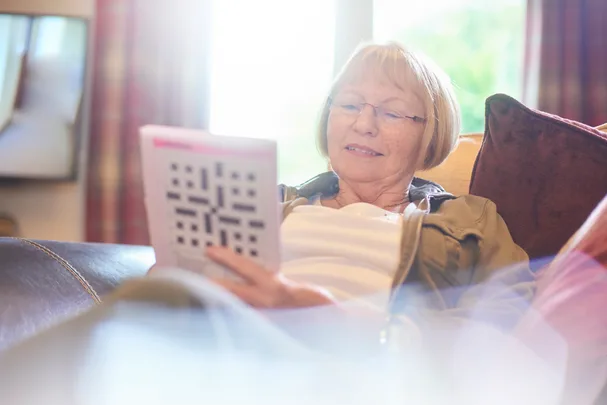
From doing a crossword to joining a club or catching up with friends, simple everyday habits may play an important role in helping us age well.
A new Monash University study followed more than 12,000 Australians aged 70 and over to determine whether staying socially and mentally active could help reduce the risk of frailty in later life.
Frailty is a common condition in older age that affects your strength and ability to recover from illness, injury or other health setbacks.
What the study looked at
The participants were in relatively good health at the start of the study and did not have major conditions such as heart disease or dementia.
Over 11 years, researchers assessed their cognitive function, key disease indicators and physical performance. They also looked at 19 different social, cultural and learning-based activities, from passive activities such as listening to music or watching television to more active forms of mental stimulation, such as doing puzzles, playing chess or using a computer.
The study did not focus on exercise or diet, as there is already plenty of research showing these factors help reduce the risk of premature frailty.
What the study found
The researchers found that socialising and learning were both linked to a lower risk of becoming frail.
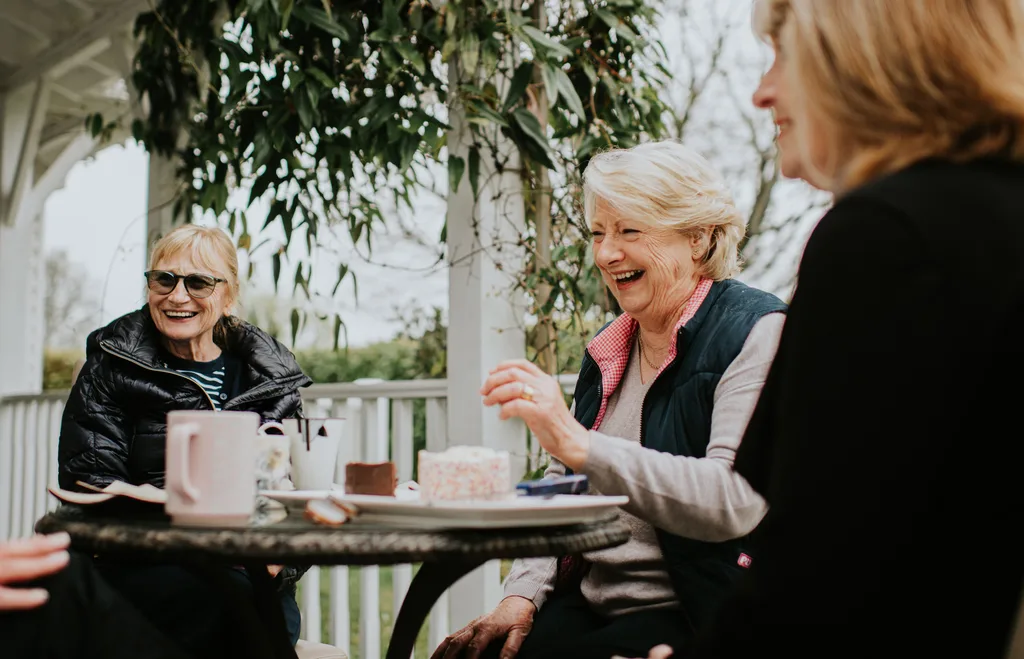
People who belonged to a club or local organisation were, on average, three per cent less likely to become frail over a seven-year period. Having a larger support network also appeared to help, particularly for those who had at least four relatives or friends they could regularly contact or ask for support.
“This may be because both forms of social connection encourage older people to use their brains, and get out and about,” the study authors wrote for The Conversation.
Mentally stimulating activities also made a difference. Playing cards or chess, doing puzzles or crosswords were linked to a four per cent lower risk of frailty, while literacy-based activities, such as writing letters, using a computer or attending educational classes, were associated with a two per cent lower risk.
Women seemed to benefit the most, with these activities linked to a three to six per cent lower likelihood of becoming frail. The same effect was not observed in men.
The study authors note that more research is needed to understand how social and learning-based activities compare with other lifestyle factors, such as physical activity and diet. But they say the findings still highlight the importance of staying connected and engaged.



“These differences are modest but consistent, suggesting that regularly engaging in certain social and learning-based activities could help you stay healthier for longer,” the authors said.

Simple ways to stay engaged
The authors suggest looking for everyday ways to keep the mind active and maintain social connection, such as:
- staying in regular contact with friends and relatives, whether it’s a quick text, phone call or monthly coffee catch-up
- choosing activities that engage the brain, such as reading the newspaper, doing crosswords, playing chess or listening to the radio
- joining a club or group that matches your interests, such as a book club, swimming group or local community organisation
- getting out and about to places such as the library, museum, theatre, restaurant or local community centre

