





The average life expectancy in Australia is around 83 years – a marked improvement on 50 years ago when most Australians could expect to live until about 73 years of age. Innovations in medical technology, high healthcare standards, good nutrition and falling smoking rates are just a few of the reasons why many of us are reaching our eighties and beyond.
But what else can we do to give ourselves the best chance of living a little longer and stronger? We asked some of Australia’s leading medical experts for their top advice.
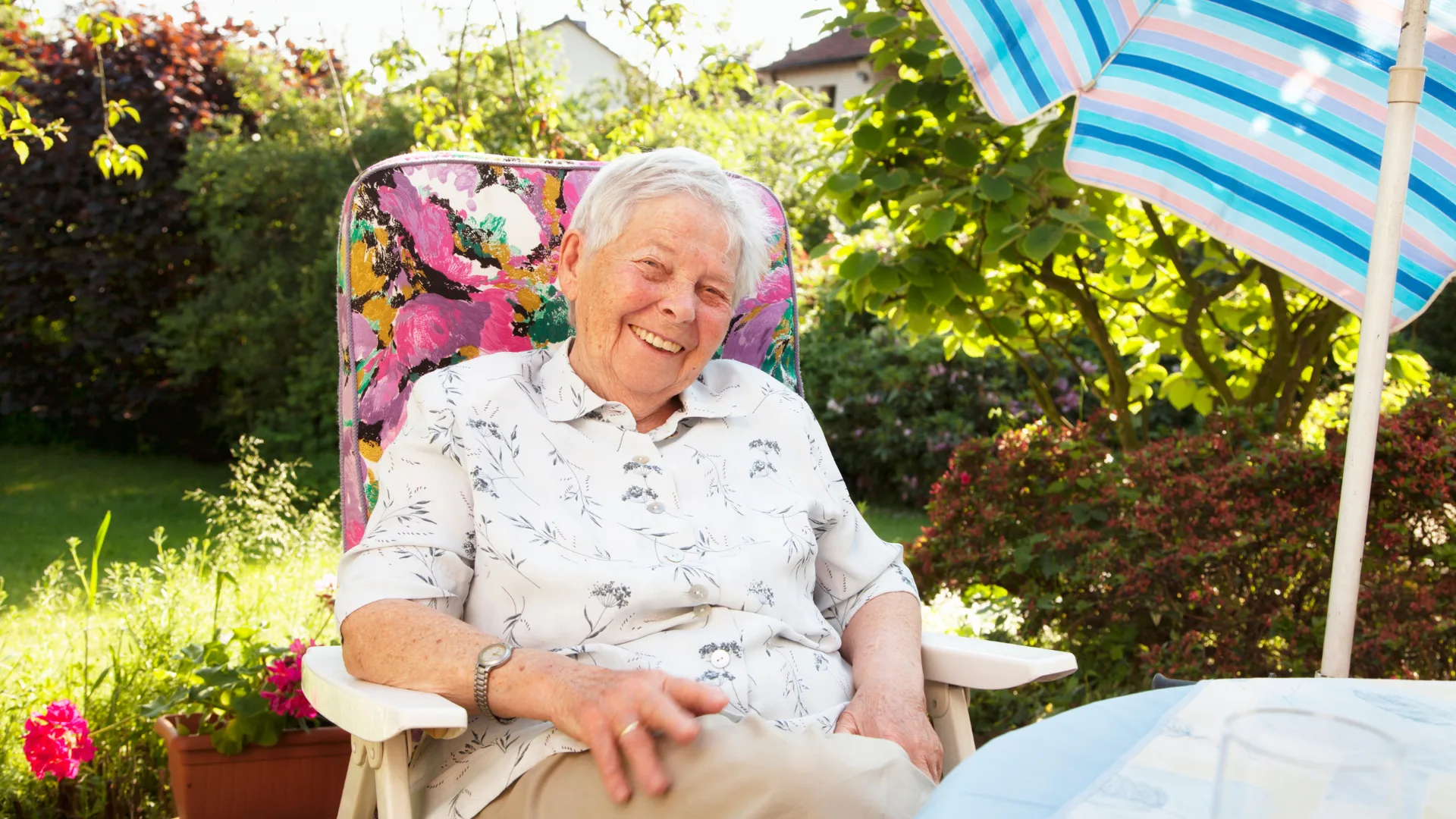
Be happy
Whoever said laughter is the best medicine was right. A Norwegian study of more than 50,000 people found a link between having a sense of humour and living well beyond retirement.
For women, being able to laugh at life was associated with a 73 per cent lower risk of dying from heart disease. Laughter boosts oxygen in the blood, triggers the release of feel-good endorphins and decreases stress hormones. It’s also involved with releasing T-cells that strengthen our immune system.
“If you wake up feeling happy, you’re more likely to engage in positive behaviours – you might go for a walk, eat well, be kind to loved ones and be more productive. Happiness flows to every other area of our life,” says Dr Tim Sharp, founder of The Happiness Institute.
Check your eyes and ears
It’s perhaps a lesser-known fact that poor hearing and vision are risk factors for dementia. People with mild hearing loss are twice as likely to develop dementia compared to people with normal hearing, while severe hearing loss increases the risk fivefold.
“Hearing and vision loss are both risk factors for dementia, maybe because people don’t get as much environmental stimulation. We don’t know the exact mechanisms yet, but optimising your hearing and vision is important,” says Associate Professor Michael Woodward, Director Aged Care Research, Austin Health.
So, avoid loud noise, wear hearing protection in noisy environments, get your eyes and ears checked regularly, and if you’re prescribed glasses or a hearing device, use them.
Walk for life
A Griffith University study found that people aged over 40 could potentially add five years to their life if they were as active as the top 25 per cent of the surveyed group – that generally means doing around five hours of moderate to vigorous exercise each week.
It’s worth the effort as the most active quarter of the surveyed population had a 73 per cent lower risk of death than the least active people in their community. Those who aren’t yet regular exercisers could add hours to their life by stepping out on a more regular basis. The Griffith University study estimates that the least active quarter can gain around six additional hours of life with each one-hour walk.
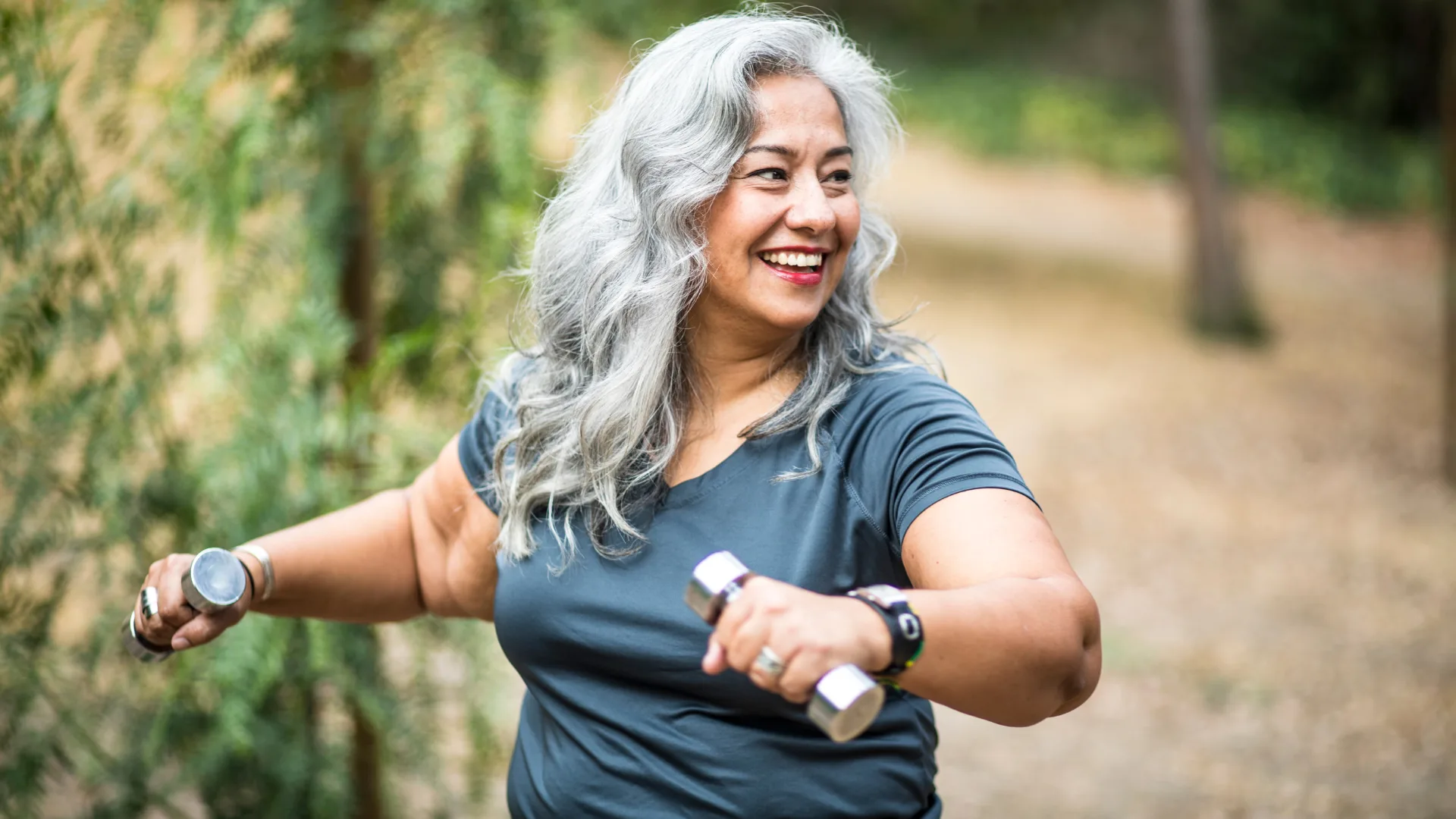
“If there’s something you could do to more than halve your risk of death, physical activity is enormously powerful,” said the lead researcher, Professor Lennert Veerman.


Professor David Dunstan, Head of the Baker-Deakin Department of Lifestyle and Diabetes, suggests finding a “movement balance” each day, by including different types of physical activity and breaking up time spent sitting down.
“Try to get some light activity like housework, gardening or casual walking, and more moderate activity like brisk walking or cycling,” he says.
“Take your phone calls while standing up or use a standing desk, and break up sitting time every 20 to 30 minutes by walking to get a glass of water, stretching or doing a few squats.”
Go Greek and forget the fads
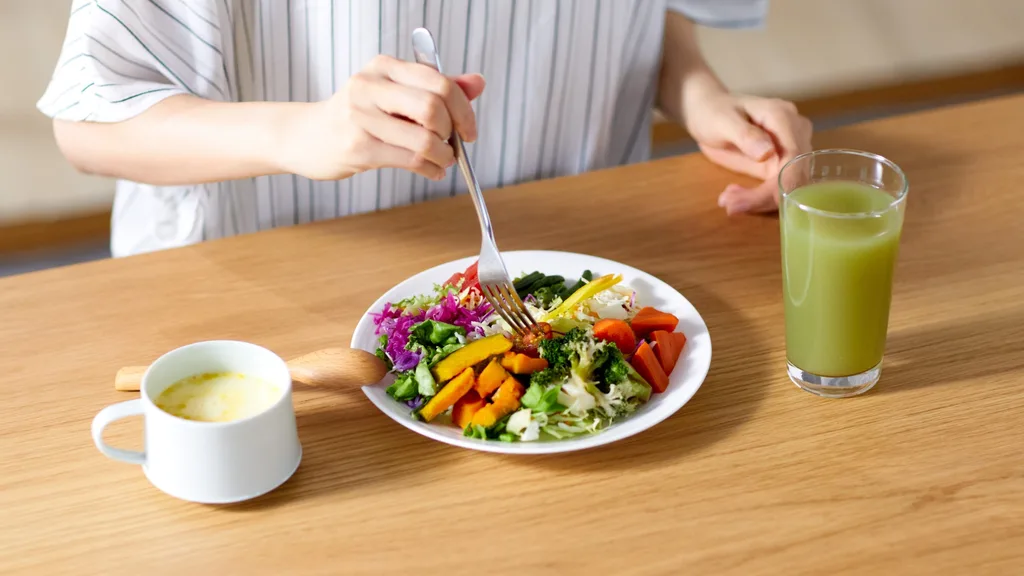
A lengthy national review of the eating habits of more than 9500 women found those who eat a Mediterranean-style diet, or follow Australian Dietary Guidelines, are 40 per cent more likely to live until their mid-to-late 70s. So regularly fill your plate with vegetables, fruits, herbs, nuts, beans, wholegrains and some dairy, poultry and eggs.
US researchers also found certain Mediterranean foods deliver big benefits – people who ate olive oil and avocado had 40 per cent better physical function. On the flipside, regularly eating ultra-processed foods reduces the chance of healthy ageing by 32 per cent.
Clare Collins, Professor of Nutrition and Dietetics at the University of Newcastle, says forgetting fad diets and cooking fresh instead is best.
“Unfortunately, we know that women are relentlessly targeted in their social media and in advertising spruiking unproven diets or supplements. If a fad diet makes promises that sound too good to be true, they most likely are,” she says.
Use AI to help
If you’re unfamiliar with artificial intelligence or AI, Hamid Sohrabi, Director of Murdoch University Centre for Healthy Ageing, says becoming comfortable with technology may improve health and so boost longevity.
“Some apps can be motivating, such as an app that records how many steps you take each day. You can then decide if you’ve walked enough, or if you could walk more,” says Professor Sohrabi.
There are also AI-powered tools that can help you plan a balanced diet, create healthy shopping lists or show how your daily habits are affecting your lifespan – for better or worse. They can estimate your biological age and life expectancy in real time and highlight how to improve those numbers.
Sleep on it
A recent study on sleep patterns and life expectancy found a regular bedtime can literally add years to your life – for women it’s about 2.4 years and for men it’s around 4.7 years. When we sleep, our body and brain restore and recharge. Disrupted sleep patterns can cause inflammation, raise blood pressure and increase the risk of cardiovascular disease. Researchers say establishing a regular time to go to bed and wake up is key.
“Insomnia and other sleep disorders like obstructive sleep apnoea are likely to be a risk factor for Alzheimer’s disease. There’s good evidence that your brain is healthier if you get refreshing sleep each night, which should be six to seven hours for older adults,” says Associate Professor Woodward.

Be a social butterfly
“From an evolutionary point of view, our body is programmed to be mentally and physically active,” says Professor Sohrabi. That means putting down screens, getting off the couch and being part of social activities with friends and family. This keeps our brains active and challenged, and helps us age better for longer.
Whether you organise family gatherings, join a new social group, cook a meal for friends, or take an exercise class, the key is to remain socially active and connected.
“Do things that interest you and that are sometimes outside the box,” says Professor Sohrabi. “Keep your life varied and stimulating.”
This feature originally appeared in the January 2026 issue of The Australian Women’s Weekly. Subscribe so you never miss an issue.

