


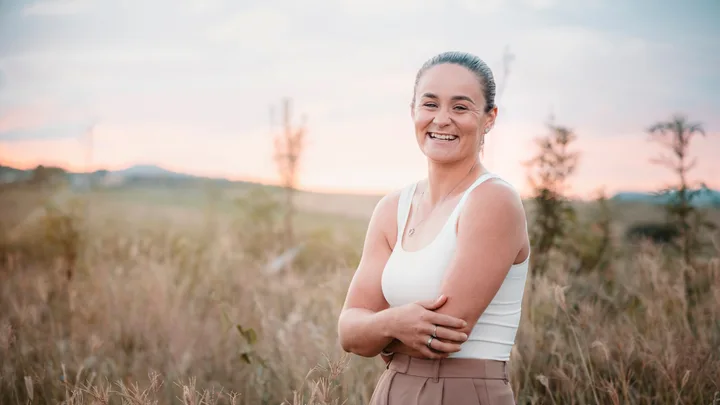
At a glance…
- In October 2026, Ash Barty AO was inducted into the Tennis Hall of Fame!
- The proud Ngaragu woman shocked Australia when she retired from tennis at the height of her career at just 25 years old.
- In this interview, from the December 2022 issue of The Australian Women’s Weekly, she explains why she retired, what she hopes for her future and the emotional journey which is captured in her memoir, My Dream Time, available now.
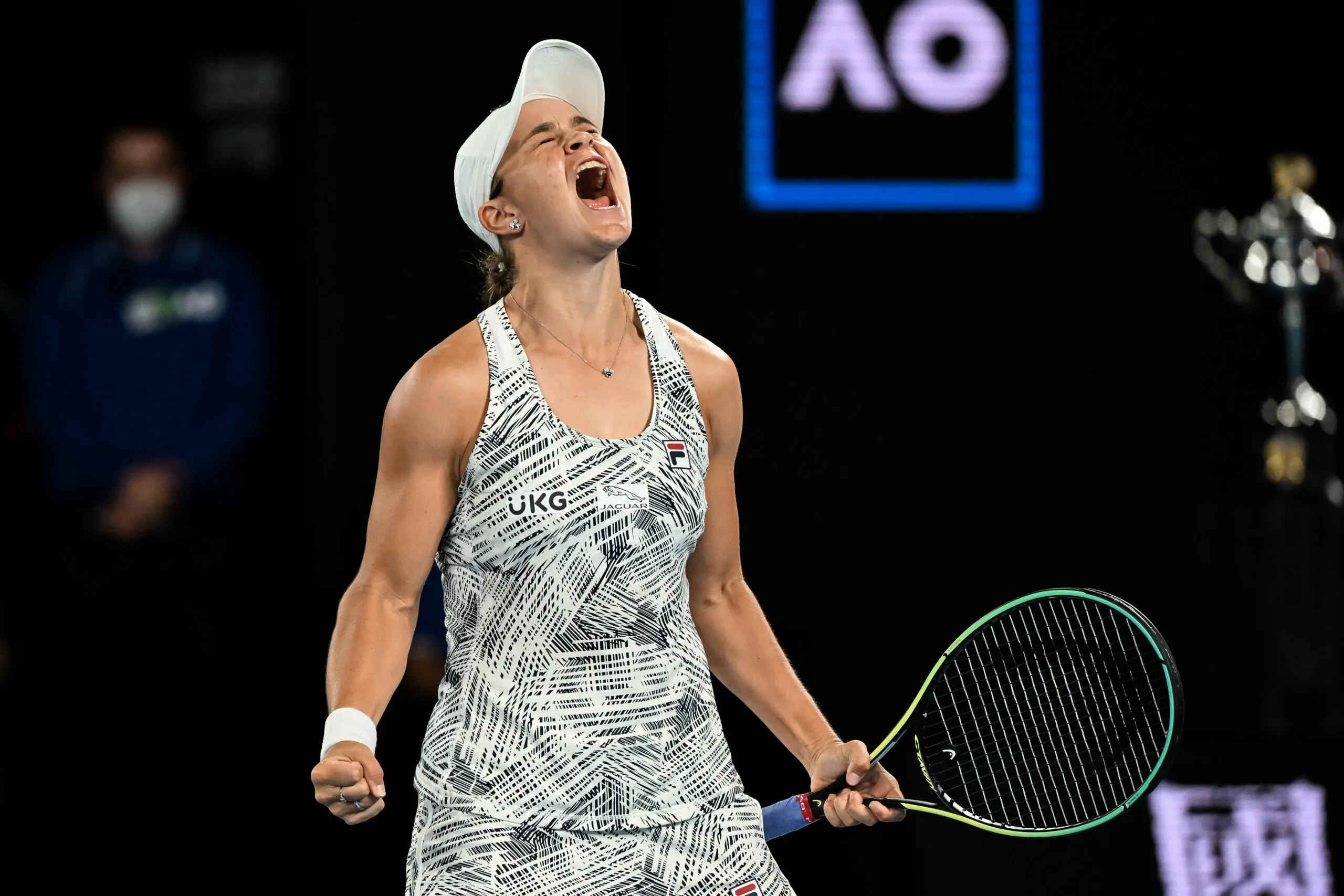
On her tennis journey, Ash Barty captivated the nation. A fighter whose inspiring humility was matched by heart-stopping tennis. Ash seemed to learn from every loss and grew taller with every win, and all the while her sportsmanship shone brightly, a beautiful role model for kids to emulate.
When she played on Wimbledon’s Centre Court, the pinnacle of tennis achievement, Ash was greeted with that famous Rudyard Kipling poem etched on the wall: “If you can meet with triumph and disaster and treat those two imposters just the same…” Well, Ash could and did. Win or lose, she was a breath of warm Aussie air in a world of immature egos. Ash reached into our souls. So, it was a big shock when, after winning three singles Grand Slam titles – including Wimbledon and the Australian Open – and ranked number one in the world, Ash announced her retirement from tennis in March. What was going on?
The journey to that monumental decision is explained in a raw and courageous memoir called My Dream Time, and as we soon learn, while there was joy and laughter in her rise to the top, there was also untold pain and heartache.
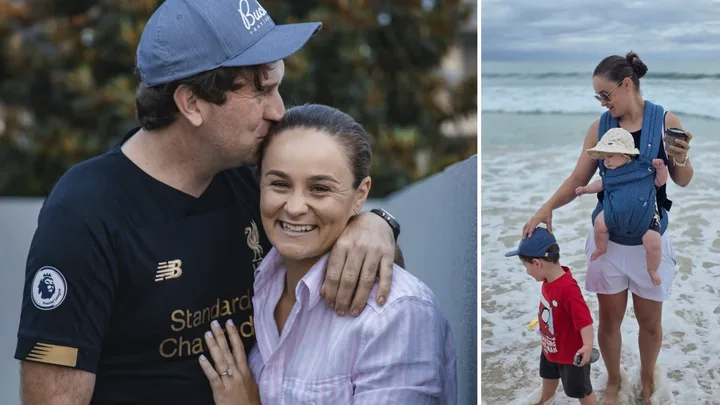
“It’s been a little bit scary to open up and feel like I’ve been so bold, but I hope people can enjoy that,” Ash tells me, now happily settling into home and family life back in Queensland with husband Garry Kissick, whom she married earlier this year. “I hope people can have a little bit more insight into my life and my career and the reasons why I made the decisions that I did.”
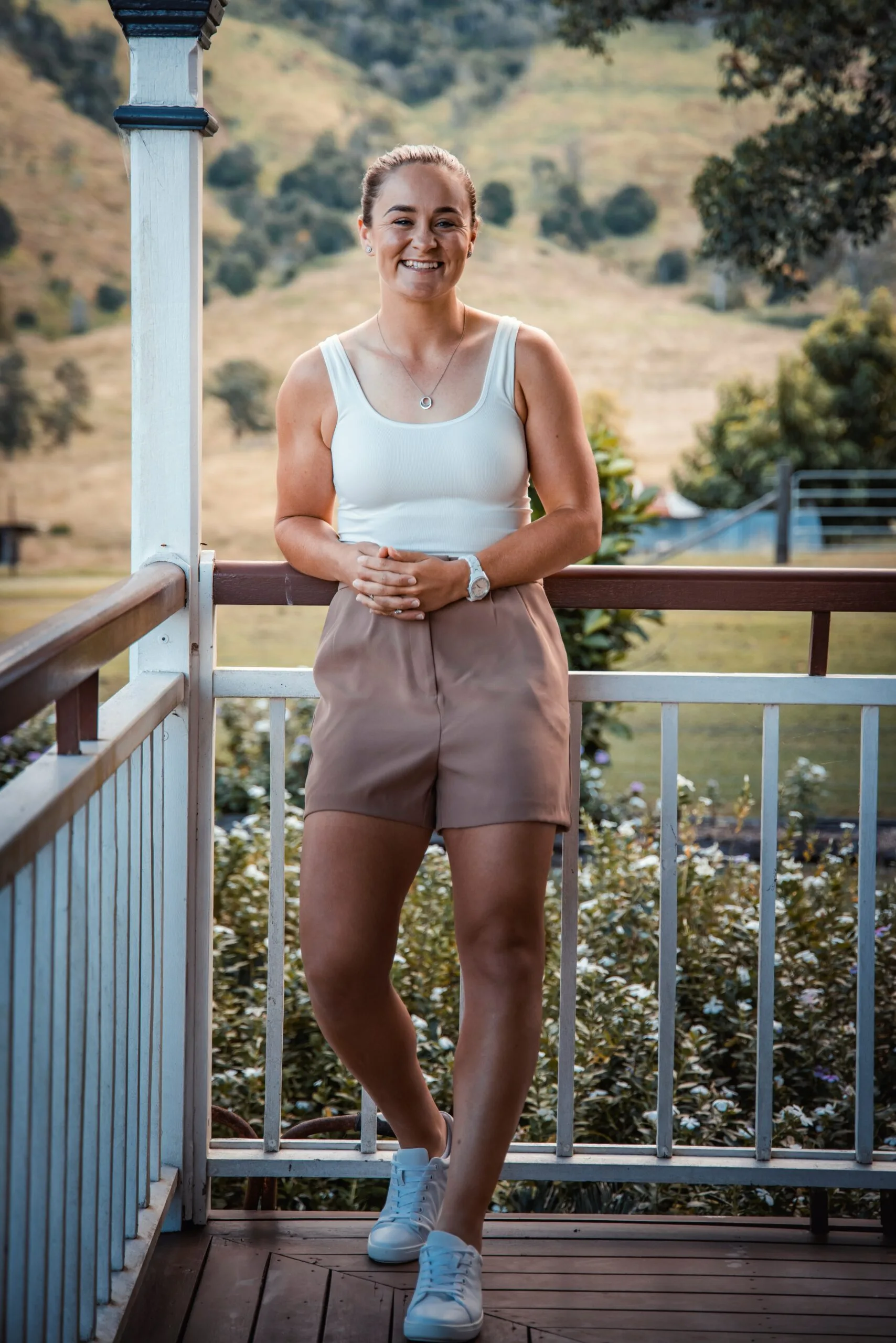
Ash started writing the book several years ago. “It was with the thought of maybe one day I would [publish]. I may only be in my mid-20s, but I felt like I learned so much through my 20 years of playing tennis. It was really important to me that I was able to share those experiences with everyone – everyone who was kind enough to follow my journey and everyone who lived through it with me.”
True to form, Ash is not afraid to wear her heart on her sleeve and talks about the two voices in her head that have always been with her on court.
“One whispers, ‘Ash, you’re not good enough,’ and the other replies, ‘Yes, you are – come on, Ash!’ … One voice cuts deep into my confidence, undermining whatever goal I want to achieve. The other lifts me, underpinning everything I’ve achieved so far. They’re so familiar, so convincing, so confusing.”
Ash starts My Dream Time with a watershed moment from her third-round match against Daria Kasatkina at Wimbledon in 2018. The “hateful doubting voice” has drowned out “any hope or belief”, and Ash loses the match. But it isn’t the loss that cuts deepest; it’s the panic that takes hold of the then 22-year-old. “I shake my head and grimace, and I backchat with my box – with my family and friends and supporters, and mostly with my coach … I get snappy,” she writes. Afterwards, Ash is devastated; she feels she has lost her dignity.
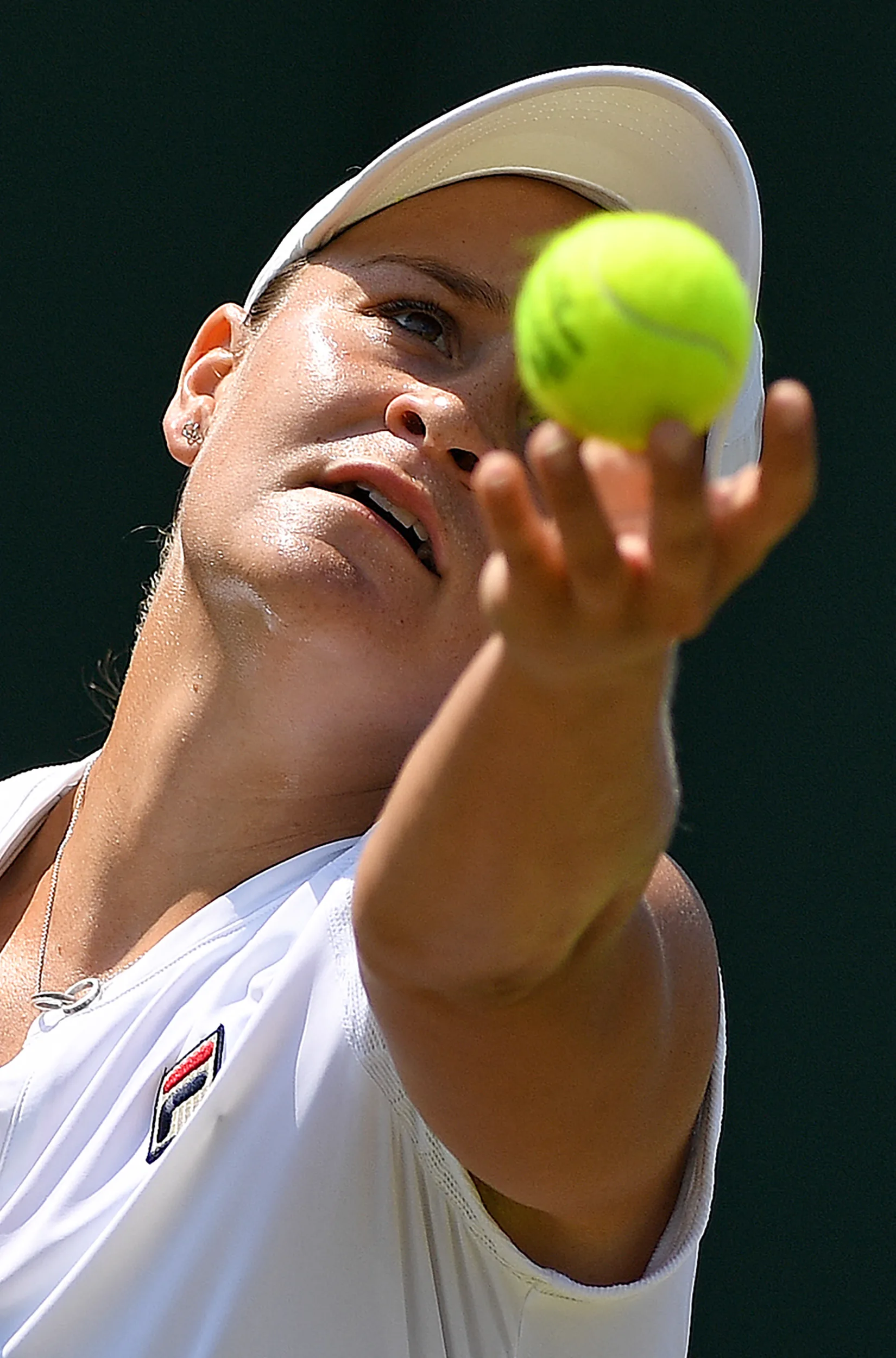
“I cry myself to sleep that night, embarrassed and ashamed. Bereft, really. I can’t look at myself in the mirror,” she writes. It’s a powerful opening. Playing tennis for Ash is not just about winning, but about being her best self. She feels she has let everyone down.



“That was a very big turning point for me. A lot happened from the moment I picked up a racquet to getting to that point [in the match], but I think that was probably the biggest shift in how I saw my life and the perspective that I had on my life and my career,” she says.
Learning from her darkest moments underpins who Ash is, but the chirpy little Brisbane girl who fell madly in love with tennis aged five and dreamed of winning at Wimbledon is there every step of the way. Wimbledon became her favourite tournament, a second home, and in many ways it encapsulated her hopes and dreams.
“I will never forget the first time I walked through the iron gates with the gold ‘All England Lawn Tennis Club’ letters on them; I couldn’t quite believe it. I have so many
incredible memories at that beautiful tournament,” she recalls. “I have so many heartbreaking memories as well, but I look back now, and I often think it’s a place that shattered my heart into a million pieces, but it’s also the very place that put it back together and made it whole again, so it’s always going to be my favourite tournament.”
While tennis was undoubtedly her calling, as the youngest of three sisters in a close-knit family, Ash often felt lonely and isolated while training or on tour. She also had to grow up physically in a challenging environment. “I had massive insecurities about my body, which developed, as they often do for girls, when I was around 13, maybe even younger. When I was away from home on tour, I had no awareness or routine for play, and therefore no normal routine for meals, so I overate.”
Ash remembers particularly tough times at age 15, sharing a locker room with “athletically gifted and aesthetically beautiful goddesses from South America and Eastern
Europe”. The girls would walk around naked while Ash hid away, changing in a shower cubicle. “It’s a subject that not a lot of people are comfortable talking about, but when you can learn about it and speak about it more openly, it’s an opportunity for all of us to become more educated and more comfortable,” she says. “It was intimidating at the time because it was so abnormal to me. But those experiences, as tough as they were, helped me understand that later in my career I was able to shape my body into a weapon and really use it effectively.”
Ash says it was also a lesson in celebrating imperfections, something that has become a bit of a mantra for her. “As human beings we’re all imperfect in our own way, and I think if this can help just some young boys and girls, some people realise that that’s okay and it’s absolutely normal to be imperfect. It’s important that we celebrate it, and if I can help by sharing my story, that kind of rubs off on someone and makes them feel a bit better or gives them a different insight or a different positivity.”



When Ash was seven, she and elder sisters Ali, then 10, and Sara, then 12, were told by their father about their First Nations ancestry. Their great-great-grandmother Nancy was a Ngaragu woman. It was a powerful moment for Ash. “It helped me understand why I had darker skin and a squishy nose,” she says, but more than that, “it felt right” and “pretty cool”.
“It’s part of me,” she muses. “I was probably too young to understand it right at the beginning. I’m a very proud First Nations woman, and I think it probably hit home a little bit more when I went to see Uluṟu for the first time.” Earlier in 2022, Ash went to Alice Springs for the Racquets and Red Dust program, bringing tennis to Indigenous children.

“I’d never felt so connected to a piece of earth before, and I think that was quite exceptional for me to feel and to understand. That trip to the Northern Territory to see the heartbeat of our nation was something that I’ll never forget. I can’t quite understand why it took me so long to get there, but it felt like it was the right time and I’m a big believer in everything happens for a reason, timing is everything.”
Now back in Australia for good, Ash is relishing time spent with her family and especially six-year-old niece Lucy, who has already caught the tennis bug. “Lucy is an incredible source of energy for me. She is my little star. She’s a little girl who has this ability to keep me honest, to keep me open and humble and curious and compassionate and driven. She’s an exceptional, intelligent little girl and I love the fact that she loves tennis,” beams Ash.
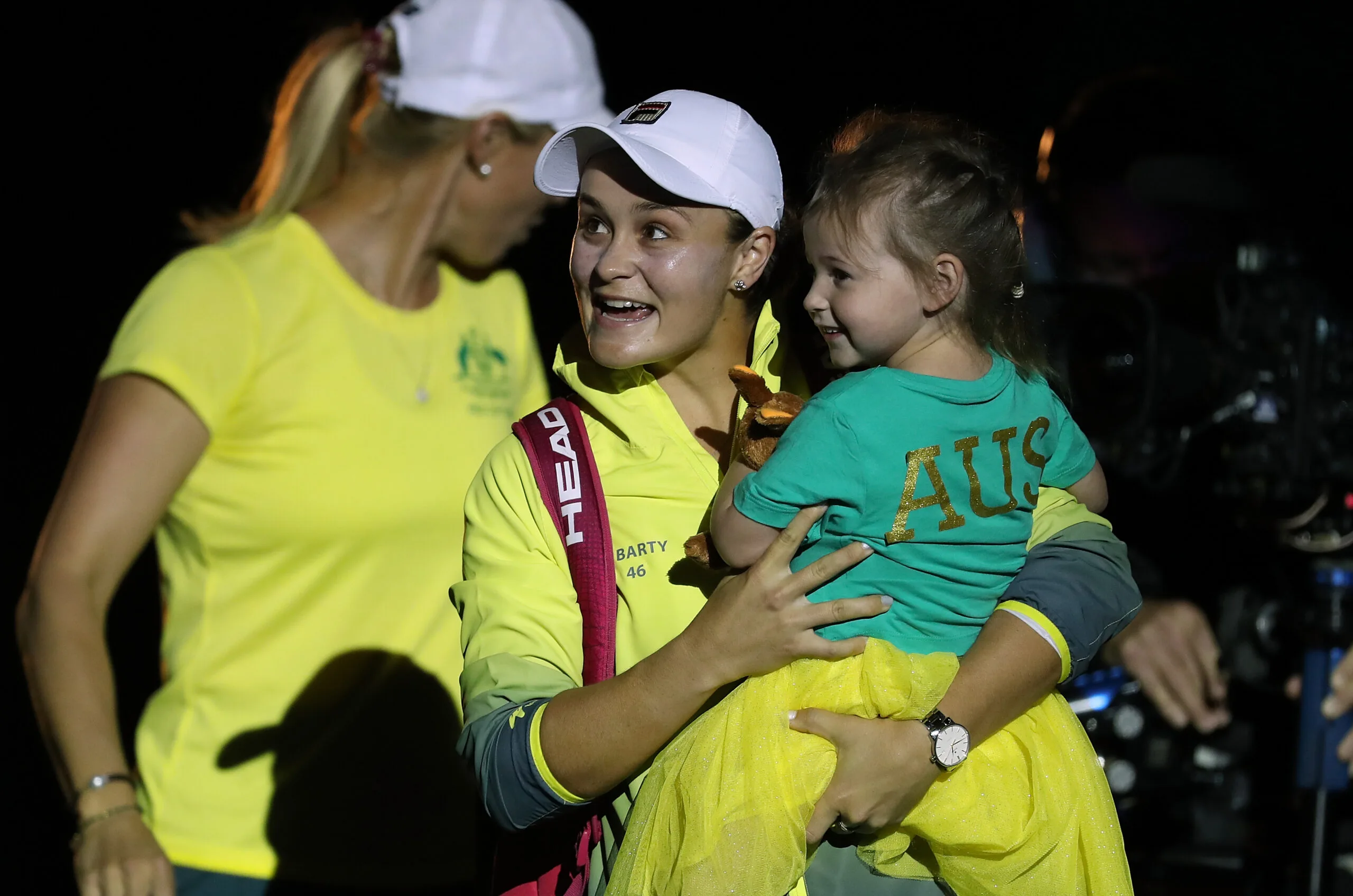
Ash doesn’t know what lies ahead, but working with kids in sport is on the agenda, something she’s already started with her series of kids’ books, Little Ash. In the meantime, she is enjoying reconnecting with her country.
“It’s a beautiful day outside. The wind’s blowing, a blue sky and the start of spring. I live in the best place in the world. I’m glad there are no more boxes to unpack at home, and we’re completely absorbed and present in our lives. We are very lucky.”
My Dream Time by Ash Barty, published by HarperCollins, is on sale now.
This feature was originally published in the December 2022 issue of The Australian Women’s Weekly. Subscribe so you never miss an issue.

