





Our healthy appetite for berries has prompted national regulators to suspend the use of a key pesticide on blueberries, raspberries and blackberries – a move that has left growers scrambling, and shoppers wondering whether their favourite fruit is still safe to eat.
The Australian Pesticides and Veterinary Medicines Authority (APVMA) announced an immediate suspension of certain dimethoate products used on berries, after new data revealed Australians are now eating far more berries than when safety limits were originally set.
According to the regulator, the sharp increase has eroded the safety buffer between how much dimethoate residue people are exposed to and what’s considered acceptable.
Banned by the European Union in 2019 and classified by the United States Environmental Protection Agency as a ‘possible human carcinogen’, dimethoate has long been an approved insecticide used on various crops here. But APVMA CEO Scott Hansen said that updated consumption modelling changed the picture.
“The volume Australians consume has significantly eaten into the safety buffer between exposure and risk,” he told the ABC.
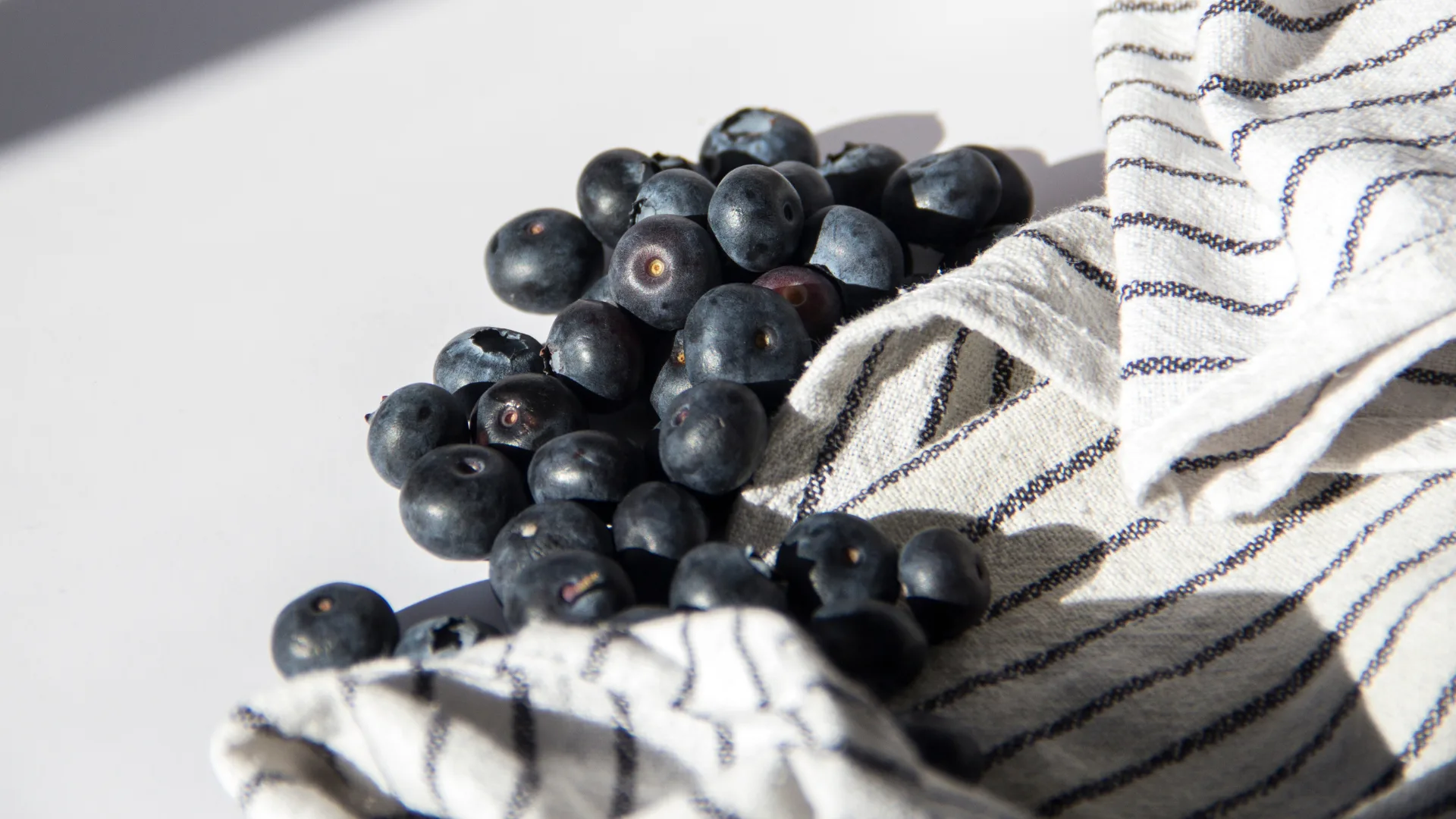
For years, Australia relied on outdated berry-consumption data, but research shows berry intake in Australia has surged dramatically, with consumption of blueberries, raspberries and blackberries rising between 285 per cent and 962 per cent since 2016.
While the regulator maintains that recent supermarket tests show berries are safe to eat, the rapid rise in consumption meant risk margins were no longer as robust as they once were, prompting what the APVMA describes as a “precautionary measure”.
Are berries still safe to eat?
Yes. Experts agree there’s no need to throw out your berries or avoid them altogether. They remain a nutritious, antioxidant-rich part of our diets.
The APVMA and food safety authorities have not advised a recall, with the suspension only affecting how growers manage crops moving forward.
However, the situation is a good reminder that rinsing almost all fresh produce is wise to make sure they’re not harbouring any pesticide residue, dirt, or bacteria before they’re served up.

How to make sure berries are safe before eating them
Rinse under running water


Give berries a thorough rinse under cool running water just before eating. Don’t soak them – they’re too delicate – but gently turn them over with your hands to ensure all sides are rinsed.
Check for damaged berries
Soft, split or mouldy berries are more likely to harbour bacteria or retain residue. Remove any spoiled berries as soon as you open the punnet.
Store correctly
Keep berries refrigerated and eat them within 1–2 days for peak freshness and minimal bacterial growth.
Mix up your fruit intake
Varying the fruits you eat reduces repeated exposure to any one potential residue.
Choose organic if you prefer
Organic berries may still contain trace environmental residues, but some shoppers find the certification reassuring.
Wash even ‘pre-washed’ fruit
A quick rinse at home is always worthwhile – even when the punnet suggests otherwise.

