




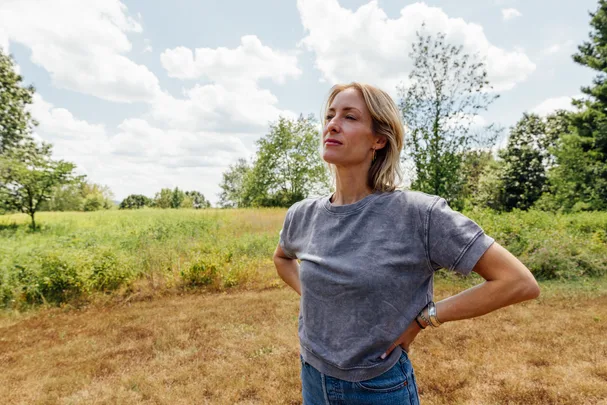
At 42, Candice Needham has started to notice changes in her body.
“There’s been a massive drop in energy, waking up multiple times throughout the night, much lighter periods lasting for just one or two days, and the most recent being super sensitive and sore nipples!” she tells The Weekly.
Like many women in their 40s, Candice is working out whether these changes are the first signs of perimenopause – the hormonal transition that can begin years before menopause itself.
“For years, I put down lack of sleep and tiredness due to a number of stresses I was going through,” she says.
New Withings data from 48,000 Australian women suggests more than 40 per cent may be missing the early signs of menopause because one of the most obvious health markers – weight – may barely change.


The findings come as the federal government launches Australia’s first national menopause and perimenopause campaign, aimed at helping women better understand symptoms, access trusted information and feel more confident seeking care.
The changes the scales miss
Many women look to the scales as a sign their body is changing. But during perimenopause and menopause, weight doesn’t always tell the full story.
Livia Robic, women’s health specialist at Withings, describes it as the “mirror illusion”.
“You think that if your weight hasn’t changed, your health hasn’t either.”
The analysis found that body weight stayed relatively stable across midlife – rising by just two kilograms on average – even as changes were happening beneath the surface. Fat mass increased, muscle mass declined and visceral fat – the fat stored around the organs – rose by 60 per cent.
“When muscle mass falls, it impacts metabolic rate and bone density. Simultaneously, the rise in visceral fat increases the risk of type 2 diabetes and heart disease.”
She says the early signs of perimenopause and menopause are often mistaken for something else.
“Women might attribute things like fragmented sleep, night sweats or a decline in heart rate variability to stress or a busy lifestyle, when in reality, these are often the first biological markers of the hormonal transition,” she explains.
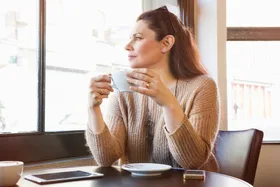

Perimenopause typically begin in your 40s, although symptoms and timing vary.
“In your 40s, the decline in oestrogen reduces its protective effect on the heart and metabolism,” Livia says. “If we only track weight, we miss key changes like rising arterial stiffness and metabolic shifts that contribute to long-term chronic disease.”
How to look after yourself
The first step is to rethink movement, not just do more of it.
While walking and daily movement are important, Livia says resistance training becomes especially important in midlife.
“High step counts are an excellent starting point, but resistance training is essential to preserve muscle mass,” she explains.
Try weights, resistance bands, Pilates, bodyweight exercises or strength-based classes — anything that helps maintain and build muscle.
Livia also recommends paying attention to “the things the mirror misses”, such as blood pressure trends and sleep quality.
Women should speak to their GP or a women’s health specialist if they notice persistent changes in their baseline, including new sleep disruptions, unexplained changes in fitness recovery or irregular cycles.
“It’s always best to be proactive and not reactive with your health,” Livia advises. “So don’t wait for the hot flushes to start.”
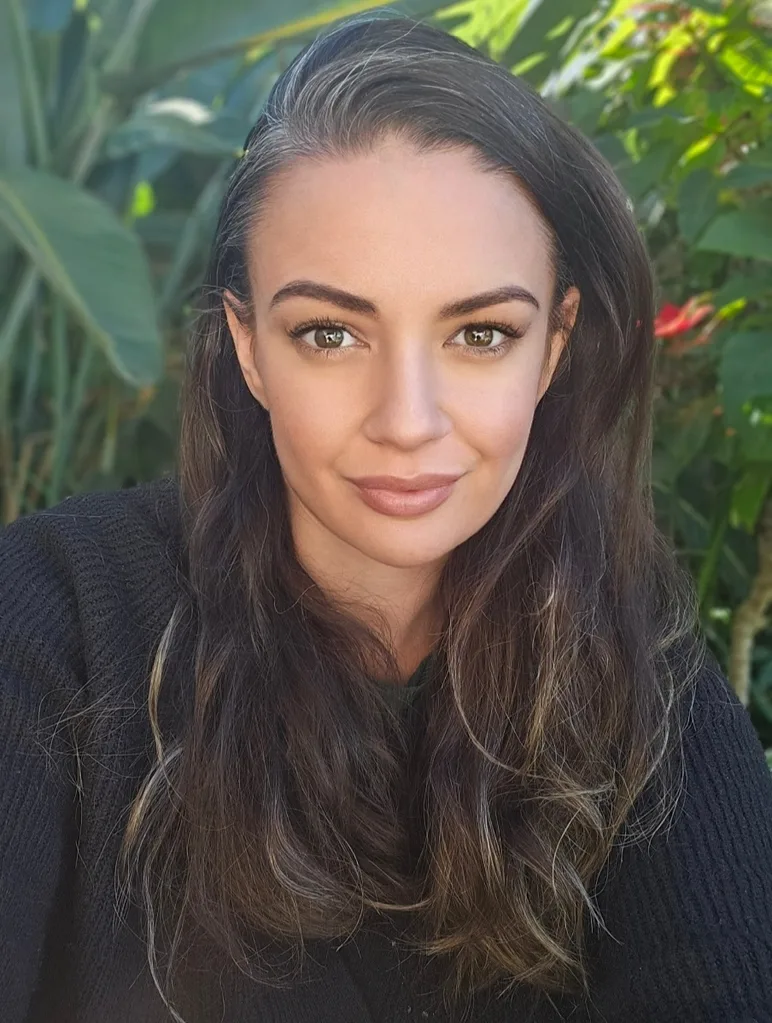
For Candice, who is in the midst of navigating these changes, the focus is on taking a little time for herself each day.
“This usually involves a scorching hot shower, with a good lather and a scrubbing brush, because why does it feel so good to scrub your body hard with one of those bath brushes?” she says. “Followed by a ridiculous layer of body lotion and any kind of lip mask or balm.”
She is the first to admit she is still learning as she goes.
“I am the last person who should be giving advice, as someone who is way too busy to ever take their own!”
But her advice to other women is simple: listen to yourself.
“Remember to trust your strength,” she says. “You’ve been through 40-plus years of womanhood already. You can and will get through this too. Be kind to yourself.”

