





Family estrangement has impacted the Beckhams, Drew Barrymore, the Duke and Duchess of Sussex and Jennifer Aniston. Most recently, Lizzie McGuire actress and singer Hilary Duff revealed that she was also not on speaking terms with her sister Haylie Duff. In fact, her song “We Don’t Talk” from her latest album, which she is touring in Australia in 2026, is about their relationship.
“My sister and I don’t speak. And I think in my adulthood I’ve come across more and more people that are having this experience,” she said on the podcast, On Purpose with Jay Shetty. “As painful as it feels to share, when I decided to make this record, I could only talk about the things that I’ve gone through.”
“But yeah, that is, it’s a very vulnerable song, and it’s a very raw part of my existence. I hope it’s not forever, but it’s for right now.”
And outside of these high-profile celebrities, a growing number of people are turning their back on parents, siblings or grandparents whom they come to view as toxic and damaging. Instead of Sunday dinners and celebrations, there are months or years of stony silence.

While many feel shame in admitting they are cut off from someone in their family, on social media, more and more people are sharing their estrangement stories. Rather than hiding their ‘no contact’ with a family member or two, they’re showcasing why they’ve walked away.
Clinical psychologist Joshua Coleman has written about the rise in family estrangement in society and on social media and believes it is partly due to changing views on what harmful or neglectful behaviour looks like. Experiences within families that were once considered harmless are no longer being tolerated. Researchers also point to over-sensitive and narcissistic millennials being too swift to take the easy way out.
Is everyone estranged now?
“I think it’s becoming more common, and troublingly, I think it’s becoming more acceptable and accepted,” Joshua told National Public Radio. “There’s a kind of social contagion that happens through Instagram and TikTok and Reddit where cutting out your toxic family member is becoming an act of personal expression and identity, rather than what it often is, which is an expression more of avoidance.”
Jane* never imagined there would be a day when she wouldn’t call her mum or text a joke to her brother. Despite living on opposite sides of the world, the three were close.
“I migrated to Melbourne years ago, and back then, phone bills and flights home were crippling. But I felt it was up to me to make the effort and to ensure Mum knew her only grandchildren,” says Jane, 47.
“I’ve always been the organiser – my brother is single, lives at home and doesn’t organise anything. When Dad got sick and died five years ago, I flew backwards and forwards to look after him and arrange his funeral. I was happy to do that, but I also knew it was expected.”
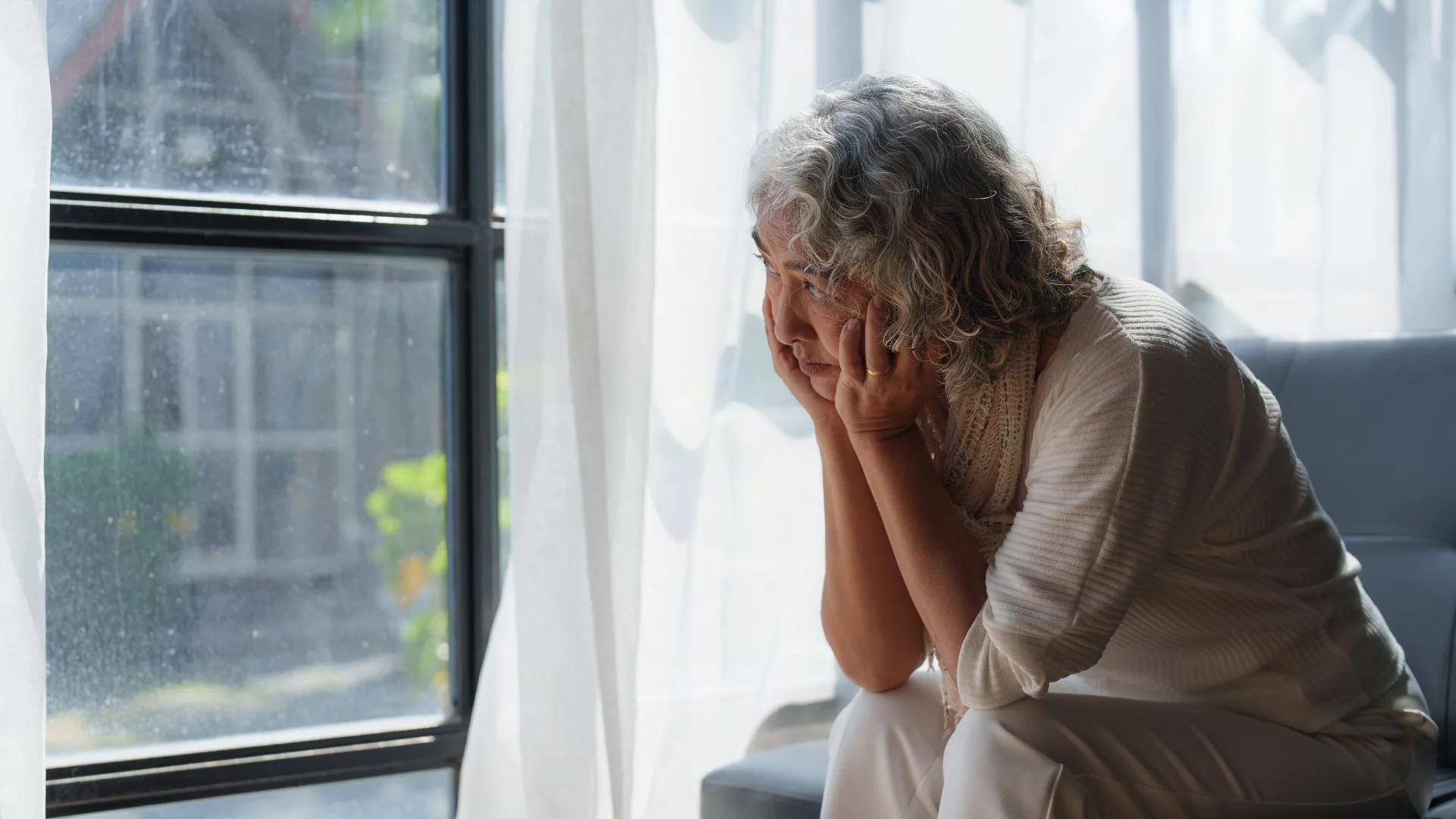
But since 2023, Jane has had no contact with her mother or brother.

“During that trip home, a TV advert appeared about making a will. Dad died without a will, and it was a headache. So I casually reminded Mum to make a will,” recalls Jane. “I was shocked when she said she’d done it, and my brother would manage that. She was very dismissive, and it was really hurtful to know I’d been excluded from that process. If that advert hadn’t appeared, I still wouldn’t know Mum had a will.”
After a sleepless night, Jane spoke to her mum about her hurt feelings. Her mother waved her feelings away and then added she was leaving her assets to Jane’s brother.
“My brother and I always said we’d share the house because we both grew up there. He’d live there, and I’d stay sometimes, and we’d share expenses. But that secretly changed,” says Jane. “Them both thinking their secrecy was okay was the final straw. My brother was always Mum’s favourite – it’s a standing joke with the extended family – but that was too much. I cut the trip short, and a few weeks later, I called Mum and respectfully told her how much she’d hurt me.
“The only communication since then has been a nasty voicemail from her calling me ‘a money-grabbing little cow’. She still doesn’t understand the hurt, and she’s cut off her grandchildren, too. Everyone has lost.”
Why estrangement happens
Estrangement – temporary or permanent – impacts around one in five families, says Adelaide clinical psychologist Tamara Cavenett.
“We make a natural assumption that biology means we will always be in each other’s lives and that to be a family member means, no matter what happens, you stay. That’s not the case for everyone,” says Tamara.
“Estrangement can happen at different life stages – a young adult might have a different lifestyle that creates conflict and separation, or an older child marries, joins another family, and parents have different feelings about the new person in their child’s life.
“A parent or adult child may set boundaries or rules that sound small but mean a lot to them, and those boundaries get ignored by a family member. Repeated violation can cause estrangement.”
Divorce can also lead to a family split, as can high emotions and different values.
“Parental separation can divide children who take sides, and if a parent remarries, children may not accept their new partner,” says Relationships Australia NSW CEO, Elisabeth Shaw.
“An escalation of oppositional views, poor conflict management, volatile emotions and rigidity can all lead to estrangement. In moments when people stop listening to each other, or stop being compassionate and willing to compromise, families can splinter.”
The impact of estrangement
The Hidden Voices is a report by the University of Cambridge Centre for Family Research and Stand Alone. This UK charity provides support to those experiencing family estrangement. The Hidden Voices report found there are impacts for those initiating the separation and for the family they distance themselves from.
Grief, loss, anger, hurt and missed milestones – the effect of estrangement can be deep. “For child-parent estrangement, particularly, milestones get missed. A child may not have a parent at their wedding, or parents may miss the birth of a grandchild. There is a loss of hopes and dreams about how you thought life would be,” says Tamara.
Hidden Voices found 68 per cent of people felt estrangement brought stigma, too. They felt judged for contradicting society’s expectations, and assumptions were made about who was to blame.
“There’s an illusion that all families are close and functional, and there’s a negative identity to having an estrangement,” says Stand Alone CEO Becca Bland.
“I think the stigma often stems from the fact that other people don’t understand the decision. People think that because the other family member is still alive, you can simply reconcile. They assume you could go back and have the relationship you want, but that other person being alive doesn’t mean a relationship is possible.”

Sibling separation and secrecy
“My father and his younger sister have been estranged for close to a decade,” says Kath*, 58. “Growing up, they were the best of friends, and they’ve seen each other through marriages, divorces and deaths.
“But when a trivial argument brought up a long-buried childhood grudge, they couldn’t find a middle ground and ceased talking. Neither of them will apologise or budge from their wildly differing points of view.”
The divide between Kath’s father and his sister, now both aged in their 80s, has had a ripple effect on Kath, her cousins and her own children.
“Me and my cousins grew up almost like siblings – we were always in and out of each other’s houses. Now we need to support our own parent – it’s been difficult for me because I’ve always had a special relationship with my aunt but it makes communication tense now, which is really distressing,” says Kath.
“Now every time we celebrate a big family event, everybody holds their breath. The tension is palpable and takes the joy out of what should be great times together. It breaks my heart that they are refusing to resolve this and, sadly, I don’t hold out hope that they will.”
Coping with grief and loss
Elisabeth says estrangement creates feelings of deep loss and discomfort for everyone. “There is almost always grief, a longing for things to be different and wondering whether things could change,” she says.
“If there has been a bad argument and storming off has led to months or even years of estrangement, there’s a lack of resolution – ‘maybe I should try again’ or ‘I’d go back if only they’d apologise’. People get stuck in feelings of ‘I had to do this because the other person let me down,’ rather than thinking ‘we were caught up in something together and maybe I can play a part in the solution’.
“The longer the estrangement lasts, the more it can feel like a hill that’s too hard to climb and can be magnified by things that are missed like weddings, birthdays and Christmases.”
Becca says family members experience stages of grief. First is disassociation as people move away from a relationship but struggle with the lack of contact. Then come feelings of anger and sadness, before letting go of ideals about what our family relationships should be.
“The pain of estrangement is often from the comparison between what we’ve been taught to expect and what we have. Comparing ourselves to others and ideals can cause much pain,” she says.
The final stages in the process are feeling strength and peace. Becca says time can heal. “I work with parents who have children in their 20s whom they are estranged from, but those children don’t yet have the relevant life experience to understand relationships and to have empathy.
“Time can bring life changes that bring perspective. People grow, develop a different sense of adulthood and let go of some of the resentment and anger.”
Finding a way back after estrangement
Daniel* cut ties with his mother in his early 20s. They didn’t speak for 10 years, until his first child was born. He says reconciliation was only possible with time and the willingness of both to accept their role in the breakdown.
“Mum’s a strong woman. Dad had a patchy work history, and Mum had to work and pay for everything. She did everything – drove us to footy and swimming lessons and packed our lunches … it’s only now I have a toddler and mortgage that I realise how much was on her shoulders,” says Daniel, 35.
As the oldest of three boys, Daniel was a key support to his mother. But he had a strong character. When he began to experiment and rebel, his behaviour caused ongoing clashes with his mum. One night, Daniel took his mum’s car without her permission and refused to return it, and she called the police. No charges were laid, but Daniel left home.
Neither would back down, and a decade of silence followed. In that time, Daniel got engaged and married. When his son arrived, he realised he didn’t want him to miss out on a relationship with his grandmother.
“It was awful to not have Mum at my wedding – that’s a moment we’ll never get back, and there will always be sadness there. When Jake was born, I kept thinking about Mum and realised everything she’d done for me, and I called her,” says Daniel.
“I told Mum how I’d felt she was controlling every aspect of my life back then, and she said she hadn’t realised. But she explained she’d acted out of love and fear – she was afraid I’d go off the rails and ruin my future.
“If only we’d both been able to talk years ago … She’s a brilliant grandmother, and I’m so glad she’s back in my life. Dwelling on the time we’ve missed together is too hard, so we both focus on the time we have together today and in the future.”
How to move forward after an estrangement
Have a conversation and avoid becoming defensive. “Try to understand why a person is making certain choices and, even if you don’t love them, try to work towards acceptance,” says Tamara Cavenett.
Be accountable for the part you may have played, suggests Elisabeth Shaw. Also, think about what you could have done differently. “Own part of the problem and it starts a conversation in a different place,” she says.
Remember, you can’t rush reconciliation. “There is no moral duty for someone who has been hurt to follow your timeline – you can’t rush things,” says Becca Bland. “It takes time to work through anger and a feeling that your experience wasn’t validated.”
Stay true to yourself. “If you reach out and are ignored and you’ve done all you can, keep being the person you want to be, no matter what the other person chooses to do,” says Elisabeth.
Consider others in the family. “Remember that others are impacted by estrangement and miss out too,” says Elisabeth. “Aside from abuse and trauma situations, think about what is on the line and what arrangement you can live with so the family can move forward.”
Explore options besides estrangement. For example, can you see each other less? Or, you could agree to meet outside of the home or in the company of other people? But choosing not to have someone in your life is okay, too.
Focus on the milestones ahead. “You’ll grieve the milestones you’ve missed, but staying stuck on that can prevent your relationship from moving forward,” says Tamara.
This article originally appeared in the December 2025 issue of The Australian Women’s Weekly. Subscribe so you never miss an issue.

