




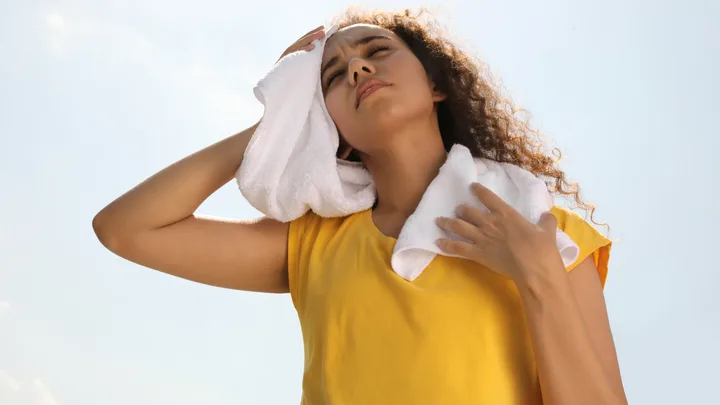
Australia’s intense summer heatwave continues to grip much of the country, with Victoria and South Australia experiencing blistering conditions this week.
On Tuesday, towns including Walpeup and Hopetoun in north-west Victoria reached a scorching 48.9°C, breaking the state’s previous record, while South Australia’s Renmark nudged close to 50°C.
Many parts of metropolitan Melbourne saw temperatures above 45°C, and forecasters say extreme heat is likely to persist through the week before cooler conditions arrive.
Even if you’re not working outdoors in the hot sun (or playing tennis at a professional level), prolonged high temperatures can pose a real risk to your health. Heatwaves are the leading weather-related killer in Australia, claiming more lives than bushfires, floods or storms, as our bodies struggle to cope with sustained and extreme heat.
Understanding how extreme heat affects your body – and how to spot and respond to heat exhaustion early – could make all the difference this summer.
Why does excessive heat affect your body?
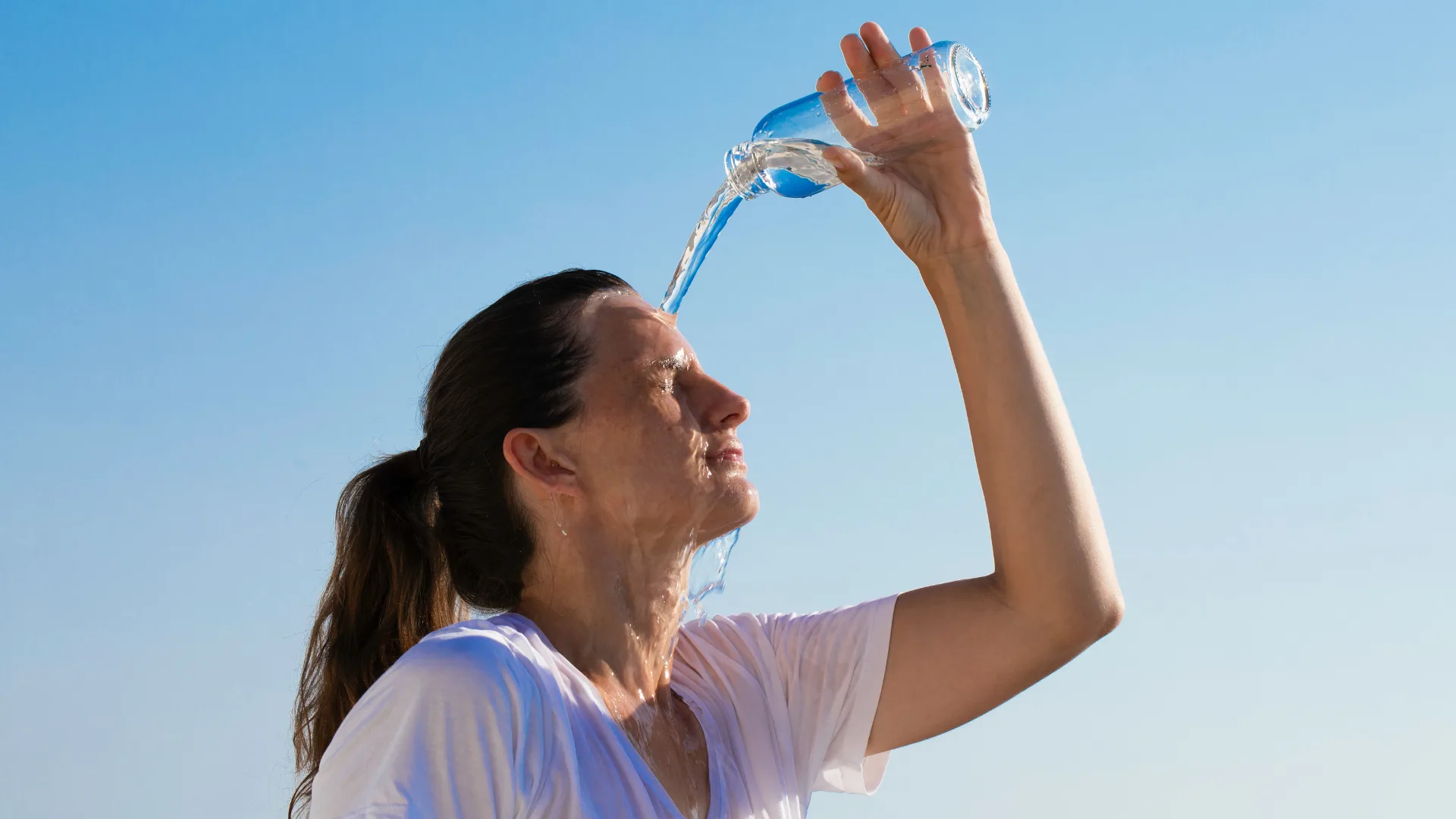
When temperatures climb, your body works hard to maintain a stable internal temperature of about 37°C.
It does this by sweating and increasing blood flow to the skin’s surface to dissipate heat. But in extreme conditions, especially when coupled with high overnight lows and humidity, this system can struggle, leading to dehydration and dangerous heat-related illnesses.
The heart and kidneys are put under extra stress, as blood is diverted to the skin and fluid is lost through sweat. For people with heart disease, respiratory conditions or certain medications that affect heat regulation, the risks are even greater. The same goes for pregnant women, children and babies, as well as the elderly (and pets).
What is heat exhaustion?
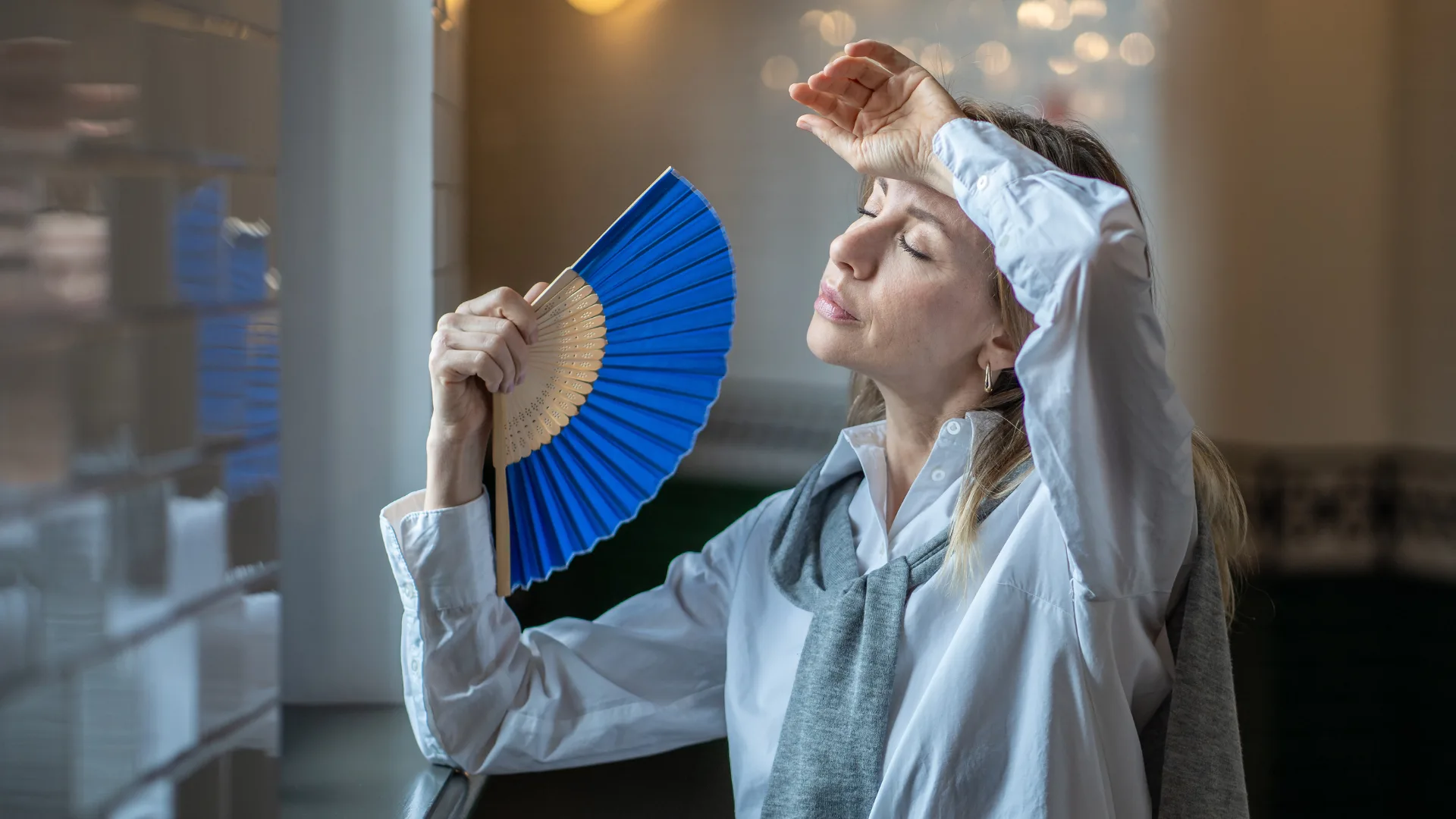
Heat exhaustion is your body’s response to excessive heat and fluid loss. It can develop after hours in hot conditions, especially if you’re physically active, not drinking enough water, or have limited access to cooling.
Common symptoms include:
- Headache, dizziness or fainting
- Heavy sweating
- Pale, clammy skin
- Nausea or vomiting
- Muscle cramps and weakness
- Thirst and decreased urine output
- Irritability or confusion
Unlike heatstroke – which is considered a life-threatening emergency – someone with heat exhaustion may still be sweating and conscious, but they’re already struggling to cool down. If left untreated, heat exhaustion can quickly progress to heatstroke.


Spotting heatstroke
Heatstroke occurs when the body can no longer regulate its temperature and requires urgent medical attention. Call triple zero (000) immediately if someone shows any of these signs:
- Very high body temperature (often above 40°C)
- Hot, dry or excessively sweaty skin
- Confusion, slurred speech or agitation
- Loss of consciousness or seizures
- Rapid breathing or a fast, weak pulse
Heatstroke can lead to permanent damage or death if not treated swiftly, so it’s important to recognise these symptoms.
How to treat heat exhaustion
If you or someone else shows early signs of heat exhaustion, your best bet is to act quickly:
- Move to a cooler place – get indoors or into shade.
- Loosen or remove extra clothing to help the body cool.
- Cool the skin with cool water sprays, damp cloths or a cool shower.
- Drink water – small, frequent sips are best; avoid alcohol, caffeine or sugary drinks that can dehydrate further.
If symptoms don’t improve within about 30 minutes – or if the person becomes confused or unresponsive – seek professional medical help or call Healthdirect on 1800 022 222.
Simple tips to stay safe in extreme heat
Health authorities stress that prevention is key during a heatwave:
- Stay hydrated – drink plenty of water throughout the day.
- Avoid peak heat hours between about 11 am and 3 pm.
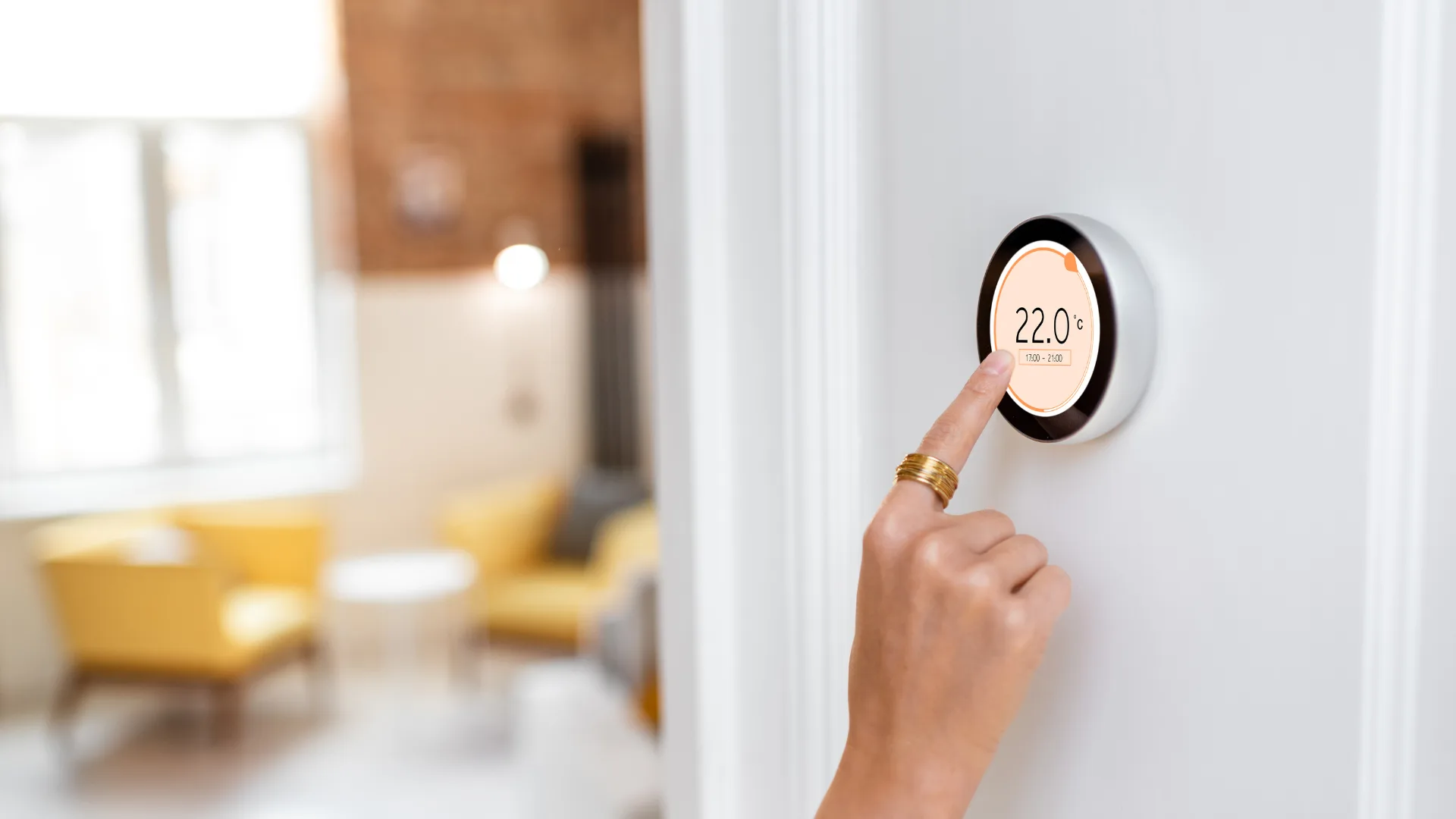
- Keep cool at home – use air-conditioning or fans, close curtains during the hottest part of the day, and open windows at night if it’s cooler outside.
- Dress light – wear loose, lightweight clothing and a broad-brimmed hat outdoors.
- Check on vulnerable people such as older adults, young children, pregnant women and those with chronic health issues.
It’s worth noting that extreme heat doesn’t just affect your physical comfort – it can also impact your mental health. Check in with neighbours and family, especially those who live alone. A phone call or text message can go a long way.

