


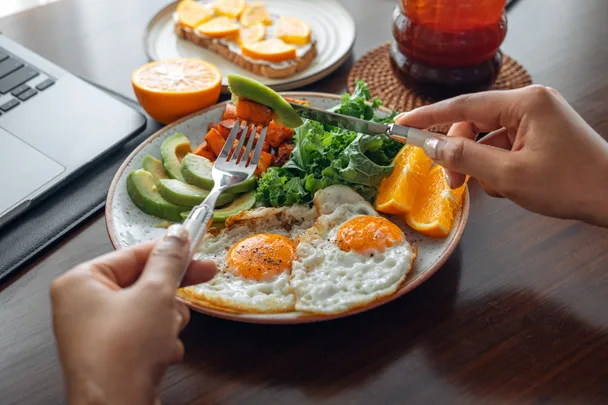
There’s no type of egg I’ll say no to. Scrambled, poached, fried, hard-boiled – I love them all. And I’m quite partial to a quiche or frittata too.
And it seems I’m not the only one. Australians are eating more eggs than ever before.
New data from Australian Eggs show we’re now eating an average of 282 eggs a year, up from 135 in 1996. That’s more than double the number we were getting through 30 years ago.
The cholesterol rethink
“Historically, it was thought that since eggs, like all animal foods, contain cholesterol, the cholesterol in the food automatically increases blood cholesterol,” dietitian and nutritionist Susie Burrell explains to The Weekly.
But new research has since challenged that view. A 2025 University of South Australia study found that people who ate two eggs a day as part of a diet low in saturated fat did not raise their LDL cholesterol.
“Blood cholesterol is influenced by a range of factors including genetics, and the saturated fat content of the food we eat, rather than a food’s cholesterol content,” Susie adds.
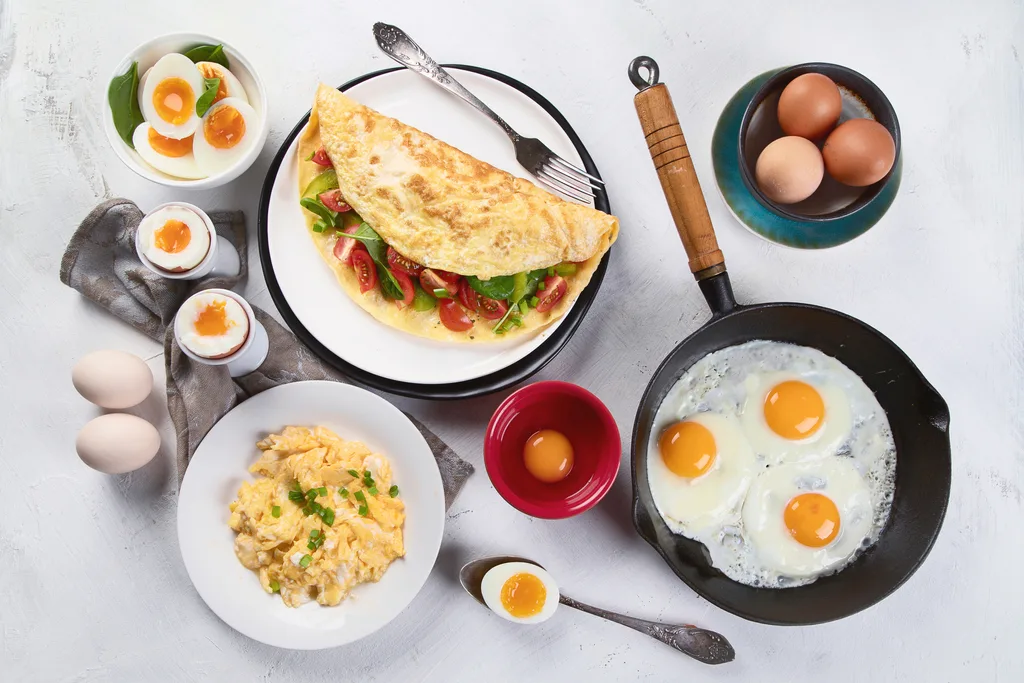
Yet the idea that too many eggs are something we should avoid has been hard to shake.
“Eggs are a whole food that delivers protein, vitamins and nutrients in one small package, and cutting them out for the sake of your cholesterol means missing out for no good reason,” Susie stresses.
As well as being a source of protein, eggs contain 16 vitamins and nutrients, including vitamin D, vitamin B12, selenium, iodine and choline.
“Not many foods that simple do that much,” Susie says.
How many is too many?
The Heart Foundation once recommended restricting how many eggs we ate, but now says there’s no set limit as long as they’re part of a heart-healthy diet.
The advice is a little different for people with high LDL cholesterol, heart disease or type 2 diabetes, who are advised to have no more than seven eggs a week.
“As eggs are nutrient rich, and relatively low in saturated fat, even those with high cholesterol can enjoy an egg a day as part of a healthy, balanced diet,” Susie notes.
“You can overdo any food, but eggs aren’t the usual culprit,” she adds.
A lot also comes down to how you cook your eggs and what you eat them with. “Poached on wholegrain toast with tomato is a different proposition from fried in butter with bacon,” Susie points out.
A note on midlife
Once we reach midlife, looking after our heart health becomes even more important, particularly through menopause. But Susie says that doesn’t mean you need to start cutting back on eggs.
“The advice doesn’t change, and the science is on eggs’ side,” she says.
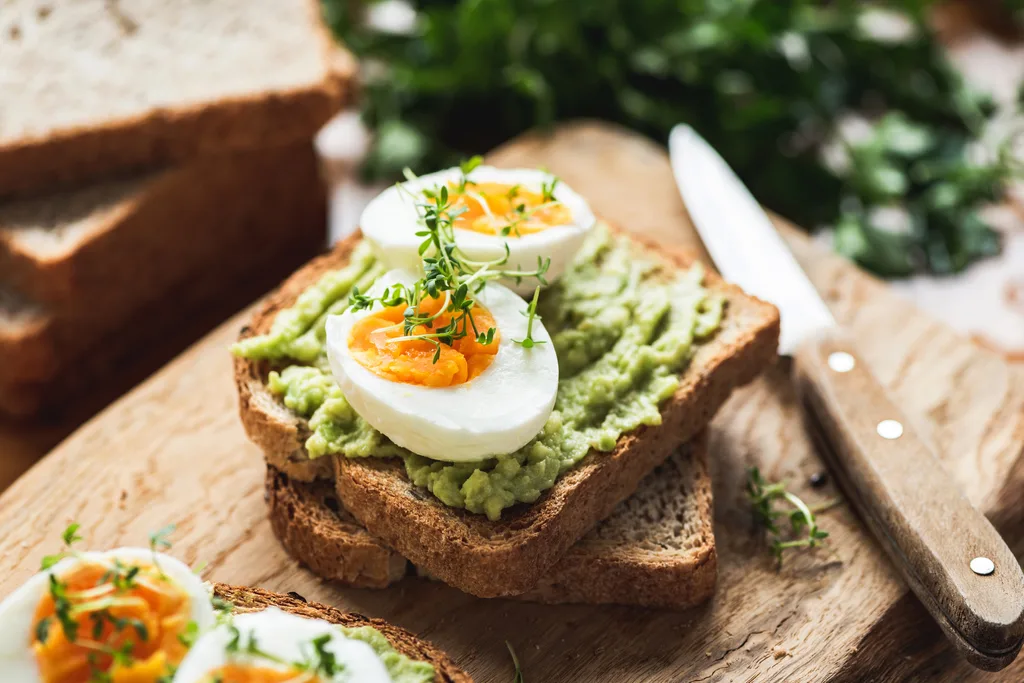
In fact, she sees them as a particularly easy way to add protein and other nutrients to a meal.
“For women in mid-life, who are looking for protein and nutrient rich foods, eggs are one of the smartest diet additions.”
Easy ways to eat more eggs
One of the best things about eggs is how easy they are to cook. A couple of eggs can quickly become breakfast, lunch or dinner, depending on what you have in the fridge.
Susie’s own favourites are pretty simple: scrambled eggs with goat’s cheese and vegetables, spinach pie or eggs with Vegemite on grainy toast.
They’re also easy to add to what you’re already eating – throw one on top of leftover veg, add it to a salad or have it on grainy toast for a quick lunch.

