





Sleep has long been recognised as essential to good health, supporting everything from memory and mood to heart health and immunity. Now, new research suggests it may also play a role in how long we live.
A large study led by researchers at Oregon Health and Science University has found that people who consistently sleep fewer than seven hours a night tend to have a lower life expectancy than those who get more rest. The association was seen across multiple regions and remained strong even when other lifestyle factors were taken into account.
The researchers analysed sleep data collected between 2019 and 2025 and compared it with life expectancy figures at a population level. A clear pattern emerged: areas where people reported shorter average sleep duration also tended to have lower life expectancy overall.
Notably, not getting enough sleep ranked as a stronger predictor of life expectancy than factors such as physical inactivity, an unhealthy diet and loneliness. Smoking remained the most influential risk factor, but sleep followed closely behind.
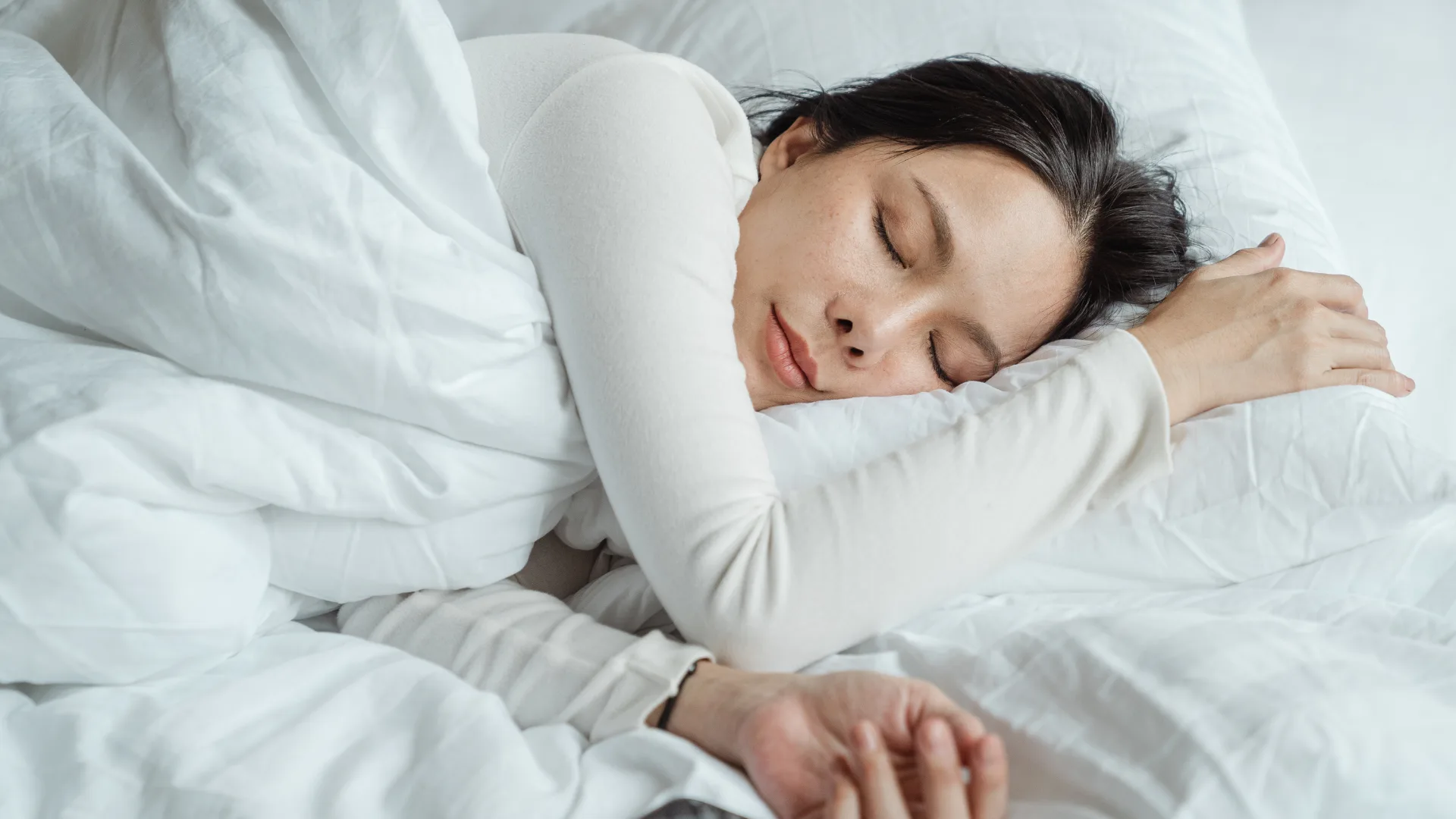
“I didn’t expect it to be so strongly correlated to life expectancy,” said lead researcher, Associate Professor Andrew McHill. “We’ve always thought sleep is important, but this research really drives that point home: People really should strive to get seven to nine hours of sleep if at all possible.”
The study does not show that lack of sleep directly causes a shorter life. Instead, it highlights a strong association that aligns with decades of existing research linking chronic sleep deprivation to poorer health outcomes.
Previous studies have associated insufficient sleep with a higher risk of cardiovascular disease, type 2 diabetes, depression and cognitive decline. It’s also when the body carries out essential repair and regulation processes, including hormone balance, immune support and cellular maintenance.
Most experts recommend adults aim for seven to nine hours each night, but quality also matters. Fragmented or restless slumber may not deliver the same benefits as deeper, uninterrupted rest, even if you hit the eight-hour mark.
The researchers emphasise that sleep is a modifiable behaviour – meaning improvements, even small ones, may have meaningful benefits over time.
“This research shows that we need to prioritise sleep at least as much as we do to what we eat or how we exercise,” he said. “Sometimes, we think of sleep as something we can set aside and maybe put off until later or on the weekend.
“Getting a good night’s sleep will improve how you feel but also how long you live.”
How to sleep better tonight
While you’ve no doubt heard this advice before, going back to basics is your best bet when it comes to a better bedtime routine.


Keep regular hours. Going to bed and waking at similar times helps regulate your body clock.
Create a calm sleep space. A cool, dark and quiet bedroom supports better sleep.
Wind down properly. Allow time to relax before bed and limit screen use at night.
Watch caffeine and alcohol. Both can disrupt sleep, particularly later in the day.
Stay active. Regular movement supports deeper, more restorative sleep.
Seek support if needed. Ongoing sleep issues are worth discussing with a GP.

