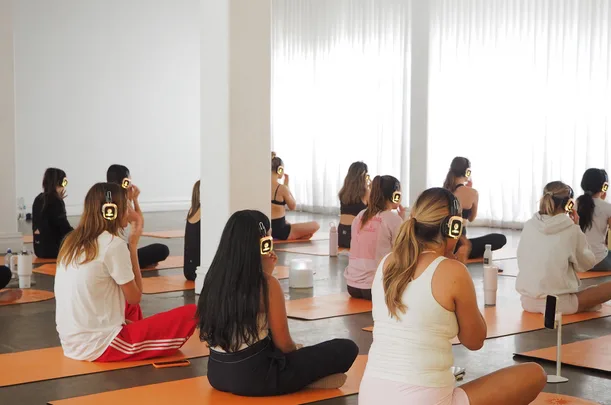
Usually, putting on headphones before a workout means tuning out the world. But when I step into a Soluna Society class – a sound-led session combining somatic movement and mindfulness – I’m asked to do the opposite.
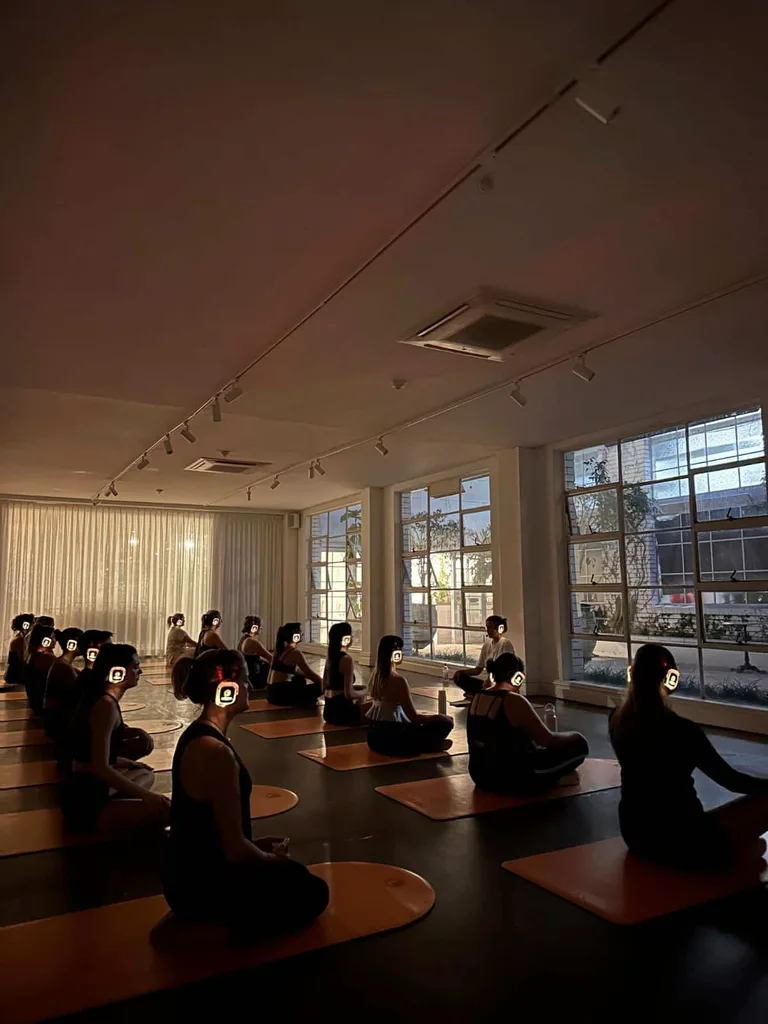
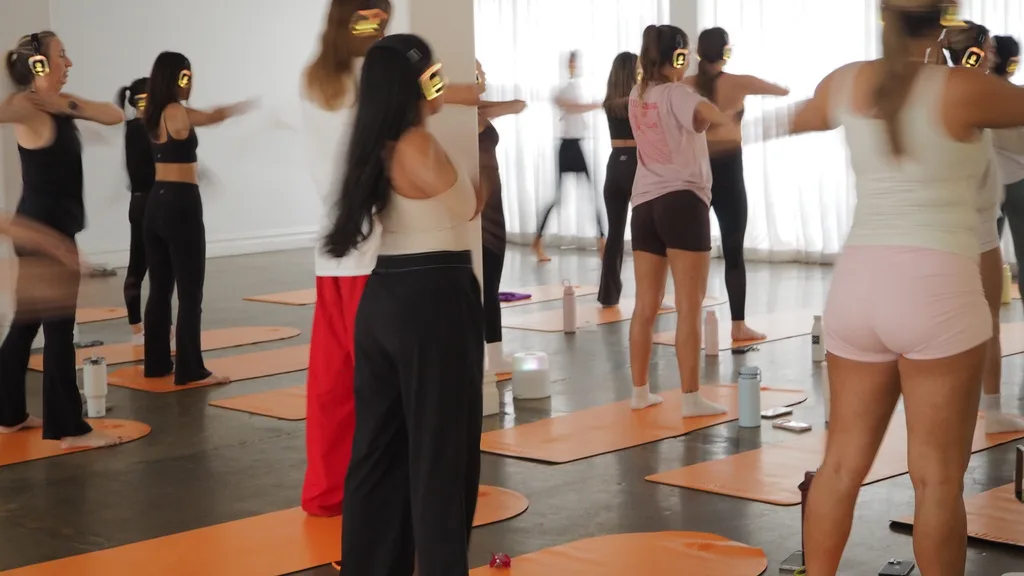
The lights dim and a calm voice guides us through breathing exercises, squats and stretches. At one point, we’re asked to dance like no one is watching. Later, to shout as loudly as we can. At the end, we move into Emotional Freedom Technique (EFT) tapping, where we’re encouraged to let whatever comes up, come up – to cry, make noise or simply sit with it.
As I tap my face and body, something unexpected happens: I feel emotional. Not upset or overwhelmed, but suddenly aware of feelings I’d been too busy to notice.
What is it?
Many workouts ask you to push harder or perform better. Somatic exercise is about paying attention to how your body feels as you move. “Somatic work is about the felt sensation of the body,” explains Soluna Society co-founder Anna Grutzner. “Rather than moving or lifting weights to perform and achieve an outcome, it’s about how that movement feels.”
That awareness can be brought to almost any movement. “You can have somatic awareness while you’re going for a run or in a sauna and noticing the change in your body temperature and how that feels,” Anna says.
What are the benefits?
Perhaps it’s no coincidence somatic movement is gaining in popularity when so many of us feel stretched in every direction. “We’re performing in every aspect of our lives,” notes fellow co-founder Gracie Evans.
Somatic movement, Gracie says, is a chance to move without having to achieve anything. “It’s more about feeling good, regulating after all the performing we do and creating a safe space to unwind.” Anna points to another benefit: “You’re paying attention to yourself rather than comparing yourself to someone else.”
As well as helping us decompress and reconnect with our bodies, it can make us more aware of how we’re feeling. “Sometimes it’s not until we’re in stillness with our breath, with our sensations, that we realise how a situation’s really feeling,” Gracie says.
What does the research say?
Research into somatic exercise is still emerging. A small 2025 study in the Journal of Bodywork and Movement Therapies found older adults in a 10-week somatic movement program improved their spinal mobility, posture and body awareness. Other research suggests it may improve flexibility and range of motion, while mindful movement has been linked to reduced stress and anxiety.
Is it for you?
There’s no single way people respond after a class. Some describe feeling lighter or more balanced; others emotional, foggy or tired. I felt calm, content and more in tune with myself. If you’re curious about a different way to move, somatic exercise could be worth a try.
This feature was originally published in the October 2026 issue of The Australian Women’s Weekly. Subscribe so you never miss an issue.