



At a glance…
- Gloria Steinem has died aged 92, passing away peacefully at her New York home surrounded by loved ones.
- The pioneering journalist and feminist activist helped reshape the women’s rights movement, co-founding Ms. magazine and the National Women’s Political Caucus.
- Gloria continued campaigning for equality well into her 90s, spending her final years writing and hosting “Talking Circles” at her New York home.
Gloria Steinem, the pioneering journalist and feminist who helped change the way generations of women saw themselves and their place in the world, has died aged 92.
Her foundation broke the news that she died peacefully at her home in New York City on September 2, surrounded by loved ones.
“Gloria’s near-century on earth were years well-lived, and she continued working for equality until the very end,” the statement read. No cause of death has been announced.
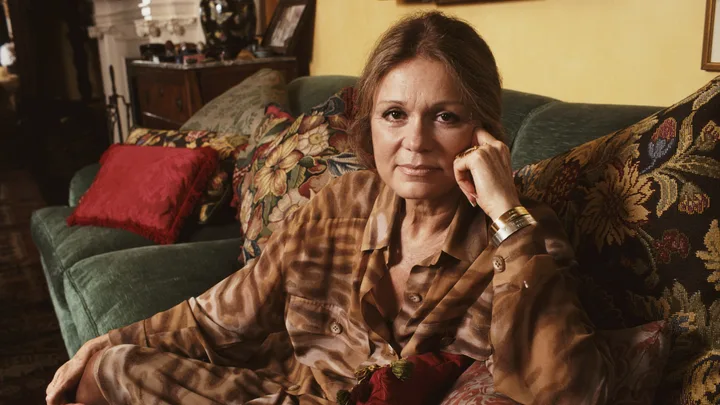
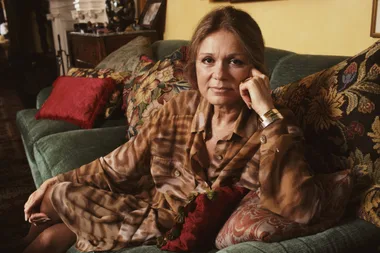
For more than half a century, Gloria Steinem was one of the most recognisable faces of the women’s liberation movement. She was a journalist, author, organiser and campaigner whose work helped bring feminist issues into the mainstream.
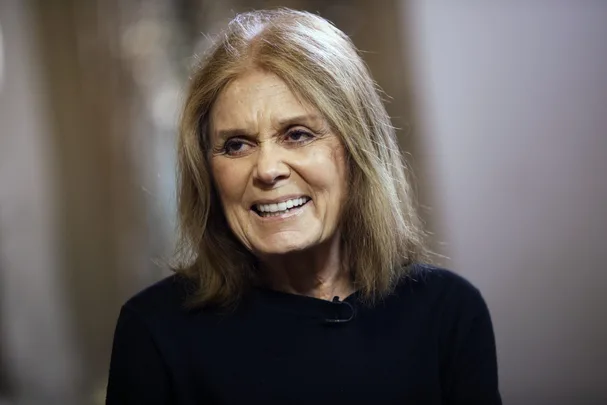
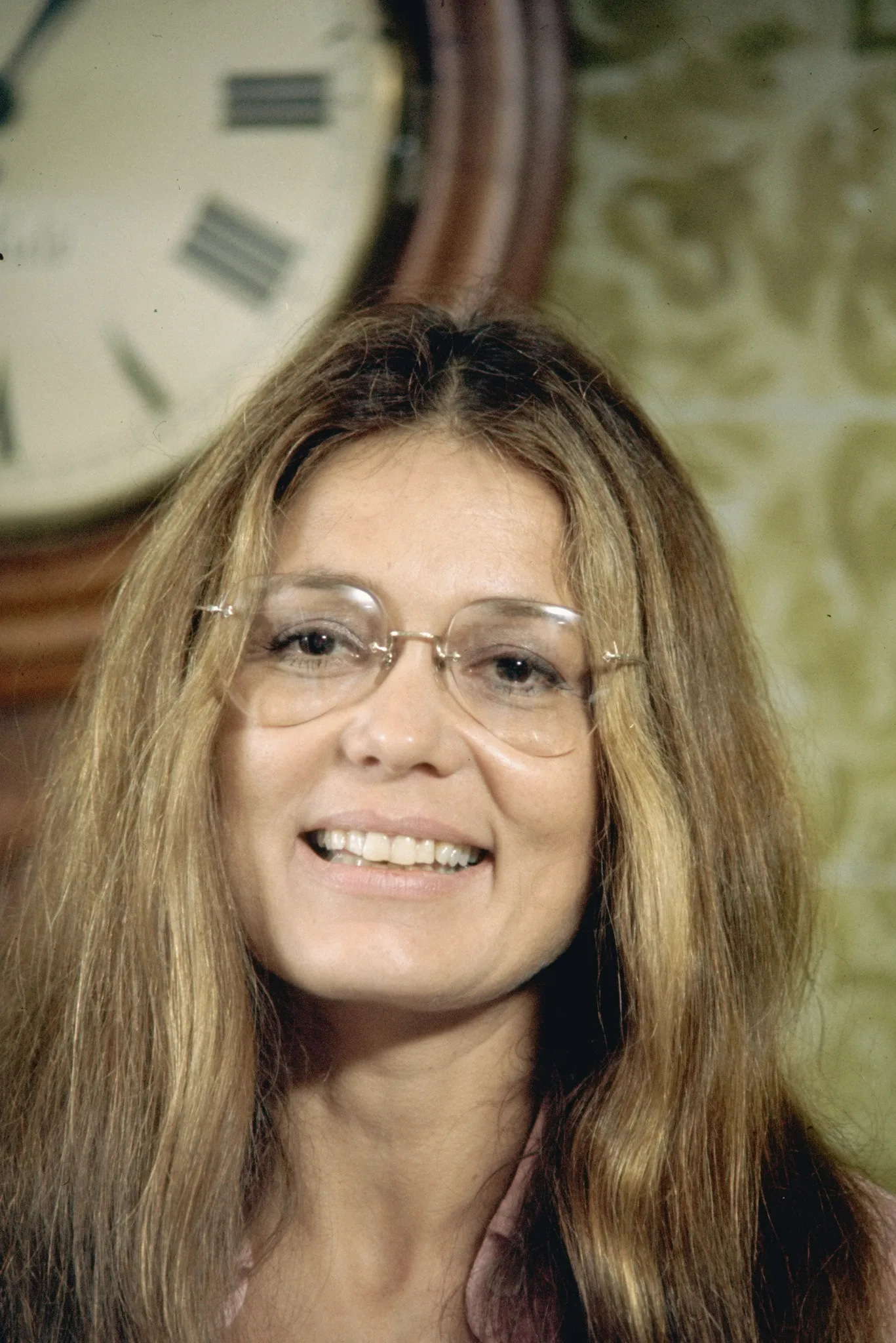
With her signature aviator glasses and long, streaked hair, she became an instantly recognisable figure as she travelled across the United States speaking at rallies, universities and community centres. But her influence went far beyond her image as a feminist icon.
Born in Toledo, Ohio, in 1934, Gloria’s childhood was unconventional. Her father worked as a travelling salesman, and the family spent years moving around the country before her parents separated when she was young. She helped care for her mother, who struggled with mental illness, an experience that would profoundly shape her life. After graduating from Smith College in 1956, she spent two years studying in India before beginning her career as a journalist.
It was not an easy time for women hoping to make their mark in journalism. Gloria was often assigned stories for women’s pages rather than the political and social reporting she wanted to pursue. She nevertheless persevered.
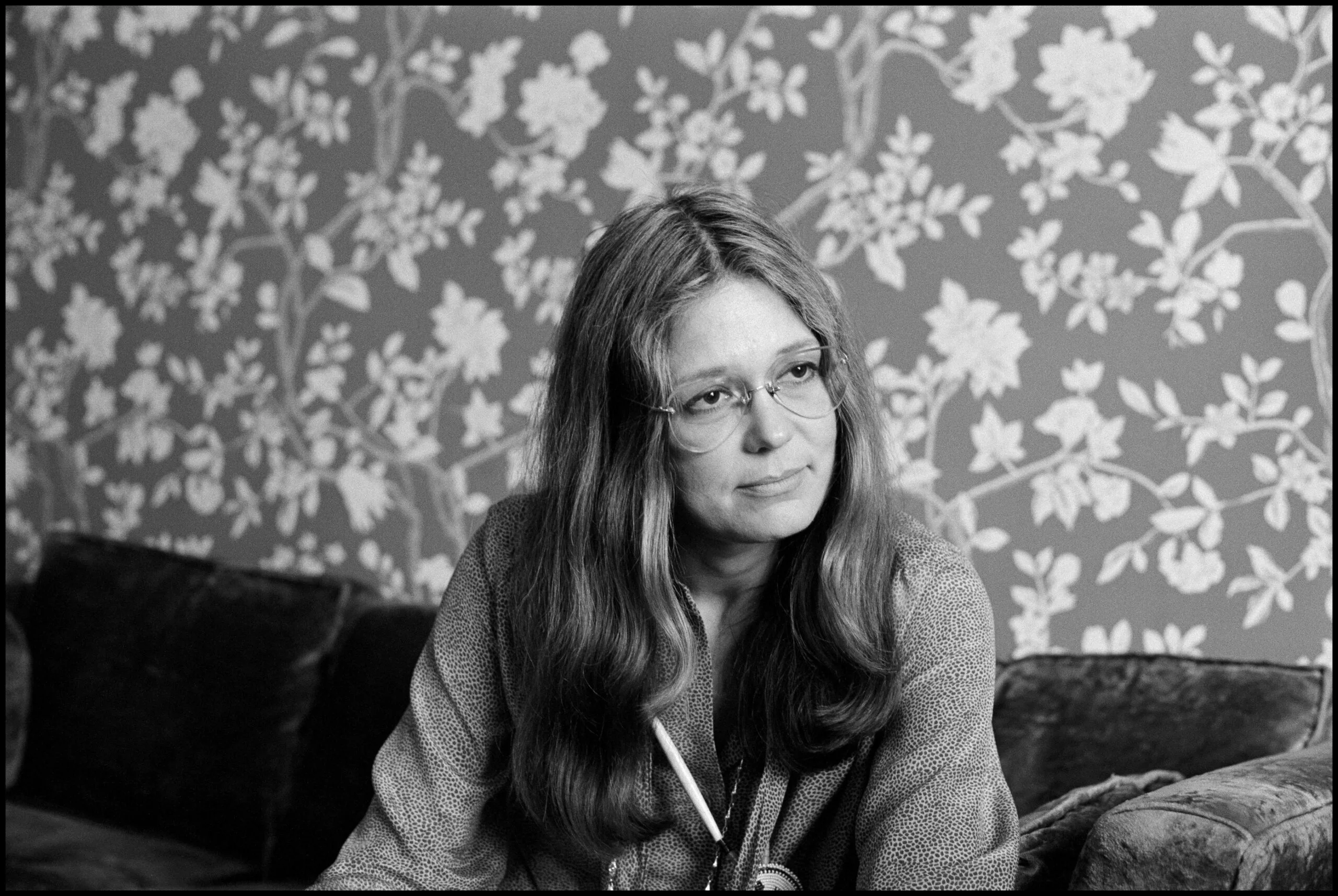
In 1963, she gained national attention for an undercover investigation for Show magazine into New York’s Playboy Club, where she worked as a waitress to expose the working conditions faced by the women employed as Playboy Bunnies.
Her resulting article “A Bunny’s Tale” made her famous, but Gloria later spoke about how difficult it was to be taken seriously as a journalist afterwards.
Her career took a decisive turn towards feminism in the late 1960s after she covered a meeting about abortion rights. Gloria had undergone an abortion herself in London when she was 22, at a time when abortion was illegal in much of the United States. Speaking publicly about the experience helped propel her into the women’s movement.
In 1971, she joined fellow activists including Shirley Chisholm, Betty Friedan and Bella Abzug in founding the National Women’s Political Caucus, which worked to increase women’s participation in American political life. A year later came one of her most enduring achievements.
Steinem co-founded Ms. magazine, creating a publication where women could openly discuss subjects that were often ignored or dismissed by the mainstream press; from reproductive rights and domestic violence to workplace discrimination and equality.
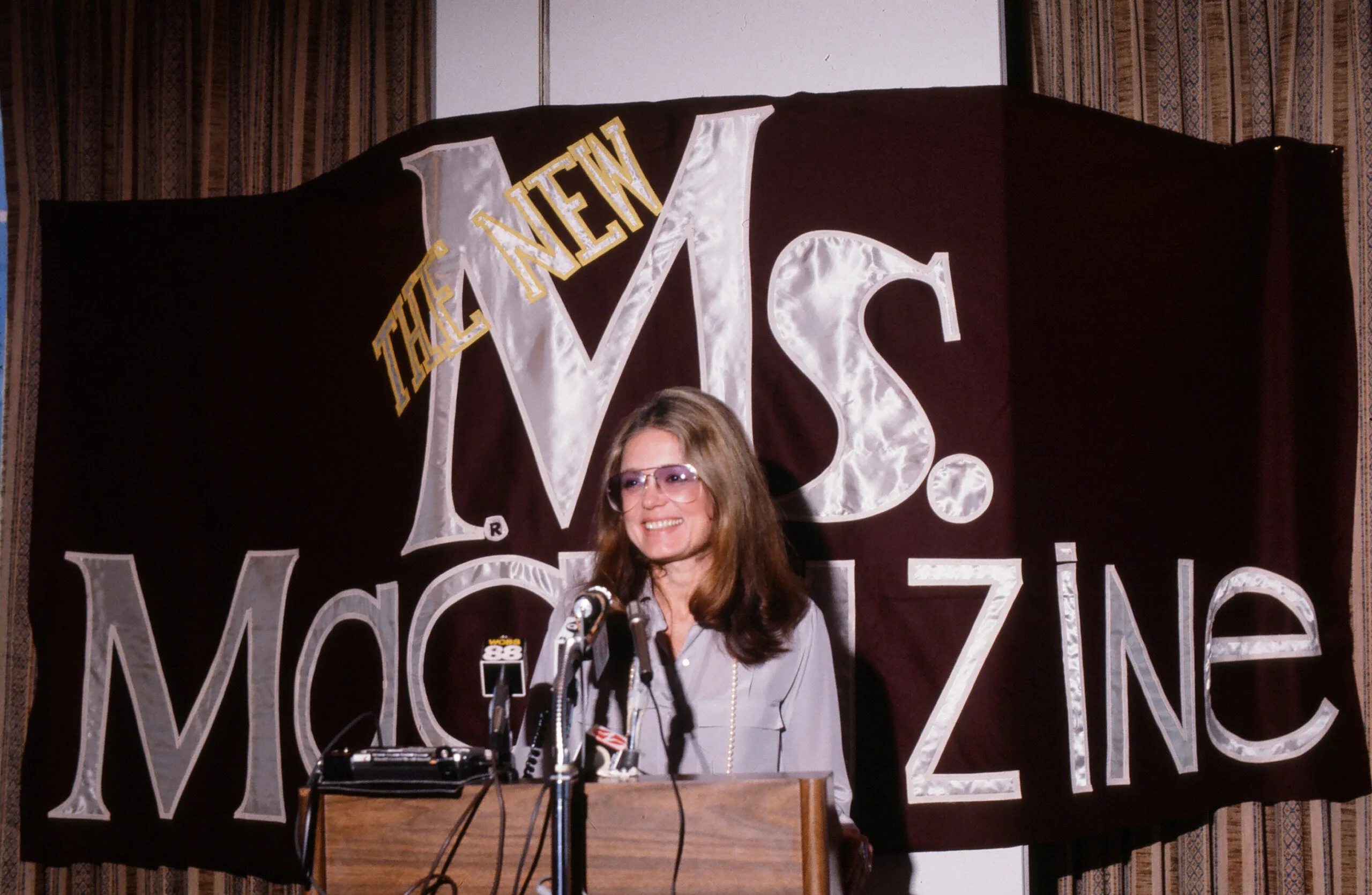
The magazine quickly became a defining voice of the feminist movement, while Gloria became one of its most prominent public advocates.
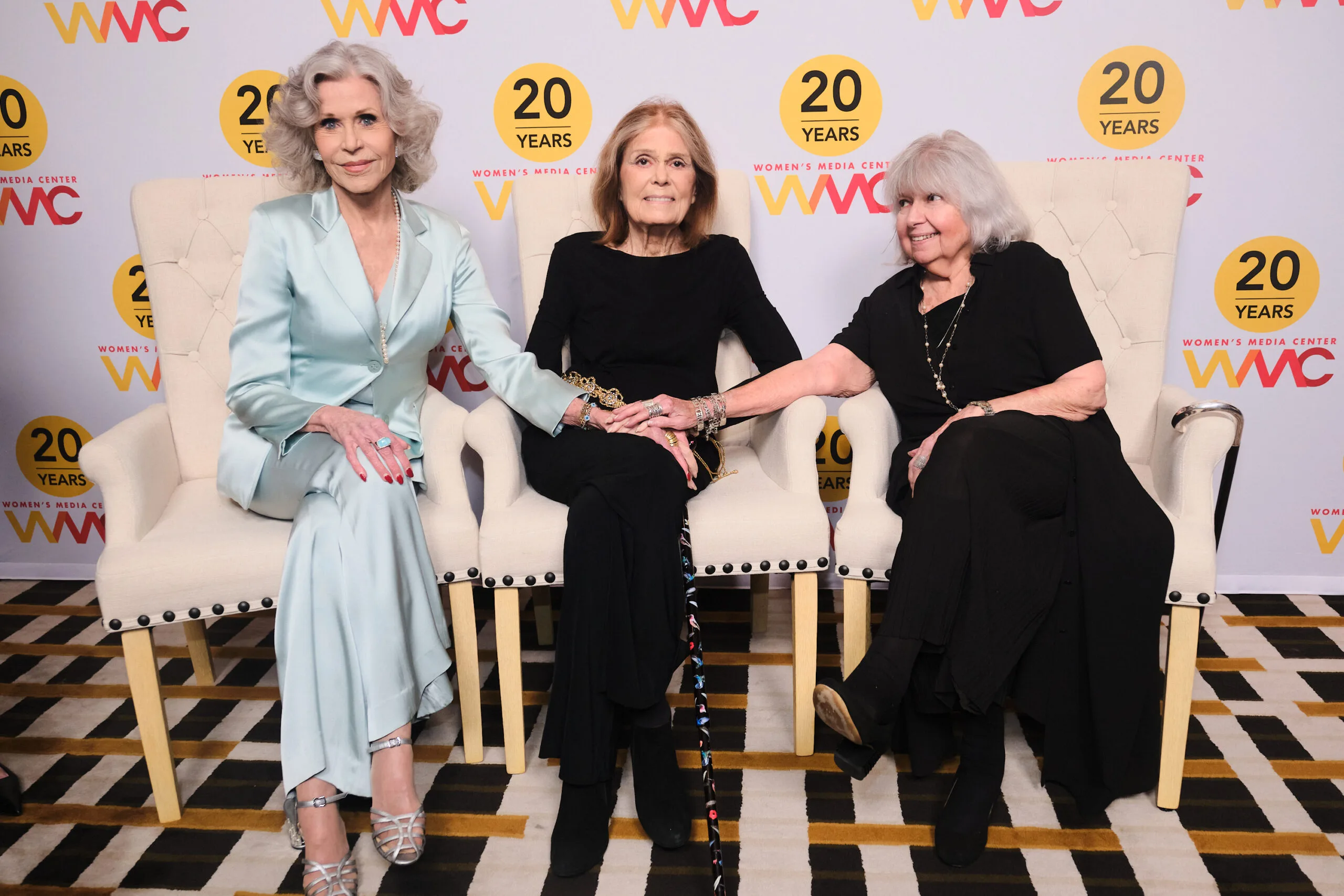
She would go on to co-found numerous organisations dedicated to women’s rights and social justice, including the Women’s Media Center and the Ms. Foundation for Women.
Her activism was not without controversy, and Gloria was sometimes criticised for becoming the public face of a movement that encompassed women with vastly different experiences and views.
But she remained committed to the belief that feminism was ultimately about creating a fairer society for everyone.
“Feminism has never been about getting a job for one woman,” she once said. “It’s about making life more fair for women everywhere.”
She also challenged expectations in her personal life. A lifelong advocate for women’s independence, she married animal-rights activist David Bale in 2000, when she was 66. David, the father of actor Christian Bale, died from brain lymphoma just three years later.
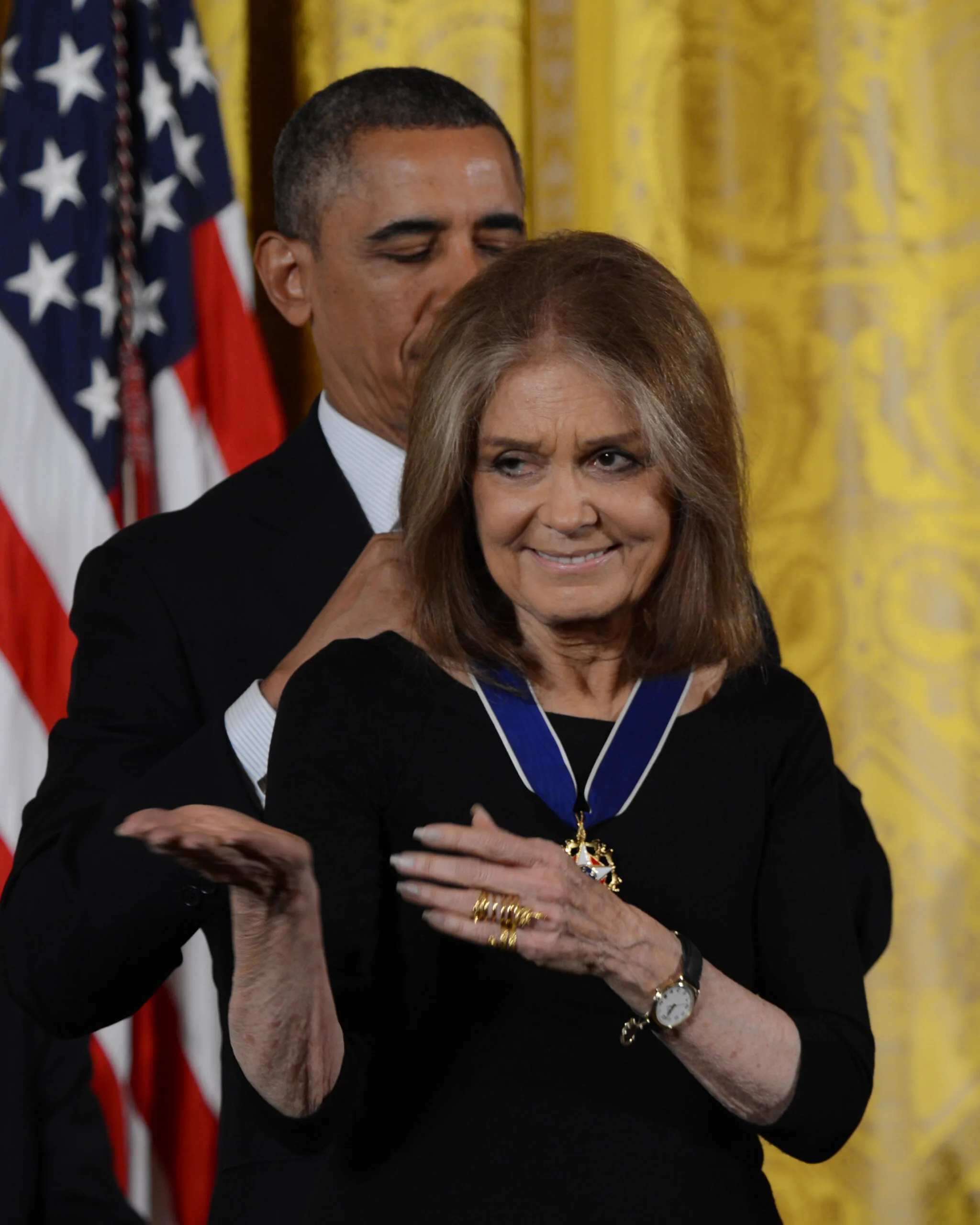
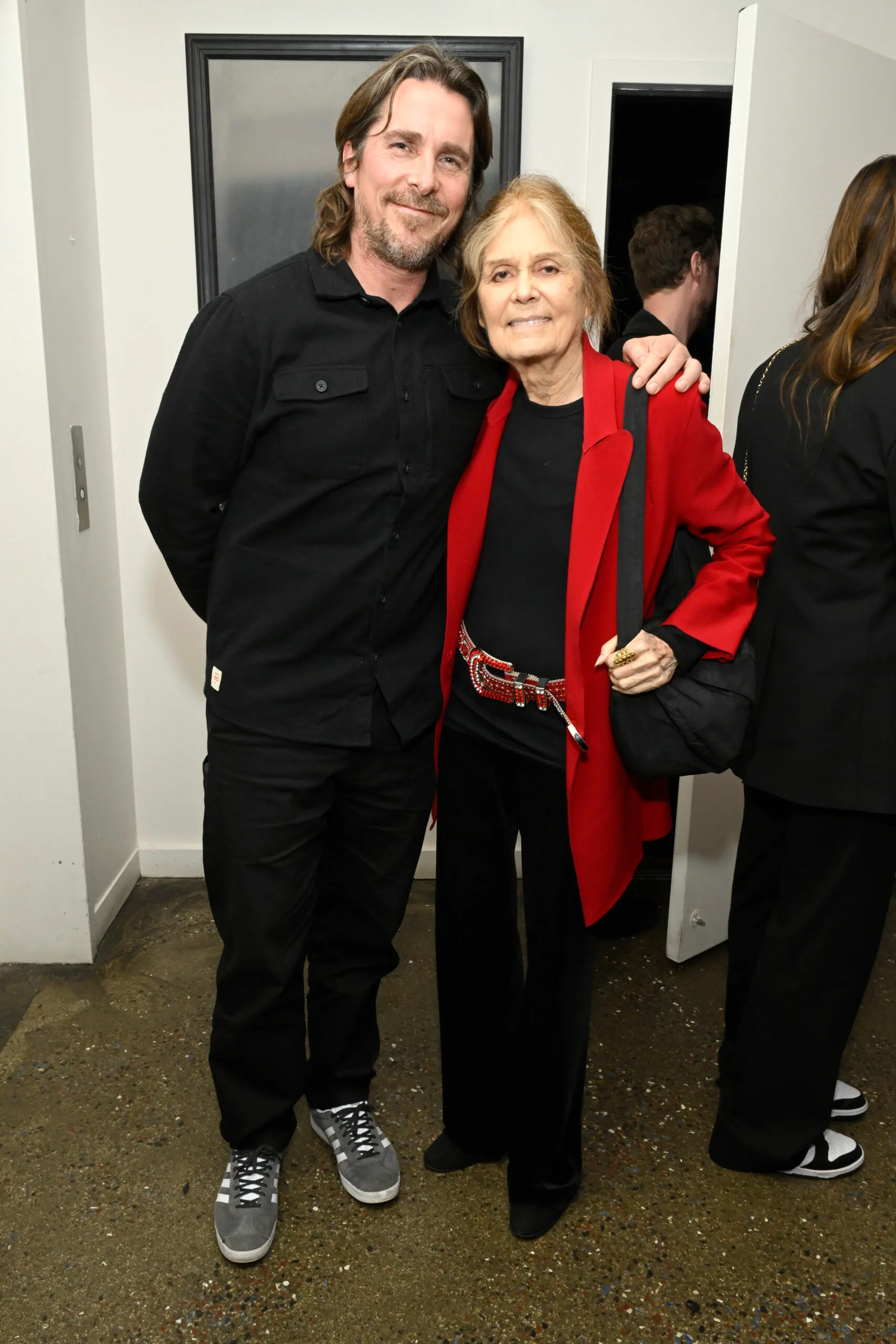
Gloria received the Presidential Medal of Freedom from Barack Obama in 2013 and remained an active voice well into her 80s and 90s.
She was portrayed by many actresses over the years, but most notably by Australian actor Rose Byrne in the 2020 miniseries Mrs. America. The nine-part series, starring Cate Blanchett as conservative activist Phyllis Schlafly, dramatised the battle over the Equal Rights Amendment in 1970s America, with Rose Byrne’s portrayal of Gloria Steinem one of the central figures on the feminist side.
In her final years, she spent time doing two things she loved: writing and bringing people together.

At her New York brownstone, she hosted “Talking Circles”, gatherings where people were encouraged to listen to one another and share their experiences.
Her foundation says she wanted those conversations to continue after her death. Gloria was also working on an upcoming book, An Unexpected Life, at the time of her death.
In the book, she reflected on the New York home where she had lived for more than five decades, writing: “I have now lived for more than fifty years in this brownstone, in rooms that have witnessed lives before mine, and will know others after I am gone.”
Her foundation says she hoped her home would eventually become a centre for social justice movements, allowing the work she devoted her life to continue long after she was gone.
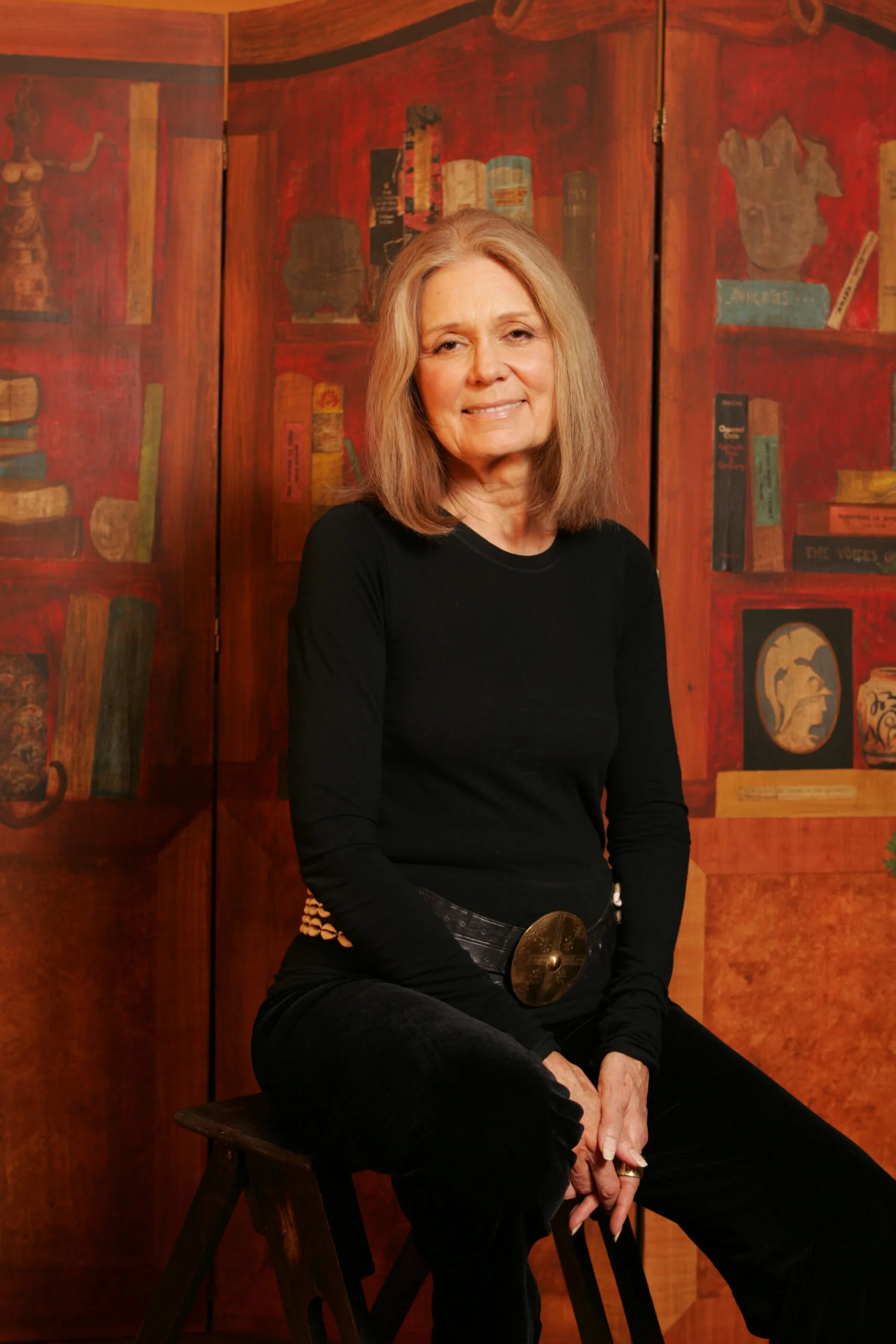
“Gloria’s greatest gift was her ability to listen to others, to make others feel seen and heard,” her foundation said. “Her words, actions, and example gave people permission to be their truest selves.”
For a woman who spent much of her life encouraging others to speak, her legacy may ultimately be found not only in the laws she helped challenge or the organisations she helped build, but in the generations of women who felt more able to speak because she had gone first.