


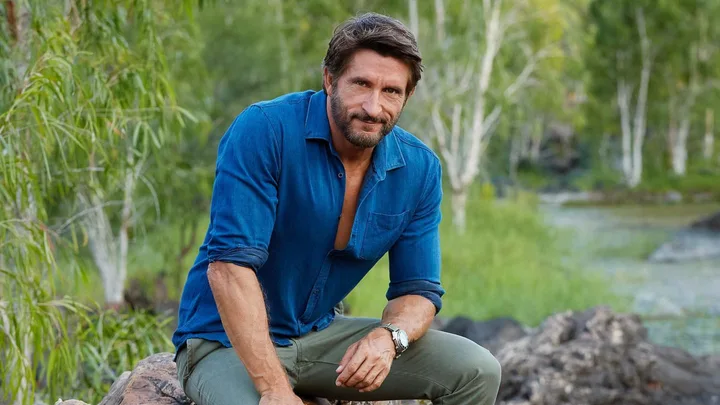
At a glance…
- Jonathan LaPaglia is back with a new survival show with a real-life scenario: Apocalypse.
- He speaks to The Weekly about this new show on BINGE, his blindside on Australian Survivor and how he would fare in a real survival situation.
Some Australians may know Jonathan “JLP” LaPaglia as Hector in The Slap (2011), or even media mogul Peter on Strife; but most would know him from his tenure as the host of Australian Survivor, a role he held for a decade until he was “blindsided” and swapped out for David “The Golden God” Genat.
However, I know Jonathan from his guest appearance on an episode of Castle. He played the slippery criminal John Knox, who was smart enough to never get caught.
“I don’t know if that’s a good thing or a bad thing,” Jonathan laughs as we speak on the phone. I counter that it clearly made an impression. As did his hosting abilities on Survivor. I, like many Survivor fans were shocked at the announcement of his removal. But none of us was as shocked as the man himself.
And his verdict on his successor?
“It just didn’t feel the same anymore,” he admits. “But obviously it feels completely weird watching it because someone else is doing what I was doing.”
But, being fair, JLP preaches patience to us Survivor fans.
“It takes years to get into trust, you know? I think that’s one of the big issues; suddenly I was removed, seemingly without good reason. And the audience pushed back on that.”
And pushback they did. There was a monsoon of support for the outgoing host.
“I suspected there was going to be some kind of blowback with the decision, but I didn’t quite appreciate to what degree,” Jonathan says of the outpouring of support for him as a host, and the pushback against Ten’s decision. “It was humbling, and heartwarming to see that many people come out and support. So I appreciate all of them. I wouldn’t have had that job without their support. So I appreciate that.”
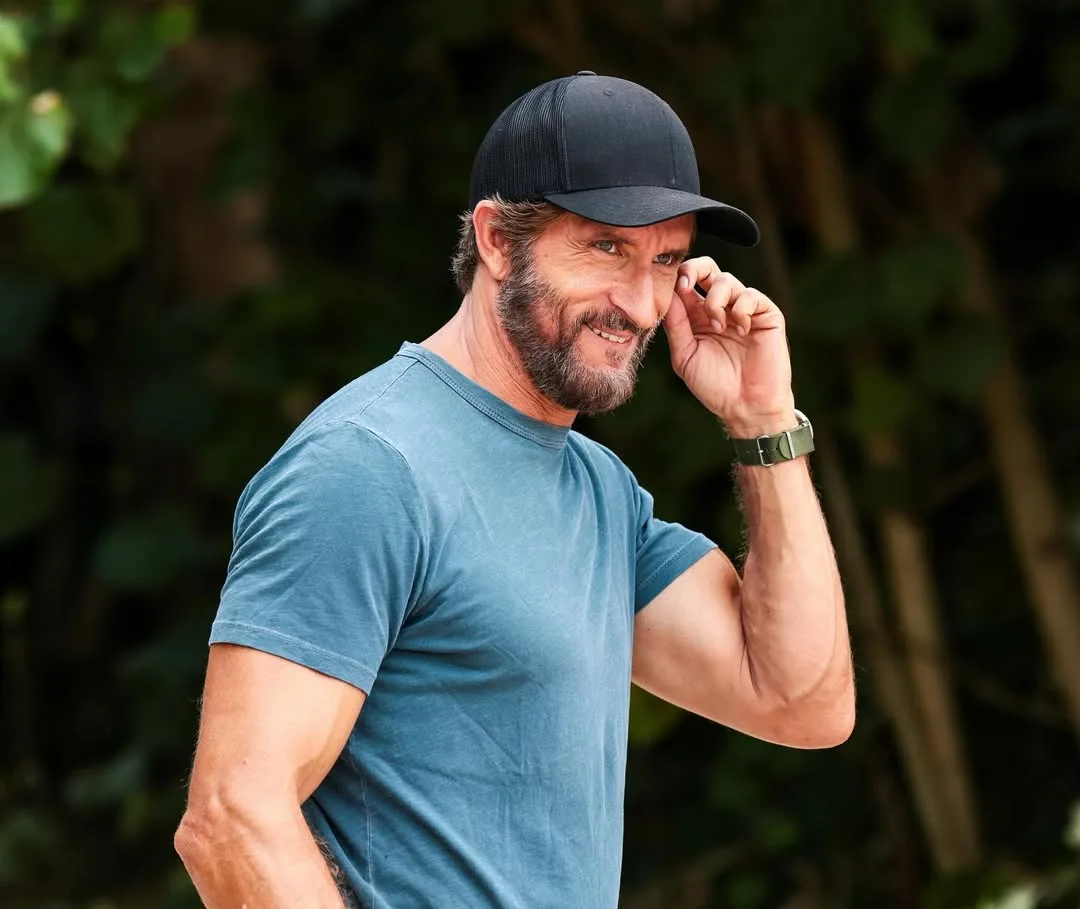
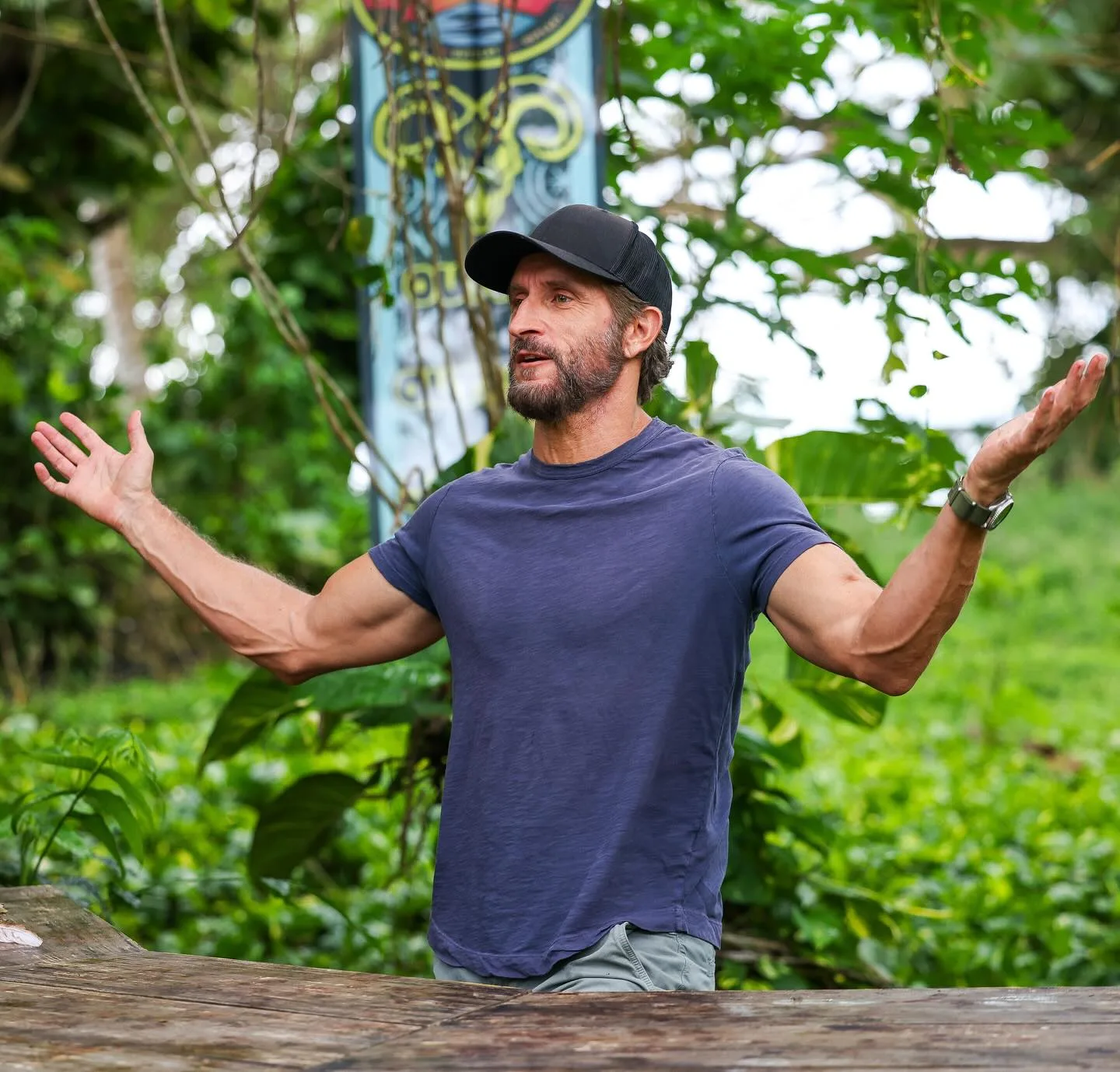
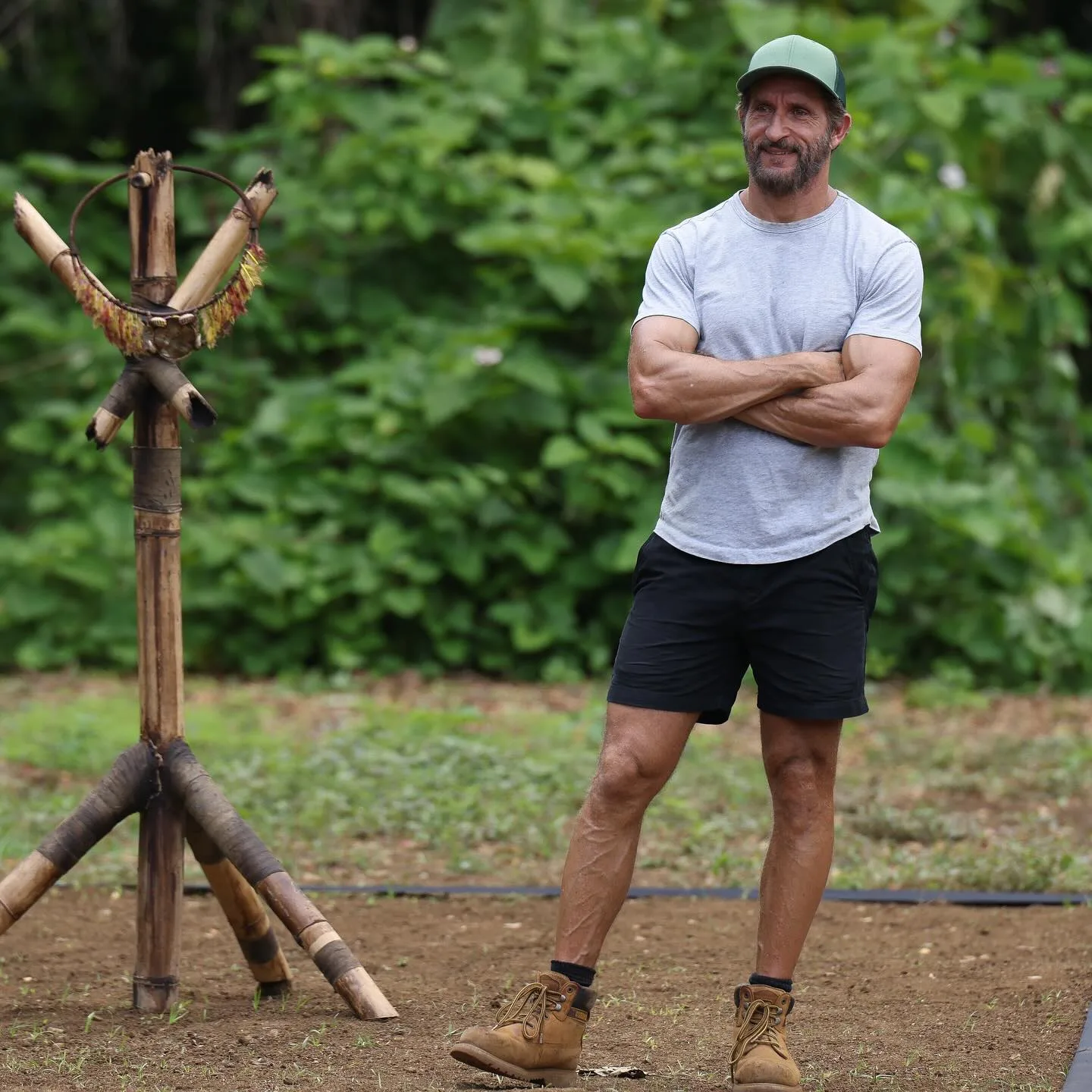
As the host of Australian Survivor, he watched contestants form alliances, betray friends, navigate tribal councils and make difficult decisions in the pursuit of a quarter of a million dollars.
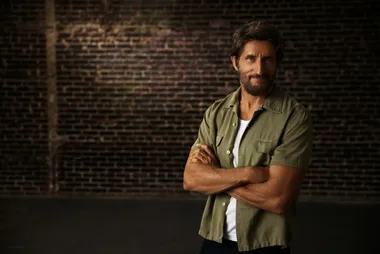
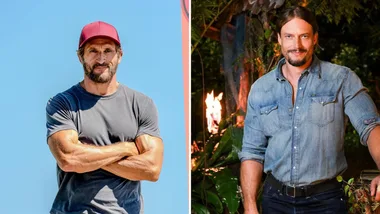
Now, he’s back in the survival genre with Apocalypse. It is a very different kind of reality series. 14 contestants are forced to confront what happens when the comforts and conveniences of modern life disappear.
And after all those years watching people pushed to their limits, Jonathan has come to one surprising conclusion: survival isn’t necessarily about being the strongest person in the room. It’s about the people around you.
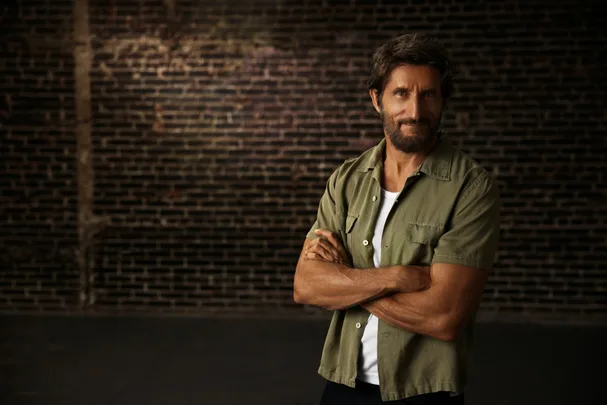
” I think there’s something about the genre that has a wide appeal, right?” he tells me. “Because these shows strip people back; they strip away all the modern conveniences, all your distractions, and they strip people back to their core values.”
“And I think they’re interested in social experiments where they really reveal people’s characters, you know, especially a show like Apocalypse where you’re left with nothing, and your sole mission is to survive. You really get to see what a person is made of in that situation. What really matters to them? Are all their questions about themselves, or are they concerned about others in the community?”
“There’s something kind of fascinating about watching that, and I think that’s those elements accrue of Survivor and through of Apocalypse. And I think that’s why that genre and that kind of storyline really endures.”
Apocalypse takes survival to another level
While Australian Survivor has always been about endurance, strategy and social manipulation, Apocalypse removes one of its most important ingredients: the game.
“Survivor has a very strong game element, right?” Jonathan explains. “Because the conceit is that every second night you need to vote one of your own team members out. And then halfway through the show, your team members become the jury, and they would decide whether you’re worthy to be the winner or not.”
“So that’s a really intricate game element or mechanic for the show that drives the show. And so it becomes very strategic.”
Apocalypse, meanwhile, is much more stripped back.
“Apocalypse really explores the bare basics of survival, surviving the elements and surviving each other, you know?” he continues. “So, it does feel real.”
That feeling is helped considerably by the extraordinary location. Filmed in an abandoned town in Idaho, the setting was once a fully functioning community for psychiatric patients (very true), with hospitals, schools and supermarkets. It was eventually shut down and has since been repurposed for military urban training and training for first responders. For Jonathan, the location was almost as startling as the concept itself.
“The location is wild,” he says. “You really feel like they are in the apocalypse. There’s something very spooky about it.”
What Survivor taught JLP about human nature
For Jonathan, the most fascinating part of Apocalypse isn’t necessarily whether someone can build a shelter or find food. It’s what happens when people realise they can’t survive alone.
“I think there’s a real similarity between this show and Survivor in the sense that your social connections become super important, almost more important than your ability to survive the environment.”
“Because in order to survive, your social game needs to be good.”
It’s a lesson that has been reinforced through years of sitting at Survivor’s tribal council.
Jonathan says the shows effectively take real life and compress it into an intense “pressure cooker”, making people’s behaviour easier to see.
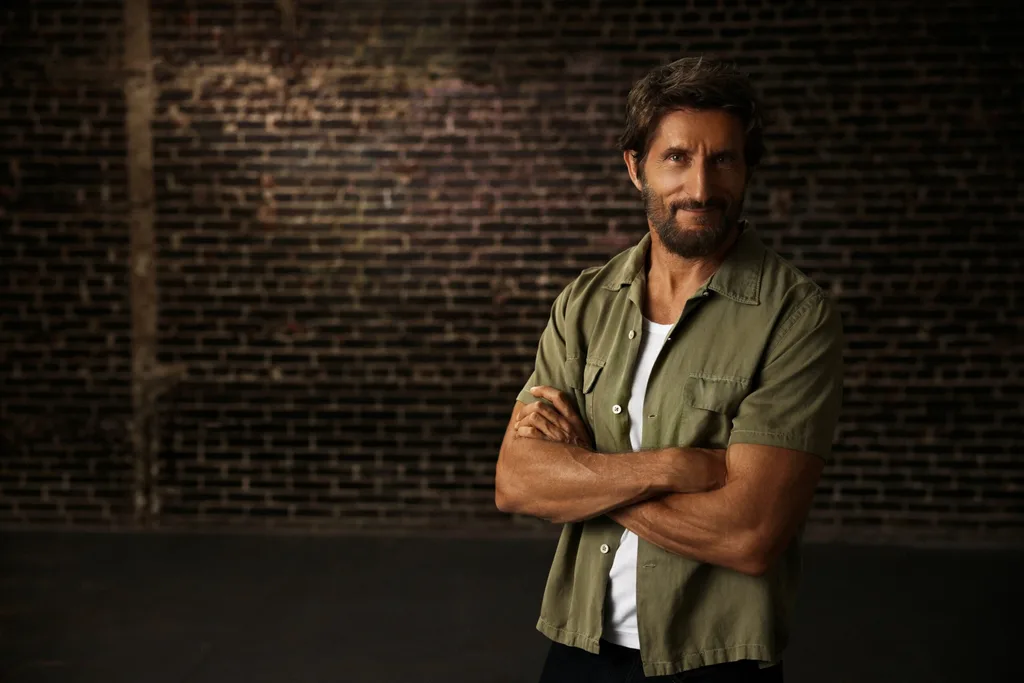
“So you get to see everything is heightened,” he adds. “And so you really do get to see how people react in those situations.”
“And I think there are definitely parallels with your own life. Obviously, your own life is not such a pressure cooker, but yeah. So that is definitely, I definitely have recognised that in my own relationships and other relationships, for sure.”
Perhaps the biggest lesson is that, despite our modern obsession with self-sufficiency, humans remain deeply dependent on one another. Jonathan points to Alone, another survival series, as an example.
“More often than not, it’s the loneliness that gets them, rather than the environment,” Jonathan says, and he’s right. Many of the people who tap out do so because of loneliness.
“Again, that comes back to, you know, we kind of need each other, right, to survive.”
Could JLP actually survive an apocalypse?
So, after spending years watching other people survive the wilderness, would Jonathan actually make it? His answer is refreshingly honest.
“I don’t think I’d be very good,” he laughs. “I don’t think I have good social game!”
But he does have a few practical skills going for him.
“I have medical training, so I probably will become the EMT,” he admits. “And I’m quite good at fixing things, so I might be the fix-it guy.”
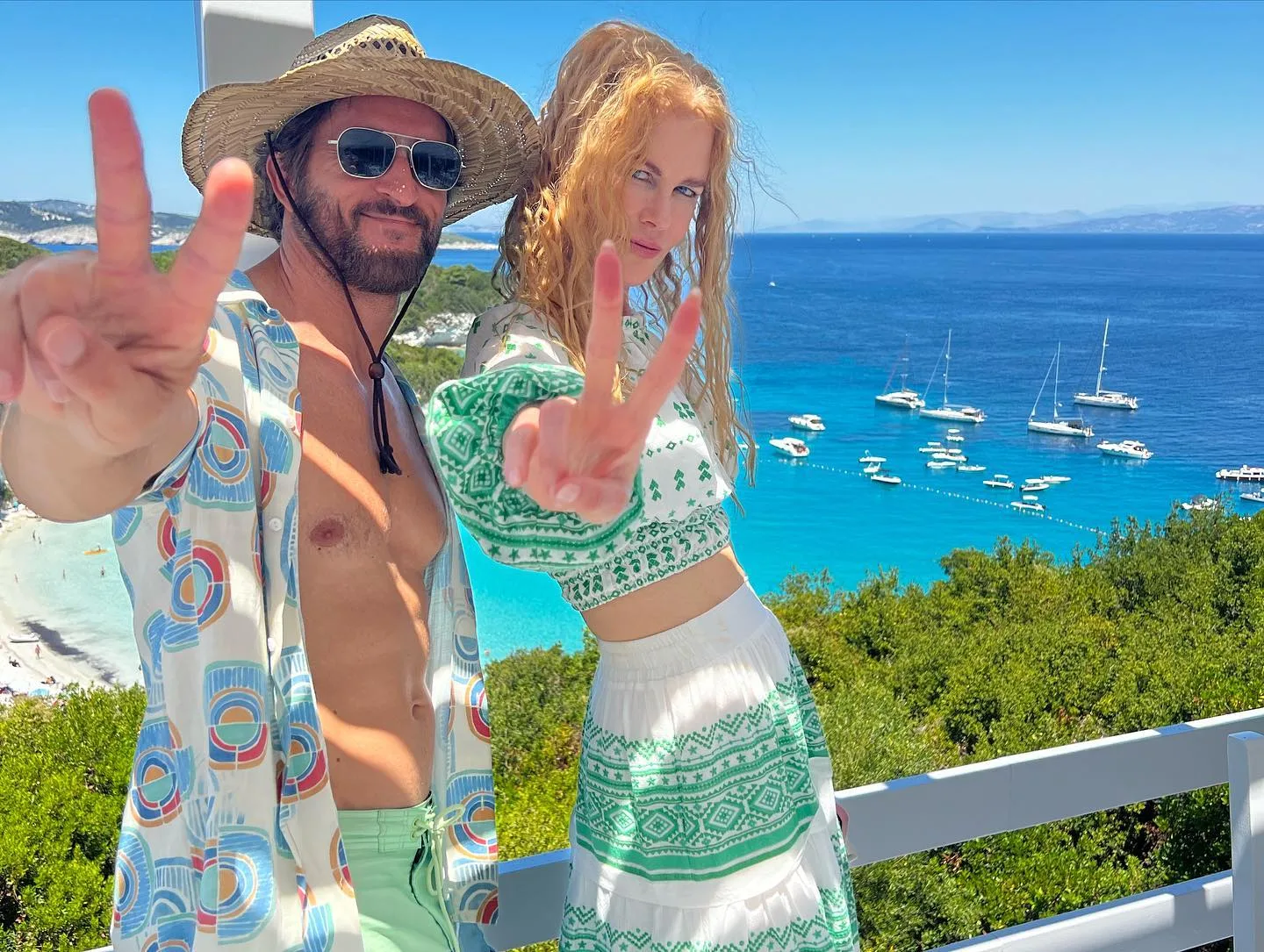
And if the apocalypse arrived tomorrow, Jonathan already knows what he’d prioritise.
“Water is the most important; without water you’re not going to survive more than three days. Then obviously food.”
And then comes a slightly more… ominous third priority.
“And I think maybe it’s a weapon.” He laughs at the admission, but his fascination with apocalyptic scenarios is genuine. He admits that he’s a fan of the genre of dystopian films and television shows, including The Last of Us and other survival series like Alone.
“I have a fascination with the apocalypse,” he says. “I don’t know, there’s something about it… You kind of ask yourself, what would you do in that situation? When could you survive in that situation?”
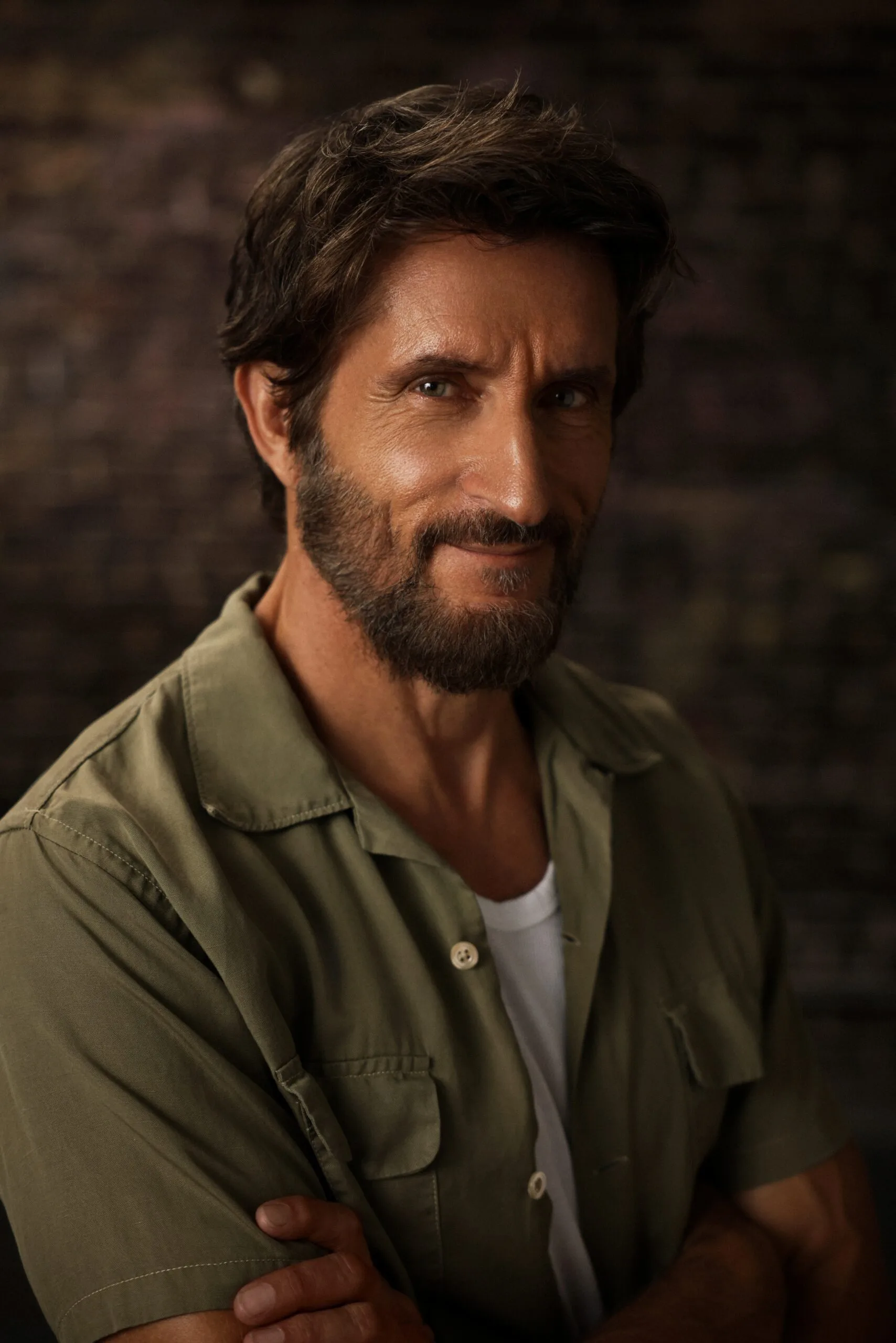
But beyond that, Jonathan is drawn by the adventure aspect or maybe even the romance of pitting man against nature – including human nature.
“There’s something kind of appealing about stripping everything away, all the modern conveniences and distractions and problems that we have,” he adds. “And having it all boiled down to one simplified task, which is just survive.”
That may be the enduring appeal of survival television: the fantasy of a world where life becomes simultaneously more difficult, yet simpler. No modern conveniences, but no modern distractions, be that your phone, your bills, deadlines, AI or social media. Just water, food, shelter and the people beside you. And maybe a weapon, eek.
And after years of watching contestants discover what they’re really made of, Jonathan LaPaglia’s greatest survival lesson might be the simplest one of all: “We need each other to survive.”
Watch the trailer for Apocalypse:
Apocalypse premieres on 16 September 2026 on BINGE. Start your first month for just $5 here.

