





Thieves have managed to evade modern technology to steal priceless jewels from one of the biggest art institutions in the world: the Louvre Museum in Paris, France.
The heist, conducted in broad daylight, took just four minutes.
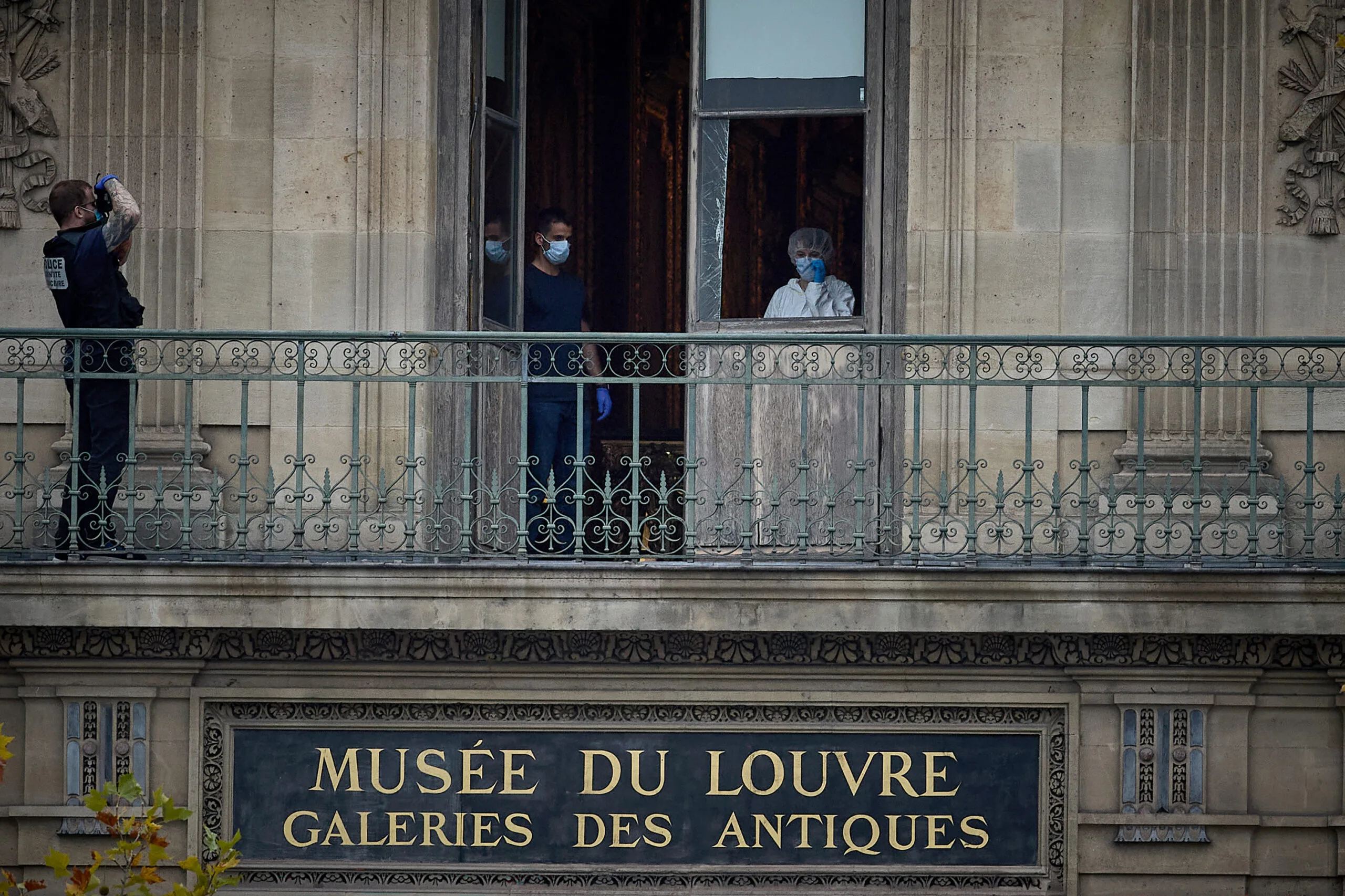
France’s crown jewels were targeted by four thieves on Sunday, October 19 between 9:30am and 9:40am local time. The Louvre opens at 9am.
Unfortunately the museum, which houses countless historical artifacts, is no stranger to theft. It’s shocking to think the museum was originally a medieval fortres…
What jewels were stolen from the Louvre Museum?
France’s crown jewels were targeted, all belonging to royalty or imperial rulers from the 19th century.
The nation’s ministry of culture has confirmed eight items were taken, all adorned with diamonds and precious gemstones.
An emerald necklace and matching earrings were stolen. The pieces – which originally included a diadem – belonged to Empress Marie Louise, who died in 1847. She was the second wife of Napoleon I.
Empress Eugénie’s tiara adorned with more than a thousand diamonds and a brooch were also stolen. The jewels were created in 1855 and were a gift from her husband, Napoleon III. She was the last empress of France.
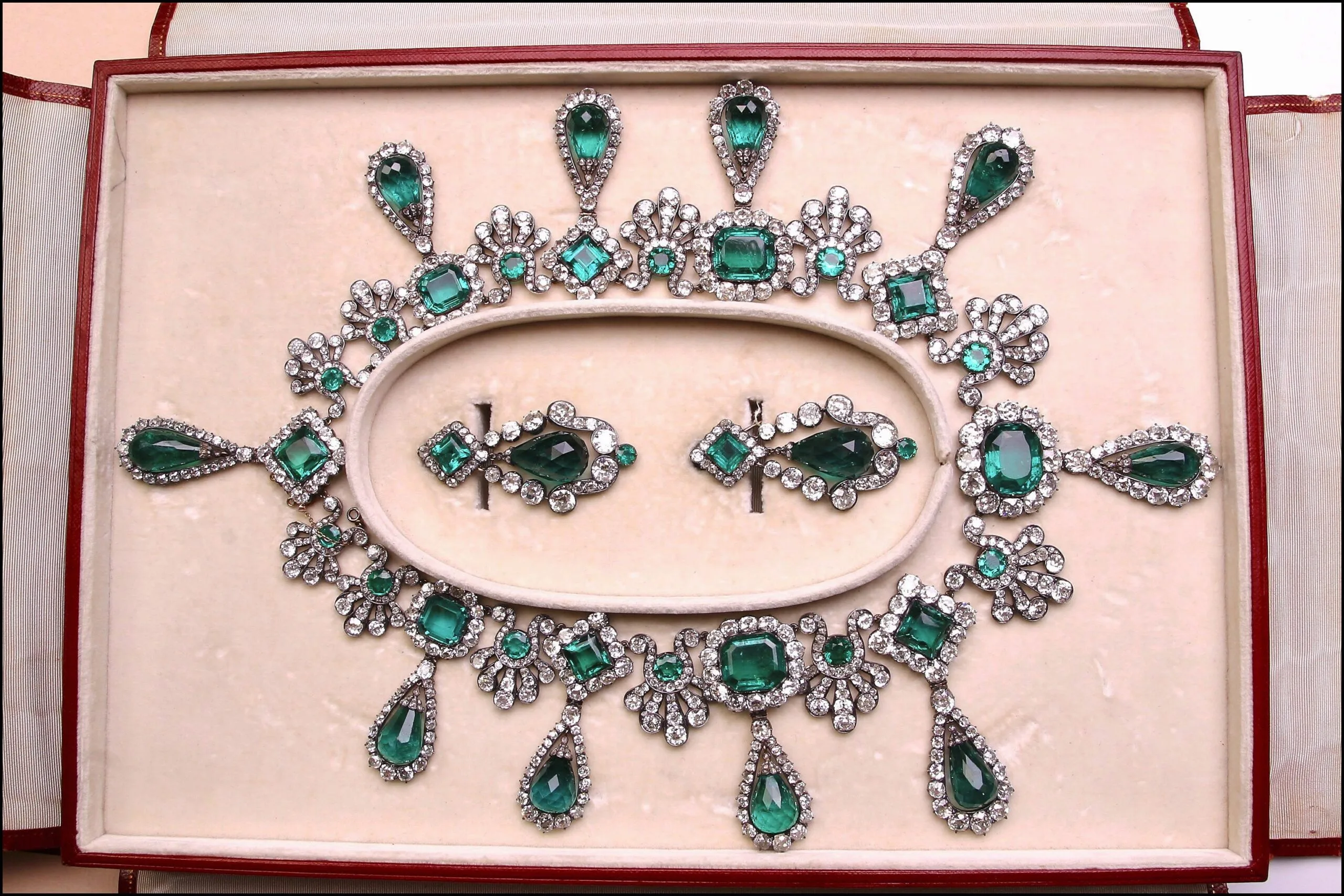
Empress Eugénie’s crown was found damaged near the Louvre, reportedly dropped in the thieves’ haste to escape.
Another item stolen from Empress Eugénie’s collection was a brooch, known as the “reliquary brooch.”
A tiara, necklace and single earring all from Queen Marie-Amelie and Queen Hortense’s sapphire set.
It’s believed Queen Hortense was the original owner of the sapphire jewels, but daughter-in-law Marie-Amelie acquired them in 1821.
Has the Louvre Museum been robbed before?
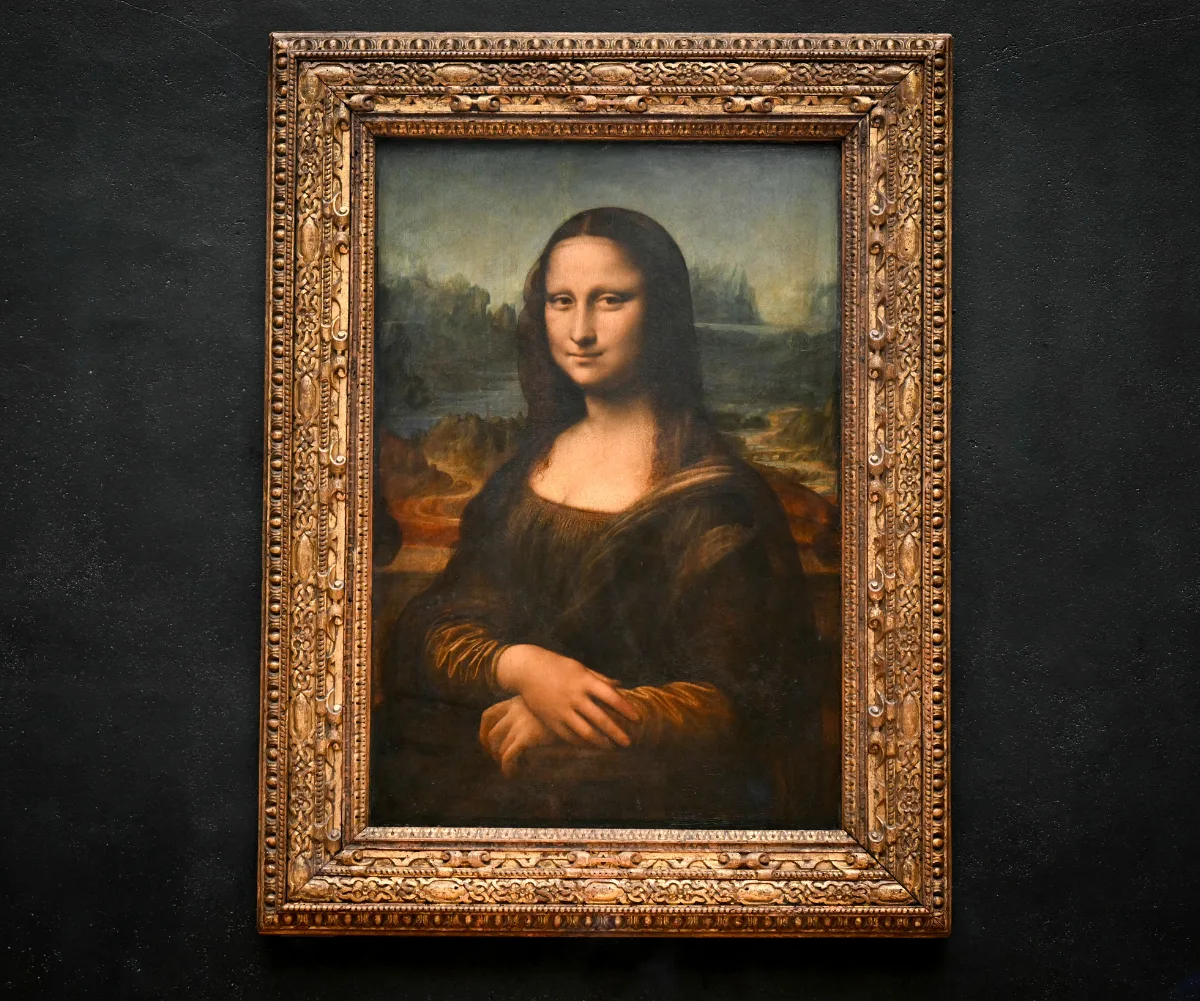
One of the most famous artwork thefts occurred in 1911 at the Louvre: the Mona Lisa by Leonardo Da Vinci.
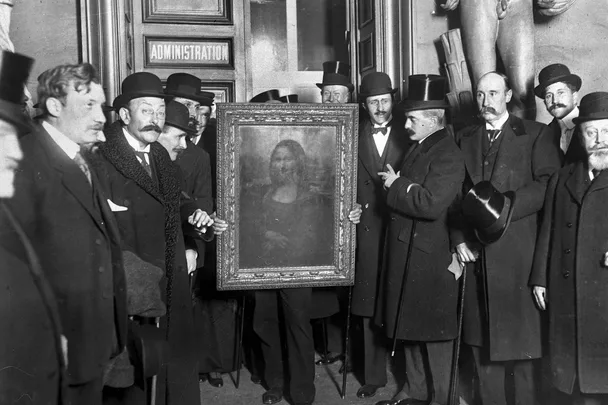
A thief dressed as an employee wandered the museum halls, without raising an alarm he simply removed the painting from the wall. He then had time to extract the painting from its frame.
It took 24 hours for employees to notice the Mona Lisa’s disappearance. The portrait didn’t return to the wall until 1914.
The heist undoubtedly boosted the artwork’s popularity, and remains a well-known story even over a century later.
What was the Louvre Museum originally built for?
The Louvre has had many purposes in its lifetime: fortress, home and museum.
Built in the 12th century by Philip II, it was originally designed to protect Paris from invasions from the west. The Louvre remained a defensive stronghold until additional structures were built on the city outskirts.
It then received a remodel in the 16th century. Francis I renovated the original fortress to become a Renaissance-styled residence.
French loyalty then moved to the Palace of Versailles in 1682.
Following the French Revolution, the structure became a public museum in 1793.
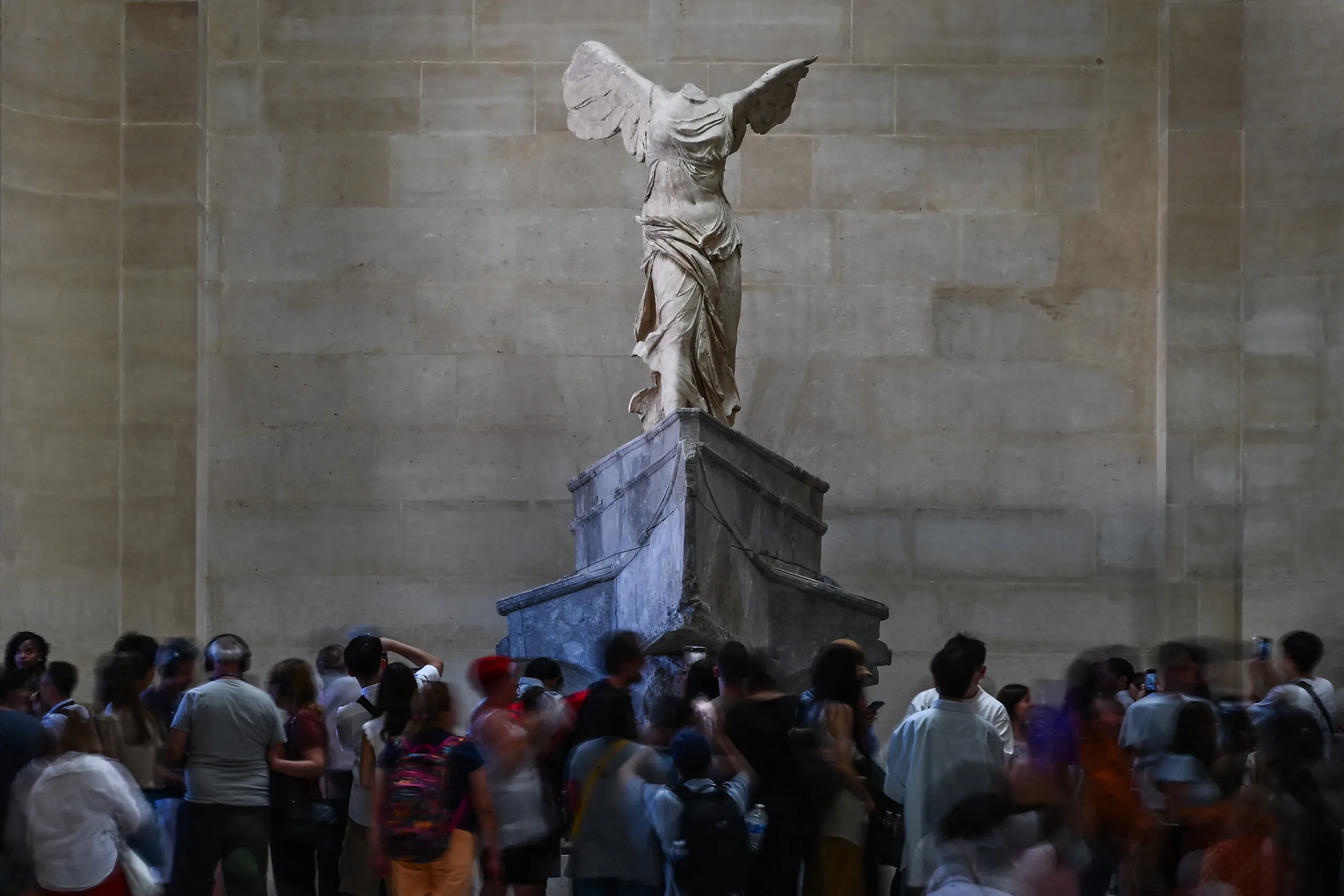
What are the big three at the Louvre Museum?
There are countless statues, artworks, and jewels to be seen at the Louvre. But most visitors visit to see the Mona Lisa, the Venus de Milo, and the Winged Victory of Samothrace.
As previously mentioned, the Mona Lisa was created by Leonardo Da Vinci.
One of the most famous marble sculptures was created around 150 to 100 BC, the Venus de Milo.
She is originally a Greek piece, but was given a Roman name. Venus is the Roman counterpart to the Greek goddess of love and beauty, Aphrodite. Meanwhile, ‘de Milo’ simply refers to the island where she was found.
The Winged Victory of Samothrace, otherwise known as the Nike of Samothrace, dates back to roughly 190BC.
She was discovered in 1863 on the Greek island of Samothrace in the Aegean Sea. The statue was an offering to the gods, representing the Nike, goddess of Victory about to land on a ship whose sailors have emerged victorious from battle.

Related stories

Native ad body.
Native ad body.




Native ad body.