




At a glance…
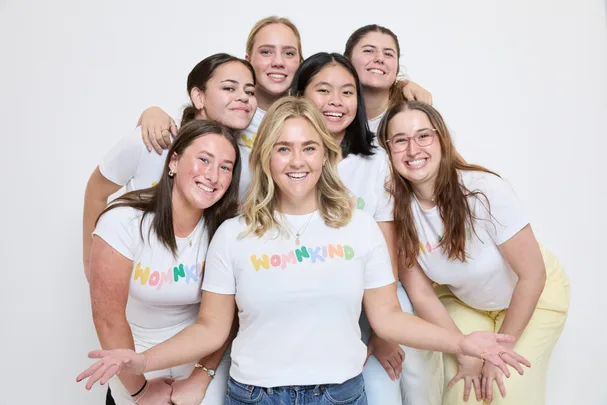
- Ruby couldn’t get the right mental health support in her regional town, so she built an organisation, Womn-Kind, that helps thousands
- In 2024, she was a finalist in the Agrifutures Rural Women’s Award.
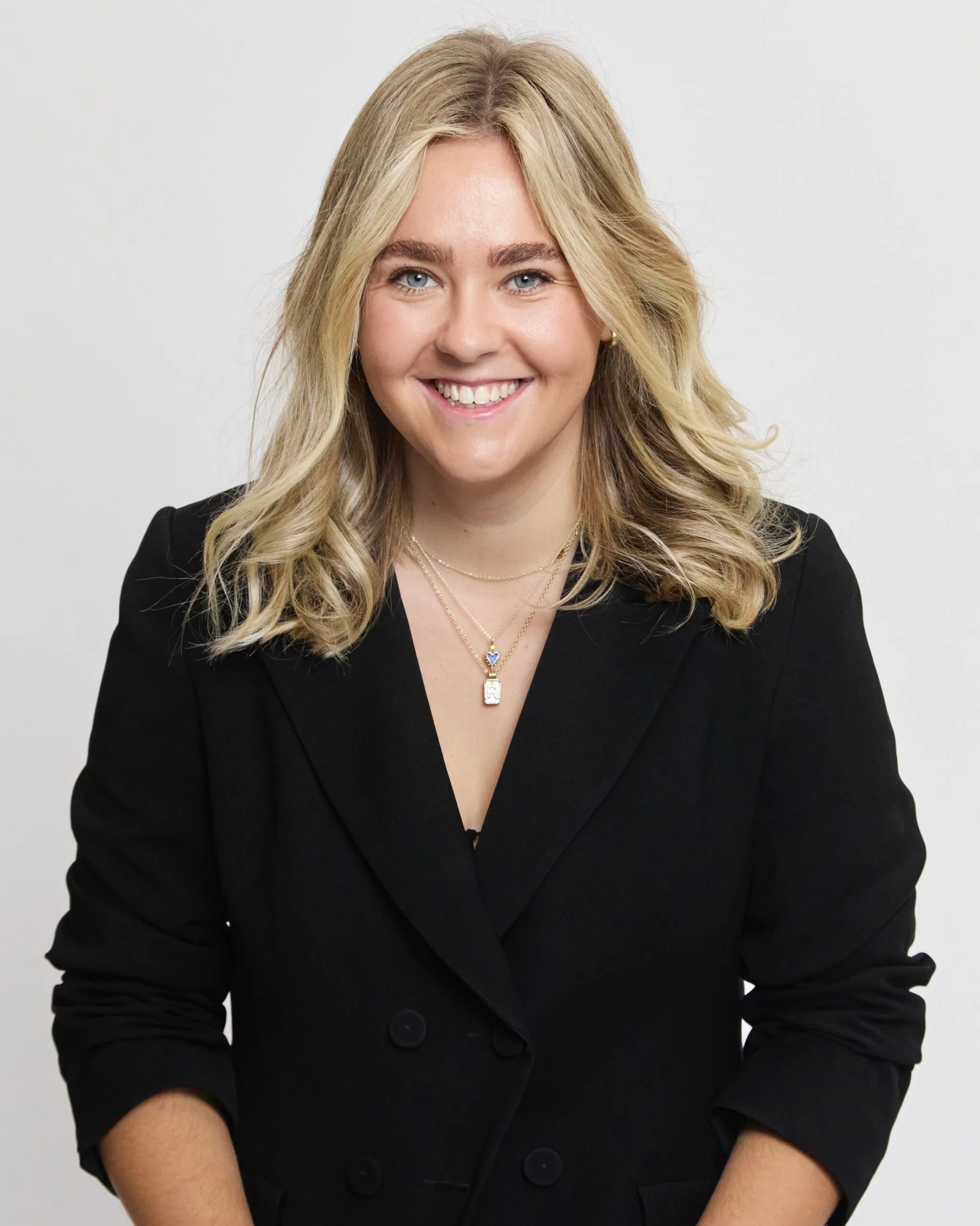
Ruby Riethmuller was a high achiever, so when she realised she had anxiety at 16, she was shocked and scared the label would change how people saw her. Growing up in the regional NSW town of Wagga Wagga meant services were hard to access. In 2020, she set out to bridge the gap between young people living in rural, regional and remote areas and meaningful mental health support.
In 2024, she was named a finalist in the AgriFutures Rural Women’s Award, super-charging her organisation. Today, Womn-Kind has reached more than 50,000 young people across Australia, most of whom live outside of city centres. In an interview with The Weekly, she says mentorship and support have been vital to its growth.
Can you share a little about your experience navigating mental ill-health while growing up on a farm?
I probably didn’t realise that I had anxiety until I was about 16. Initially there was a lot of denial because I didn’t want to be seen with that label, especially growing up in a regional place like Wagga where those conversations just weren’t had. I felt like that label would limit what I was able to do or how people saw me.
I was a very high-functioning, Type-A, eldest daughter, over-achieving person. And I think I had gotten so used to my baseline of anxiety that I didn’t realise it was taking a toll on me. So, I went on a journey to access support. But every path that I went down didn’t feel like it was hitting the spot.
My first psychologist was a 70-year-old male, and even though he was obviously well-educated and well-intentioned, there was a general disconnect.
I realised very quickly that the kind of support I was looking for didn’t really exist, and it did sit more in that prevention and early intervention stage. My mental health wasn’t at crisis point, so I always felt like it was something that could wait.
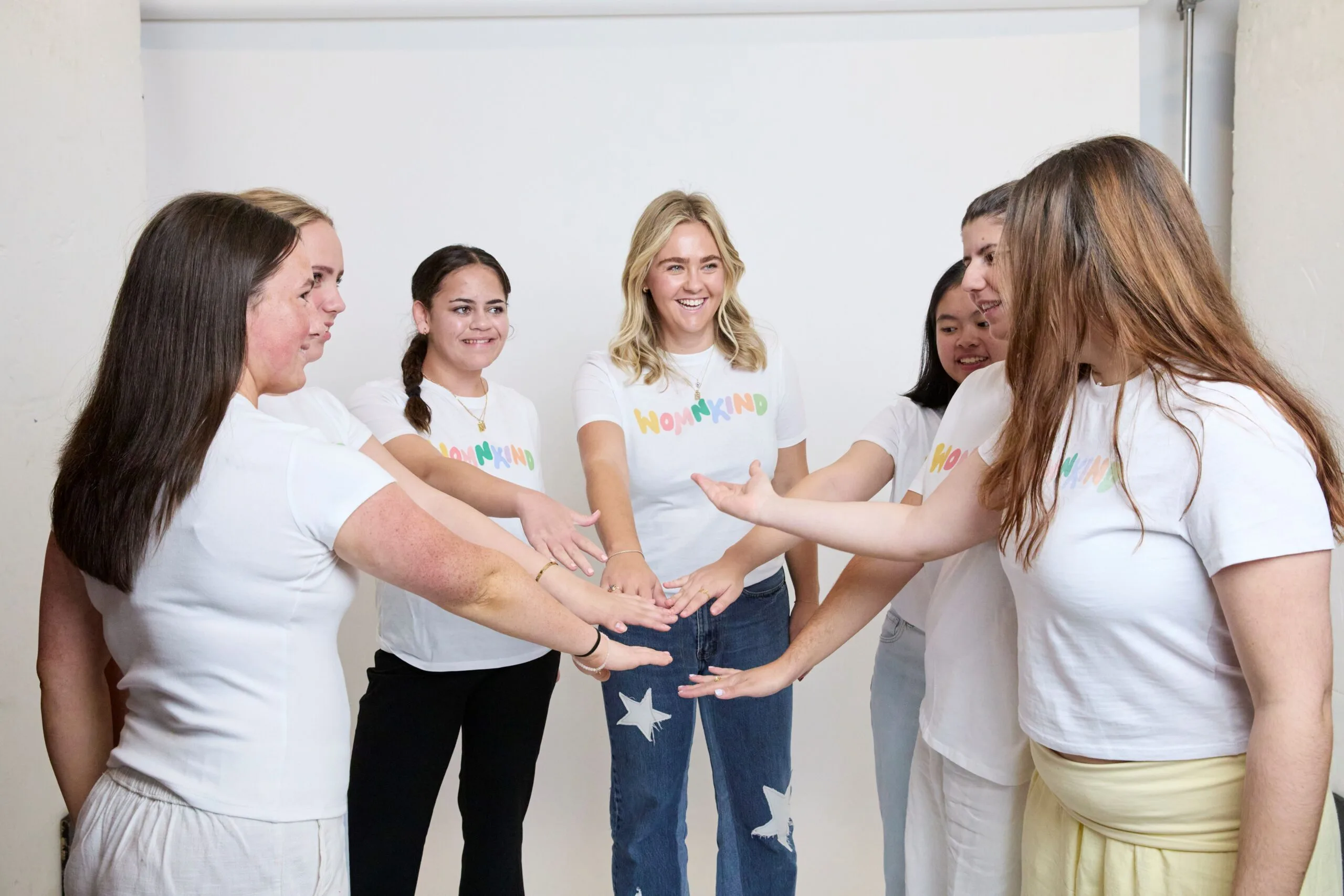
Now, Womn-Kind is positioned to meet people in that space, that missing middle that we speak about so often in Australia’s mental health care system, and actually prevent them from getting to that crisis point. [It’s] more a big-sister source of support. Our mentors, who are qualified in mental health first aid, having proximity to those issues is the best way for us to make connections and form trust with the young people we support.
How did you come up with the idea for Womn-Kind? How did you put your idea into action?
I kept talking about it, and how frustrating it was that things weren’t working. I remember one day speaking to my friend, and she said, “Either do something about it, or stop talking like you could because we both know that you can.”
It was this realisation of, “What did I have to lose in trying out this idea that I thought would help make the journey easier for others? If I can make the journey easier for one person who follows in my footsteps, that will be worth it.”
At the time, it was also COVID, so that did make everyone appreciate technology in connecting people with support services.
I made a list of everyone I knew, from old teachers to my own psychologist, and asked them to meet with me. I told them my idea. Every time I met with someone, I asked them to connect me with five people who would be able to get me closer to the thing that I envisioned. It’s honestly just learning as I go. Still to this day, it is a work in progress.
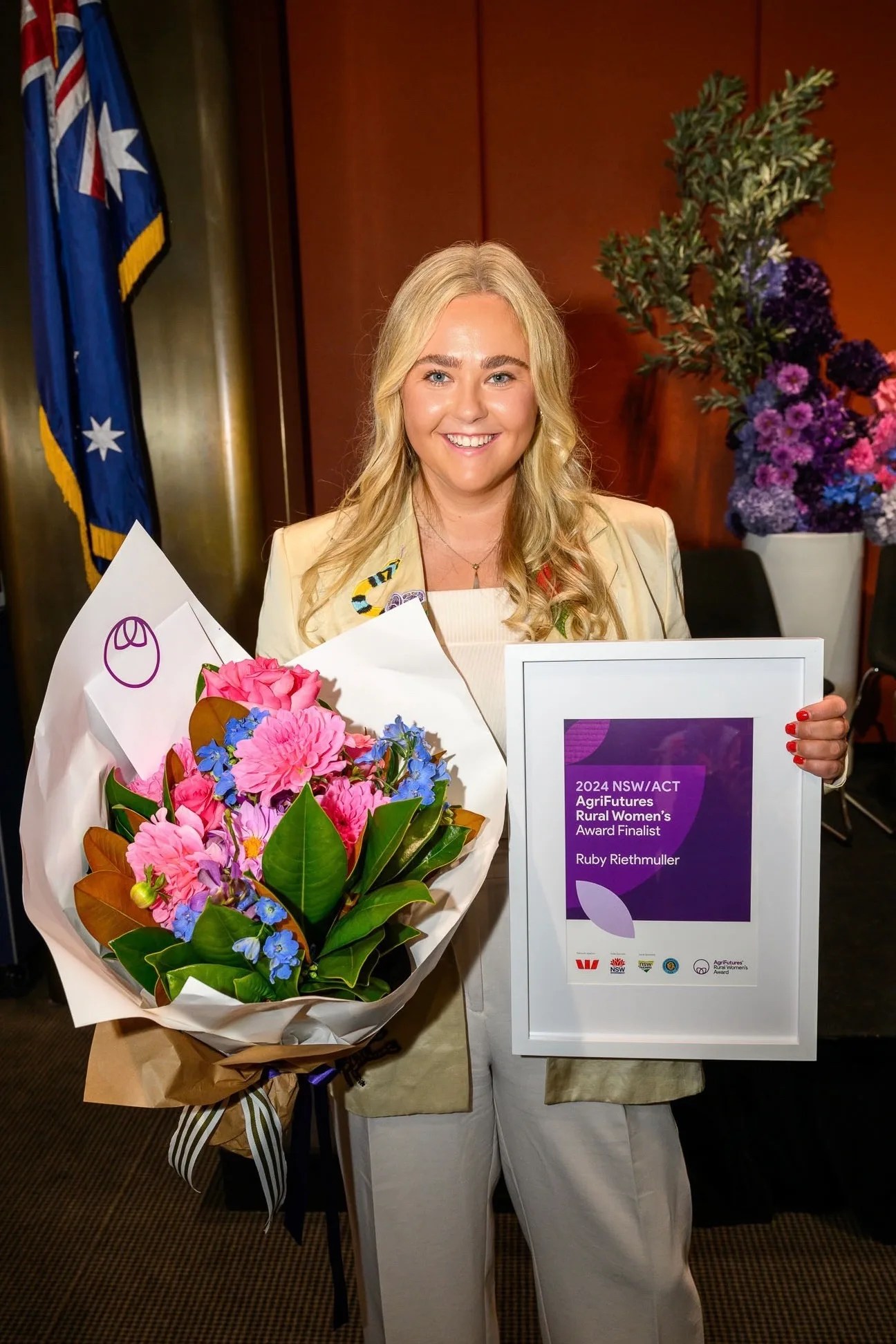
In 2024, you were named a finalist in the NSW/ACT AgriFutures Rural Women’s Award. What opportunities did that open up?
Being surrounded by like-minded women who are building things for and in regional Australia really opened my eyes to new ways of working and new perspectives.
The community that [the AgriFutures Rural Women’s Award has] built is in a whole other ballgame when it comes to how engaged the alumni are. Everyone has a very similar level of generosity and genuine interest, a spirit of making regional, rural and remote Australia a better place for people to live in. That was amazing.
Something I didn’t realise about starting a business is that it can be really lonely at times. So to be able to have had the network surround me at an early stage of my business really helped me with going for different opportunities and being able to pick up the phone and talk to someone.
Before you’ve been given the opportunity to participate in one of these awards programs, you have a little bit of imposter syndrome. Like, I’m not going to apply; that’s beyond me. For me, being selected into that program has given me the confidence to go for other opportunities.
Without the support of those awards and the recognition, I really don’t think we would have been able to reach over 50,000 young people. More than 65 per cent of those were from regional, rural and remote communities.
How did being an AgriFutures Rural Women’s Award finalist change Womn-Kind?
When I was going through the award, our focus was on the Riverina, which is where I was born. And while that area really needed the support, being part of the program really expanded my horizons. The award allowed me to think that it didn’t have to be limited to one region. Now Womn-Kind operates in all states and territories across Australia. It was through the award and people I met through the award that I was able to scale the business.
Why is it important to have services dedicated to people living outside of metropolitan centres?
Firstly, there is a real lack of support services in those regions. For example, where I grew up, there are still only two registered psychiatrists servicing a population of over 250,000 people.
Beyond the actual lack of access and support services, there are so many additional barriers. Regional, rural and remote areas often have really limited, if any, public transport, so getting to sessions is a real challenge. Also, in smaller towns, when it comes to group therapy, people won’t go because they’re nervous they will know someone.
A big misconception that people who live in metropolitan areas have is that Telehealth exists. But it’s very hard for a practitioner who lives in central Sydney to be able to relate to the experiences of a farmer in far-west NSW. It’s really important that the services available to people outside the city are also delivered by people outside the city, who understand those more complex and nuanced challenges.

What is your proudest moment at Womn-Kind?
Where I grew up in Wagga, the population is 60,000. The fact that we’ve supported over 50,000 is a really bizarre concept for me to grasp, but I’m really proud of that. Honestly, what I’m proudest of is when we receive a message from a young person telling us about the impact that Womn-Kind has had.
Two moments stand out. One is that a young woman reached out to us and told us she now uses the Womn-Kind app to learn the things that her mother didn’t have time to teach her before she lost her battle with cancer. Her story is one that stays with me every day. Another is that I was sitting at an airport and a woman I didn’t know tapped me on the shoulder. She had tears in her eyes and said her daughter wouldn’t have survived high school without Womn-Kind. Those are definitely my proudest moments.
What are your goals for the future?
We very ambitiously have a goal to meet one million young people by 2030. The goal is to keep meeting young people where they’re at, not assuming that we know what kind of support they need. We’re always open to evolving our services and ways of working and our products.
Applications for the 2027 AgriFutures Rural Women’s Award open on Wednesday, 9 September 2026.

