




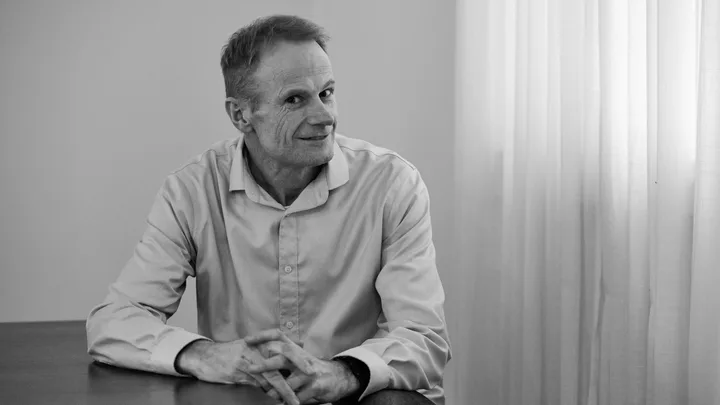
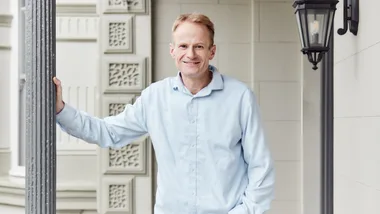
One of the world’s most renowned cancer pathologists, Professor Richard Scolyer AO, has died after a long and valiant battle with an aggressive form of brain cancer. The beloved public figure defied the odds of his terminal diagnosis, continuing to work, advocate and compete in athletic events long past his life expectancy.
His family shared an open letter “to All Australians” written by Richard Scolyer, which was posted to his social media accounts on the day they announced his death.
As co-medical director of the Melanoma Institute Australia, Richard’s pioneering immunotherapy work with Professor Georgina Long saved thousands of lives and changed the trajectory of melanoma treatment.
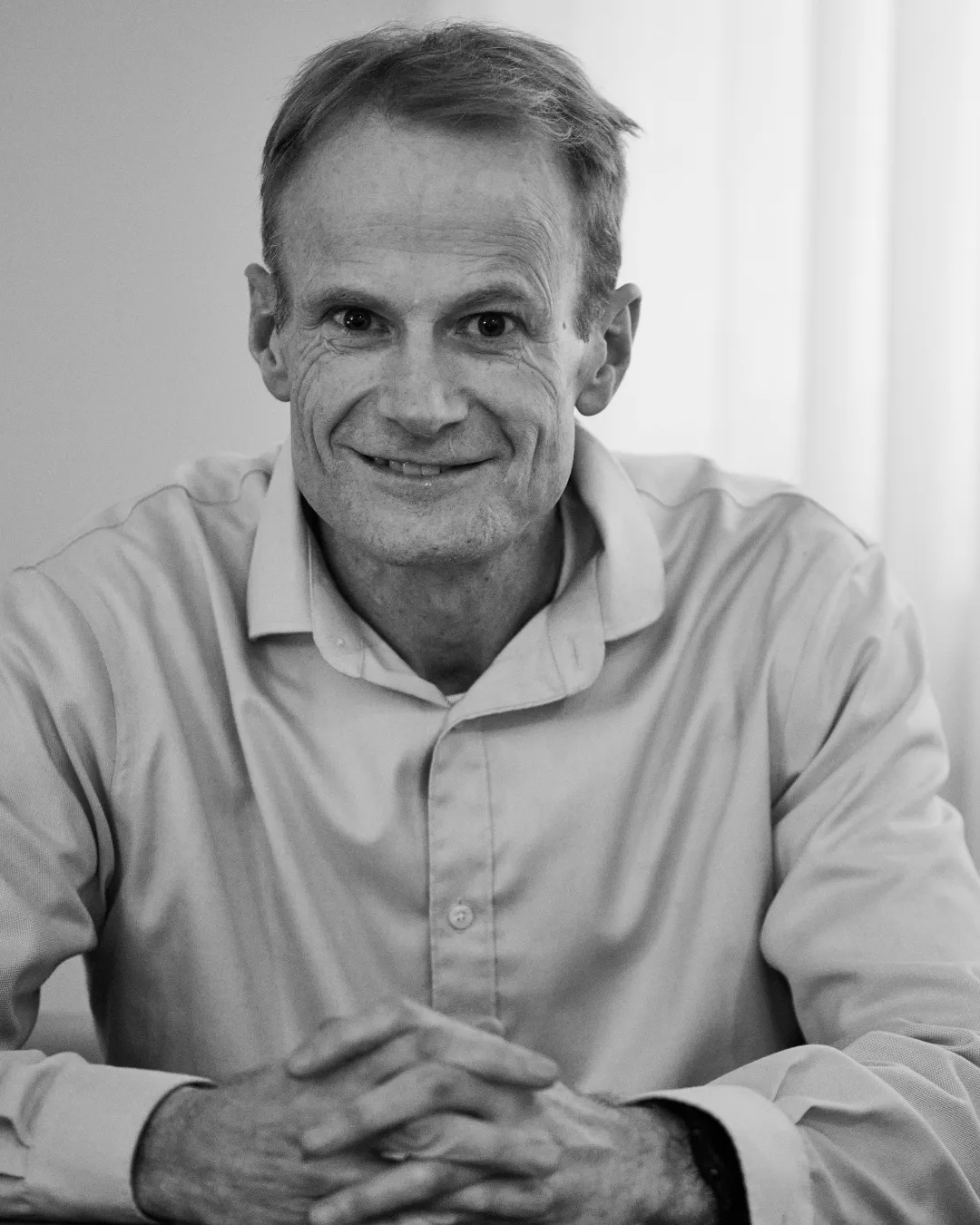
Richard was an avid spokesperson for sun-safe behaviour and melanoma prevention, but it was his own Grade-IV IDH-wildtype glioblastoma that brought him widespread fame and admiration. When he went public with his decision to fight his terminal tumour with an experimental treatment, the nation followed his every update.
In early 2025, when Richard made the grim announcement that his tumour had returned, he took comfort from the optimistic data generated by his experimental treatment. There is, he told The Weekly in his final year, “a lot of hope” that the treatment may help change the fate of other brain cancer patients in the future.
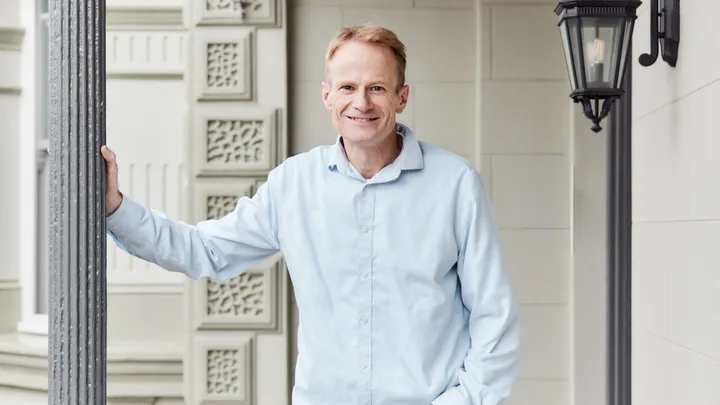
Born in Launceston in 1966, Richard’s childhood was disrupted when his mother suffered a series of strokes. But his memories were mostly happy. His intelligence and leadership skills came to the fore at school. When he started working in pathology, he discovered just how driven he was.
His stellar professional achievements were not about wanting a successful career. “I wanted patients to get the right diagnosis so they could get the best treatment and return to being healthy again,” Richard told The Weekly in 2024.
He took a job in Canberra and would make the three-hour drive to Sydney most Wednesday afternoons to attend a session called “Too Hards” at the University of Sydney, followed by a lecture at Royal Prince Alfred. Pathologists would bring in cases that stumped them. These lectures lit a fire under Richard.
“I loved recognising things that were really rare,” he says. “I pushed myself pretty hard.”
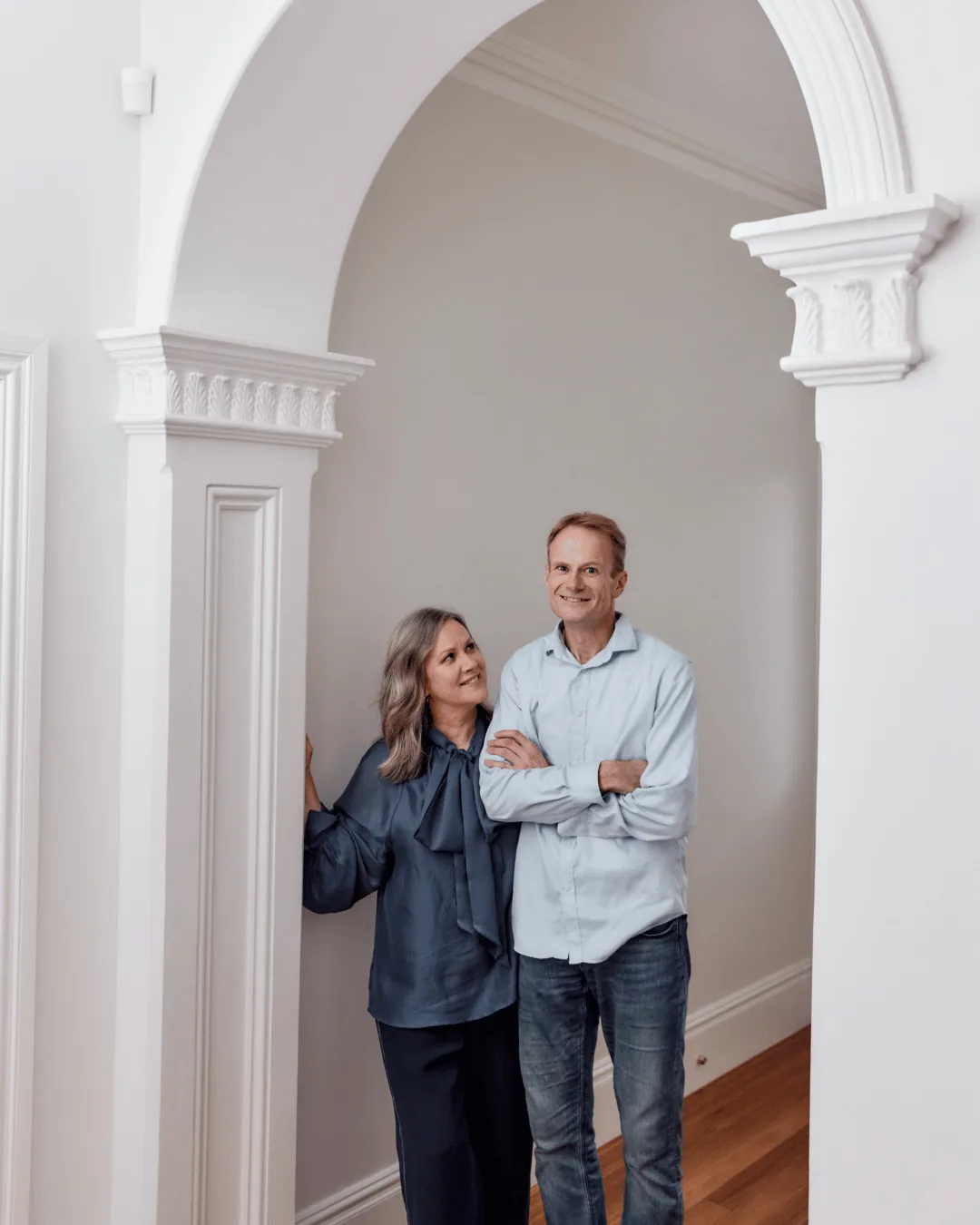
He moved to Sydney, where he met his wife, Dr Katie Nicholl. Together they had three children: Emily, Matthew and Lucy. For decades, Richard worked to improve treatments and outcomes for cancer patients. In January 2024, Richard was jointly named Australian of the Year with Professor Georgina Long.
In September 2025, Prime Minister Anthony Albanese announced $5.9 million in funding had been allocated to establishing the Richard Scolyer Chair in Brain Cancer Research to speed up research into brain cancer and expand clinical trials.
Speaking at the event, Richard said he had dedicated his life to making a difference to people.
Our condolences to the Scolyer family and all those whose lives were touched by Richard. From all at The Australian Women’s Weekly team.
Vale Richard Scolyer AO.
Open Letter to all Australians from Professor Richard Scolyer AO:
My fellow Australians,
I pen this letter as a final goodbye to all those I have had the immense privilege of loving, sharing life’s adventures with, working alongside, and meeting during what can only be described as a life filled with happiness, optimism, opportunity and passion.
My intention is for this letter to be published upon my passing as my final farewell.
I cannot thank my beautiful wife Katie and my adored children Emily, Matthew and Lucy enough for their love, their support, their strength, and their compassion.
They are shining examples of the best of humanity and make me extremely proud.
To my research and clinical colleagues, I implore you to stay inquisitive and brave and keep striving to break new ground.
To all cancer patients, I encourage you to consider enrolling in research and clinical trials if on offer.
And to government and the wider community, please keep funding science and medical research.
This is the most impactful way that you, too, can make a difference.
Perhaps the greatest lesson to come from these last three years is that cancer does not define us. It may be the current road we are travelling, but it is not our entire journey.
A terminal cancer diagnosis does, however, provide clarity as to what truly matters.
It shines a spotlight on the importance of relationships, on true friendship and on selflessness.
If my legacy was to continue beyond these words, I would be delighted and humbled to be remembered as a proud everyday Aussie who “gave it a crack”, and in doing so, inspired others to pursue their dreams and passions with humility, love and compassion.
With much love and gratitude,
Richard

