




Content warning: This article discusses domestic, family and sexual violence, and alcohol use, which may be triggering to readers. Help is available.
“As someone who’s played the game, it makes me feel ill,” said former NRL player Luke Bateman on 10 News Plus when discussing the spikes in gender-based violence during major sporting events like State of Origin.
“It sits really uncomfortably with me to know that we get spikes of up to 40 per cent of family violence on the nights of what should be our greatest showpiece, which everyone loves, and everyone celebrates, and it’s causing so much harm for people.”
Research from FARE does state that there is a 40 per cent increase in domestic violence in NSW on the nights of the State of Origin. Furthermore, it says that Victorian police received a 20 per cent increase in calls on AFL Grand Final night.
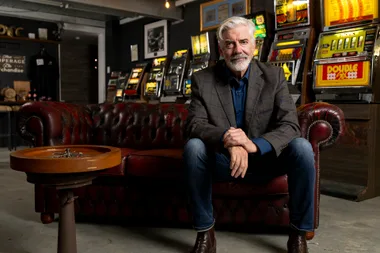
However, Luke says that it’s not sport that is causing the violence, it’s the people and the culture.
“It’s not the game of football that needs to change; it’s the culture around it. These nights are increased alcohol, increased gambling, heightened emotions, and it just comes with the culture and the acceptance we have of violence and aggression within our society. And we need to shift that.”
Ahead of the State of Origin Game II tonight, I reached out to Naomi Pearce, Founder and Director of Wellbeing at TFA Legal, who is a psychological counsellor and family law expert, to speak about the endemic of domestic violence.
“For many Australian families, State of Origin is the sound of cheering in the lounge room, children in jerseys, friends gathered around the television and a shared sense of ritual. But for other families, the same night feels completely different,” Naomi says. “It is not excitement they are preparing for. It is risk.”
“Victim-survivors know the rhythm of these nights. They know when the drinking starts, when the mood in the room changes, and whether the score, referee, a lost bet or a small trigger may be used as an excuse for intimidation, humiliation or violence later in the evening.”
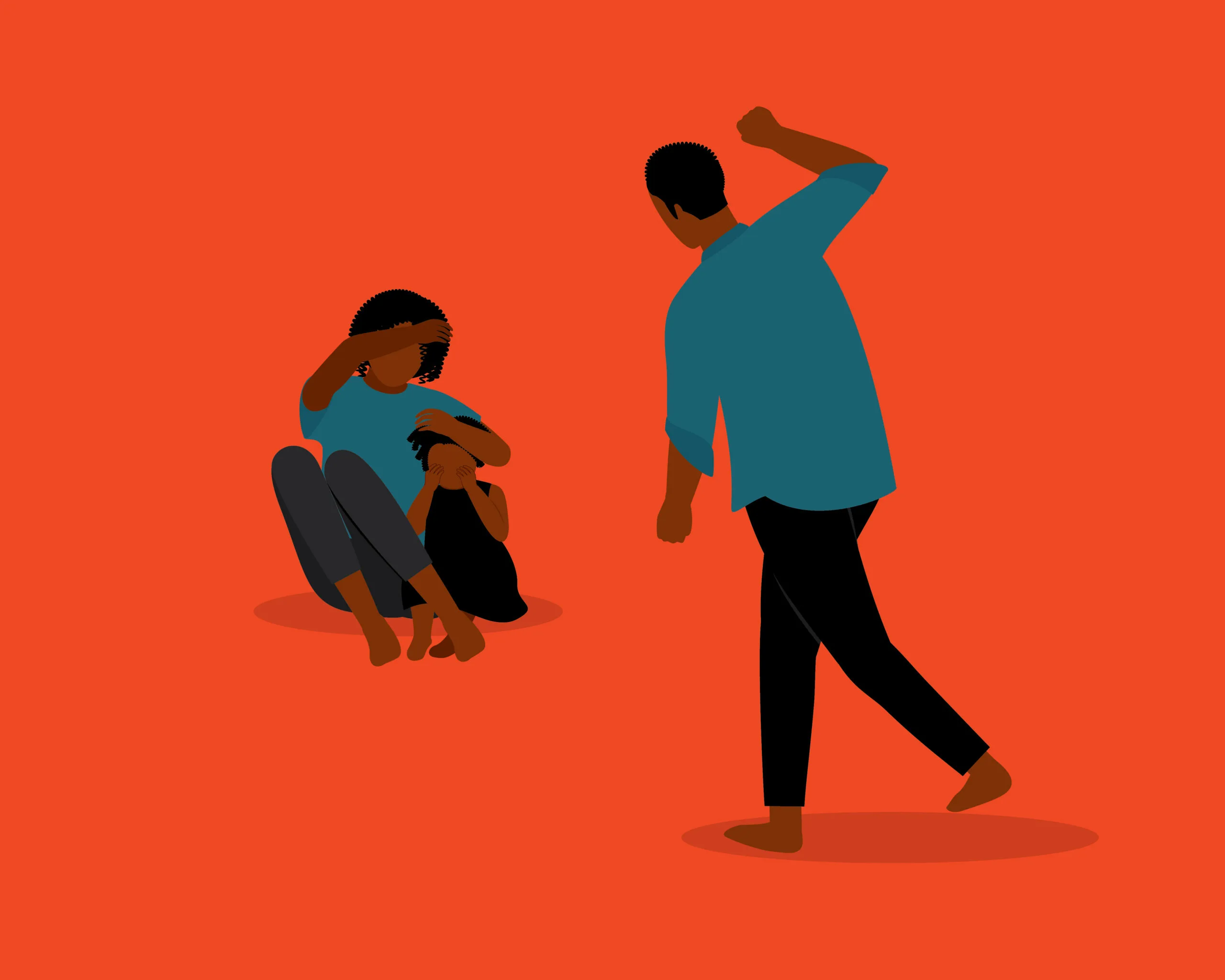
“Australian data has repeatedly shown an increase in domestic assaults around major sporting events,” adds Naomi. “Our Watch has reported that on State of Origin nights, domestic assaults in New South Wales increase by up to 40 per cent. Earlier analysis of NSW Bureau of Crime Statistics and Research data, reported publicly in 2018, found State of Origin nights were associated with an average 40 per cent increase in domestic assault and about a 70 per cent increase in non-domestic assaults.”

She also agrees with Luke that it’s not the sport, it’s the culture.
“State of Origin does not cause domestic violence. Perpetrators cause domestic violence.”
However, she says that sporting events like State of Origin can facilitate the environment for domestic violence to occur in households with existing issues.
“Heavy alcohol consumption, gambling, hyper-masculine aggression, peer pressure, entitlement and a belief that the person using violence is entitled to take their stress, rage or disappointment out on the people closest to them,” Naomi lists. “Adrenaline matters because major sporting events are designed to heighten the body. There is noise, tribal loyalty, competition, suspense, frustration, victory and defeat. The nervous system is activated. In a healthy home, that intensity rises and falls safely. In an unsafe home, that heightened arousal can become part of the risk pattern.”
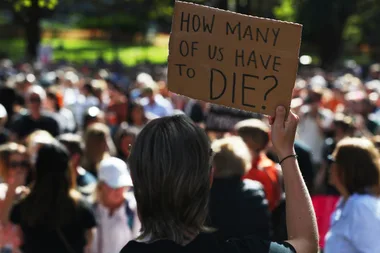
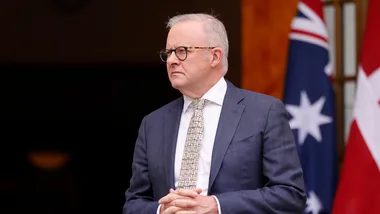
The Domestic, Family and Sexual Violence Commissioner, Micaela Cronin, has declared domestic violence a national crisis. Furthermore, in 2024, Prime Minister Anthony Albanese convened a panel of experts to combat and prevent gender-based violence. These experts published a report, Unlocking the Prevention Potential, which laid out some sad statistics, including stats from the National Community Attitudes towards Violence against Women Survey (NCAS) in 2021: Some of the most alarming data points were:
- 1,710 female victims of intimate partner homicide in Australia from 1 July 1989 to 30 June 2024.
- 1 in 4 women (23 per cent or 2.3 million) and 1 in 14 men (7.3 per cent or 692,000) experienced violence by an intimate partner since the age of 15.
- 1 in 4 women and 1 in 7 men experienced emotional abuse by a current or previous cohabiting partner since the age of 15.
- Women living outside major cities were 1.5 times as likely to have experienced partner violence as women living in major cities (23 per cent compared with 15 per cent).
- Women with disabilities are twice as likely to report an incident of sexual violence over their lifetime as women without disabilities (33 per cent compared to 16 per cent).
- Around 9 in 10 filicides (murder of children) occurred in a domestic and family violence context.
The report calls for a whole-of-society approach that shifts Australia’s focus from reacting to domestic and family violence to preventing it through earlier intervention, stronger support systems, greater accountability and long-term cultural change. This includes addressing the underlying drivers of violence, improving support for victim-survivors, intervening earlier with perpetrators, strengthening systems and services, and treating gender-based violence as a long-term national priority.
On May 20, 2026, former rugby union player and current Australian Federal Independent Senator for the ACT, David Pocock, also spoke out about male violence.
“Five women and two children were murdered by men in Australia in just the last week,” David said in a video on his social media. “That’s 29 women and nine children that have now been murdered in 2026, according to Australian Femicide Watch by Sherele Moody.”
However, since his post, that toll reached 32.
“Factors identified by experts as key contributors to violence, like alcohol abuse and gambling addiction, aren’t being comprehensively addressed,” David continues in the video.
Australians are the world’s biggest gamblers. In fact, we lose $31.5 billion to gambling from sports betting apps to pokies. Yet anyone tuning in for State of Origin or the FIFA World Cup will see plenty of ads for sports betting.
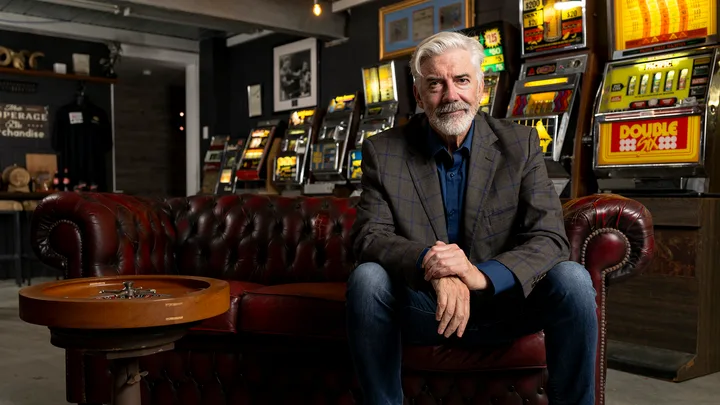
The government has enacted some limitations on gambling ads, from capping the amount on television and at certain times to banning ads online in certain circumstances.
“Yes, some good work is being done, and no, it is not enough,” David adds.
“When a person loses money, chases losses or hides gambling behaviour, the shame and financial stress can be displaced onto a partner,” Naomi also shares. “The Australian Institute of Family Studies has reported that intimate partner violence was experienced by 18.9 per cent of respondents whose current partner gambled weekly or more, compared with 6.8 per cent where the current partner had not gambled in the past year.”
These are stats that we shouldn’t take lightly.
“Gambling losses can become a weapon in the home,” Naomi continues. “A victim can be blamed for money they never spent, pressured to hand over wages, threatened over debt, or punished because the perpetrator feels humiliated or out of control.”
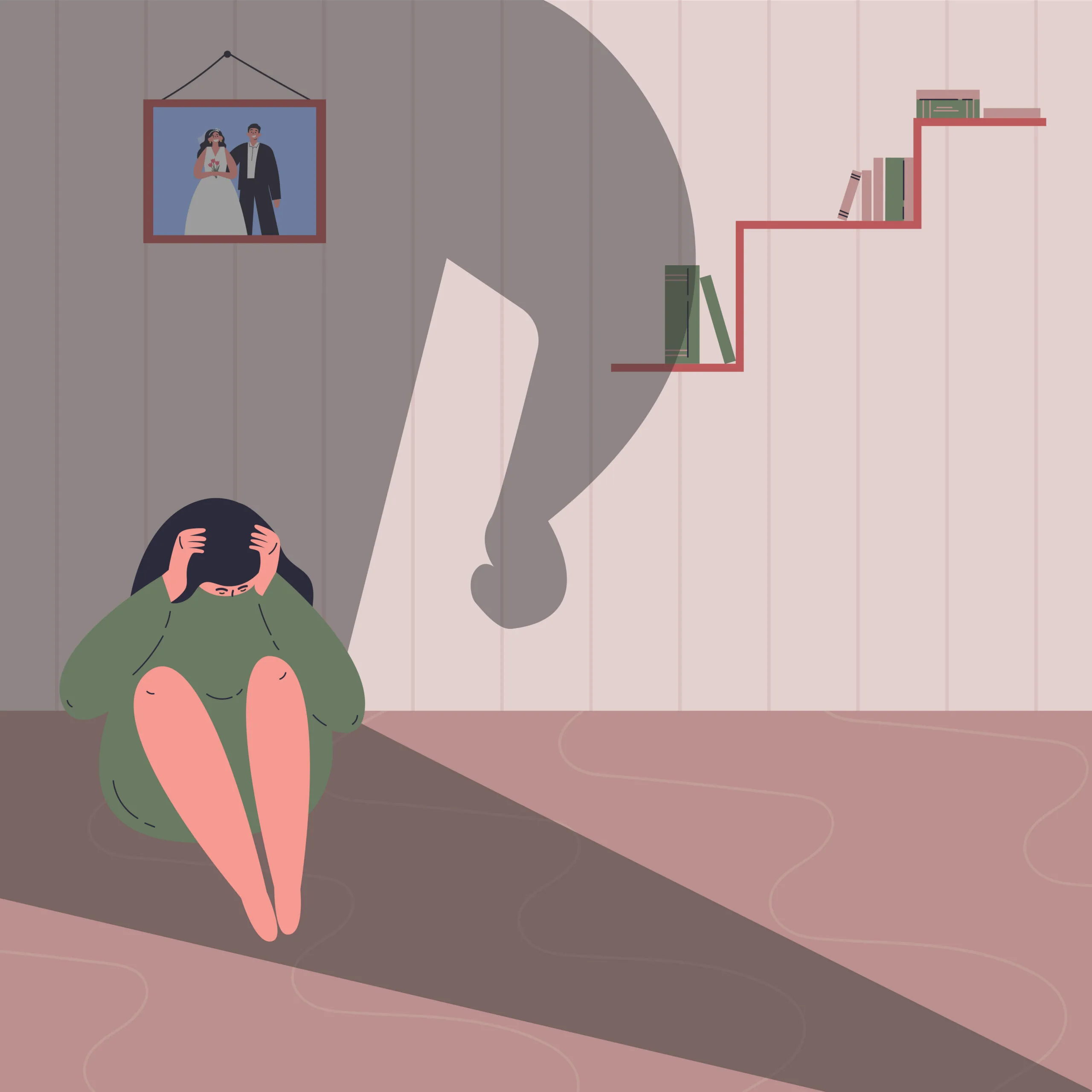
But she reminds me that violence isn’t always physical. It can be verbal, things could be thrown, property damaged, sexual pressure, or financial control. Actions that she fears are often labelled as relationship problems, which are actually safety issues.
So what should we look out for in our friends or family members?
“Someone may seem unusually anxious about getting home,” Naomi says. “They may be trying to keep children quiet, hide money, avoid a partner’s drinking, or make excuses for not attending a gathering. The person using violence may be pre-loading alcohol, obsessing over bets, becoming aggressive before the game, making threats about being interrupted or insisting that everyone in the house revolves around their mood. The biggest warning sign is fear. If someone is changing their behaviour to manage another person’s mood, that is not normal relationship stress. That is a sign they may be unsafe.”
Check in on those we believe may be at risk. Offer a safe space, a reason to call or an excuse to not go home.
“Do not confront the perpetrator in a way that could increase danger. Believe the person. Stay connected. Make it easier for them to leave if they need to,” she says.
And if we witness something either ourselves or recognise violence in our own actions, Naomi advises that we don’t need to wait until physical violence occurs to ask for help:
“If you are frightened, monitored, threatened, controlled, degraded, sexually pressured, financially trapped or walking on eggshells, that is enough. Safety should never depend on the final score. No woman, child or family should have to survive a sporting night.”
If someone is in immediate danger, call 000. If you or someone you know has been affected by any of the issues raised in this article, help is always available. Call 1800 RESPECT on 1800 737 732 or visit their website. Men worried about their own violent or controlling behaviour can contact the Men’s Referral Service on 1300 766 491. Aboriginal and Torres Strait Islander people can contact 13YARN on 13 92 76.