


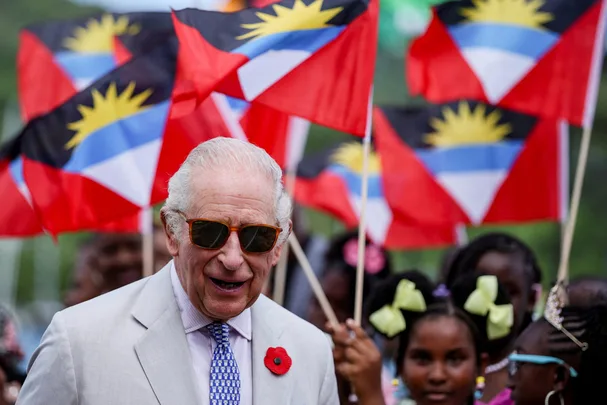
At a glance…
- King Charles III’s nine-day tour of the Caribbean could be the “trickiest of his reign,” says The Weekly‘s Royal Correspondent in London, Paola Totaro.
- Read on for her analysis of the King’s tour and its implications for relationships between the nations in the region and the Crown.
Royal tours are always a risky business even when meticulously planned by the most experienced courtiers and advised by seasoned diplomats.
For King Charles III, the Caribbean nine-day tour that is taking him to three countries – the Bahamas, Guyana and Antigua and Barbuda – may well turn out to be the trickiest of his reign. The visit will see him stride directly into the passionate and increasingly fierce debate over the payment of reparations, that is, financial restitution from nations that participated and benefited from the slave trade. And if that were not enough, there is the equally vexed and polarising question of whether Charles should apologise on behalf of the nation for what he himself has described as an “indelible stain” on British history.
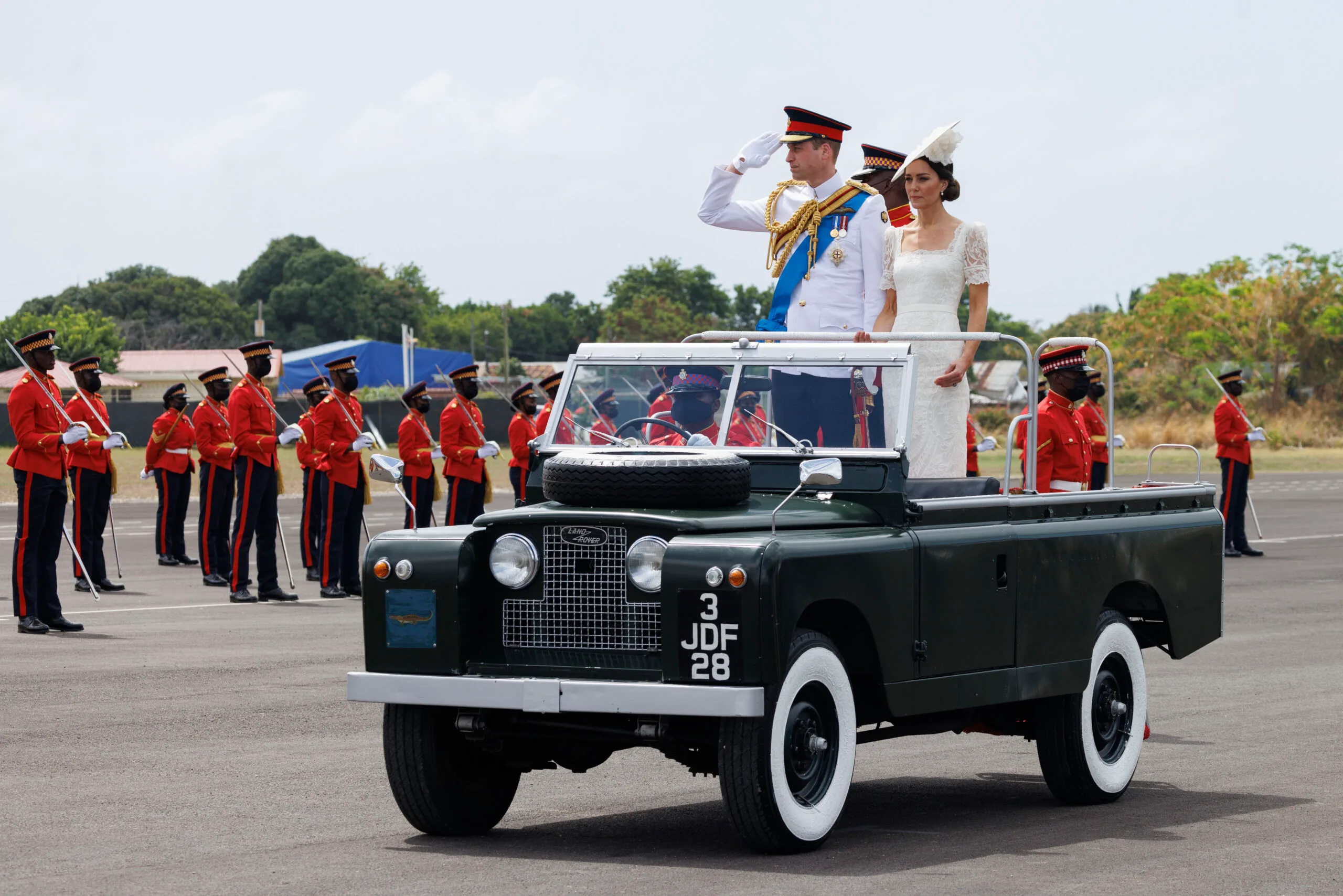
The King knows only too well that a turbulent ride awaits him: in 2022, when William and Kate, as the Duke and Duchess of Cambridge, embarked on a similar tour, including Belize and Jamaica, it unravelled badly as several logistical faux pas and protests sparked renewed debate around Britain’s colonial past and the future role of the monarchy in the Commonwealth. The two young Royals standing formally in an open Land Rover, behatted and dressed to the nines but far from the crowds, sparked comparisons with the Queen and Prince Philip’s tour in 1953 – and not in a good way.
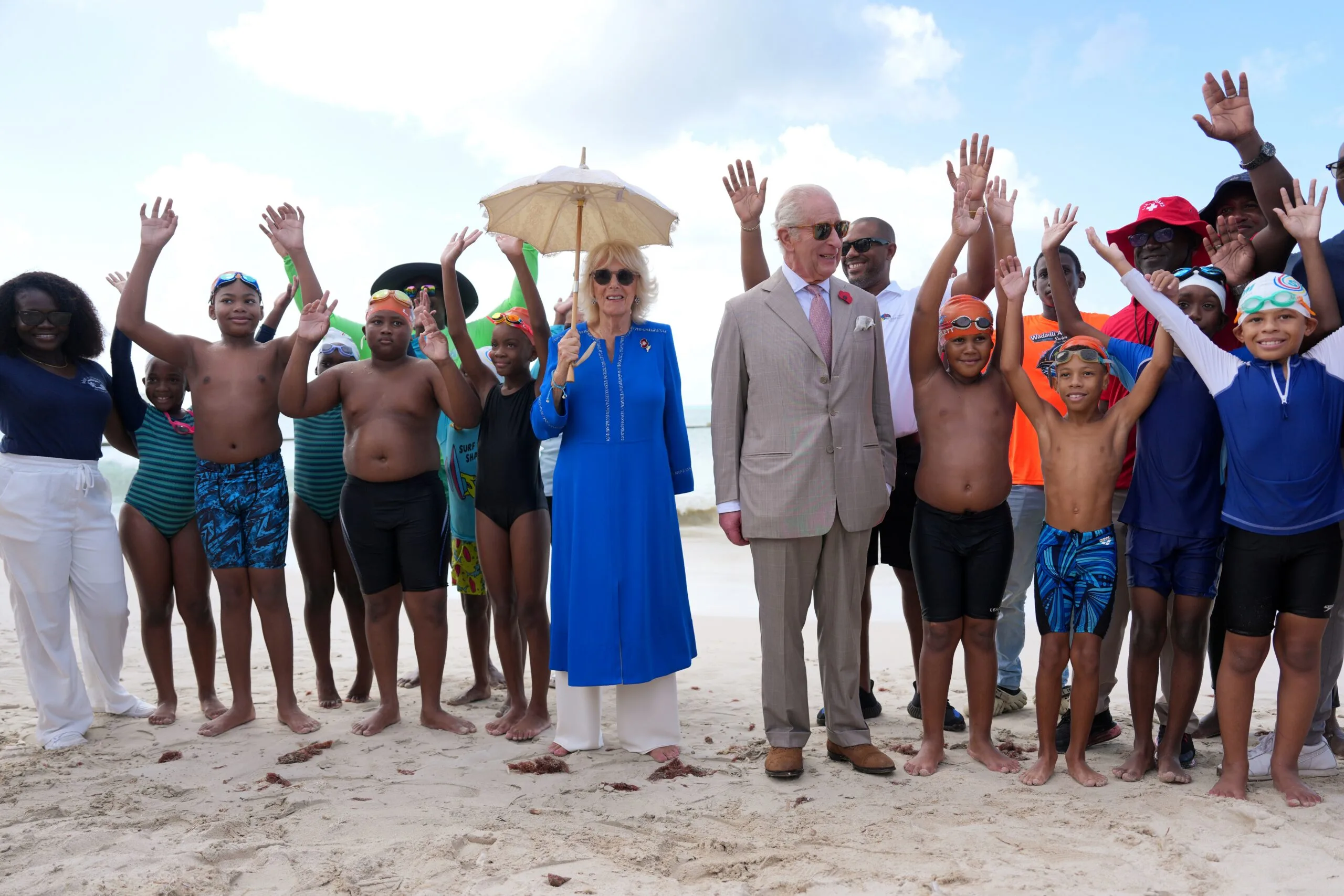
This time, Charles has chosen to travel solo (well, with the usual entourage of 12 or so secretaries and aides). He will only be met by Camilla and the UK Prime Minister, Andy Burnham, for the opening of the 56-member Commonwealth Heads of Government Meeting (CHOGM) in Antigua at the very end of the tour on November 2.
Chances are, though, that everywhere he stops, the King will be faced with questions about the knotty problem of Britain’s role in the historic slave trade and asked his view on reparations – a very different experience to the traditional pomp, ceremony and gladhanding of Royal tours.
Prior to the trip, the Palace briefed journalists informally that the King won’t “shy away” from the topic but made clear that he cannot offer an apology because he must, by constitutional protocol, stick to the UK government’s position that neither apologies nor reparations are necessary for acts that were not illegal at the time.
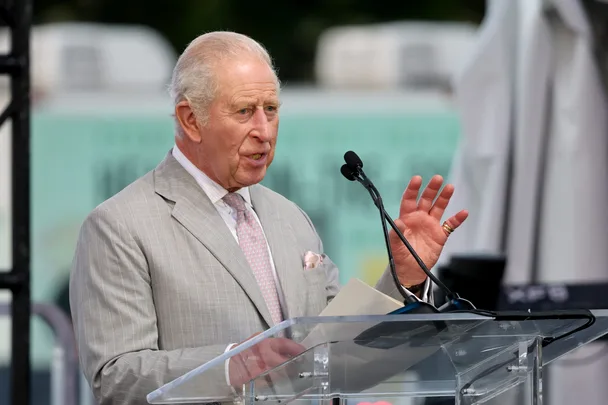
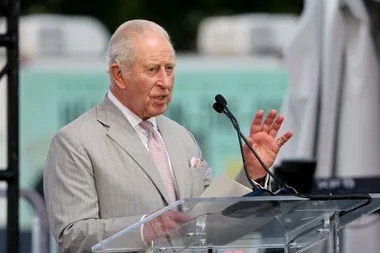
Palace sources suggested, however, that Charles would find every opportunity to reflect his own personal and wholehearted commitment to acknowledging the “darkest days” of Britain’s past. Sure enough, in his first speeches delivered in the Bahamas on arrival, he referred to the “great suffering of the past”, telling local youth that it was “only right” to admit historic injustice and acknowledging that their country’s “most joyful, most hopeful, most bright” culture was “born out of darkness”.
Between the 15th and 19th centuries, an estimated 12.5 million Africans were abducted and sold into slavery by European traders. Britain is believed to have moved some 3.2 million human beings across the Atlantic, making it one of the biggest slave-trading nations in the world.
Still, exuberant whoops and cheers greeted him Wednesday as he referred to the tradition of the ‘junkanoo’, a lively costumed dance and parade that celebrates islanders’ roots and yet, he noted, this too has its origins in slavery.

The issue of reparations has certainly gathered momentum across the Caribbean in recent years and only last month, CARICOM, the 15-nation economic and political regional bloc, stated bluntly that it wanted to see the topic placed formally on the agenda at the summit.
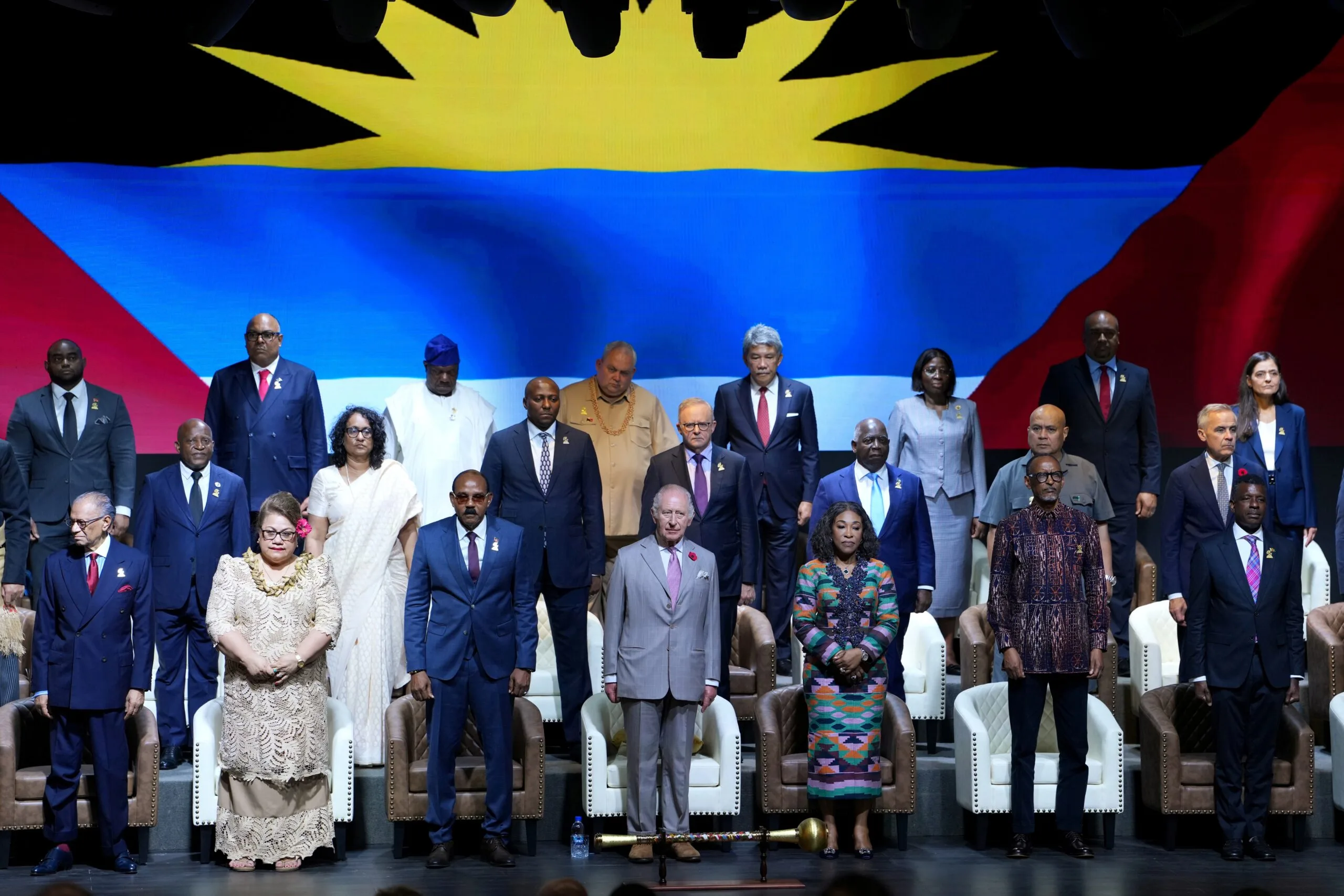
Caribbean state leaders are certainly not mincing words. The Commonwealth Secretary-General, Shirley Ayorkor Botchway, Ghana’s former foreign minister, stated bluntly that the “time has come” for reparations talks, while President Ali of Guyana, who will meet Charles in the capital, Georgetown, told ITV last week that Britain “benefited tremendously” from slavery, both materially and financially: “You exploited the region, you destroyed lives, you created underdevelopment.”
In September, Jamaica – which is not on the tour itinerary this year – delivered a landmark US$10 billion slavery reparations petition to London, addressed directly to the King. Charles referred it to the Privy Council, hailed as a “really big deal” by the Jamaican Culture Minister, Olivia Grange.
Few would disagree that Charles,77, and still undergoing treatment for cancer, has managed to carve out both affection and respect since he ascended the throne after the Queen’s death four years ago. His confidence on the international stage and particularly, his address to the Joint Meeting of Congress in Washington in April was applauded on both sides of the Atlantic for both for its diplomacy and heartfelt, careful, pointed messages about global challenges, from the Ukraine war to climate change.
But as he ventures deep into the heart of the three island nations, visiting memorials to the victims of slavery amidst the perennial, growing grumble of republicans, it is undeniable that Charles faces his greatest political challenge yet.

