




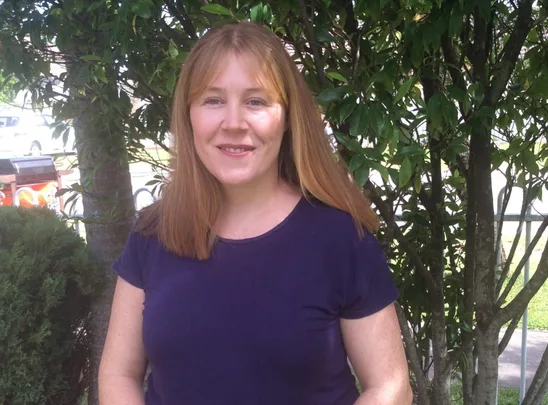
It was a Monday night and Sarah Ford was at her weekly social netball game when she jumped for the ball.
“All my vision went wavy and blurry,” Sarah tells The Weekly. “My heart was racing out of my chest. It felt like a runaway train and I couldn’t catch my breath.”
Sarah walked off the court and sat down, convinced she was going to pass out. Friends would later tell her the colour had drained from her face and she looked grey.
“I felt like I’d run up dozens of flights of stairs,” she says. “I literally could not get my breath.”
Too dizzy to drive herself home, Sarah called her parents to pick her up while her husband stayed home with their two young kids. They took her straight to emergency.
At first, her symptoms were brushed off. “They said, ‘You’re probably dehydrated, so have some water and you’ll be fine.’”
But as her blood test results kept rising, she was admitted overnight. Hours later, Sarah woke to alarms going off around her hospital bed.
“‘You’re going to have a heart attack,’” she remembers them telling her. “They stopped me from having a second heart attack.”
Doctors discovered one of her coronary arteries had torn while she was playing netball, triggering the first heart attack.
“That was when I thought maybe I’m not going to come home from this.”
Not just an older man’s disease
At just 39, Sarah never imagined she could be having a heart attack.
“I was a size 10 to 12. I used to run. I used to play netball. I had little kids,” she says. “It literally did not occur to me.”
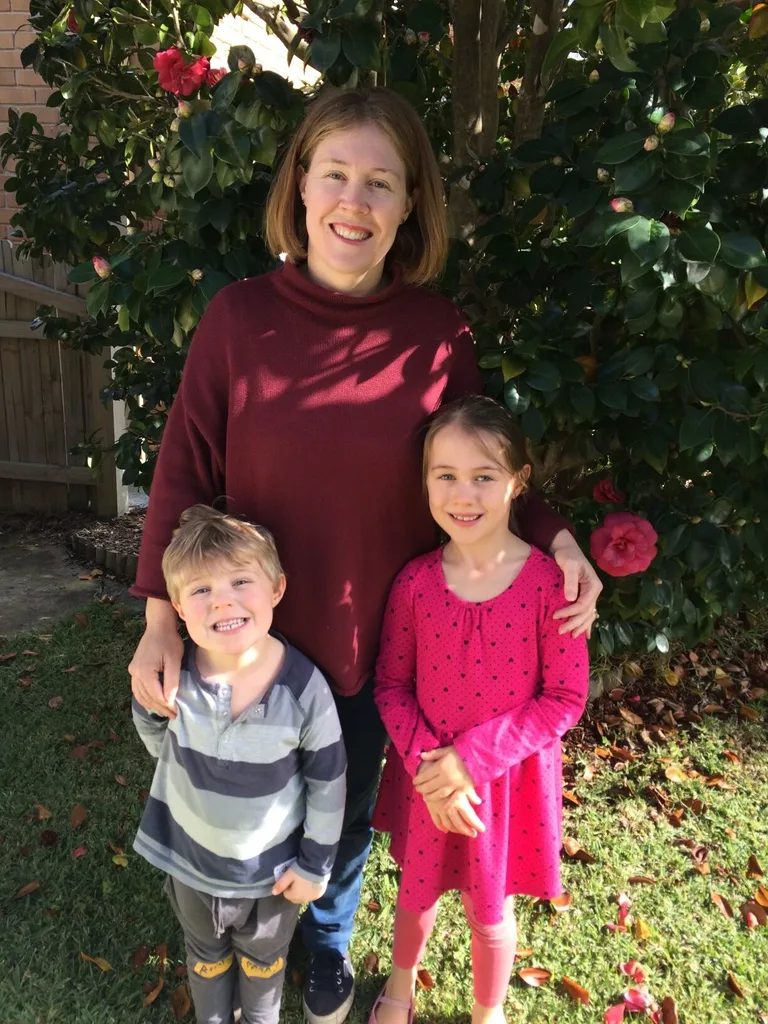



But that night, Sarah was experiencing a spontaneous coronary artery dissection – or SCAD – a lesser-known condition that causes up to one in four heart attacks in women under 50.
Professor Jason Kovacic, Director and CEO of the Victor Chang Cardiac Research Institute, notes misconceptions around women and heart disease are still widespread.
“The concept that heart attack is a disease of men in their 60s and 70s is really unhelpful,” he says. This is a worldwide myth.”
Sarah remembers sitting in emergency when another patient arrived with chest pain.
“There was a guy who came in who was overweight, 10 years older than me, and he was like a VIP,” she recalls. “He ended up having angina and was sent home.”
Cardiovascular disease is one of the leading causes of death for Australian women.
“Women are about four times more likely to die from cardiovascular disease as breast cancer,” Professor Kovacic explains.
Professor Kovacic acknowledges there are still gaps in how women’s heart symptoms are recognised and treated.
“We know the rates of correct testing are not as high as they should be in women versus men once people get to the emergency room,” he says. “And when it comes to prescribing the right medications, we’ve also got a bit of a way to go.”
The symptoms women shouldn’t ignore
Unlike a typical heart attack caused by blocked arteries or cholesterol build-up, SCAD occurs when a tear develops in the wall of a coronary artery.
It most commonly affects women in their 30s, 40s and 50s – often women who are healthy, active and do not see themselves as being at risk.



Researchers, including Australian teams involved in the international SCAD-ALIGN trial, are trying to better understand the condition and improve treatment for patients.
“We don’t fully understand why it affects women more than men,” Professor Kovacic says.
While symptoms can vary, chest pain remains the most common sign of a heart attack in both men and women.
Other symptoms can include:
- shortness of breath
- dizziness or lightheadedness
- nausea
- sweating
- pain in the jaw, shoulder, back or arm
- unusual fatigue
“Any of these symptoms can be the symptoms of a heart attack,” Professor Kovacic says. “If people are worried, they should get checked out.”
“It’s always at the back of your mind”
More than a decade later, Sarah’s life is still affected by what happened that night.
“The toughest thing for me was I couldn’t pick up my son,” she says.
Sarah was told to avoid heavy lifting and high-impact exercise because of the risk of recurrence. Even now, she is careful not to put her body through too much strain.
“If they’d said, ‘Go and lose 50 kilos, stop smoking’ – got it,” she says. “But it’s like, be careful.”
Most days, Sarah gets on with life, but the fear never completely goes away.
“You won’t think about it for months, and then you’ll have a day where it’s stressful and you’re tired, and you’ll have a bit of chest pain,” she admits. “It’s always sort of at the back of your mind.”
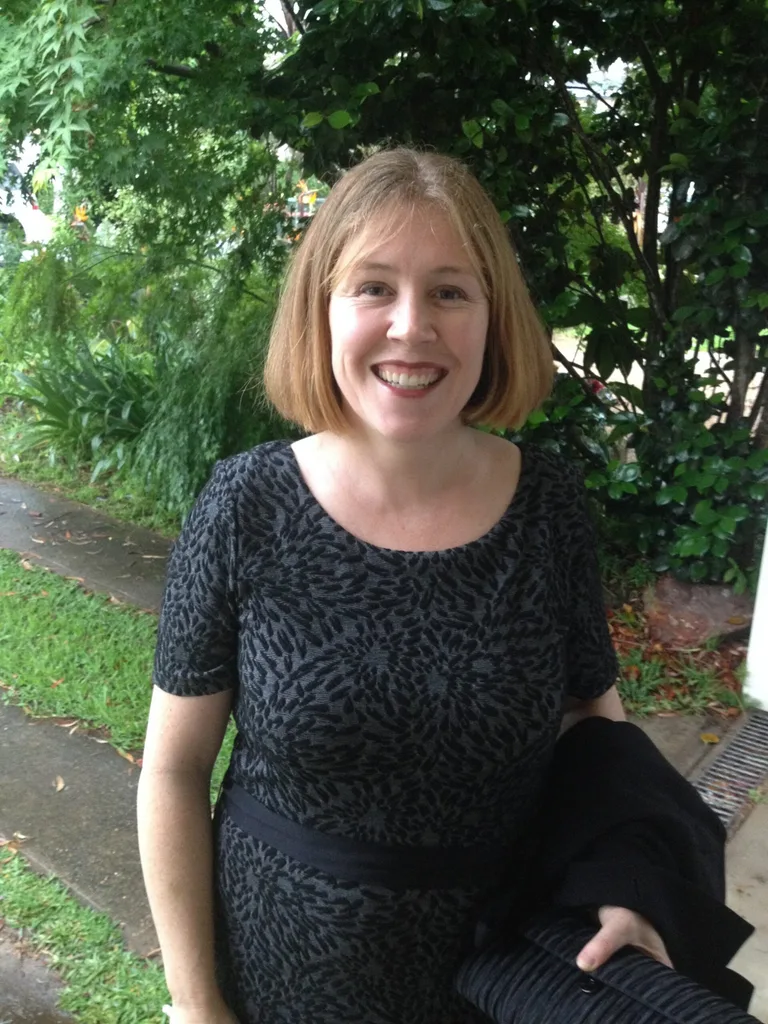
In the years since her diagnosis, Sarah, now 50, has become an advocate for greater awareness and research into SCAD, helping connect women who once believed they were alone.
For Sarah, the biggest thing she hopes changes is that women trust themselves when something feels wrong.
“I know from talking to lots of other women that they delay getting treatment. They put it down to something else. ‘I must be getting a bug. I mustn’t have eaten enough today. I’m lightheaded.’
“A lot of us think, ‘I don’t want to be dramatic.’ But if you think something’s wrong, get checked out.”
How to lower your risk of heart disease
Professor Jason Kovacic advises there are eight key things that can help lower your risk of cardiovascular disease – often referred to as “Life’s Essential 8”.
- Eat a healthy, balanced diet
- Exercise regularly
- Maintain a healthy weight
- Don’t smoke or vape
- Aim for seven to nine hours of sleep a night
- Keep blood pressure under control
- Monitor cholesterol levels
- Check blood glucose levels regularly
The good news? Blood pressure, cholesterol and blood glucose are “very, very easily treatable” when picked up early.
Professor Kovacic says heart health is something people should think about at every age: “This is a life course thing.”

