




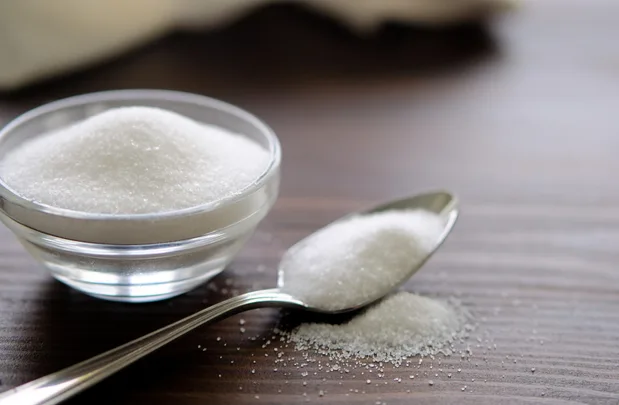
You might not recognise the name xylitol but there’s a good chance you’ve come across it. The popular sugar substitute is used in sugar-free chewing gum, lollies, yoghurt, jam and ice cream, as well as toothpaste and other oral care products.
Now, new research has linked xylitol with an increased risk of heart attacks, strokes and death.
What exactly is xylitol?
Xylitol is a type of sugar alcohol that tastes sweet but has about half the calories of regular sugar. Small amounts occur naturally in the body and in some fruits and vegetables but it’s added to foods, drinks and oral care products in much larger quantities as an alternative to sugar.
It is particularly common in products labelled sugar-free or low-sugar. Despite how widely it’s used, researchers say its long-term effects on heart health have not been studied in much detail.
What did the study find?
The study, presented at the European Society of Cardiology Congress, looked at 17,710 people across two long-running studies in Canada and the UK.
Researchers compared people with the highest blood levels of xylitol with those who had the lowest.

In the Canadian group, those with the highest levels had a 57 per cent greater risk of experiencing a major cardiovascular event – defined as a heart attack, stroke or death – over six years.
In the UK group, which was followed for 30 years, the risk was 18 per cent higher.
The link remained after researchers accounted for known cardiovascular risk factors including age, sex, smoking, cholesterol, diabetes and high blood pressure.
Across both groups, higher xylitol levels were linked to higher rates of cardiovascular events.
How xylitol affects the heart
“In previous studies, we showed that xylitol can enhance the ability of platelets to form clots,” explained study author Dr Marco Witkowski, from Charité University Hospital in Berlin.
Platelets help stop bleeding when we’re injured but a clot that forms inside a blood vessel can block blood flow to the heart or brain, causing a heart attack or stroke.






Dr Witkowski said many people choose artificial sweeteners believing they are healthier than sugar.
“Our long-term findings in the general population highlight how little we know about the cardiovascular safety of xylitol and indicate that further studies are warranted, especially as the amount of xylitol in products continues to increase,” he said.
Should you be worried about xylitol?
The study was observational, which means it found a link but can’t prove xylitol caused heart attacks, strokes or deaths. Researchers also measured xylitol in the blood, not how much people were consuming. The findings have not yet been published in a peer-reviewed journal.
Professor Dan Atar, a member of the European Society of Cardiology’s communication committee who was not involved in the research, said the results deserved further investigation.
“Artificial sweeteners are widely embraced by modern society, and the safety ratings had been good and granted by regulatory authorities,” he said.
“In this observational work, however, it appears that xylitol has a negative long-term effect on cardiovascular events in the general population.”
While more research is needed, the findings raise fresh questions about the long-term health effects of sugar substitutes – and suggest “sugar-free” may not always be the healthier choice.


Share this post