




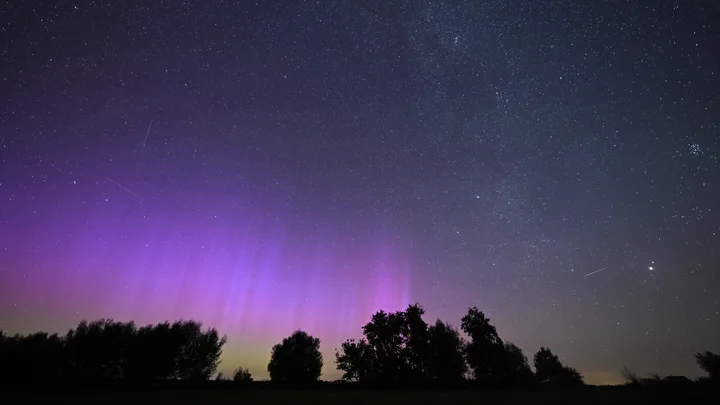
It’s not often Australia is treated to a phenomenon like an aurora. But the NOAA has issued an alert for a G2 (moderate) solar storm predicted for Friday, October 9, 2026.
The geomagnetic storm will be an electric performance of violets and greens. So turn off your mobile phones and grab some snacks, because most of Australia is in for a treat!
What time will the aurora australis be visible in Australia?
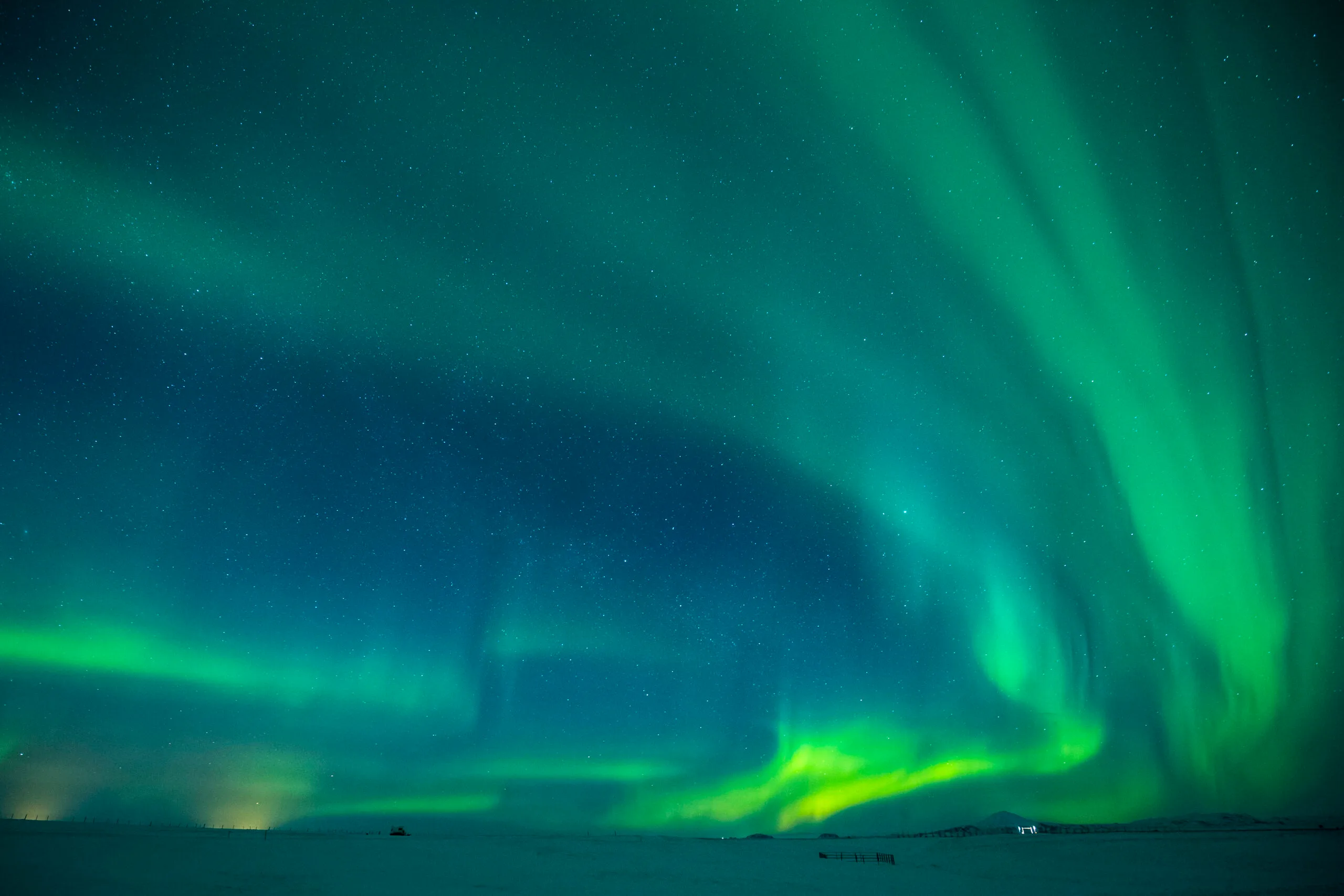
The aurora will perform on October 9, 2026 from 10pm to 2am (AEDT). You can see real-time tracking of the event on NOAA’s 30-minute aurora forecast.
For the best view, night owls are encouraged to face directly south. The impressive solar activity will be displayed across Tasmania, Victoria, parts of coastal New South Wales, South Australia and Western Australia’s southern fringe.
However, sightings are never guaranteed given it depends on clear skies and light pollution.
What is an aurora?
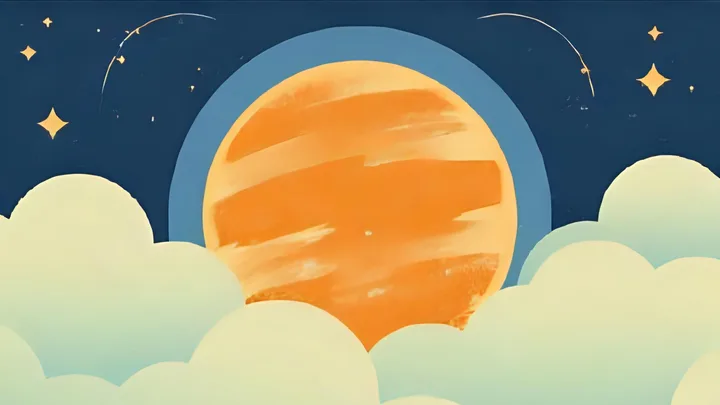
An aurora is nature’s fascinating fireworks that some travel the globe to watch, but what is the science behind it?
Well, the geomagnetic storm is caused by a coronal mass ejection – a large cloud of magnetised plasma erupting from the Sun’s outer atmosphere.
When a coronal mass ejection hits the Earth, it disrupts our planet’s magnetic field and creates a geomagnetic storm.
At the moment, auroras are frequent, but they won’t last much longer. The Sun is at the peak of an 11-year cycle, known as the solar maximum. The solar minimum is expected to begin in 2030; therefore, the number of auroras will decrease.
How to take pictures of the aurora?
We’ve all seen those picture-perfect shots of auroras. But not all of us are professional photographers with expensive equipment.
If you’re using an iPhone, users are encouraged to turn on night mode, maximum exposure time, and use a tripod or stable surface.
When was the last aurora australis?
In mid-January, a major burst of energy was released by the sun and lasted an incredible 48 hours. This storm was also the strongest solar radiation storm in more than 20 years, since October 2003.
“An S4 severe solar radiation storm is now in progress. This is the largest solar radiation storm in over 20 years,” the US National Weather Service’s Space Weather Prediction Centre shared on X.
“The last time S4 levels were observed was in October 2003. Potential effects are mainly limited to space launch, aviation, and satellite operations.”

Related stories

Native ad body.
Native ad body.




Native ad body.