


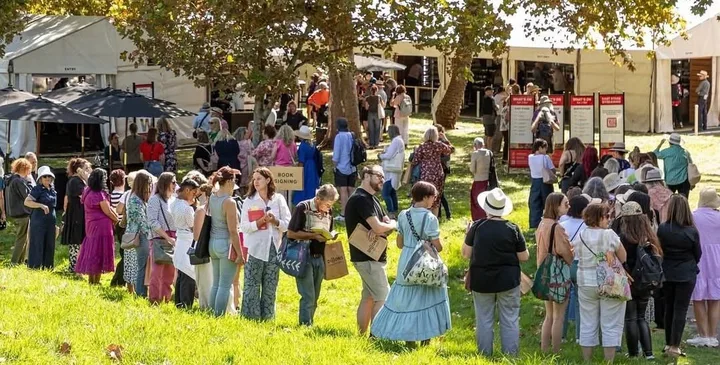
As recently as last Thursday morning, plans for this year’s Adelaide Writers Week – arguably the country’s preeminent literary festival – seemed to be humming along without a hitch, guided by its very capable director, publishing luminary Louise Adler. Then the whole thing went to hell in a bookbag.
As many as 180 Australian and international authors pulled out of the festival. That’s more than 75 per cent of the original program, which was scheduled to begin on 28 February.
They include award-winning British author Zadie Smith, former New Zealand PM Jacinda Ardern, Miles Franklin winners Michelle de Kretser and Melissa Lucashenko, as well as Helen Garner, Hannah Kent, Trent Dalton, Bri Lee, Jane Caro, Peter Fitzsimons, Peter Greste, Tasma Walton, former Greek finance minister Yanis Varoufakis and Pulitzer Prize-winner Percival Everett.
Meanwhile, Louise Adler also resigned, followed by all but one of the Adelaide Festival Board members and the Board’s Chair, Tracey Whiting. And now, the Adelaide Festival’s 2026 Writers’ Week has been cancelled.
How has it come to this?
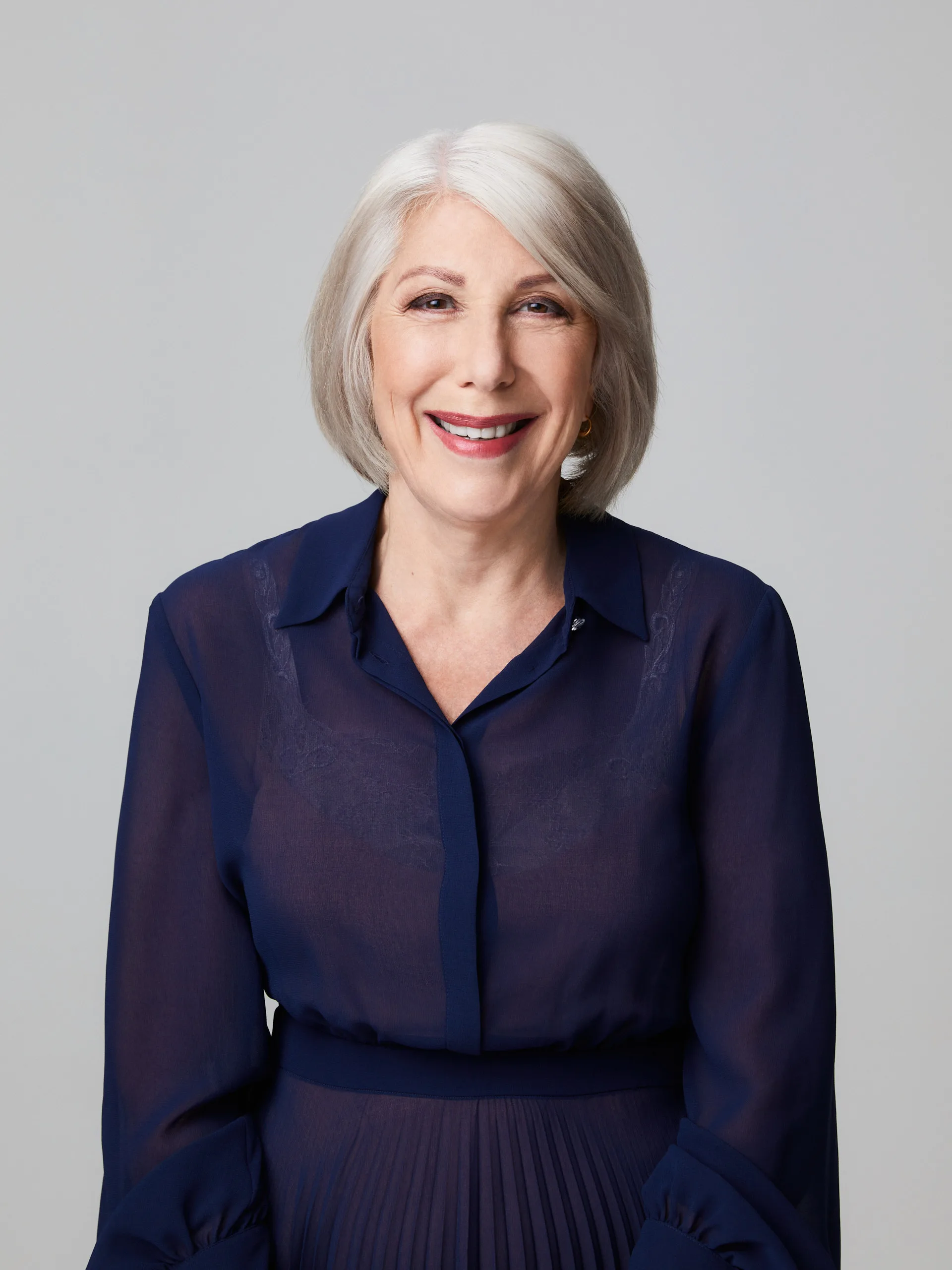
The facts behind the Adelaide Writers’ Week crisis?
It all began on 8th January, when the Adelaide Festival Board wrote to Palestinian Australian author, Dr Randa Abdel-Fattah, rescinding her invitation to appear at Writers’ Week. The Board also released a statement saying:
“Whilst we do not suggest in any way that Dr Randa Abdel-Fattah or her writings have any connection with the tragedy at Bondi, given her past statements we have formed the view that it would not be culturally sensitive to continue to program her at this unprecedented time so soon after Bondi.”
While the festival has not suggested that it was influenced in its decision by members of the Jewish or Israeli communities, the Jewish Community Council of South Australia has admitted to writing to the festival board to request that Dr Abdel-Fattah be removed from the program.
“Over a number of festivals there have been certain presenters who have been problematic and we are extremely pleased that they have … for once listened to what we have to say,” council liaison, Norman Schueler, told The Adelaide Advertiser. “It was a very wise move, and it will improve the cohesiveness of the festival by not having her there.”
South Australian Premier Peter Malinauskas also publicly supported the board’s decision, though he denies exerting political influence over the content of the festival.
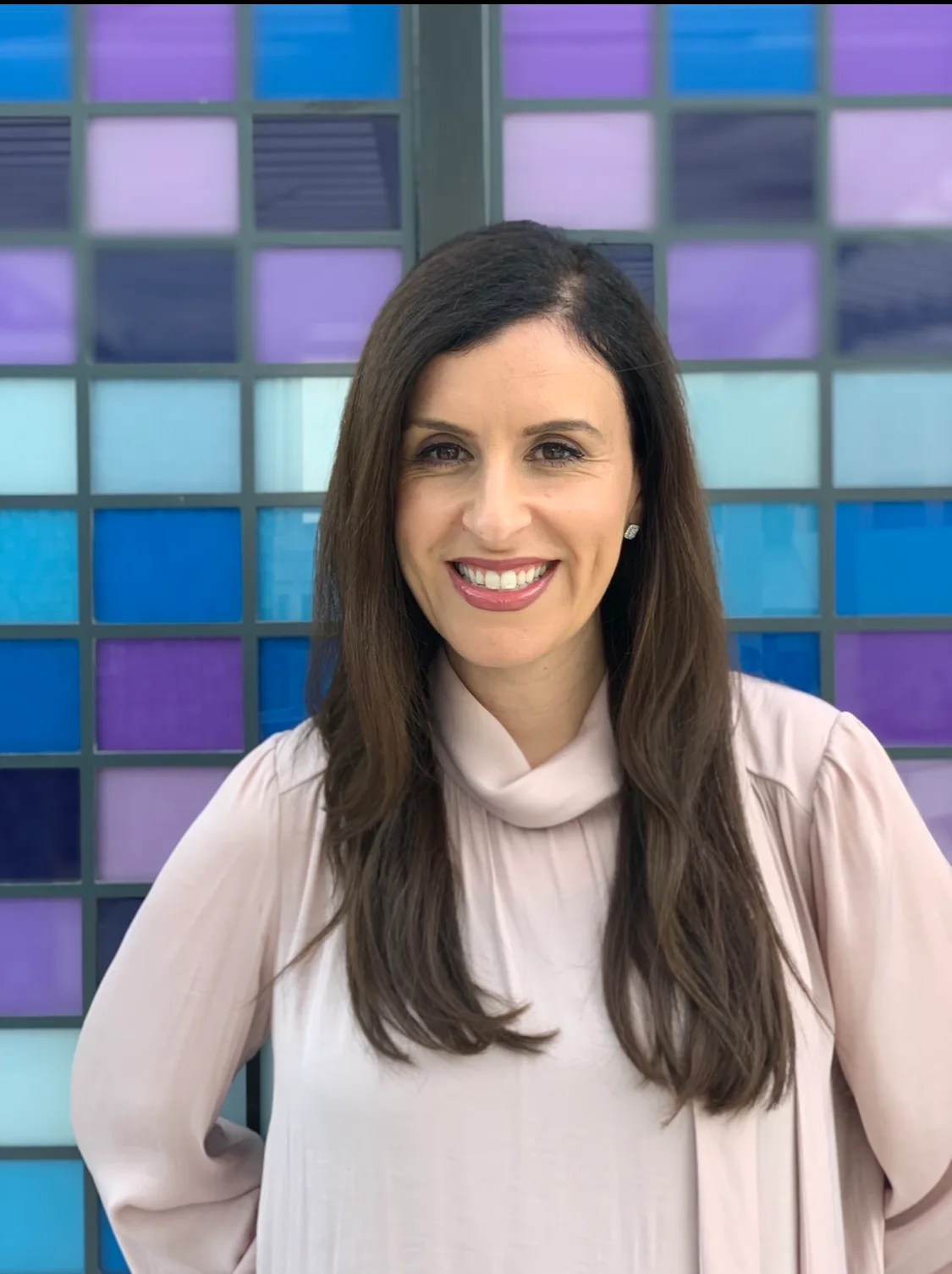
Why was Dr Randa Abdel-Fattah cancelled?
Neither the Board nor any other representatives from the festival have indicated what Dr Abdel-Fattah’s offending statements were.
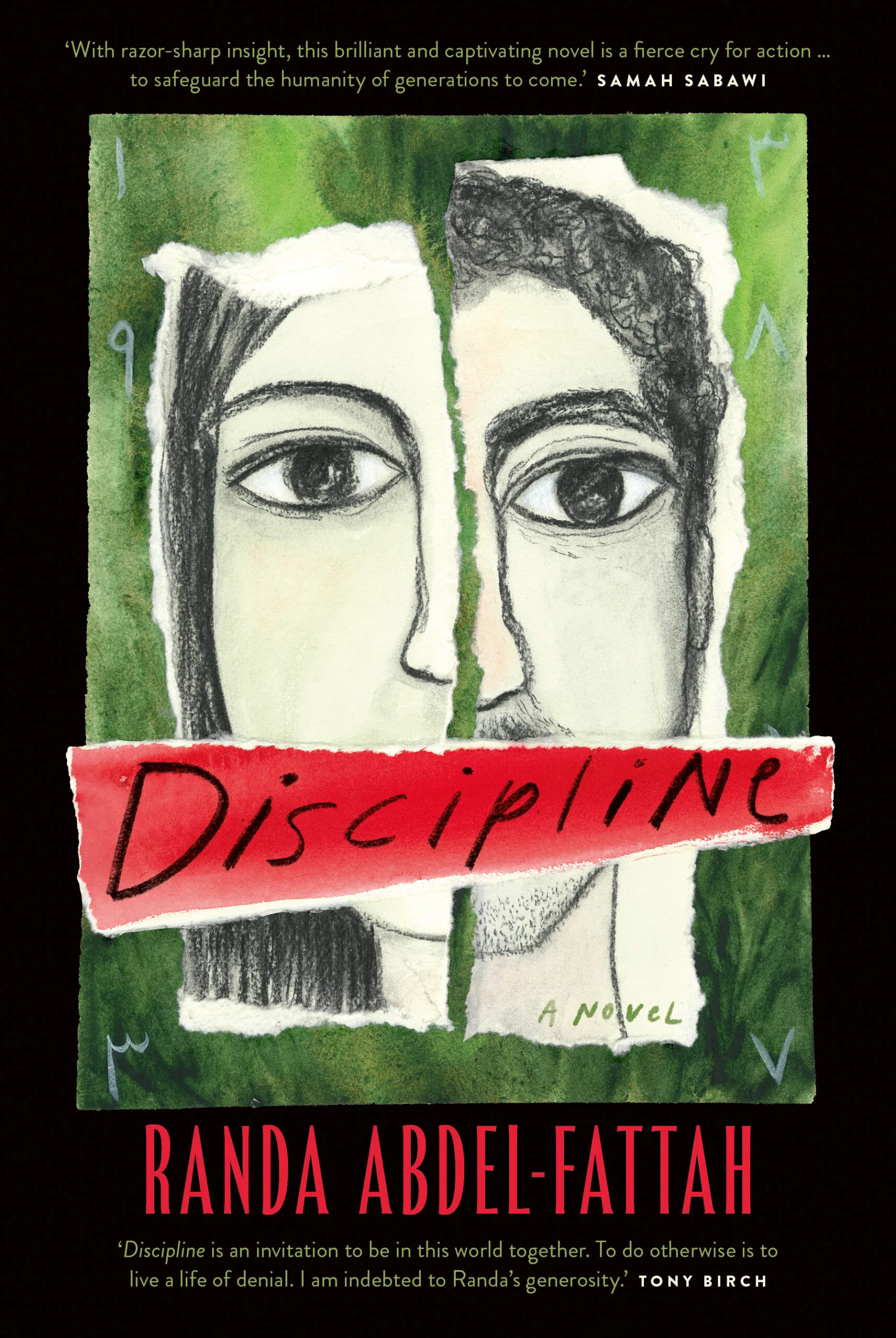
She had been booked to appear at the festival to discuss her most recent novel Discipline (UQP), which is set in an Australian university during the war in Gaza. In the past, she has made no secret of her support of Palestinian statehood nor of her criticism of Israeli Government violence against Palestinians. In fact, in a social media post in 2024, she referred to Israel as a “murderous Zionist colony”.
However, she and her supporters claim that statements like that are personal comment, not designed to incite violence, and well within her rights to speak freely in a democratic country like Australia. Moreover, they say that a writers’ festival, by definition, should encourage respectful and open debate.
Louise Adler wrote in her statement of resignation in The Guardian: “The Adelaide Festival board’s decision – despite my strongest opposition – to disinvite the Australian Palestinian writer Randa Abdel-Fattah from Adelaide writers’ week weakens freedom of speech and is the harbinger of a less free nation, where lobbying and political pressure determine who gets to speak and who doesn’t.
“In my view, boards composed of individuals with little experience in the arts, and blind to the moral implications of abandoning the principle of freedom of expression, have been unnerved by the pressure exerted by politicians calculating their electoral prospects and relentless, coordinated letter-writing campaigns.”
Dr Abdel-Fattah spoke more personally. She believes that the board’s action was “a blatant and shameless act of anti-Palestinian racism and censorship, and a despicable attempt to associate me with the Bondi massacre … The Adelaide Writers Festival Board has stripped me of my humanity and agency, reducing me to an object onto which others can project their racist fears and smears.”
What did Dr Randa Abdel-Fattah say after Bondi?
Dr Randa Abdel-Fattah’s statements after the Bondi terrorist shooting were not controversial. In fact, they indicated a concern for the safety of both Jewish and Muslim Australians.
“It’s 2am in Australia,” she wrote on social media. “I’m comforting my nine-year-old daughter who can’t sleep because she can’t process that two men with guns carried out a mass shooting in Bondi, a beach where her bestie’s family were swimming today. She asks me, ‘Mum, who did they kill?’ And I don’t hide the horror – because two years of live-streamed genocide have forced my little girl to grow up to the horrors of this world – and I tell her the gunmen mainly killed Jewish people. And she asks me, ‘But how did they know they were Jewish when the beach is so crowded?’ And I tell her because the gunmen knew there would be a gathering of Jewish people celebrating Chanukah. And she cried, ‘That’s horrible. They should be safe to do their prayers.’ And I talk to her about how and why this is a horrific act of antisemitism. I tell her a Muslim man stopped one of the gunmen, and she says: ‘Allah will be happy with him.’”
Later in the post she explained that her older children were worried that all Muslims would be blamed for the acts of the two terrorists.
“It’s our children who force us to confront the state of the world we live in today,” she added. “Their fears, observations and questions cut through the hot takes and exploitative and dangerous political agendas. In a time of mass slaughter, their instinct is moral clarity. They teach us that as we bear witness to genocide in Gaza and terrorism in Bondi, we must remain committed to fighting for a world where life is sacred.”
Enter the lawyers
Michael Bradley, Dr Abdel-Fattah’s lawyer, has written to the Adelaide Festival asking which of the author’s statements were involved in the decision to rescind the invitation to her. He has also advised members of the board to “retain all documents in their possession (including emails, text messages and content on disappearing messaging apps) that relate to the decision to exclude Dr Abdel-Fattah. You are each now on notice that these documents may be required for the purposes of litigation.”
Writers speak out
Meanwhile the number of authors standing by Dr Abdel-Fattah continued to grow. All expressing regret that they felt morally obliged to withdraw from a festival that is so dear to their hearts.
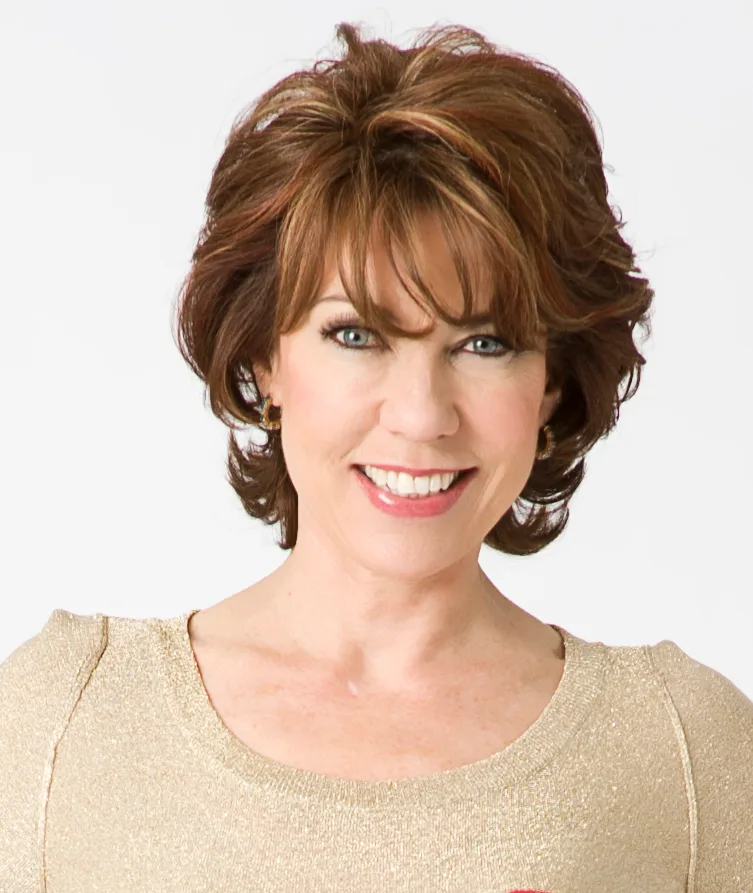
“With a heavy heart I’m withdrawing from this year’s Adelaide Writers’ Week unless the Festival Board reinstates Dr Randa Abdel-Fattah,” said Kathy Lette. “Writers’ Festivals are mental macchiatos; a stimulating environment in which to exchange ideas with compassion, nuance, intelligence and integrity. Boards should trust audiences to make up their own minds about all speakers – me included. As authoritarianism rears its hideous head around the world, we need to defend these havens of free speech … As sad as I am to withdraw from this favourite literary festival, I am heartened that so many writers are taking a stand for free speech together. Clearly, the pen is mightier than the Board.”
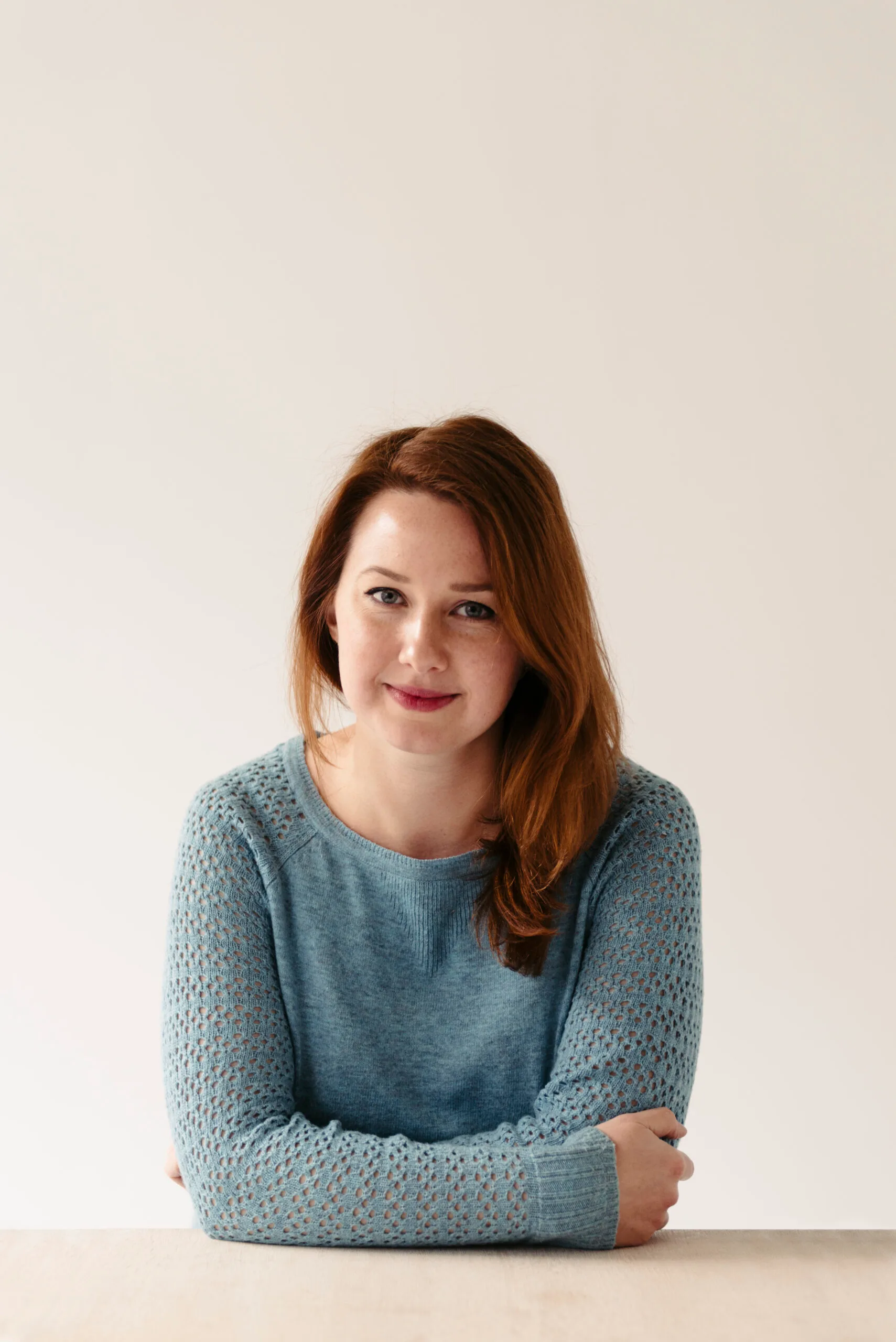
Hannah Kent, author of Burial Rites, posted that “Adelaide Writers’ Week has always held great personal significance for me as a writer and as a South Australian. I know it to historically be an open and accessible event that welcomes the free exchange of perspectives and ideas, and celebrates our collective humanity.”
And Stella Prize winner Professor Clare Wright, wrote in her letter of resignation: “As a Jewish Australian, I am shocked and insulted that the board could exploit the tragedy of Bondi to weaponise its much-loved and respected literary festival. As a writer, I stand shoulder-to-shoulder with Dr Abdel-Fattah …”
A history of free speech
Former Adelaide Festival organisers also shared their concern, signing an open letter calling for the return of Dr Randa Abdel-Fattah’s event.
Signatories included one-time Adelaide Festival artistic directors Jim Sharman, Rob Brookman, David Sefton and Anthony Steel, former chief executive Kath Mainland, previous Adelaide Writers’ Week director Jo Dyer, and Chair Peter Goldsworthy.
“An about-face may be embarrassing,” the signatories wrote, “but it is both the right thing to do and will cauterise the growing damage to this much loved and internationally significant South Australian cultural institution …
“Wickedness thrives in darkness and prejudice thrives in ignorance born of silence. The open discussion of ideas, beliefs, facts and opinion is ultimately the pathway to community cohesion. Silencing and censorship are not.”
“I cannot be party to silencing writers,” Louise Adler added, “so, with a heavy heart, I am resigning from my role as the director of the AWW [Adelaide Writers’ Week]. Writers and writing matters, even when they are presenting ideas that discomfort and challenge us. We need writers now more than ever … AWW is the canary in the coalmine. Friends and colleagues in th e arts, beware of the future.”

The future of Writers’ Week
Amidst the furore, the 2026 Writers’ Week program was removed from the Adelaide Festival website, and writers and book lovers awaited news of this year’s festival.
The Weekly approached the festival for comment and received a response from Julian Hobba, Adelaide Festival Corporation Executive Director.
“Following the Adelaide Festival Board’s decision on Thursday 8 January and the significant community response, Adelaide Writers’ Week and Adelaide Festival are navigating a complex and unprecedented moment and will share further updates as soon as we are able.”
Then on 13 January, the update came. The festival had been cancelled.

Related stories

Native ad body.
Native ad body.
Native ad body.