




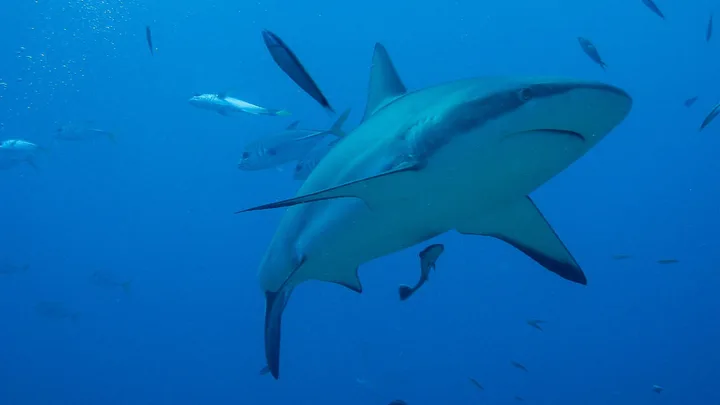
After news broke over the weekend of a shark attack at Sydney’s Coogee Beach, we revisit a story from our April 2024 issue.
The Weekly asked the experts if the shark is friend or foe. And if we follow some simple rules, can swimmers stay shark-safe, or at least shark-safer? Read on…
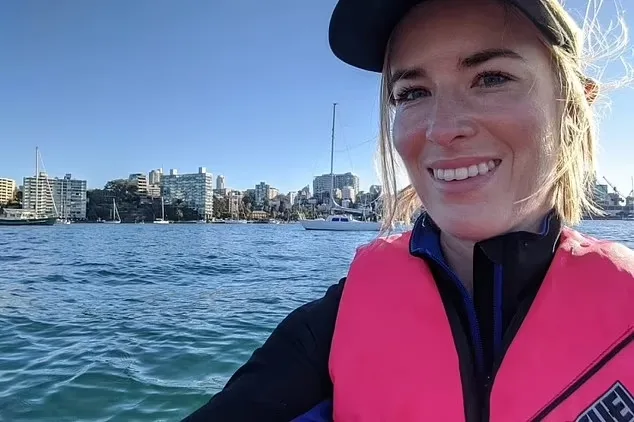
When 29-year-old Lauren O’Neill took a sunset dip in the tranquil waters of Elizabeth Bay on the eastern edge of Sydney Harbour on January 29, 2024, she was doing what has come naturally to Australians for more than 60,000 years: Cooling off after a hot day in our blue backyard and giving thanks for the incredible natural world on our doorstep.
Why do sharks attack humans?
Bull sharks have swum in our oceans for 450 million years and survived five mass extinctions. The one that bit Lauren that night was also doing what came naturally at that time of the day. It emerged from deeper water to find something good to eat closer to the surface, also giving thanks for the Sydney Harbour waters that today support over 580 species of marine life.
The odds are less than one in four million that it will happen to you, but when shark attacks do happen – in the most famous harbour in the world no less – all Australians go on red alert.
“Sharks frighten us and fascinate us,” says marine scientist Dr Amy Smoothey. “They have come to represent our fear of the unknown. Because the ocean is so vast and beautiful and the medium of water is so foreign to us, humans are driven to explore and understand it.” And fear it.
The shark that attacked Lauren charged towards her at up to 40kph and bit into her leg with a bite force of 18 tons per square inch. With its fine serrations, a shark’s teeth cut like a bread knife and slice deep as it thrashes. “Their bite is so strong and their teeth are so sharp that even a single bite can cause catastrophic injuries,” says Lawrence Chlebeck, a marine biologist with Humane Society International.
But what happened to Lauren was not so much an attack as an “exploratory bite by a creature that peacefully cohabits with humankind in the vast majority of all interactions,” Dr Smoothey insists. Millions of us swim in oceans, rivers and estuaries daily, unmolested by creatures of the deep.
An ancient fear
Five kilometres from the bay where Lauren was attacked, on a headland above the world-famous Bondi Beach, is a 2000-year-old rock carving of a man being attacked by a huge shark – the first reporting of a shark attack in Sydney waters.
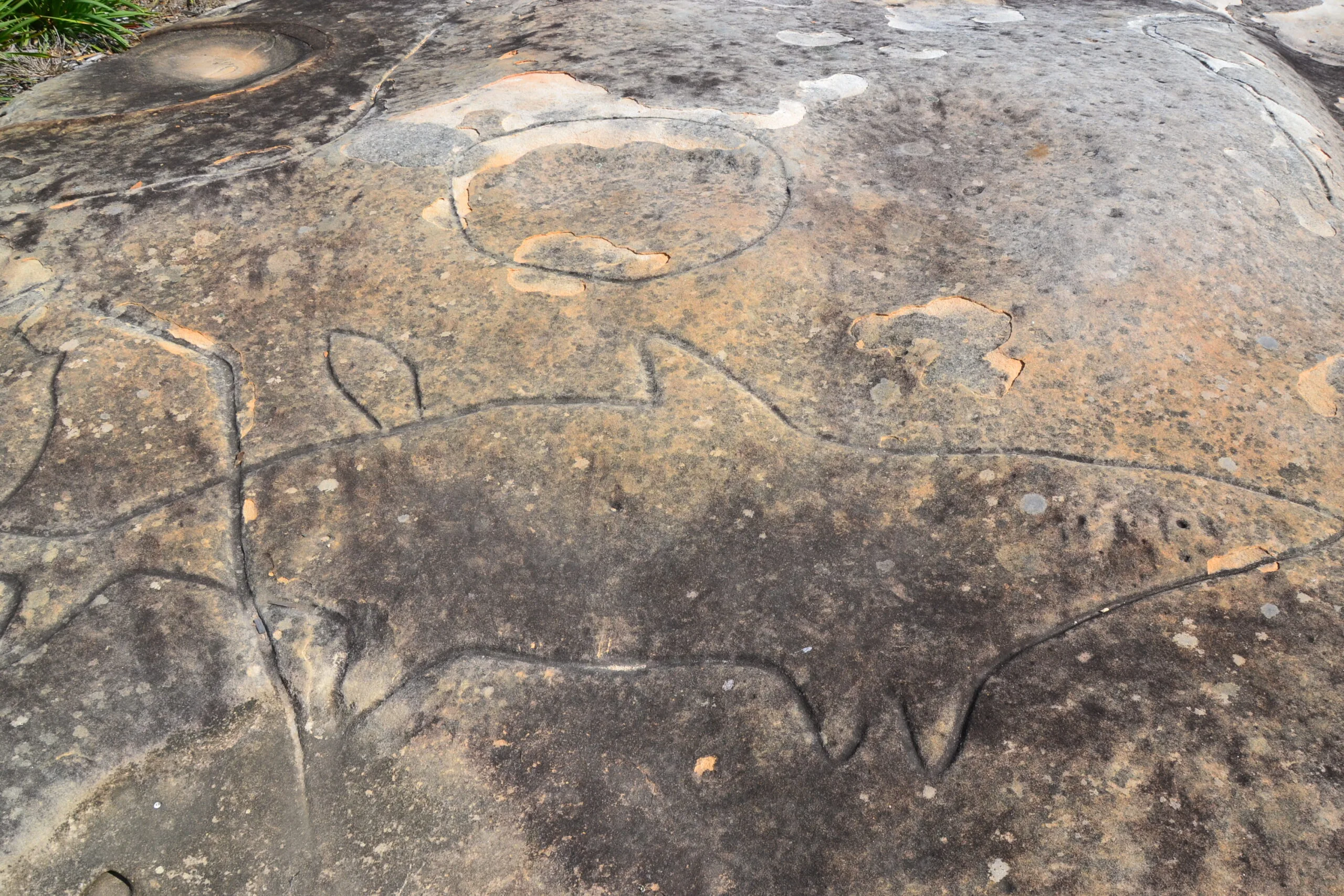
It reminds us of a contract which is aeons old: Step into wild water and you enter the shark’s domain. Many First Nations people have long known sharks as totem spirits of creation and destruction. They can symbolise bravery and are revered for uncanny powers.
Sharks, in the form of totems or lost ancestors, move among us as naturally and mysteriously as the stars and the tides. The earliest known image of a shark appears on a Greek vase from 725BC. It shows shipwrecked sailors being devoured by a large fish.
The Jaws effect
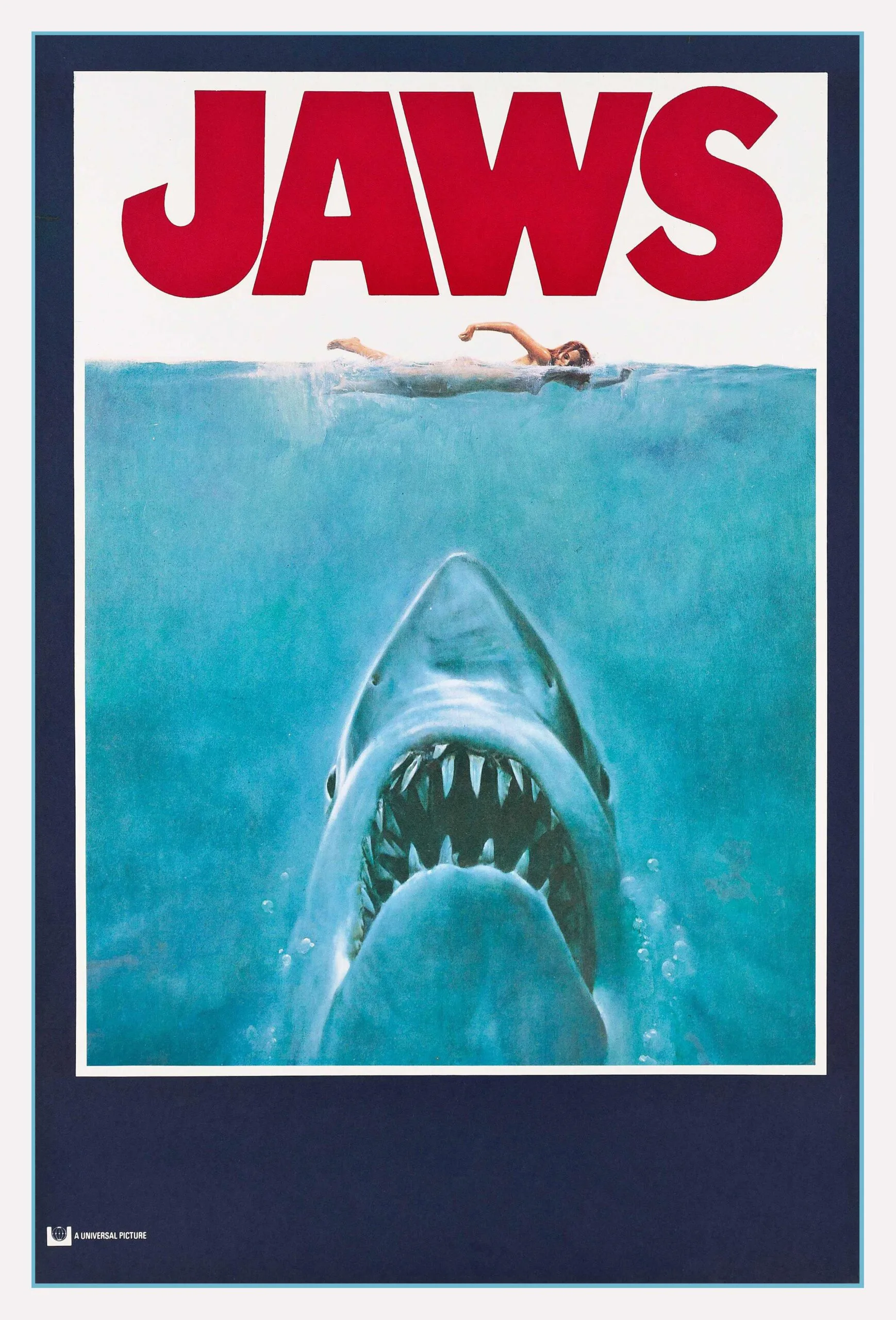
So much of what we think we know about sharks can be distilled into one word, which is a little more contemporary: Jaws. Peter Benchley’s 1974 book and Steven Spielberg’s 1975 film were inspired by a series of shark attacks off New Jersey in July 1916.
In 12 days, five people were mauled in separate incidents with just one survivor. At the same time, tens of thousands were being slaughtered at the Somme in World War I but, not for the last time, sharks dominated the world’s front pages.
“Jaws was responsible for so much fear mongering,” says journalist and author Julia Baird. “It was ridiculously atypical shark behaviour – eating boats, bearing grudges – but the media feeds that mythology even today. And the public is still drawn to the gothic imaginings of creatures from the deep and the grisly detail of what happens when mankind and monsters collide.”
Julia swims in Sydney’s seas every day, through summer and winter. “I’m not scared when I’m in the water. I know sharks are around but I also know that seeing one, let alone being attacked, is so statistically unlikely.”
There’s more chance of dying by lightning strike, being stung to death by bees or suffering the indignity of death by champagne cork than the one-in-four-million odds of shark attack. The four deaths by shark in 2023 pale before the 1266 killed on Australian roads that year.
However, Julia is also careful to observe local knowledge, and obey her instincts. “When the weather is ‘sharky’,” she says, “I trust my sixth sense.”
When do shark attacks occur?
“Shark weather” has a truth most shark folklore lacks. “There are no 100 per cent safeguards but we know there are areas and times that increase the risk of shark attack,” Dr Smoothey says. “Low light periods – dawn, dusk and night – are when sharks are most active and feeding. In summer and autumn, after heavy rainfall and near river mouths, activity increases too.”
The attack on Lauren O’Neill happened after 8pm in warm waters made brackish by earlier rainfall.
The day Simon Nellist was killed in Little Bay south of Sydney in February 2022 “was the sharkiest day I’ve ever seen,” says professional angler Craig McGill. “We caught six big bulls inside North Head and saw heaps of hammerheads and tigers. That guy was swimming alone in a deep water ledge, after rain, surrounded by fishermen. A perfect storm.”
“In the dark, when the sea is murky or the skies are overcast, I do worry,” Julia admits. “I’ve been in the water at sunrise and sunset and it’s like peak hour in the ocean – fish are zipping around everywhere, feeding and fighting. Everyone is jumping at shadows, me included.”
A survivor’s tale
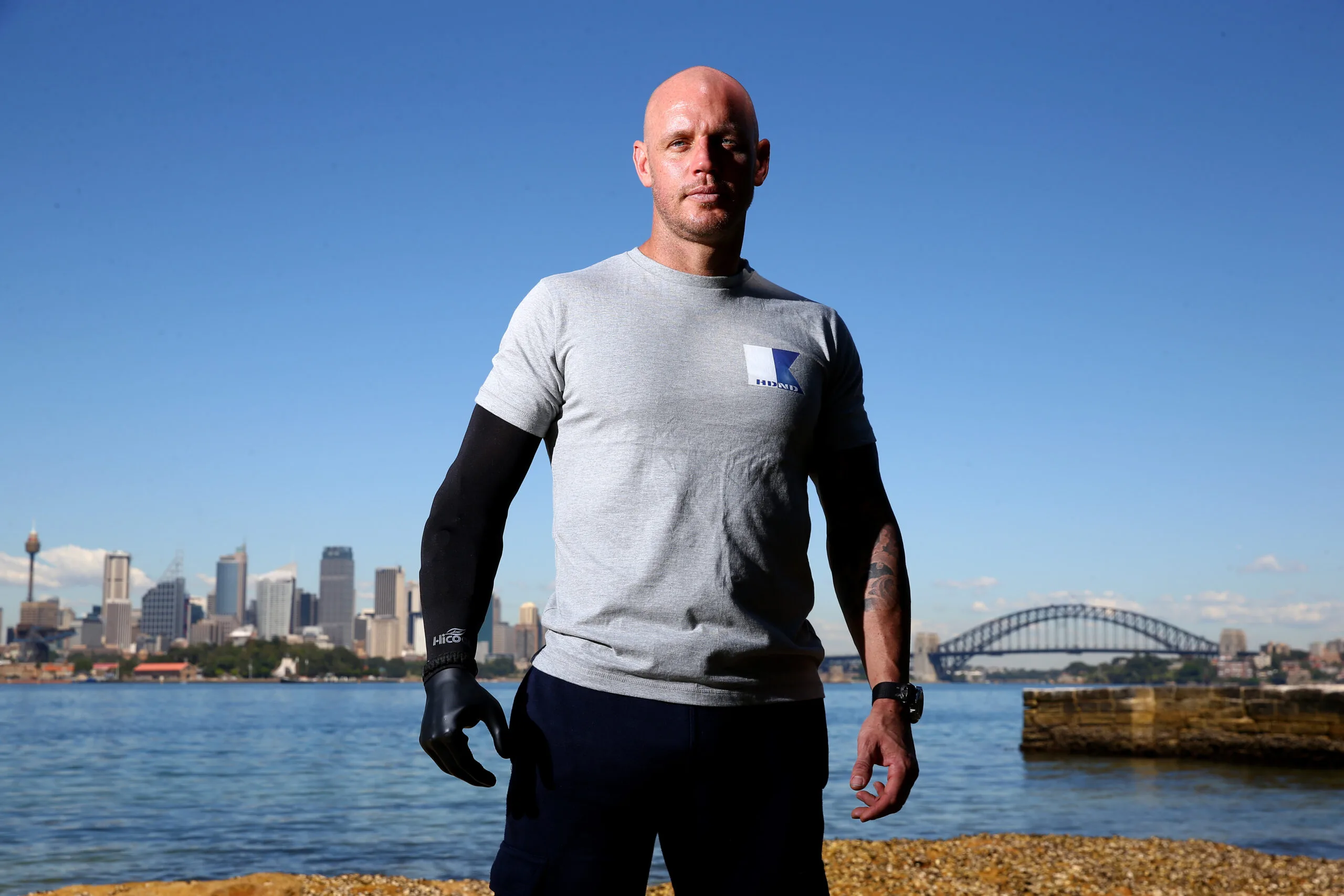
In the shadows, accidents happen. Our fear of what lies beneath expands and explodes. On February 11, 2009, navy diver Paul de Gelder was on a run-of-the-mill exercise testing counter-terrorism equipment near Garden Island naval base in Sydney Harbour – just a few hundred metres from where Lauren was attacked – when his nightmares became a reality.
“Out of nowhere, a three-metre bull shark shot up underneath me and grabbed me by the back of my right hamstring and my right hand – both in the same bite,” Paul calmly tells The Weekly.
At 33, he lost his hand and leg in the brief attack and endured nine weeks in hospital. Yet remarkably, he emerged as a passionate advocate and protector of sharks.
“It’s been quite the journey,” Paul tells The Weekly from Mexico, where he’s filming dives for Discovery Channel’s Shark Week. “Back then I hated sharks and now I absolutely love them. The reason? Knowledge dispels fear. I’ve worked with oceanographers and scientists, and I’ve swum with sharks all over the world. My fear has given way to an incredible connection.”
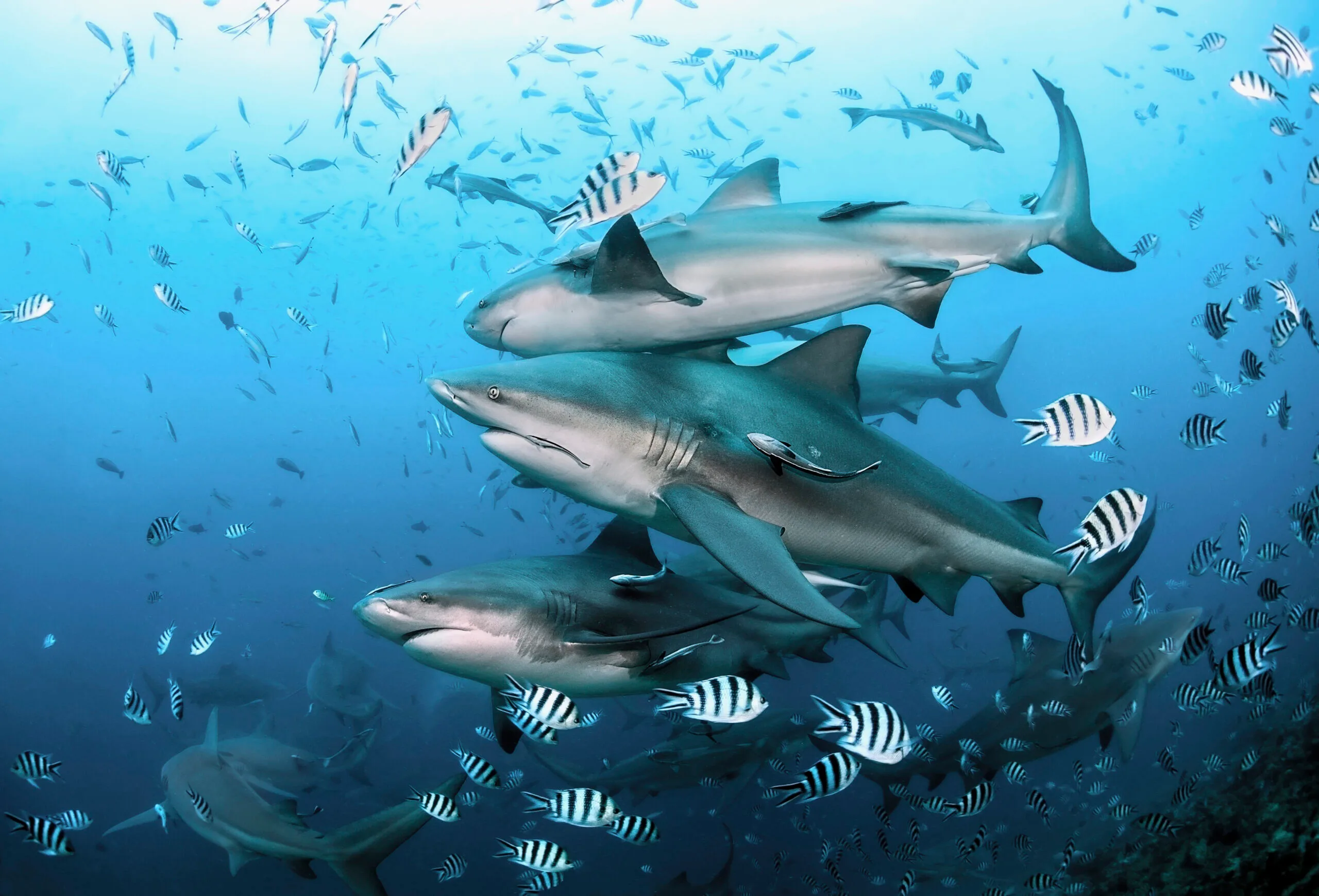
Paul points to a filmed moment in which he was surrounded by 150 bull sharks in Fiji as his epiphany. “Seeing them in their natural environment changed everything. It was the most remarkable thrill of my life,” he says.
“No other apex predator – bear, lion or wolf – would share their space with me and yet here I was petting these sharks as if they were labradors.”
What shark is the deadliest?
There are 500 shark species, and 190 in Australian waters, but only three are true killers: The great white shark, the tiger shark and the bull shark.
Research in the Florida Museum’s International Shark Attack File this February revealed that there were 69 “unprovoked” bites by these species in 2023 and 10 fatal attacks globally – double the deaths recorded in 2022. Four of those fatalities were in Australia. Three were off South Australia’s Eyre Peninsula – a remote area in the Great Australian Bight with a high population of sharks and seals – and the fourth in Western Australia’s Swan River, where a bull shark killed Stella Berry, 16. Shocking as they were, the four fatalities remain below the decade’s peak of six in 2020.
The Florida study also proved that the majority of shark “attacks” are “test bites”, mistaking people for the shark’s preferred prey.
“A shark doesn’t have hands so, in low light, it explores with its mouth,” Lawrence Chlebeck explains.
Although bull sharks’ testosterone is the highest in the animal kingdom, they are no more aggressive than other sharks. “But at 3.4 metres and 250kg, they’re incredibly powerful.”
“Lauren O’Neill was lucky first responders arrived quickly to keep her calm and stem the bleeding with good tourniquet technique,” Dr Smoothey adds. “But although a shark bite is incredibly traumatic, it’s also incredibly rare. Humans are not on a shark’s menu. This was a case of mistaken identity. It’s an opportunity for understanding, not a cause for hysteria.”
How are sharks controlled?
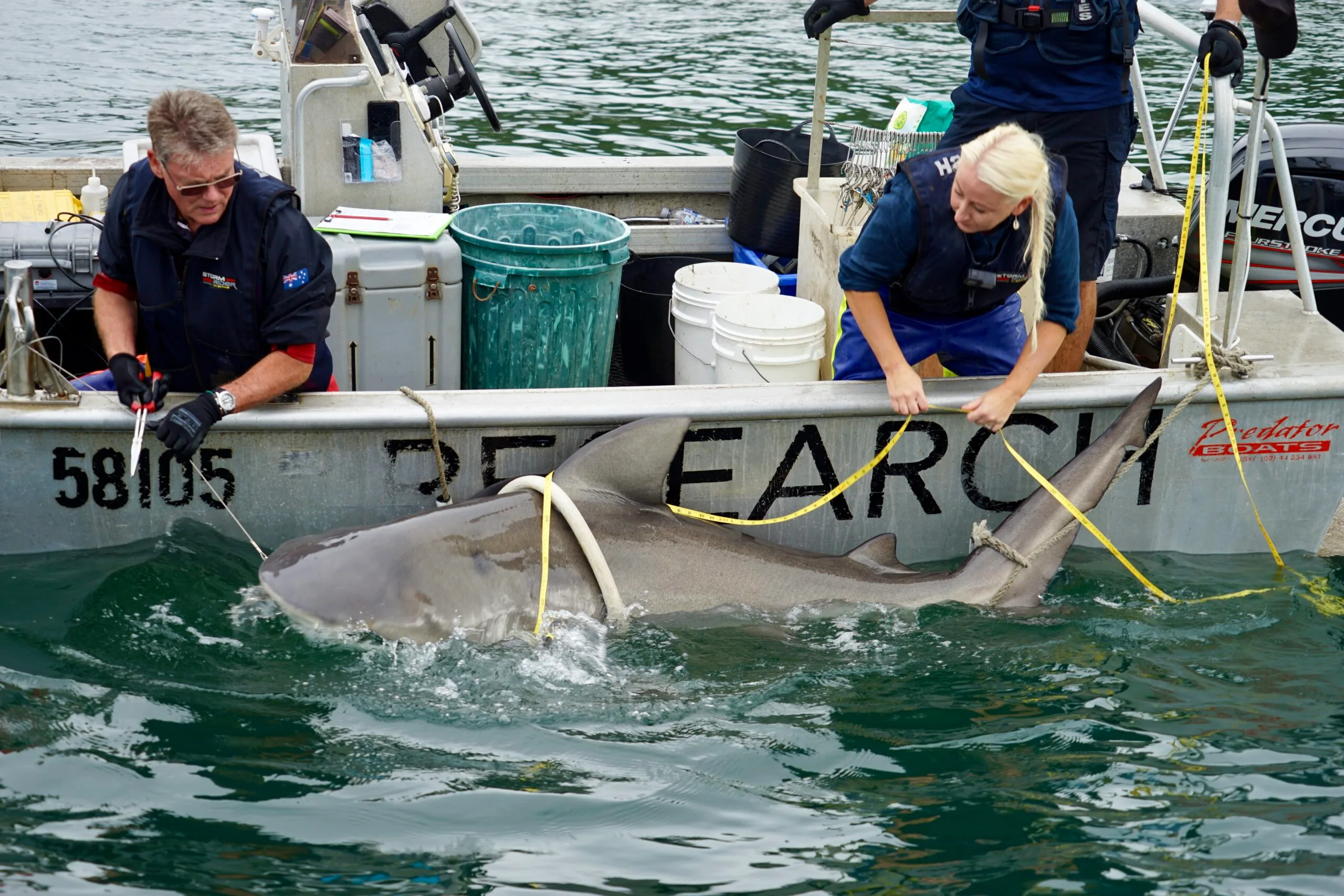
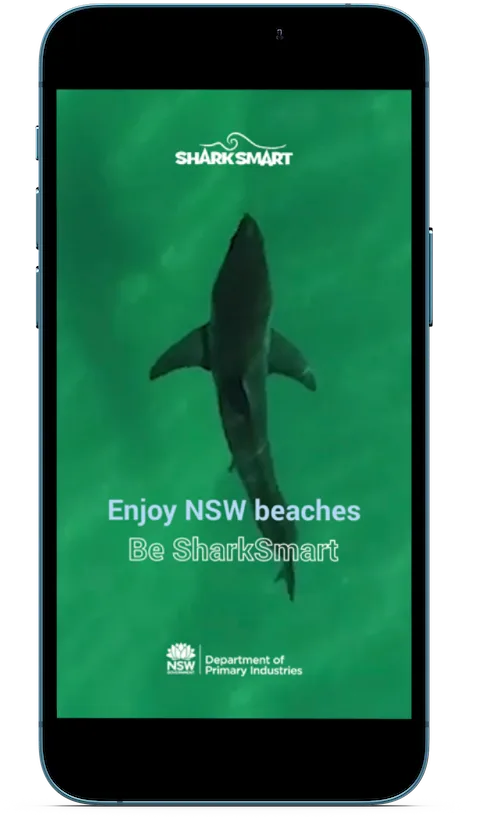
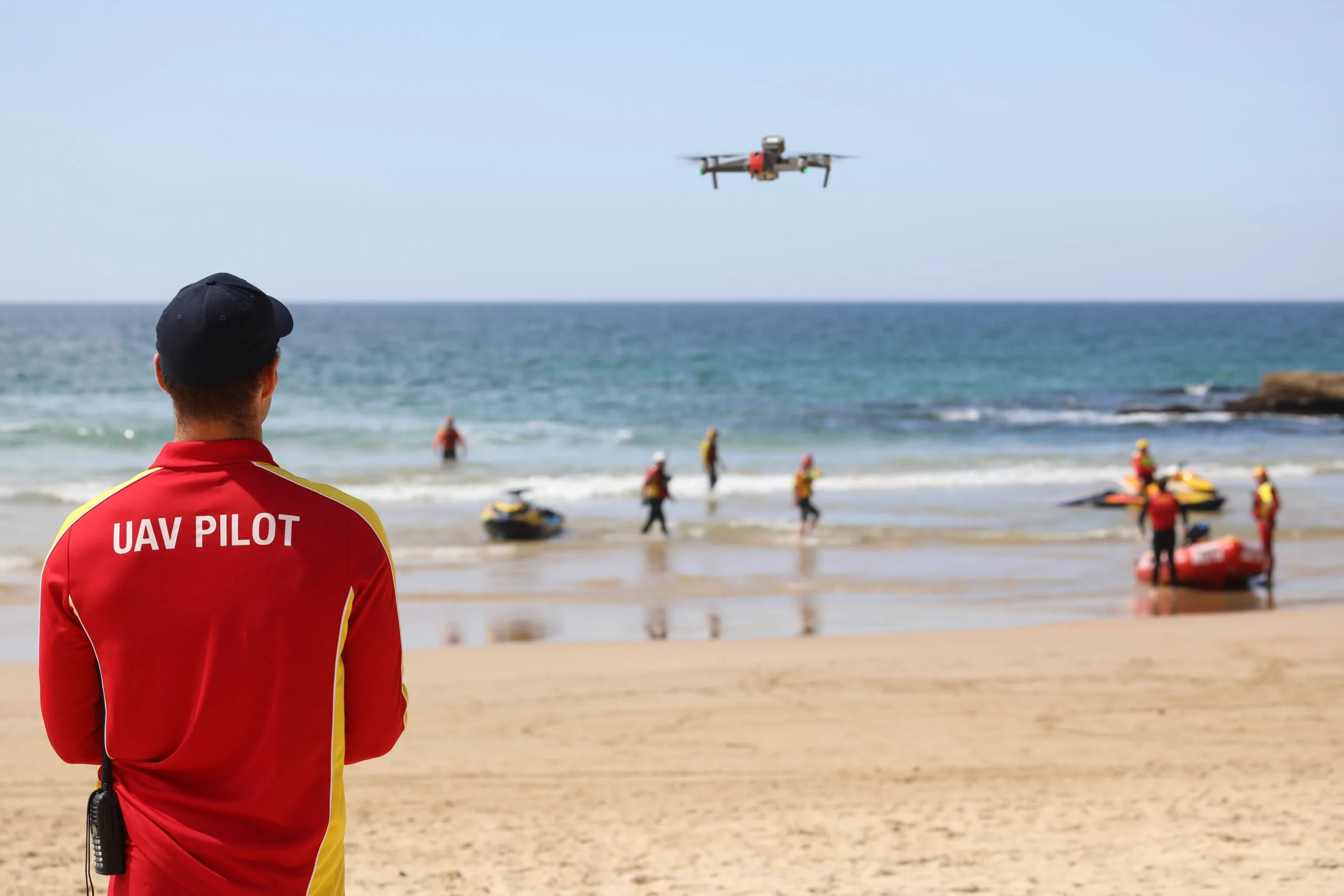
In NSW, the government deploys a number of shark mitigation tools, including shark nets, SMART drumlines, surveillance drone patrols and a SharkSmart education app to quell that hysteria. “Our Shark Management Program is the largest and most comprehensive of its kind in the world,” says the Minister for Agriculture, Tara Moriarty.
Despite attacks off Western Australia and South Australia, no shark nets are installed there. And the nets do have serious critics.
“My dream is to have the killing machines that are shark nets removed from our beaches,” says Paul, citing high bycatch casualties including dolphins, turtles and rays.
The shark nets installed at 51 beaches in NSW and 86 beaches in Queensland are usually set 500m from shore at a depth of six metres and span 150m in length (Bondi is 1km).
“Shark nets provide a false sense of security,” says Lawrence. “They don’t span entire beaches or extend to the ocean floor and, worse, they are indiscriminate killers.”
Five nets installed off beaches between Lennox and Evans Head in NSW in 2016-18 caught 420 marine animals but only 11 target species.
The shark net debate
Paul, Lawrence and Dr Smoothey all believe drone surveillance (operated by surf lifesavers using AI to locate shark threats offshore) and SMART drumlines (where dangerous sharks are captured, tagged and relocated) are more effective measures. But Craig McGill is not convinced nets should be dismantled.
“There’s not enough science to condone taking nets down,” the fisherman argues.
“Yes, there’s a bycatch problem but we don’t know how many lives they save. I’d rather we accidentally kill 10 turtles a year than lose a human child. As for tagging and tracking, will it save lives? The one per cent we tag leads to good data but it’s the 99 per cent of sharks we don’t tag that I worry about.”
Wildlife scientist Dr Vanessa Pirotta says “there’s no silver bullet to managing sharks in Australian waters, but science, data and education are our keys to coexistence. Knowledge is power and shark education needs to start in schools, so our kids can not only stay ‘shark smart’ but understand that sharks play a vital role in the Mecca of diverse life off our coastline.”
Are there more sharks?
In 32 years fishing Sydney Harbour, Craig says he’s never seen so many sharks as now. “We catch tiger sharks, bronze whalers, hammerheads, threshers, makos and blue sharks.Ca
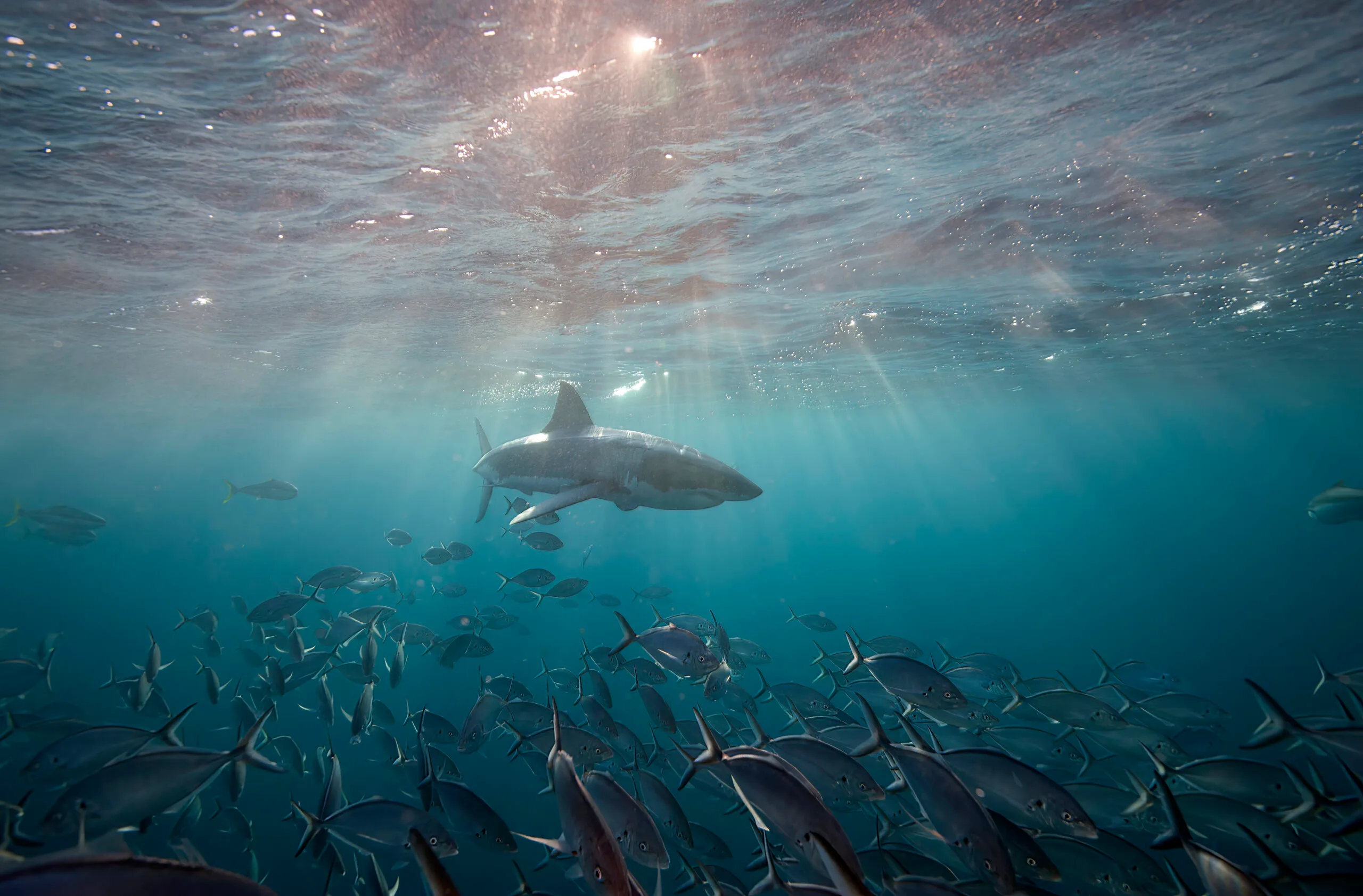
“The diversity is huge, but bull sharks are by far the most common. They are everywhere – along the beaches, in the bays, up the rivers, and all through Sydney Harbour.
“In the ’80s, we cleaned up our waterways. There’s less sewage pumped onto beaches or industrial waste spewed into rivers. The fish, whales and seals have returned. And so have sharks.”
That’s good news, says Lawrence.
Unlike most species, bull sharks – named for their great girth and blunt heads – inhabit fresh water and salt water, adapting to salinity with unique evolutionary traits.
“Sharks are critical cogs in our oceans. As apex predators at the top of the food chain, they make sure no one species is overwhelming others and they eat the dead or dying, releasing carbon back into the ocean floor and improving the health of any ecosystem they inhabit.”
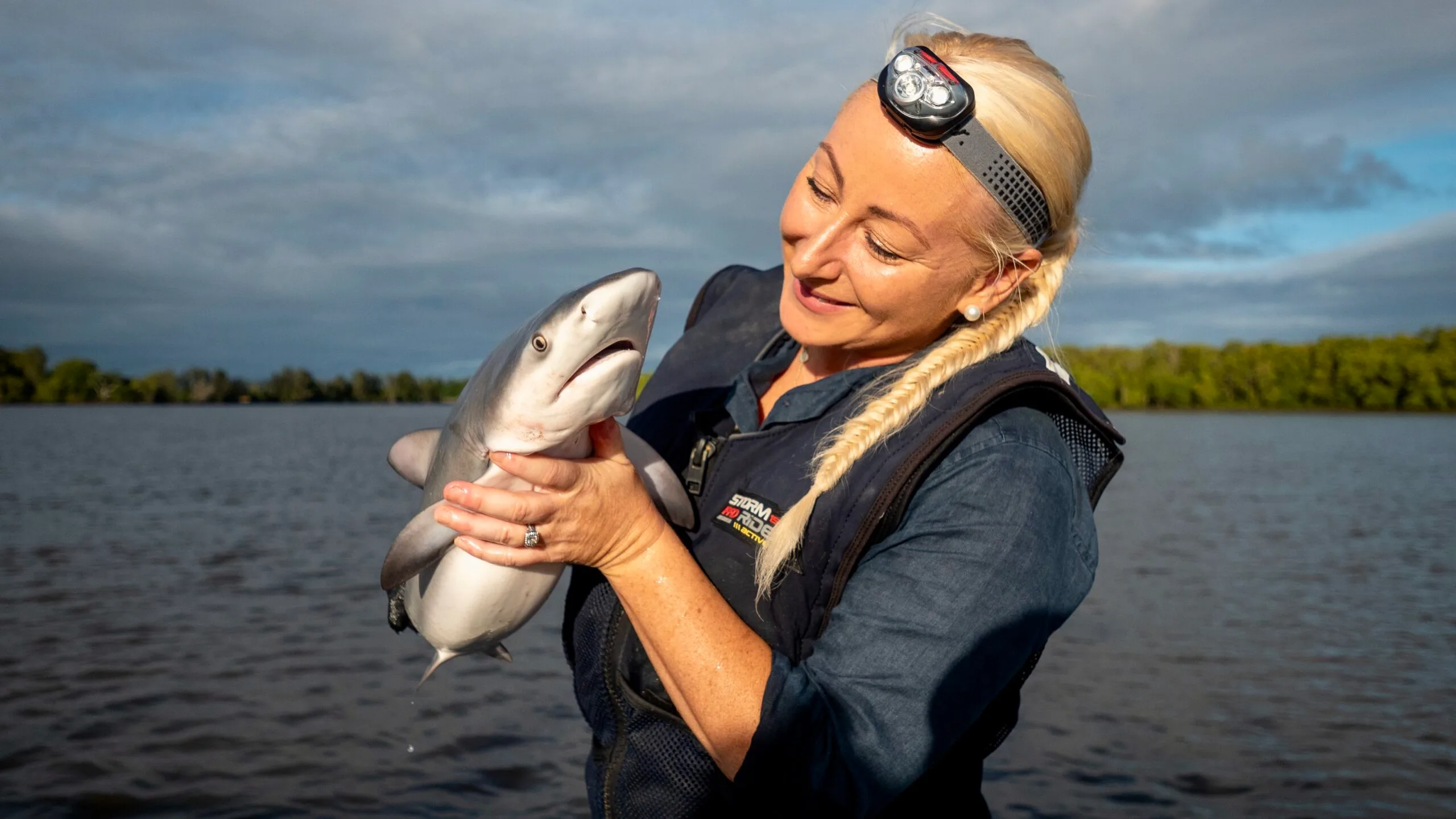
“From the Brisbane to the Swan to the Hawkesbury, rivers act as nurseries for bull sharks,” explains Dr Smoothey. “In late spring, they birth up to 15 live pups at a time who stay in the river for up to five years.”
Yes, clean rivers make appealing nurseries, but does that mean more sharks are being born? Craig says yes: “They steal baits, snap lines and bite fish in half before we get ’em in the boat.”
What does the science say?
But while anecdotal evidence plays a role in monitoring shark numbers, data must back it up.
“There’s no scientific evidence to suggest bull shark numbers in Sydney are increasing,” says Dr Smoothey. “But tagging does show bull sharks are more abundant over summer and autumn, peaking in January and February, when water temperatures rise above 19°C.”
Climate change is also having an impact. “The past five or six years we’ve had these marine heatwaves,” says Craig. “Warm water comes down hard on the EAC [East Australian Current] and doesn’t back off. It comes earlier, stays longer. And the sharks come with it.”
Unfortunately, those hotter months are when both sharks and humans love our oceans the most.
Almost 61 years to the day before Lauren O’Neill survived her encounter with a shark, actress Marcia Hathaway, 32, waded into Sydney Harbour waters at tranquil Sugarloaf Bay on January 28, and was bitten on the calf by a bull shark.
Despite 30 men pushing her stalled ambulance up the hill, Marcia didn’t make it, and remains the last known shark attack fatality in Sydney Harbour. Yet in the bush above Sugarloaf is proof that it has happened before, and will again. A flat rock aeons old bears the unmistakable carved outline of a shark, jaws gaping, lunging at a female whose body bears jagged gashes.
But with 250 million sharks slaughtered annually and more people killed by bee stings than sharks each year, surely the real killers lurk on land.
How to survive shark attacks
Dr Amy Smoothey shares her three golden rules to stay shark smart:
1. Don’t swim at dawn and dusk or at night when sharks are most active.
2. Swim between the flags, stay close to shore and avoid fishing spots.
3. Don’t swim in water that is turbid after rainfall or within 1km of a river mouth.
Paul De Gelder offers these three tips on what to do if you meet a shark:
1. Sharks sense panic. If you see a shark nearby, never take your eyes off it.
2. Don’t trigger a chase. Stay on the ocean floor or move away slowly. Never panic.
3. Sharks are curious creatures. If it comes for a closer look, push it away or punch it.
This article originally appeared in the April 2024 issue of The Australian Women’s Weekly. Subscribe so you never miss an issue.

Related stories

Native ad body.

Native ad body.



Native ad body.