


At a glance…
- Australian Femicide Watch founder Sherele Moody says Meta has disabled her Instagram account, which she uses to document the deaths of women and children through violence.
- Sherele says her page receives tens of millions of views each month and is an important resource for policymakers, frontline workers and the public.
- The journalist and women’s safety advocate believes the decision raises serious questions about how social media platforms moderate content documenting violence against women.
- CONTENT WARNING: This article discusses violence against women and children, which may be distressing to readers. Help is available. Call Lifeline on 13 11 14 for 24/7 crisis support.
When Australians want to know how many women have died as a result of violence, there’s one resource many turn to: Sherele Moody’s Australian Femicide Watch. But anyone who visited its page this week would have been met with a notice: “Content unavailable.”
Why? Meta had disabled the account.
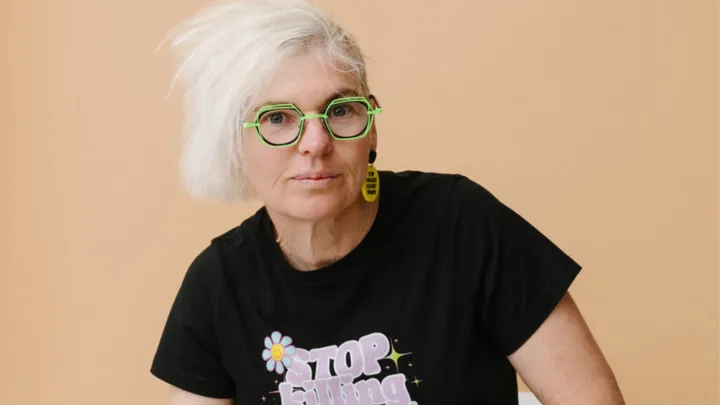
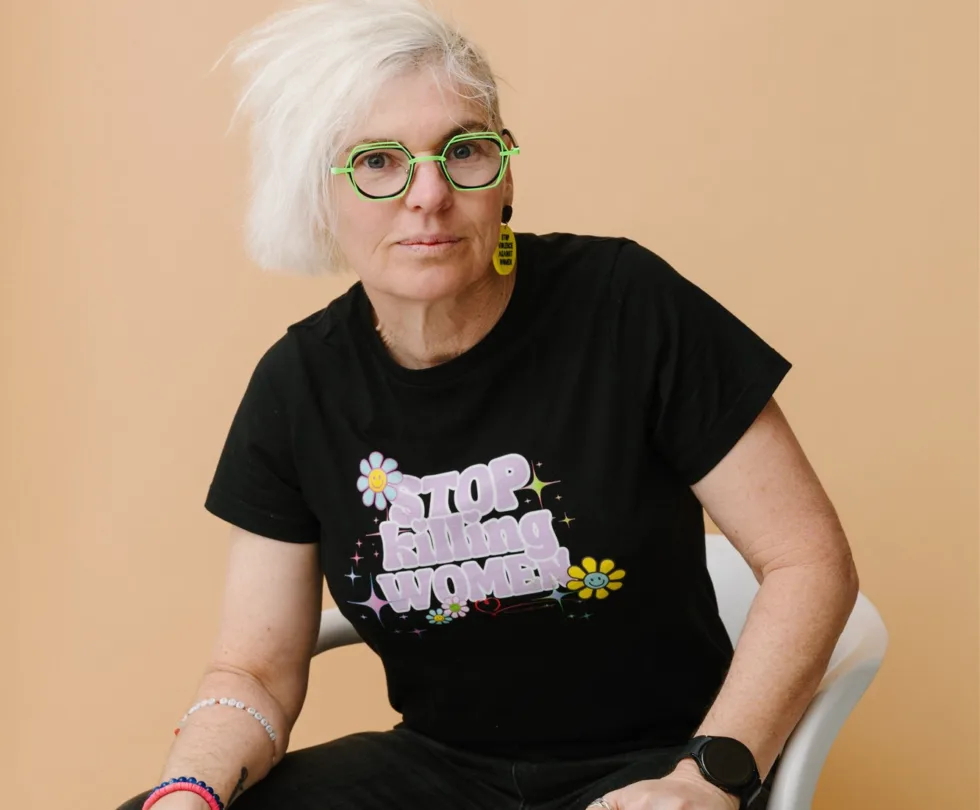
For years, Australian journalist and women’s safety advocate Sherele Moody has dedicated her life to ensuring women and children killed by violence are not forgotten. Now, the social media accounts she uses to share their stories with millions of people have disappeared.
The founder of Australian Femicide Watch and The RED HEART Movement says Meta has disabled her social media accounts for allegedly breaching its community standards. But what those breaches are, she doesn’t know.

Speaking to The Australian Women’s Weekly, Sherele says she discovered the account had been disabled on Sunday morning while having breakfast with her partner.
“There was no indication exactly which post breached them. It just said that and then it said to hit the button to appeal,” she explains. “So I put the appeal request through. It said it would give me an answer within 24 hours, but no answer has ever come.”
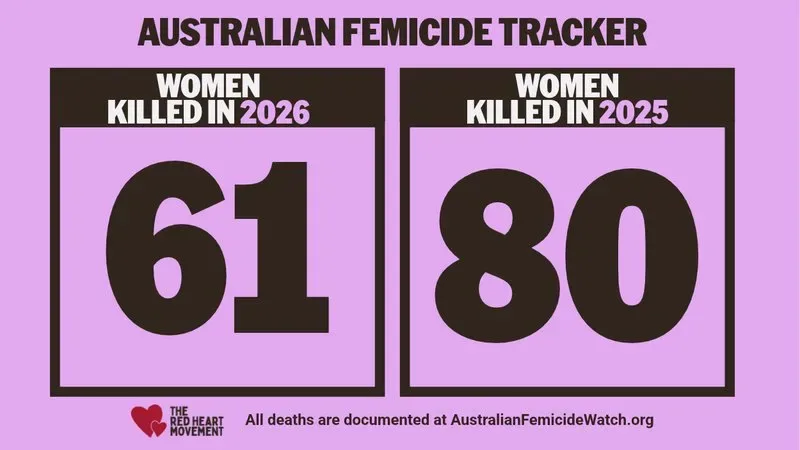
The timing is particularly poignant. This week, Sherele reported the 61st woman killed by violence in Australia in 2026. Baljit Kaur, 29, was fatally stabbed at her home in Dandenong, Victoria, on 6 November. According to Australian Femicide Watch, her death brings the organisation’s 2026 toll to 61, compared with 80 recorded across 2025.
For Sherele, this is more than the loss of a social media account. It’s the loss of an important avenue for advocacy, education and remembrance. Unlike trying to get people to her website or Change.org page, with social media, her posts can show up in anyone’s feed.
“It literally lands in their feed, and they’re being educated just by scrolling.”
Her Instagram and Facebook pages document the deaths of Australian women and children through violence, including her regularly updated femicide toll. On those platforms, Sherele also shares news, research and information about domestic violence, sexual violence and misogyny.
“So people literally go to my page to look at how many women have been killed. It has the stories of many, many, many hundreds and hundreds of stories of women lost to violence on it, and children lost to violence,” she says. “And the page is gone because doing that breaches community standards.”
An important resource for women’s safety
Australian Femicide Watch has become a resource for those seeking to understand the scale of violence against women in Australia.
Sherele’s research encompasses more than domestic and family violence, documenting women killed in a range of circumstances. Her work is used by people across the community, including those working to prevent violence and influence policy. I personally reference it when researching stories on violence against women. And I’m not the only journo to do so.
“Members of parliament, policy makers, frontline workers, people in the legal fraternity, it’s literally where people go, [to know ] how many women are being killed; they literally go to my page,” she says.
While the information remains available through her website, Sherele explains that social media offers something particularly valuable: the opportunity to reach people who might not otherwise seek out information about violence against women.
“The posts are in front of people; people don’t even have to be searching for it. It literally lands in their feed, and they’re being educated just by scrolling.”
According to Sherele, her page receives tens of millions of views each month, with women making up much of her audience. Losing that reach, she fears, will make it significantly harder to educate the public and draw attention to the women and children whose stories she documents.
Previous restrictions on posts about violence
This isn’t the first time Sherele says Meta has restricted her content. She tells me about a time when she shared a story about threatening graffiti directed at Jacinda Ardern. The post was flagged by Meta, resulting in a temporary ban. Sherele appealed the decision, and Meta later overturned it.
More recently, she says she received a three-day messaging ban after sharing an article examining how the media sexually exploited actress Brooke Shields as a 12-year-old child.
“It was literally an article talking about the sexual exploitation of children by media that was flagged, and I appealed it,” she says. “The appeal has never been dealt with.”
She also alleges that a convicted sexual offender has used copyright complaints to have posts about his case removed from her accounts, resulting in further temporary restrictions.
“Basically, I shared screenshots of newspaper headlines with his photo in it, and he’s saying the photo component is the copyright [and] belongs to him.”
These experiences have left Sherele questioning whether Meta’s moderation systems adequately distinguish between content that promotes violence and content that reports on or condemns it.
“Almost all that content is about women’s safety. It’s about misogyny. It’s about driving down violence. It’s about understanding what violence against women looks like. It’s about telling women’s stories. It’s about protecting women. It’s about keeping women safe. It’s basically an entire page dedicated to women’s safety.”

A troubling contradiction
What makes the situation particularly frustrating for Sherele is what she sees as an inconsistency in Meta’s approach to threatening content. She points to a recent comment directed at Australian media personality Abbie Chatfield, which she says appeared to encourage violence against her.
Sherele reported the comment to Meta but says she was informed that it did not breach community standards.
“This man said that her partner Adam should go home and bash her to shut her up. And I reported that comment, and I was told that it didn’t breach community standards.”
For a journalist whose work centres on exposing and challenging violence against women, the apparent discrepancy is difficult to reconcile. Sherele believes the decision to disable her account raises questions about the power social media companies hold over public conversations about women’s safety.
“They’re censoring me,” she says. “They’re basically saying that talking about violence against women is a breach of community standards.”
“So we can’t talk about it; we can’t live safe lives. We can’t talk about violence against women. We can’t hold violent men to account without being censored.”
However, Meta has not identified to Sherele which content allegedly breached its policies, and the precise reason for the account’s removal remains unclear.
‘It sets a dangerous precedent’
Despite her frustration, Sherele isn’t asking to be exempt from Meta’s rules. She says she simply wants to understand what she has allegedly done wrong and how she can continue her advocacy without risking further restrictions.
“I want the page back, and if Meta wants to say to me, ‘Hey, you need to do things differently’. All they need to do is tell me what to do differently, and I will work to that.”
For now, the journalist is left without access to an account she has spent years building, and an audience that has come to rely on her reporting.
While her work continues through Australian Femicide Watch, the loss of her social media presence raises a broader question about what happens when platforms that have become essential tools for public advocacy remove access without providing a clear explanation.
“I just think it’s really short-sighted and it sets a dangerous precedent.”
For now, Australian Femicide Watch continues its work documenting the lives of women and children lost to violence, even without the social media reach Sherele spent years building.
And while the organisation’s website remains available, her experience poses a troubling question: what happens when the platforms used to raise awareness of violence against women restrict the very people trying to bring it to light?
Readers can learn more about Sherele’s work through Australian Femicide Watch and Red Heart Movement here and find her petition calling for a federal royal commission on Change.org. Listen to her podcast She Matters, wherever you get your podcasts.
If someone is in immediate danger, call 000.
If you or someone you know has been affected by any of the issues raised in this article, help is always available. Call 1800 RESPECT on 1800 737 732 or visit their website. Men worried about their own violent or controlling behaviour can contact the Men’s Referral Service on 1300 766 491. Aboriginal and Torres Strait Islander people can contact 13YARN on 13 92 76.

