




At a glance…
- Prince Philip, Duke of Edinburgh, was the husband of Queen Elizabeth II and father of the current monarch, King Charles III.
- He was a prince of both Greece and Denmark, and following his family’s exile from Greece, he attended school in the UK.
- In August 2026, the National Archives UK revealed his report card from his final year in school.
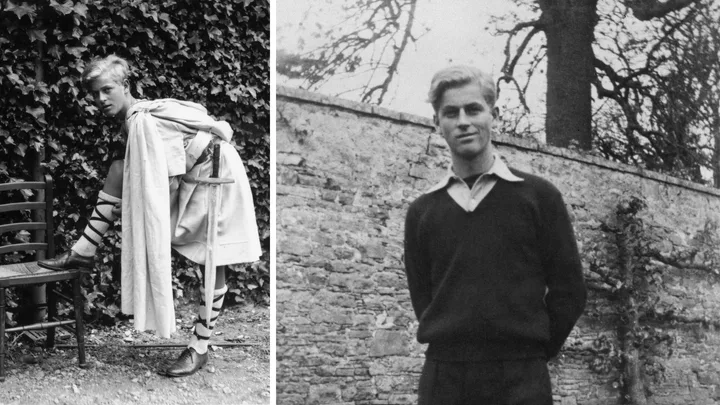
Can you remember or imagine what your headmaster or headmistress would say about you in your final year report card? Well, we don’t have to imagine for Prince Philip, as his final school report has just been revealed.
Royalists might not be surprised to learn that the late Duke of Edinburgh was “meticulous and outstanding”, “universally liked and respected”, and a “born leader” at school.
Born on 10 June 1921 on the Greek island of Corfu, Philip was a prince of both Greece and Denmark. His family was forced into exile when he was an infant, and he spent much of his childhood in France, Germany and the UK.
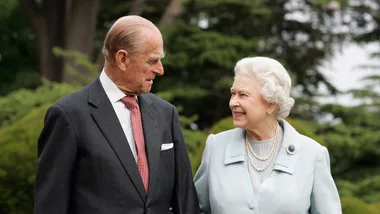
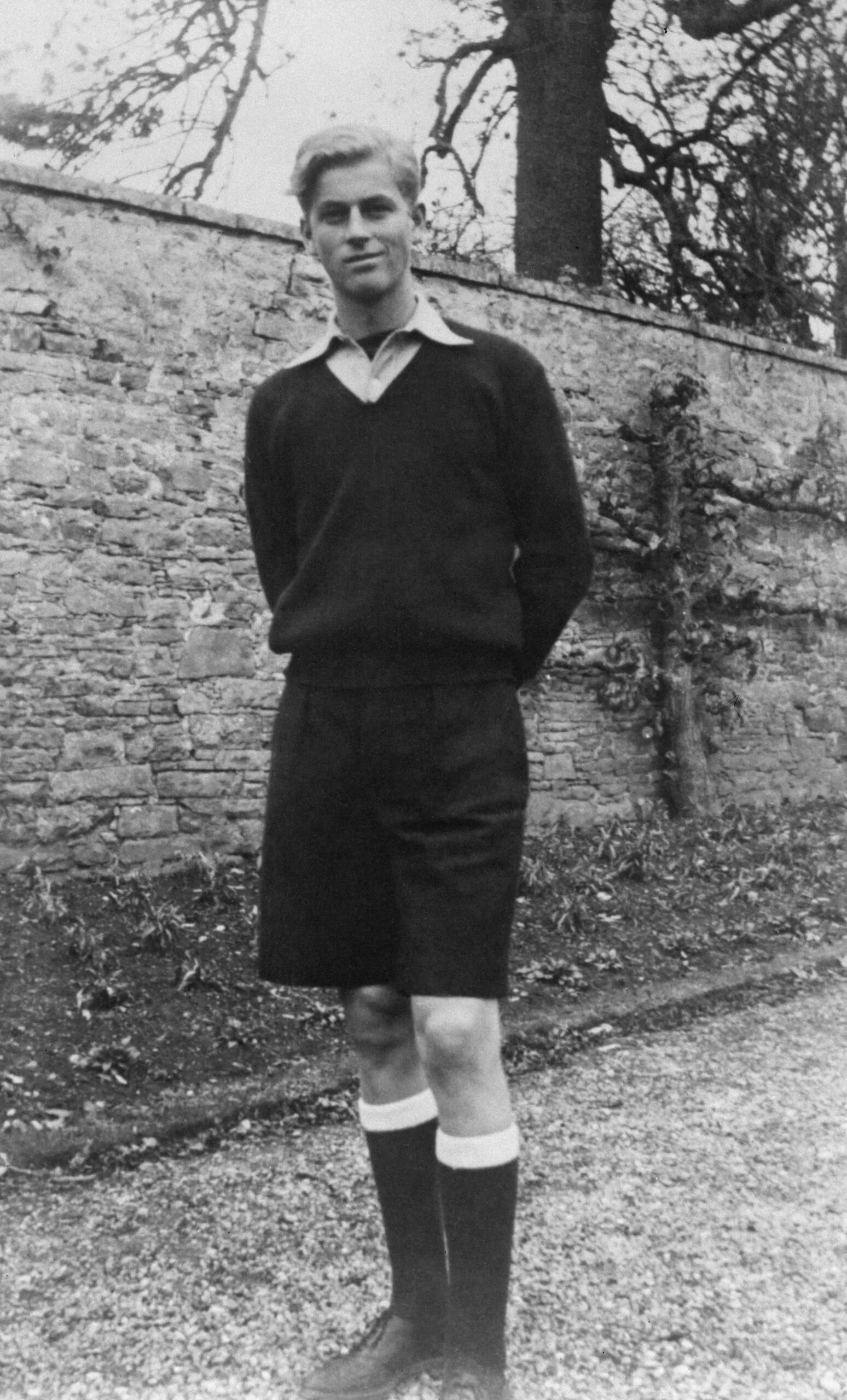
The comments were written by Philip’s former headmaster, Kurt Hahn, who also founded Philip’s school Gordonstoun in Scotland, the UK. He first crossed paths with Hahn much earlier when he was 12 years old, when he attended Salem School in Germany, also run by the educationalist. When Philip joined the newly-opened Gordonstoun School, he was one of only 21 boys at the school.
According to the Palace, during his five years at the school, Philip was Head Boy, captain of the cricket and hockey teams and took part in sailing trips to Norway and around the Scottish coast with the school’s Seamanship Guild. Now we have some more insight thanks to his report card, which was displayed by the National Archives in the UK.
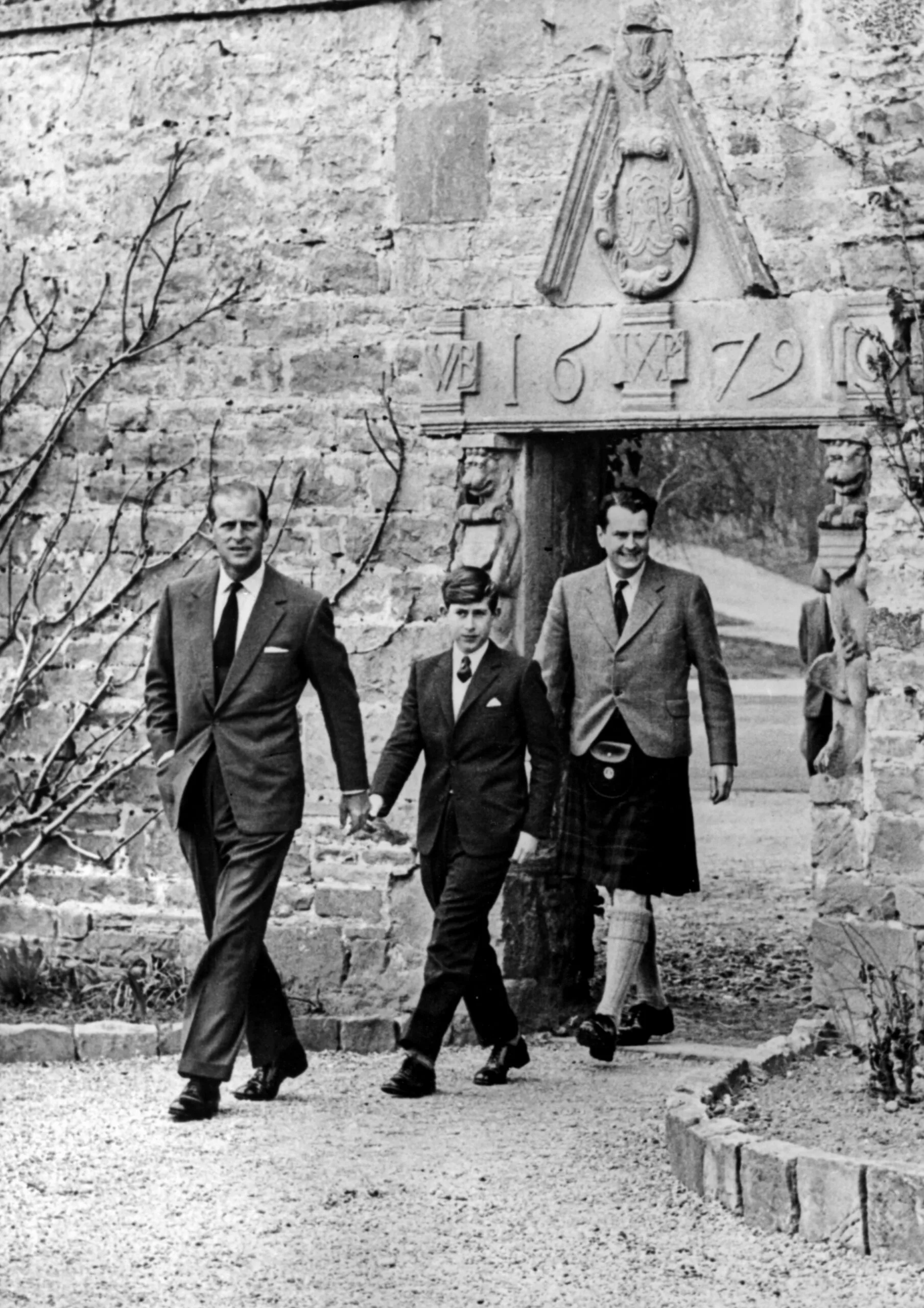
“He has the greatest sense of service of all the boys in the school,” Kurt Hahn wrote of the future Duke of Edinburgh.
“Prince Philip is a born leader but will need the exacting demands of a great service to do justice to himself. His best is outstanding — his second best is not good enough.”
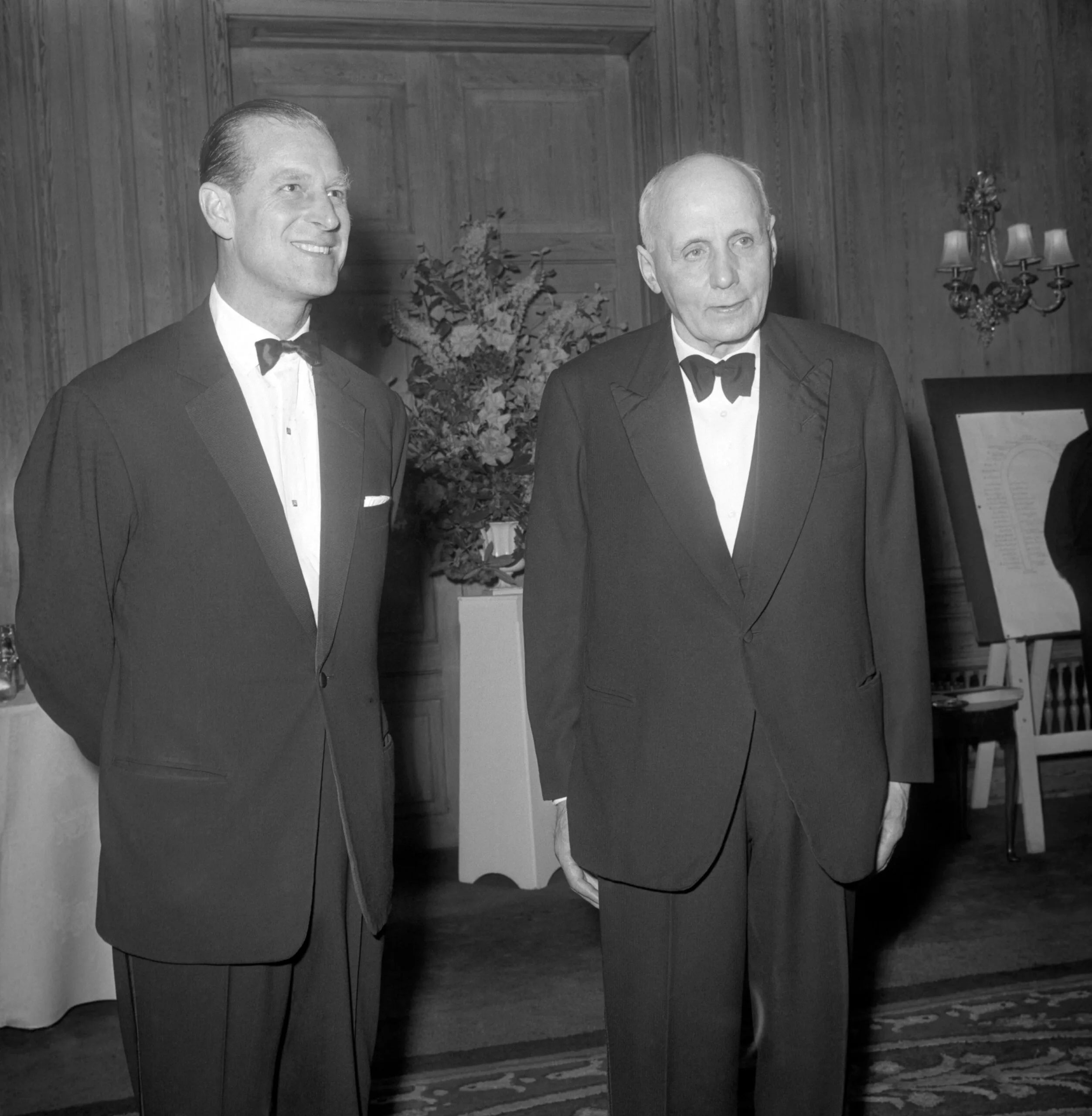
He also described Philip as “a marked power for gathering and giving precise evidence. He hates subterfuge. Prince Philip has unusual courage and endurance.”
And this line, which was likely received very well by the Navy: “He has the makings of a first class organiser. He has a natural power of command. As a leader of games he is at times too irritable. He has a power of meticulous application, but will only do his best under pressure.”
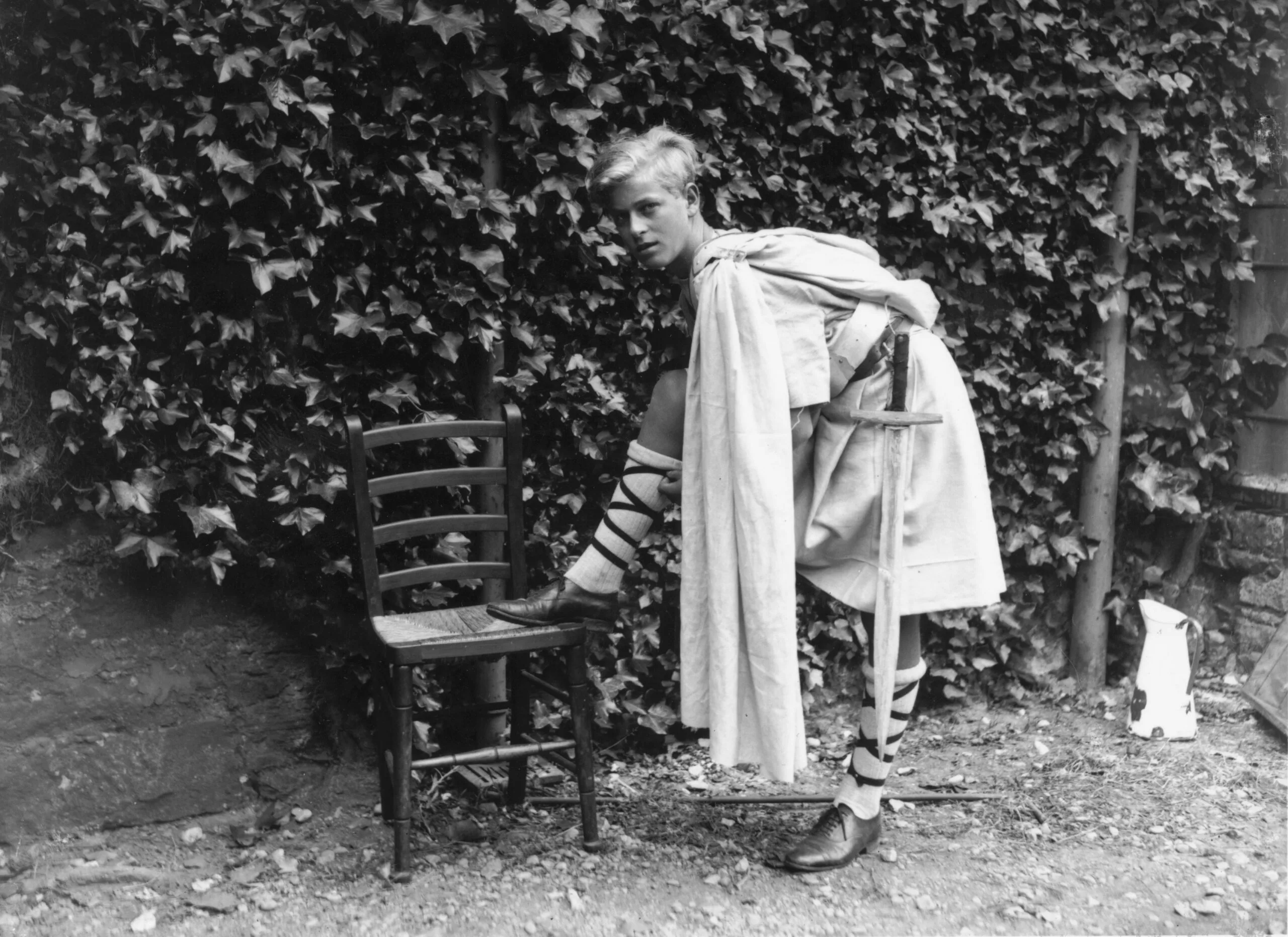
Beyond his character, Kurt Hahn commended Philip’s musical prowess and sailing ability. When writing about the sailing expeditions, he wrote that Philip “proved himself to be a cheerful shipmate and very conscientious in carrying out both major and minor duties.
“He is one of its most efficient members and can be trusted to take charge of a cutter under oars and sails,” he added. “He is thoroughly trustworthy and not afraid of dirty and arduous work.”
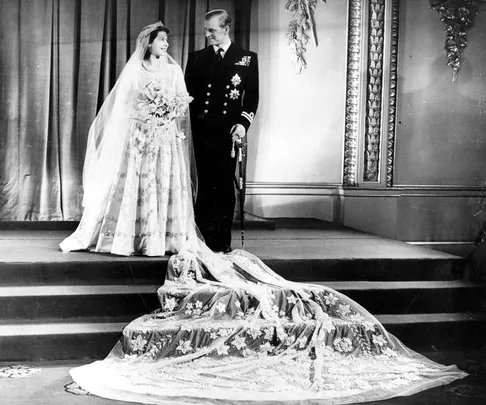
Philip married Princess Elizabeth on 20 November 1947, five years before she became Queen in 1952. They were married for more than 73 years, until his death on 9 April 2021, just two months before his 100th birthday. Together they had four children: King Charles III; Princess Anne, aka the Princess Royal; the former Prince Andrew, and Prince Edward, the current Duke of Edinburgh.
While Philip clearly thrived at Gordonstoun, his sons opted not to send their own sons to the school. Instead, then Prince Charles sent both his sons to Eton, where his grandson Prince George will also attend this year.
Prince Philip’s death marked the end of one of the longest royal marriages in history and the loss of Queen Elizabeth II’s closest companion. She famously described him in 1997 as her “strength and stay” throughout her reign.
The written records about the Duke of Edinburgh weren’t expected to be revealed until 2041. They are currently open and available to the public in the National Archives in Kew in the UK.

