


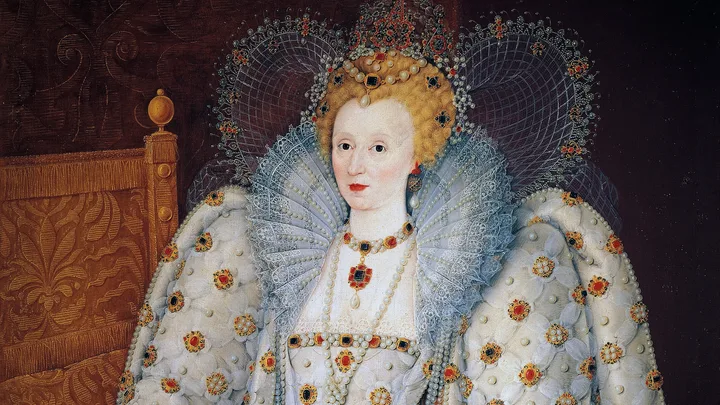
In 1603, as the coffin of Queen Elizabeth I was lowered into the ground, she had by her side her most precious belonging – the final letter from the man many had suspected to be the Virgin Queen’s secret lover, Robert Dudley, Earl of Leicester. And more than 400 years later, the words in that letter live on, as the bond between monarch and faithful confidant continues to enthral romantics.
Theirs was a love story for the Golden Ages, a tale of childhood friends whose lives intertwined over five decades. They started out as playmates and classmates, Elizabeth born in 1533 and Robert a year earlier.
She was the daughter of Henry VIII and Anne Boleyn; he was the fifth son of the 1st Duke of Northumberland, soon to be infamous for his failed effort to install Lady Jane Grey as queen over Elizabeth’s halfsister, Mary I.
At eight years old, Elizabeth confided in Robert (after her stepmother Catherine Howard’s execution), “I will never marry.” Her youthful declaration would haunt them.
Court Intrigue
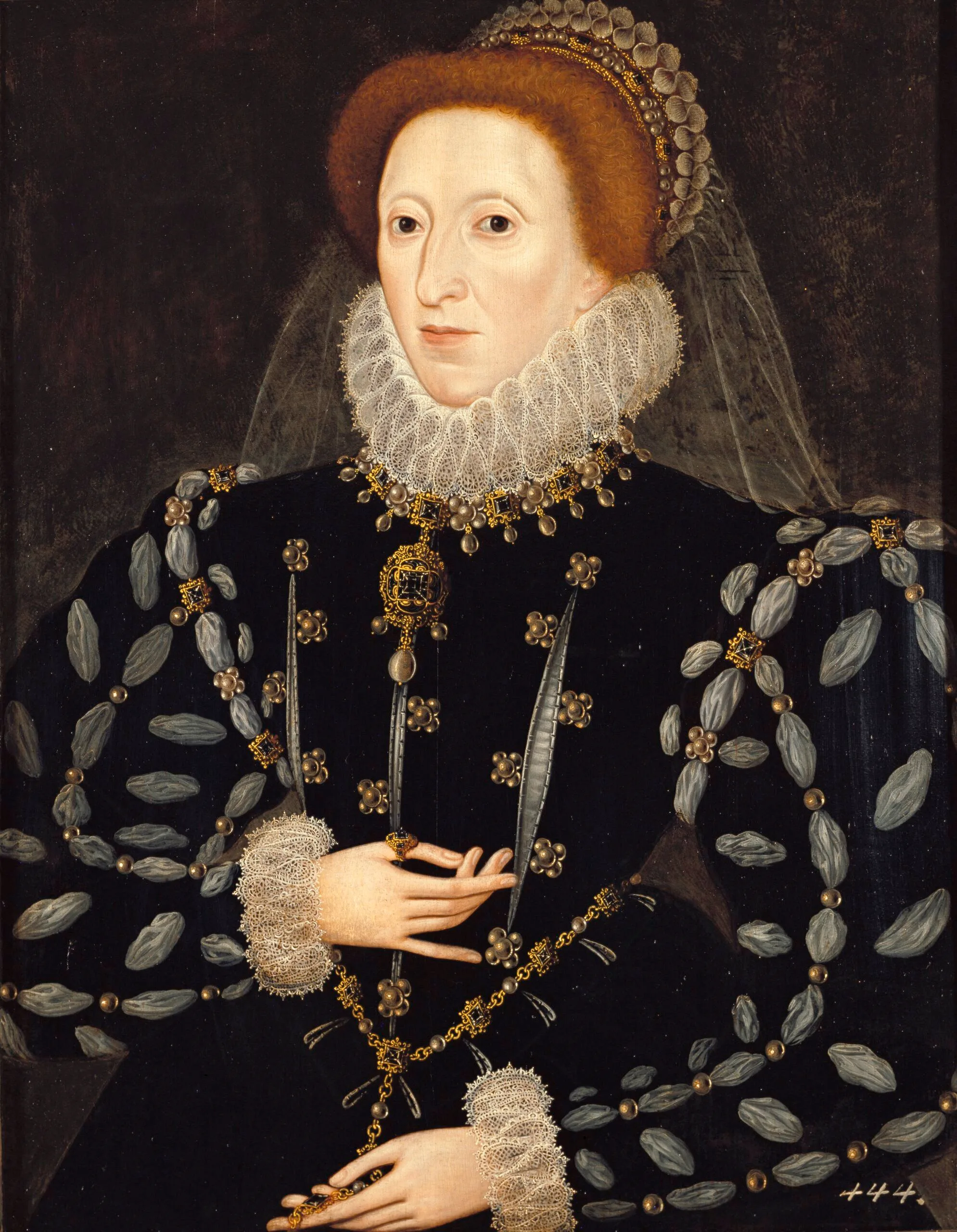
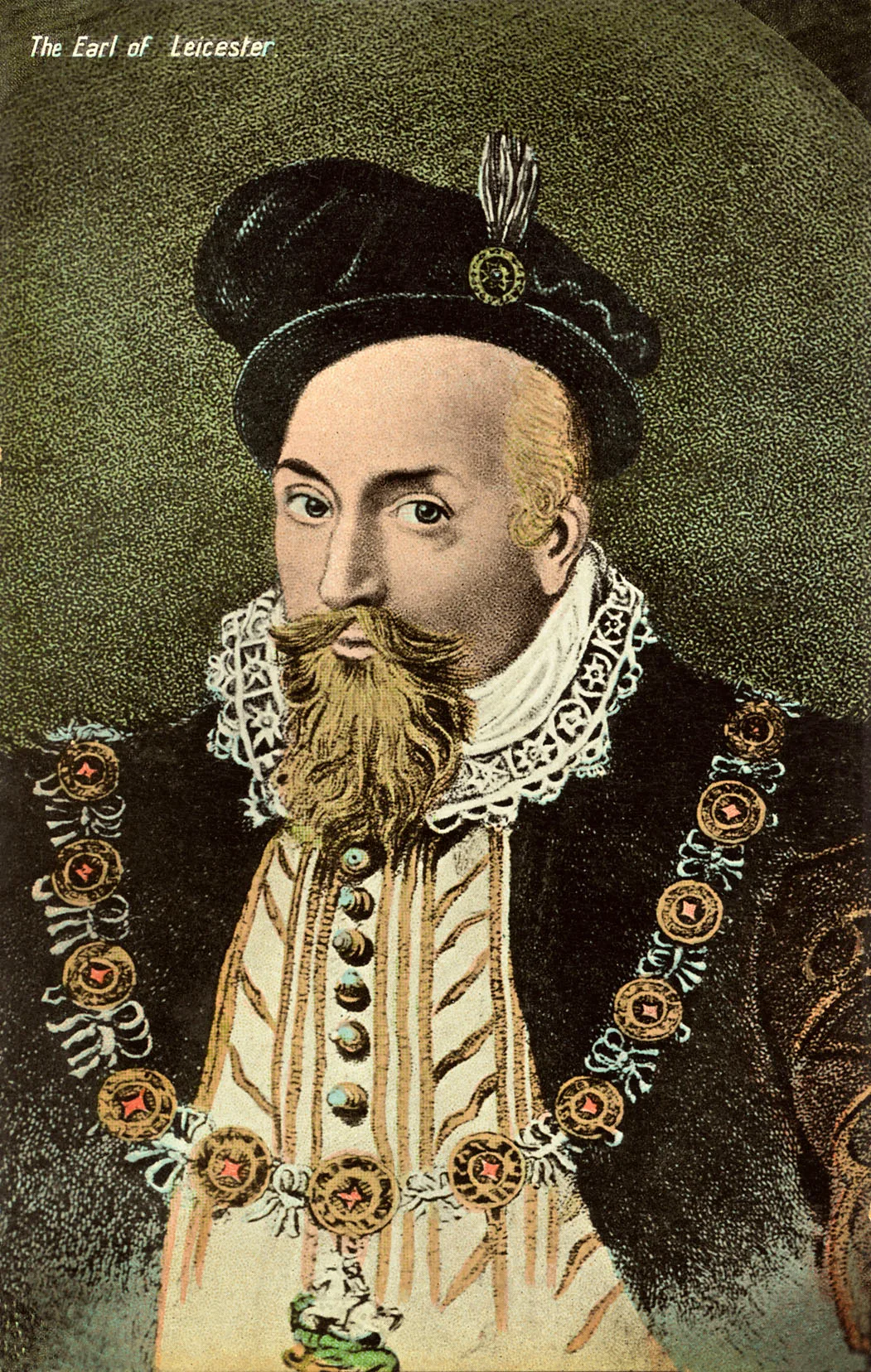
As Mary sought to consolidate her power on the throne, Elizabeth and Robert ended up in the Tower of London under threat of their heads being parted from their bodies. Both Robert’s head and body were noted fondly by his fellow inmate; he was unusually tall and described as “singular well-featured” with shapely legs.
Throughout the 1550s, even with Elizabeth in constant fear for her life, the friendship and attraction blossomed.
And when she became queen on her sister’s death in 1558, Elizabeth made Robert Master of the Horse – responsible for royal travel and entertainment, and thus a constant presence at court. The pair’s playful co-dependence was the talk of the palace and the grand courts of Europe, and soon the public.
They had much in common; they rode, they danced, they talked in private whispers, and everyone
assumed they were lovers. Elizabeth reportedly had Robert’s quarters moved next to her private rooms, and rumours were spread by Mary Queen of Scots, no less, that he’d visited the Queen’s bed.
It’s also reported that one Old Mother Dowe of Brentwood gossiped to her neighbours that “My Lord Robert hath given Her Majesty a red petticoat”, i.e. taken her virginity. Elizabeth was playing with fire. Robert was already an unpopular figure, at one point the subject of a scurrilous (and anonymous) character assassination called Leicester’s Commonwealth, which accused him of a litany of unsavoury and criminal misdeeds. Maybe his radioactivity explains why Elizabeth could never make things official with him – to do so might have torn apart the country she’d united by strength of will.
She was determined to rule alone as the Virgin Queen: “I will have but one mistress here, and no master,” she declared. She made a virtue of her virtue, remaining so discreet in her personal life that the King of France declared it to be one of the three great questions of Europe.
And in fact, there is no evidence that the Queen and Robert ever actually consummated their romance. Later in life, Elizabeth would swear that although she loved him, nothing “unseemly” had ever passed between them. But she was clearly besotted with him, and walked a fine line between friendship and fornication. The only question is which side of the line she fell.
Wed and Dead
Inconveniently, Robert also had a wife. He married one Amy Robsart, daughter of a gentleman farmer, in 1550, ahead of his stay in the Tower. She didn’t appear at court – it was widely known that she was not welcome. In any case, she suffered from a “malady of the breast”, and it was supposed that Elizabeth was waiting for her to die before making an official move with Robert.
Her Majesty summarily got her wish on September 8, 1560, when Amy was found dead at the bottom of some stairs at her Cumnor Place residence. Was it murder, accident or suicide? Robert was far away at Windsor at the time, but the pall of accusation hung over him.
He was so tainted, Elizabeth was forced to keep her distance.
But neither gossip nor scandal could keep them apart for long; Elizabeth doted on her “Bonny Sweet Robin,” granting him the titles of privy councillor and then, in 1564, the Earl of Leicester.
All the while, she silently rebuffed the litany of hopefuls seeking to marry her. “She has many suitors for her hand, and by protracting any decision keeps them all in hope,” sniffed the Venetian ambassador.
As the scandal of Amy’s demise receded, Robert was still desperate to take his Queen as his own. In 1575, he invited Elizabeth to his estate for 19 days of lavish entertainment in a last-ditch attempt to woo her – but when he again came up short, he summarily took Elizabeth’s cousin and lady-in-waiting, Lettice Knollys, as his mistress. To the Queen, it was a betrayal.
She reportedly flew into a jealous rage, boxing Lettice’s ears and banishing the “flouting wench” from her presence. The hurt was only compounded when Lettice became pregnant three years later, prompting Robert to wed her.
A Secret Child?
Even then, the Queen could never shake the rumours and innuendo. Most startling, in 1587, a young man calling himself Arthur Dudley arrived at King Philip II’s court in Madrid, claiming to be her illegitimate child. He said he was born in 1561 – the same year Elizabeth was bedridden with a mystery illness that caused her body to swell.
He even named the servant who took him away and raised him, then confessed the incredible story on his deathbed. Truth or fabrication, it was a final twist in one of the most talked-about romantic sagas of the time.
Elizabeth and Robert never regained their intimacy, although they reconciled years later. Despite becoming gravely ill with stomach cancer, the Earl was close counsel to his Queen during her most testing period repelling the Spanish Armada in 1588.
They were last seen together at a palace window watching a parade below, and he signed off his final letter to her, “I humbly kiss your foot … by Your Majesty’s most faithful and obedient servant.”
He died soon after on September 4, 1588, aged 56.
The inconsolable Elizabeth barricaded herself in her room and kept the letter by her bed for the rest of her life. It would be buried with her 15 years later. After a consequential 45 years on the throne, Elizabeth died the Virgin Queen, loved by her people. She was unquestionably loved by Robert Dudley, too, and she in turn adored her dashing, thrilling, capricious confidant.
This article originally appeared in The Australian Women’s Weekly.

