At a glance…
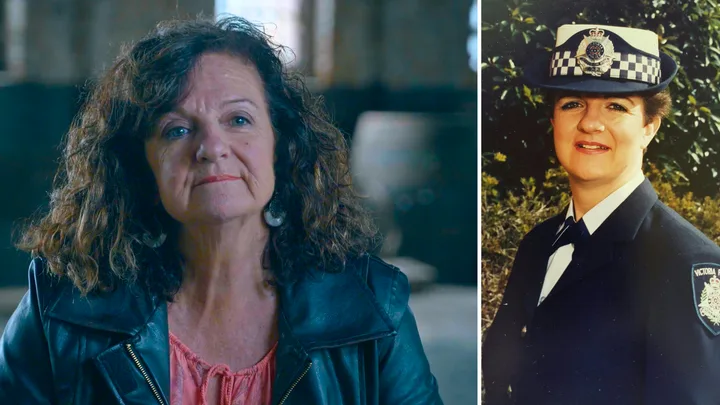
- Former Victoria Police detective Narelle Fraser spent 27 years investigating some of Australia’s most notorious crimes, often confronting the darkest aspects of humanity.
- After years of traumatic experiences and feeling responsible for protecting everyone around her, Narelle developed post-traumatic stress disorder (PTSD), which ultimately ended the career she loved.
- Now the subject of a new documentary, The Policewoman, Narelle is sharing her story of recovery, resilience and rediscovering her purpose as a mental health advocate and podcaster.
- Content Warning: This article discusses child sexual abuse, sexual violence and PTSD, which may be triggering to readers.
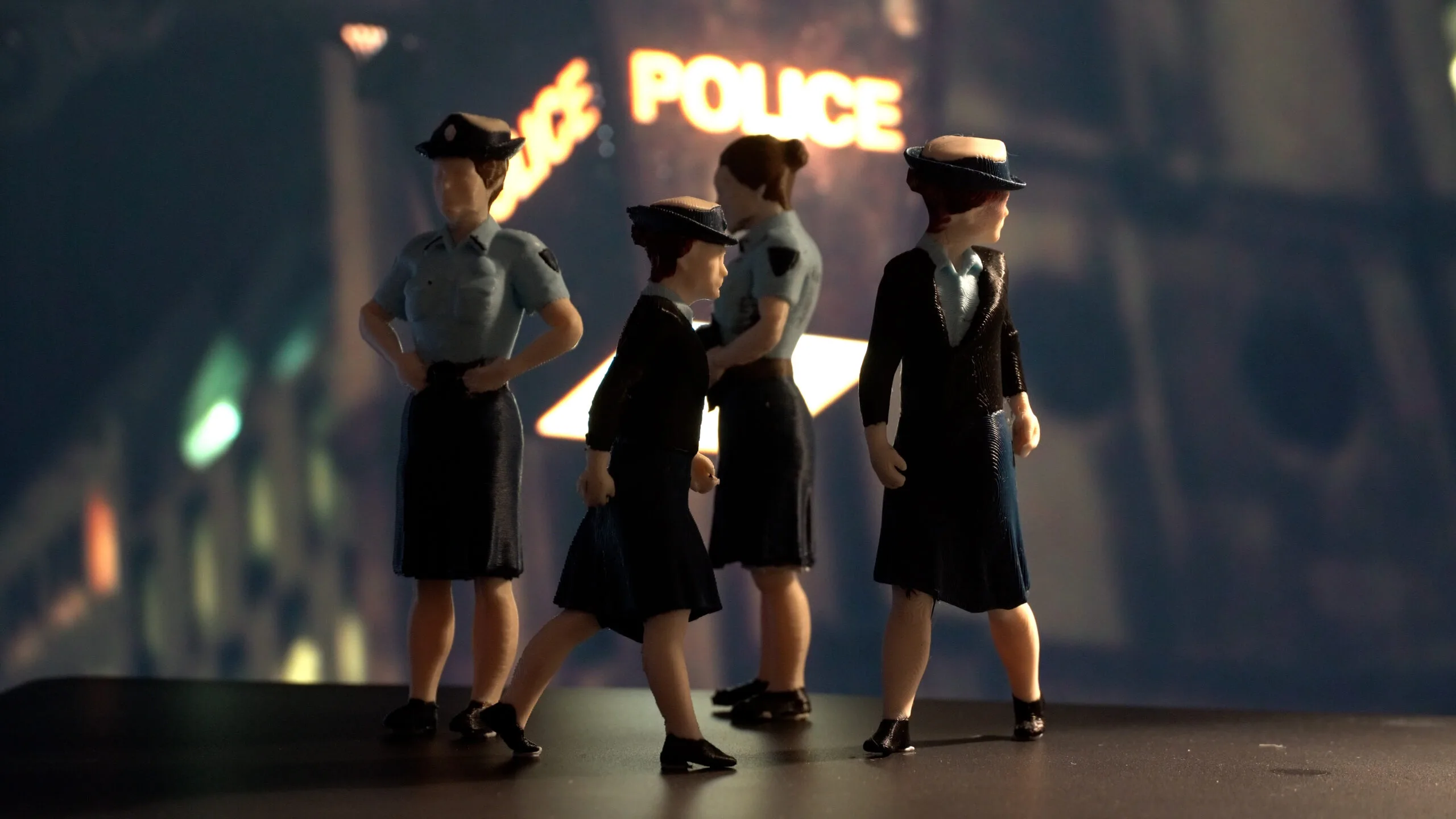
Did you know that when women first joined the police force, they weren’t allowed to wear trousers? They wore skirts and were even called the “skirts”. What’s more, because they didn’t have the same regulation uniform as the men, women didn’t have gun holsters. In fact, they had to carry their regulation handguns in regulation handbags.
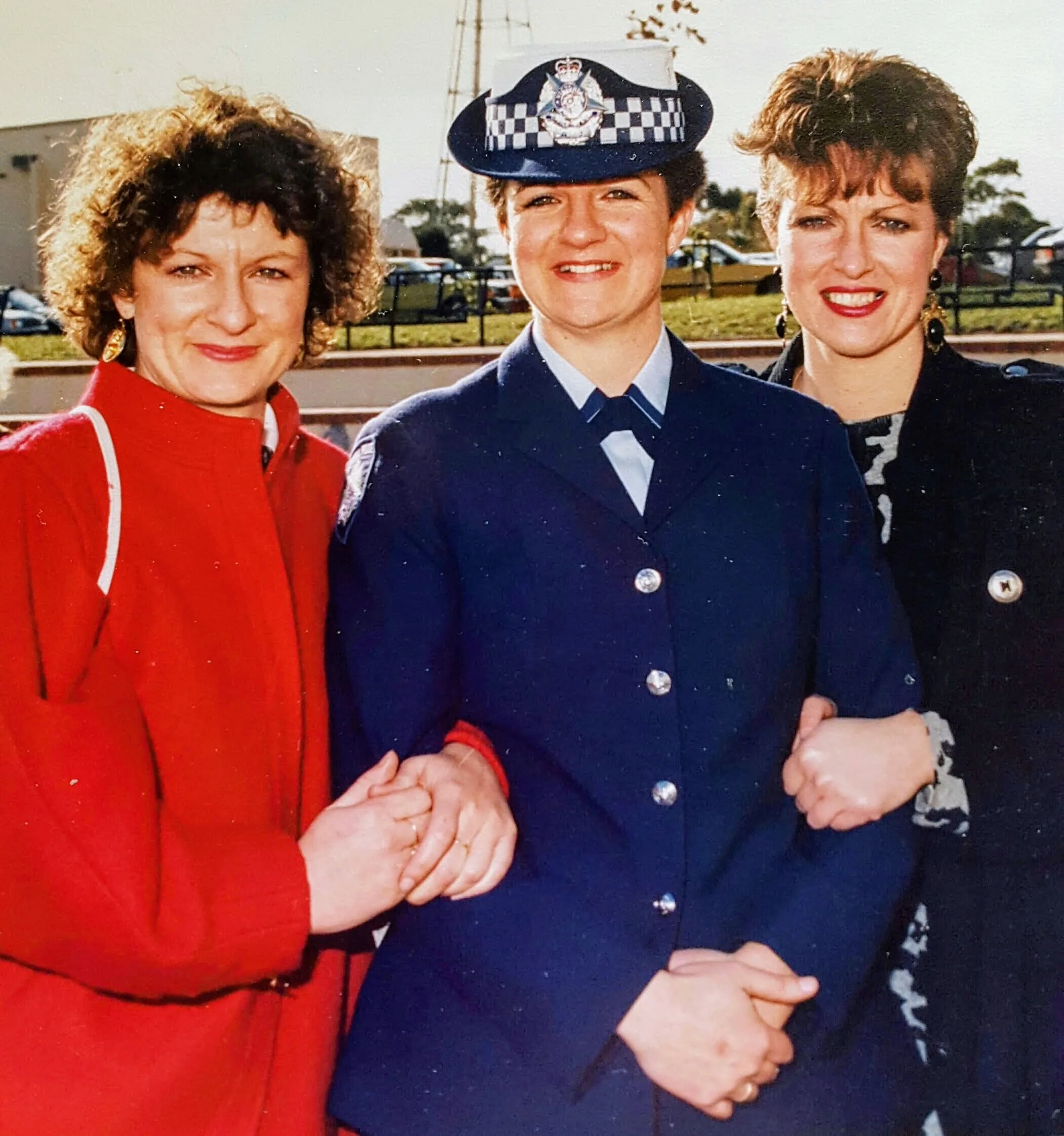
“The younger people of today could not imagine that,” former detective and policewoman of 27 years Narelle Fraser tells me. “When I first started, the men literally wore the pants.”
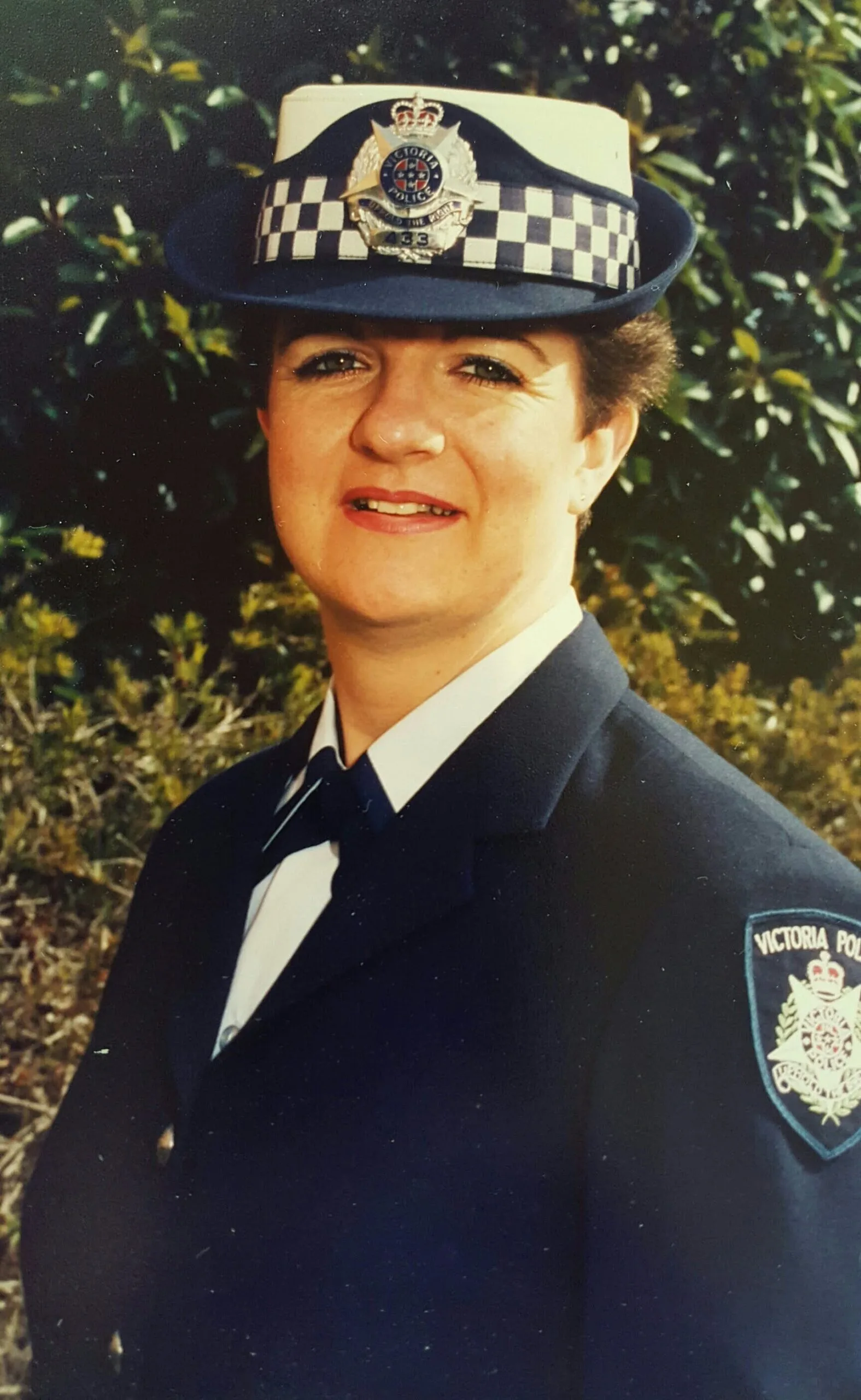
It’s one of the remarkable details that Narelle shares from her 27-year-long career in the Victoria Police. During her tenure, she investigated some of Australia’s most notorious crimes, including the Society Murders, the Mornington Monster and the infamous Maria Korp “body in the boot” case.
Now, her life is the subject of a new documentary, The Policewoman, which premieres in Australia on November 5.
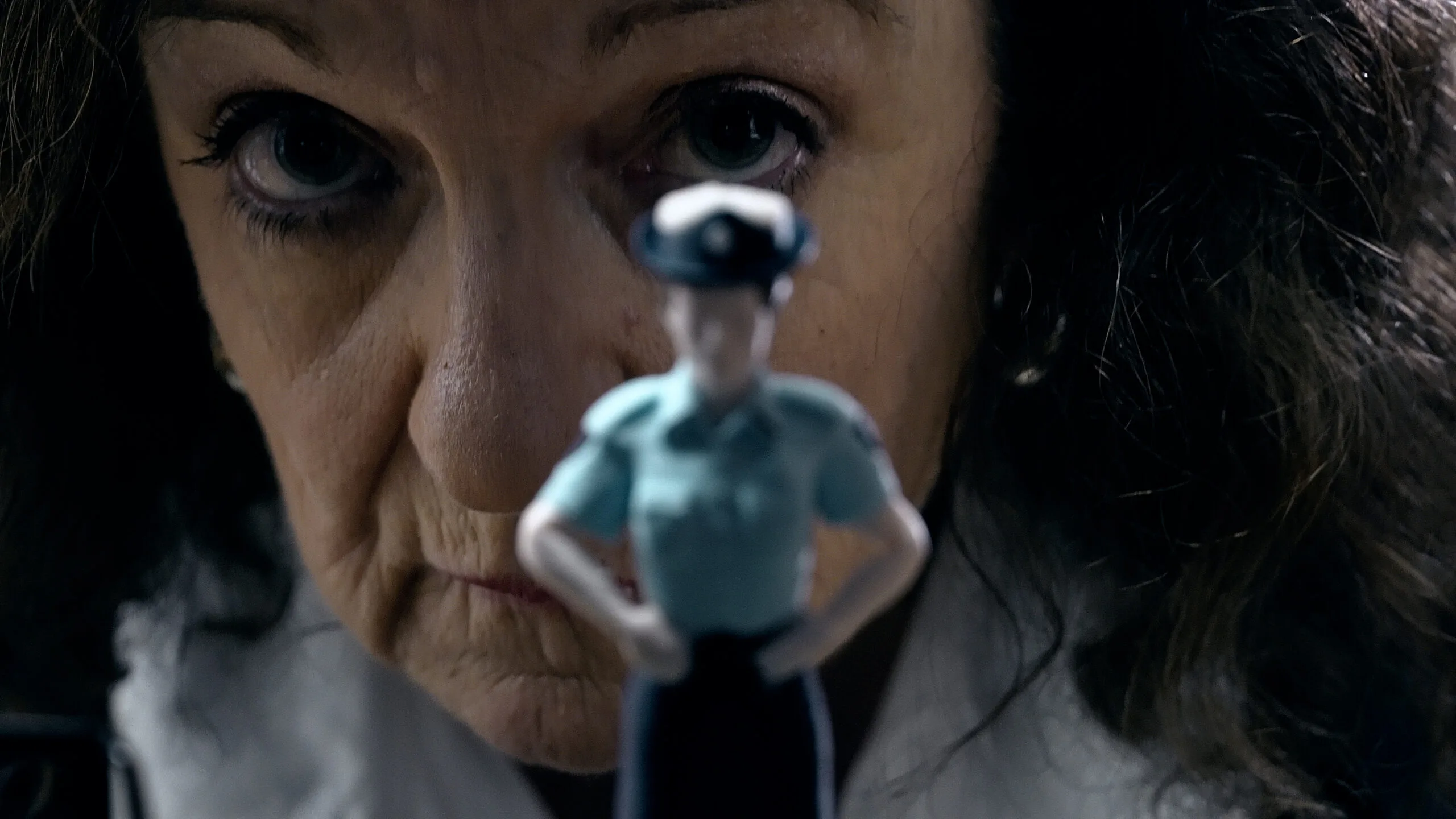
As I wanted to call Narelle on the day of our interview, I couldn’t help but ask myself, ‘Where do you begin an interview with someone who has witnessed so much?’ There’s her experience as a woman in a male-dominated police force, the thousands of child sexual abuse videos she was required to watch as part of her work (1700 in 48 hours), the high-profile murder investigations and the post-traumatic stress disorder (PTSD) that ultimately ended the career she loved.
But as we talk, something becomes clear. For all the terrible and life-changing events Narelle has witnessed and experienced, there’s one thing that has remained consistent throughout her life: her instinct to protect others. As the middle of five children, I recognised something in her that she admits to recognising in herself: she’s the ultimate big sister.
The woman behind the badge
Long before she became a police officer, Narelle was the eldest sister who felt responsible for looking after her younger siblings. It was a responsibility she carried into adulthood and, eventually, into her work as a detective. In fact, the night before our interview, her husband had to gently remind her of something she is still learning to accept.
“He said, ‘Narelle, you don’t have to protect me now’,” she was protecting him from the content of her documentary. “It must be innate. It must be something in me that I don’t try to do, but obviously that’s in my DNA.”
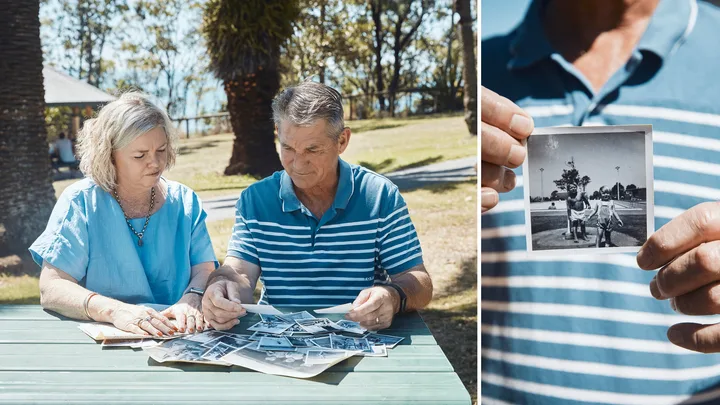
And while that innate trait helped her connect with victims and vulnerable people, it also came at an enormous personal cost. Even now, years after leaving the police force, Narelle finds herself worrying about the people around her. Having heard about the emotional impact of the documentary on some viewers, she’s concerned about how others will cope with watching it.
“No, it doesn’t go away,” she says of her protective instinct. “But I don’t think it’s as strong as it was in policing.”
The woman who wouldn’t “harden up”
That instinct to look after others would prove invaluable throughout Narelle’s career. But when she first joined Victoria Police, it wasn’t necessarily a quality her colleagues appreciated.
During one of her earliest shifts in St Kilda, Narelle was travelling in a divisional van with an experienced male officer when he spotted a sex worker on the street and instructed her to call the woman over.
Narelle wound down the window and politely said, “Excuse me.” Her colleague immediately ordered her to wind it back up.
“That is not how you talk to them,” he told her she says. He then demonstrated what he considered the appropriate approach, winding down the window and shouting, “Hey, you.”
For Narelle, who had been raised to treat people with respect, it was a shock. But it was also an early indication that the empathy she brought to the job wasn’t necessarily welcome.
“They tried to drum it out of me,” she says. “I used to be told time and time again to harden up. In fact, I was told a number of times to take a teaspoon; it was a joke, but they’d say take a teaspoon of cement for these and harden that F up.”
Yet it was precisely that empathy that allowed her to build trust with people who might otherwise have been reluctant to speak to police.
Rather than immediately confronting people experiencing homelessness, drug addiction or other difficulties, Narelle wanted to understand what had brought them to that point and what she could do to help.
“I wanted to talk to them. I wanted to sit with them, get them to tell me what was wrong, what they needed, and that I was there to help them.”
She recalls being particularly shocked by the way some of her male colleagues treated sex workers. By approaching the women with respect and dignity, she found they were more willing to trust her and share information that could assist investigations.
“I think my authenticity is what helped me a lot,” she says.
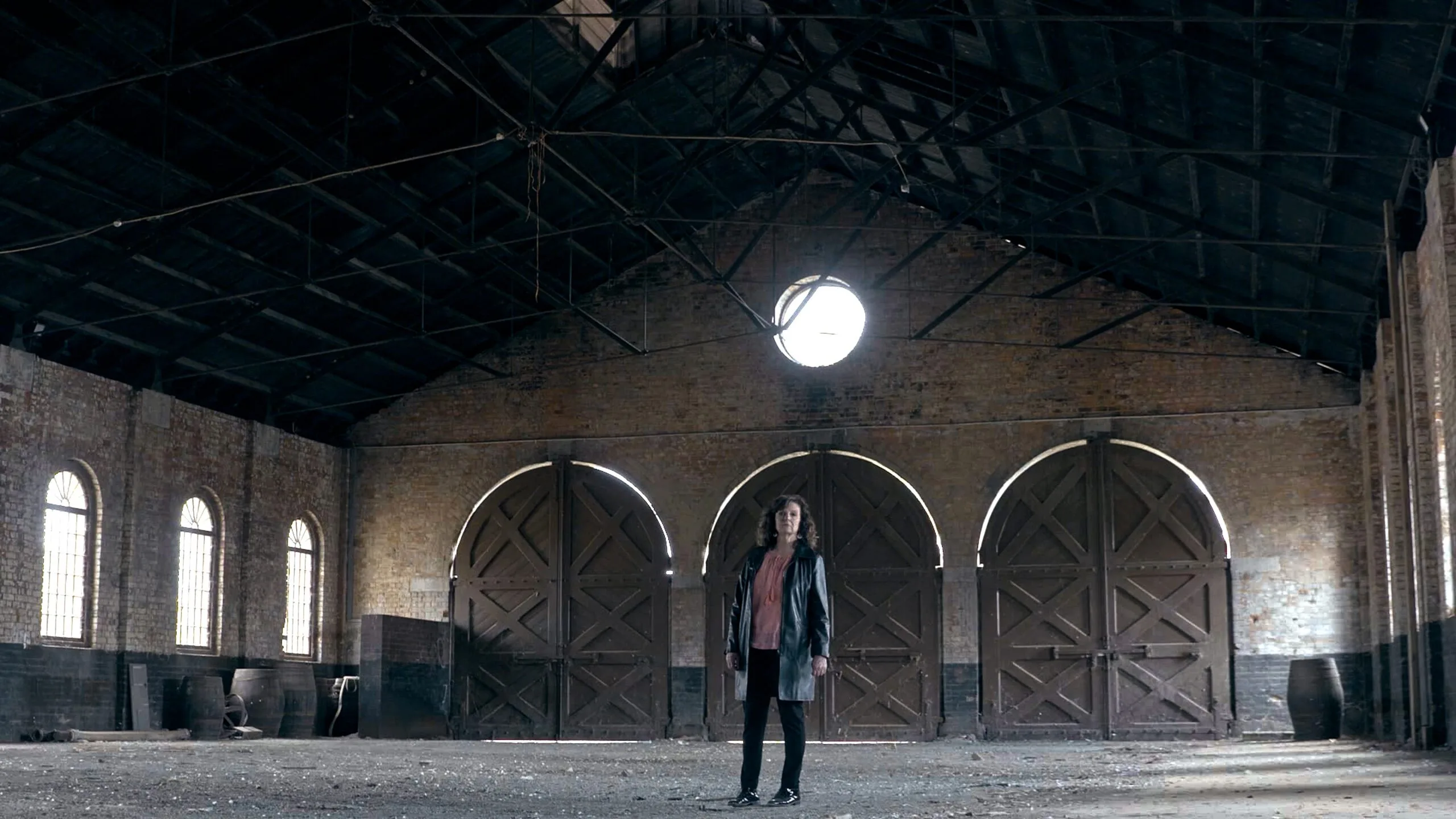
In the documentary, Narelle talks about a lesson they are told in the police academy. When solving crimes, your mind is like a parachute, and it only works when it’s open. I ask her if she finds it ironic that the same mindset doesn’t include having empathy for those seen as potential criminals.
“All that they cared about was, pardon me, but getting that crook,” she tells me. “All they cared about was the arrest. They didn’t really care back then how you got that person, how you arrested them, how you found them; it didn’t matter. It was all about figures, all about how many arrests you’d made. So that side of humanity, it was seen as a weakness.”
Nevertheless, Narelle refused to abandon the qualities that had drawn her to policing in the first place.
When protecting others becomes overwhelming
Throughout her career, Narelle was exposed to some of the most confronting aspects of human behaviour.
In The Policewoman, she describes the cumulative impact of that exposure through a simple analogy: PTSD is like a bottle slowly filling with water. Each traumatic experience adds another drop until eventually, the bottle overflows.
Looking back, Narelle believes her bottle began filling before she had even graduated from the police academy. She recalls attending her first autopsy and being deeply affected by the sight of a deceased baby. Decades later, the memory remains vivid.
“I think that was my first drop,” she tells me. “And I think it was the biggest.”
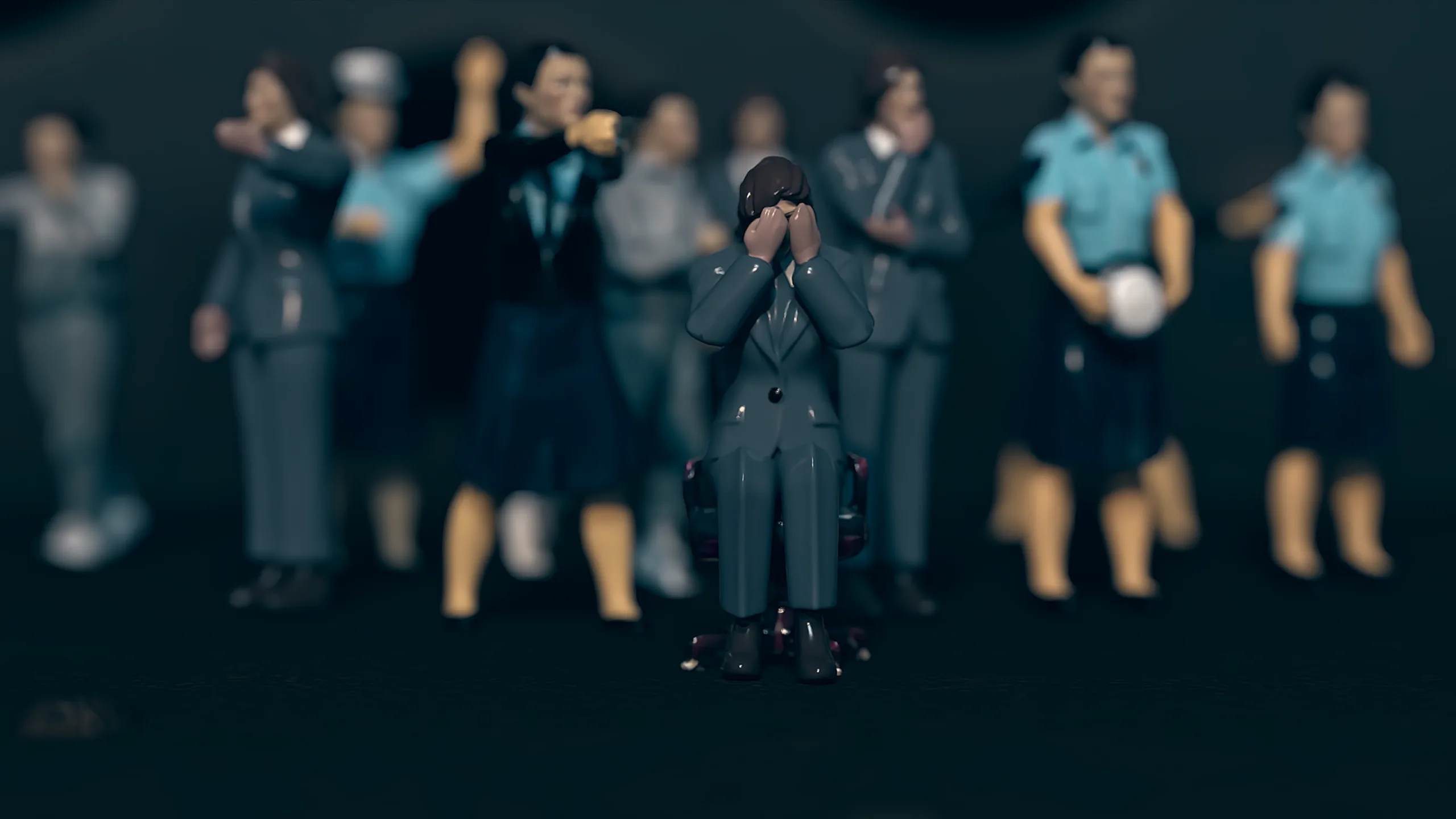
But at the time, she had no understanding of what those experiences might be doing to her psychologically.
“There was no glass partition,” she remembers. “We went into the room and so you smelled, you felt, you saw everything. It was just so… raw.”
“I’d never seen bodies in drawers, and I remember they said to us as a group – what a ridiculous thing to say, but – they go, ‘You don’t want to look on your left as you’re going through because there’s a little deceased baby there’. Well, of course, what does everyone do? I remember seeing that little baby, and I don’t think I’ve ever got over that. I could still tell you everything about that little baby.”
Looking back on that moment now, she sees her experiences in a different light. Of course, after therapy and support from loved ones, she recognises that those moments each left their mark on her. Something that she shares is her increasing hypervigilance as her career progressed. She would drive past the homes of friends and family members at night to reassure herself they were safe. Her sense of responsibility extended far beyond the people she encountered at work. And the cases kept coming.
In May 2012, while working in child protection, Narelle was required to review approximately 1,700 videos depicting child sexual abuse over two days as part of her work preparing evidence for court. She had viewed distressing material many times before, but on this occasion something changed.
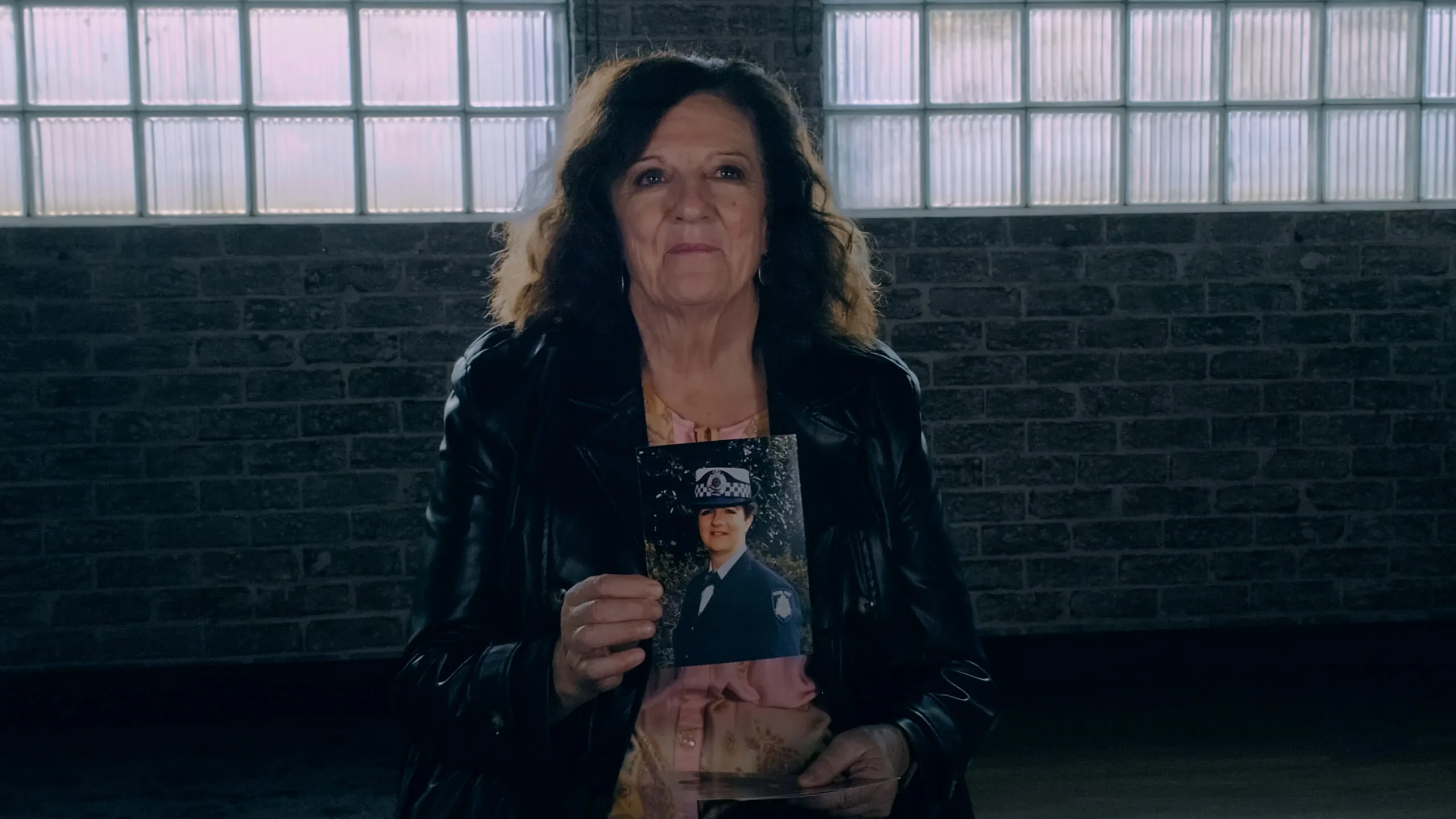
“I remember watching something and put my hand on my mouth and thought I was gonna be sick.”
“Why did that happen at that particular time?” she remembers wondering, shocked at her physical reaction. “I viewed a lot of child abuse material by that stage. And I think that was the bottle overflowing that day.”
The following day, she was in court supporting a young woman who had been raped by two men, a man and his son, she tells me.
“It was really difficult to get her to court,” Narelle shares. “She was very traumatised.” But the case rested on her testimony. Without it, the accused would escape accountability. But as the woman was cross-examined by the defence lawyers, Narelle became increasingly distressed.
“She’s getting raped all over again,” she remembers thinking to herself. Overwhelmed by guilt and responsibility, she suddenly left the courtroom. The next thing she knew, she was sitting in a café across the road, with no recollection of how she had got there.
“I now know that my mind had just shut off,” she explains; she had blacked out.
Yet despite this experience, she continued to soldier on, working for another four months. Until she recognised that her heart, her unwavering empathy, was no longer in it.
A mother had brought her daughter into the police station to report a serious incident. Ordinarily, Narelle would have been immediately concerned about the girl’s welfare. This time, she felt nothing.
“I knew I had no compassion for this young girl. I can’t remember what the offence was. But it was serious enough for her mum to bring her to the police station. And I thought, ‘I can’t deal with this. I don’t care.’ And I remember that day is the day I walked out and I never came back in.”
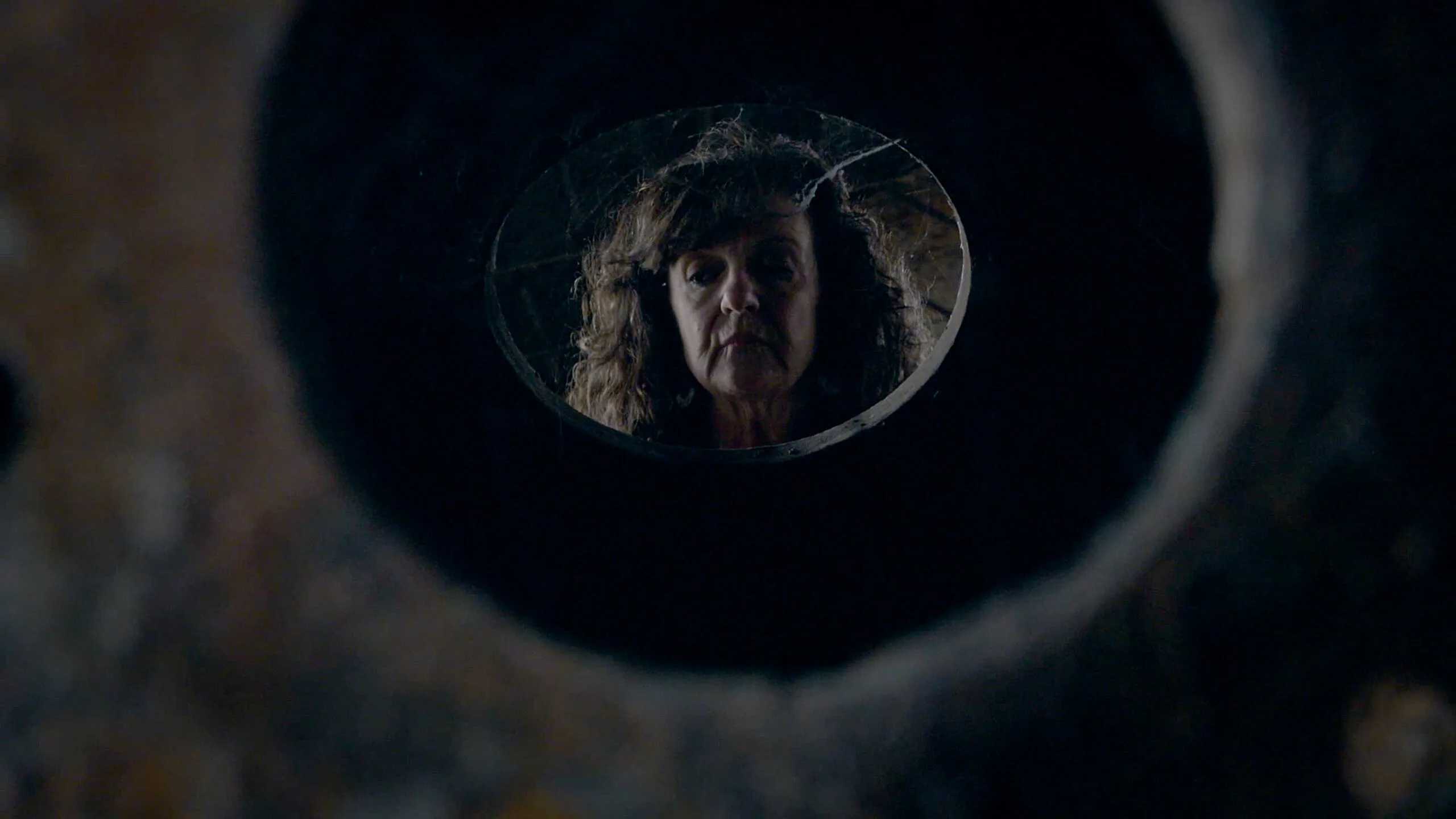
When “Superwoman” couldn’t cope
For decades, Narelle had cultivated an identity as someone who could handle anything. She was the dependable eldest sister, the detective who confronted terrible crimes, the woman who could be relied upon when other people were experiencing the worst moments of their lives.
In the documentary, she refers to this version of herself as “Superwoman”.
“When I say Superwoman, I just mean I can handle anything,” she explains. “Throw anything you want at me, death messages, kids that have been hurt, cruelty, give me all those jobs; I can deal with them.” It doesn’t faze Narelle Fraser. But when a doctor told her he believed she had post-traumatic stress disorder (PTSD), her immediate reaction was disbelief.
“I thought it was a doctor who needed the help, not me,” she says. “Does he know who I am? I’m a homicide detective. This doesn’t happen to detectives.”
She had spent so long seeing herself as the person who protected others that she couldn’t comprehend needing help herself. Worse still, she was ashamed.
“I was so worried about how I would be perceived by everyone, not just my colleagues, by my family, by my friends.”
“That was my biggest fear,” she admits. “That people would think that I couldn’t cope.”
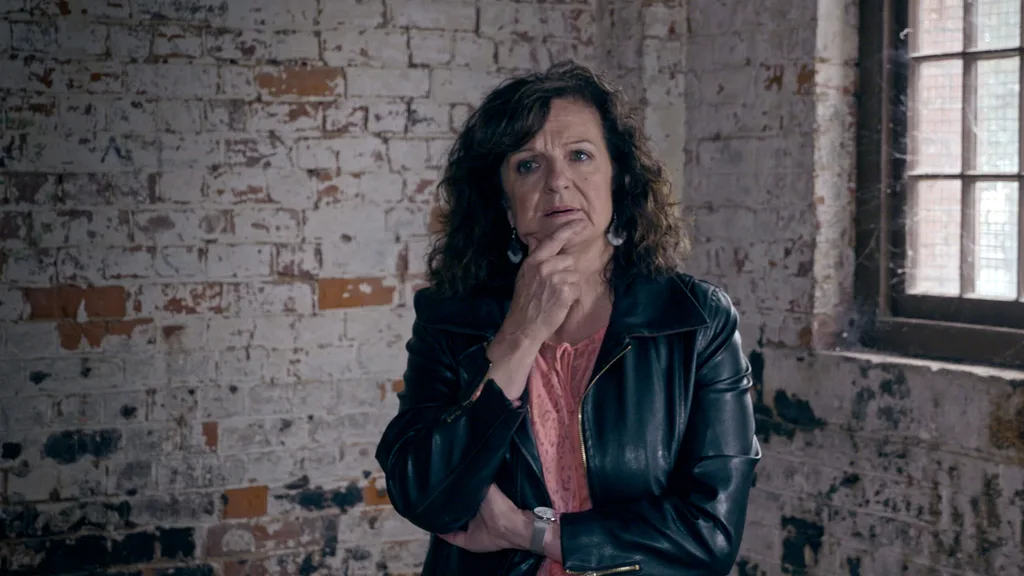
Eventually, the diagnosis brought an end to the career that had defined so much of her adult life. And losing her place in the police force meant losing far more than a job.
Initially, Narelle couldn’t bear to hear a police siren or see an officer in uniform. The reminders of the life she had lost were too painful.
“I couldn’t bear the thought that that wasn’t me anymore, and I couldn’t help people like I wanted to.”
But although it was the end of that chapter in her life, it ended up being what she calls a “sliding doors moment.”
Finding Narelle again
Recovery wasn’t straightforward, and Narelle is clear that PTSD remains part of her life. She still experiences triggers, some of which are seemingly ordinary parts of everyday life.
Dogs, for example, can evoke deeply distressing memories connected to material she encountered during her years investigating child sexual abuse. For a long time, even being around children could bring those memories flooding back.
But she remembers a significant moment several years ago when she attended a party where children were playing. It wasn’t until the following morning that she realised she had spent the entire occasion without once thinking about the traumatic material she had witnessed.
“To me, that was a real moment,” she says, recognising how far she had come.
And while PTSD has changed her life in ways she could never have anticipated, she is determined that it won’t define everything about her. Despite the horrors she’s witnessed, she laughs easily, is a fantastic storyteller (she has so much to share) and is quick to poke fun at herself. She even enjoys dressing up as Tina Turner and performing her songs at parties.
“I love fun,” she tells me. “So within all this, doom and gloom, I still have a very healthy look on life. I still I get pleasure out of the smallest little things, you know, beautiful sunsets, the smell of the water, the sound of water. I love life.”
While undergoing treatment for PTSD, Narelle began learning public speaking, a former fear of hers. She knew she had stories worth sharing, and gradually she began speaking publicly about her experiences with trauma and mental health. An “accidental mental health advocate”, she says. What surprised her most was how strongly people connected with her when she spoke about the things she had once been ashamed to admit.
“By sharing my vulnerabilities, by sharing how I felt about a lot of stuff that I did in policing … people really connected with me.”
That work eventually led her into podcasting, where she now hosts Narelle Fraser Interviews, allowing guests to tell their stories in their own words. It was through the podcast that documentary director Claire Pasvolsky discovered her story.
“She listened and thought, my God, what an amazing story this woman’s got,” she laughs.
And now, after spending so much of her life listening to other people and helping them tell their stories, Narelle is finally telling her own.
A different kind of strength
Even after only speaking with Narelle for an hour or two, it’s incredibly fitting that this next chapter in her life is also centred around helping people. She may no longer be able to investigate crimes or protect victims in the way she once did, but her instinct to care for others remains as strong as ever.
The difference is that she now understands the importance of recognising her own limits.
When I ask what she hopes people will take away from The Policewoman, she doesn’t talk about the extraordinary cases she investigated or the achievements of her policing career. In fact, she reminds me that she failed her exams and had to work hard for all her wins. It wasn’t easy.
Instead, she hopes people will understand that they don’t need to be the smartest person in the room to achieve something meaningful and that there is no shame in admitting when things aren’t going well.
“Trust yourself that if you don’t think you’re travelling too well, you’re probably not,” she says. It took a lot for Narelle to recognise that, and she hopes that through her efforts, it might not cost as much for others.
“It is a strength to recognise that you’re not travelling well and do something about it,” she insists.” That is a strength, not a weakness.”
If she had been more self-aware, she theorises that she may have remained as a policewoman.
“I lost what I consider to be the best career in the world because I put my head in the sand,” she says. “There are so many good things you can do as a police person, and I’ve lost that opportunity now because of my pig-headedness.”
But despite leaving that career that she loves and respects so much, she has forged a new path, one earned from her experiences and empathy and is now helping others find themselves too.
“I have gained a lot, a lot of strength in my soul,” she says. “I have gained an enormous amount, which I never thought possible, after leaving policing. And that’s an enormous comfort.”
The Policewoman is in cinemas nationwide from 5 November, 2026.
If this article raised any issues for you, help is available. Access 24/7 crisis support at Lifeline on 13 11 14 or chat online. Find more support services here.

Related stories
Native ad body.
Native ad body.

Native ad body.