




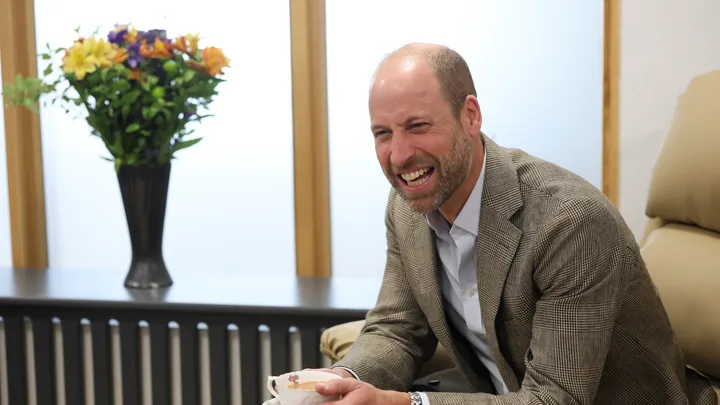
After what he called ‘the hardest year of my life’, Prince William is presenting his vision of the future of the monarchy and what he will be like as the future King. And maybe that could include more human moments, like in a rendition of “Sweet Caroline” at a football match.
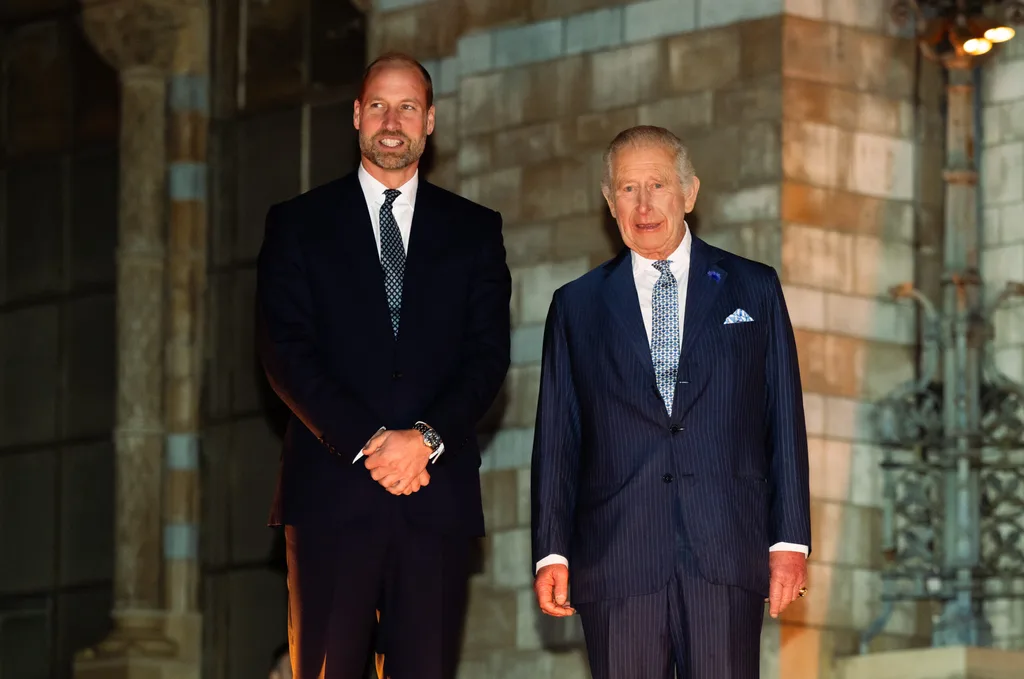
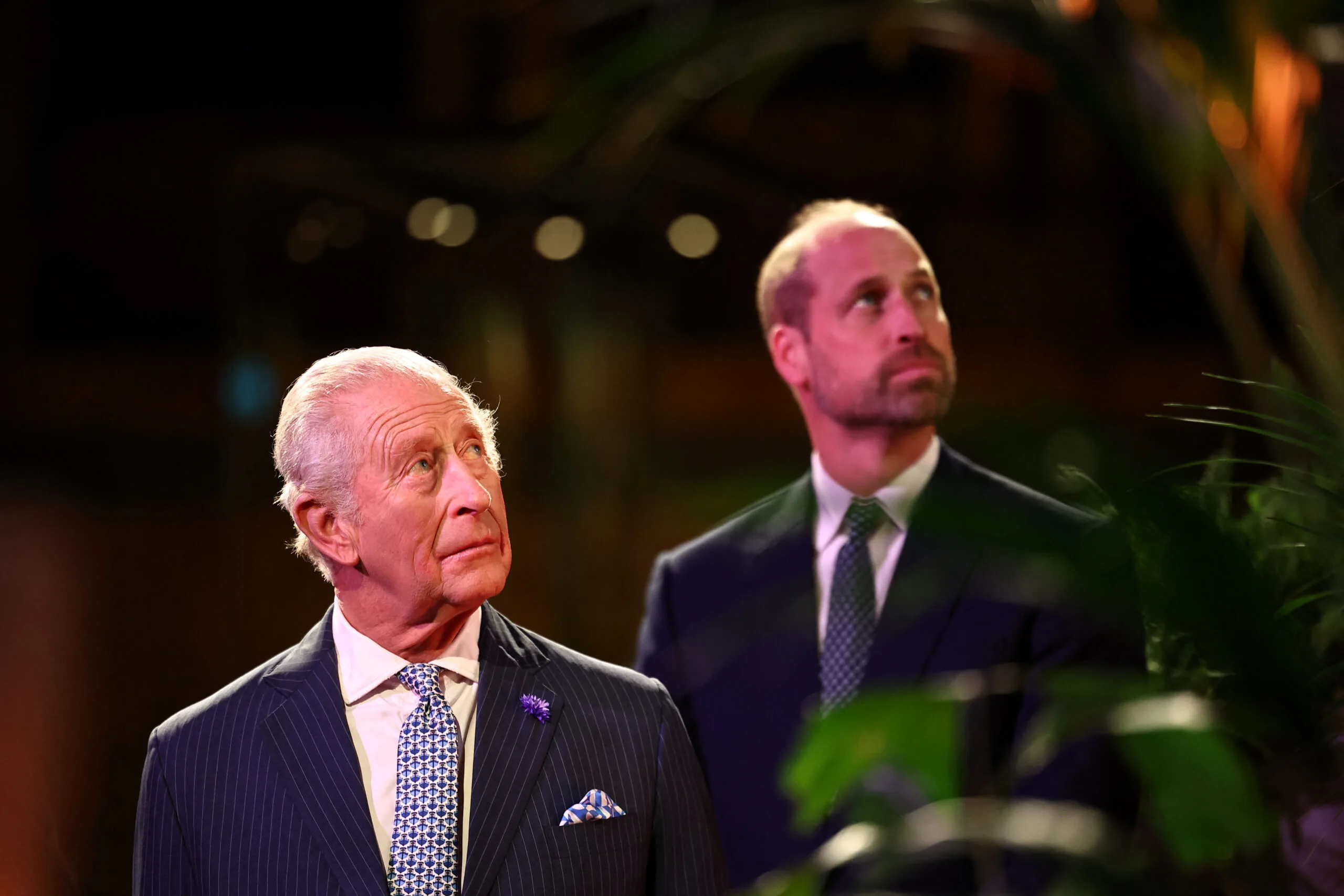
In October 2025, Prince William joined his father, King Charles III, in a rare joint ceremony at an event at The Natural History Museum. Thus, leading royalists are again speculating that King Charles may be planning to pass the baton to his heir sooner rather than later. Although King Charles has been mum on it recently, the King is battling cancer, and Prince William is showing up more and more as an ambassador for the Crown. For instance, this event was a “Countdown to COP30” and Kensington Palace has confirmed that the Prince of Wales will attend COP30 as the representative of the Crown.
So, what kind of King will Prince William be? Let’s dive into what we know.
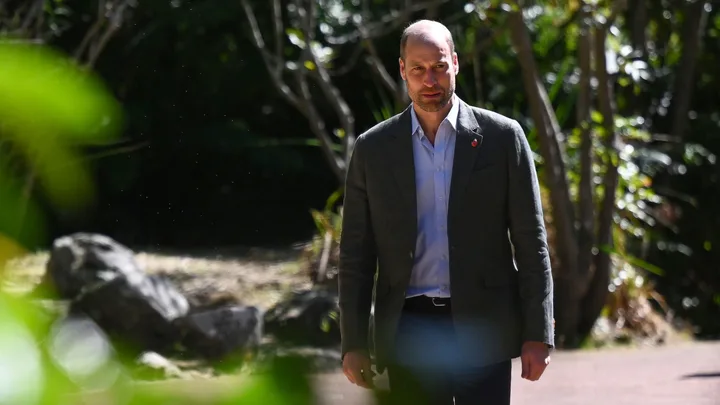
What kind of King will Prince William be?
When King Charles III ascended to the throne in September 2022, his eldest son, William, automatically became heir apparent and took on increasing responsibilities within the royal fold.
Over time, observers have watched William gradually being eased into the role of a king-in-waiting — testing the waters, shouldering more public duties, and hinting at his vision for what the monarchy ought to become.
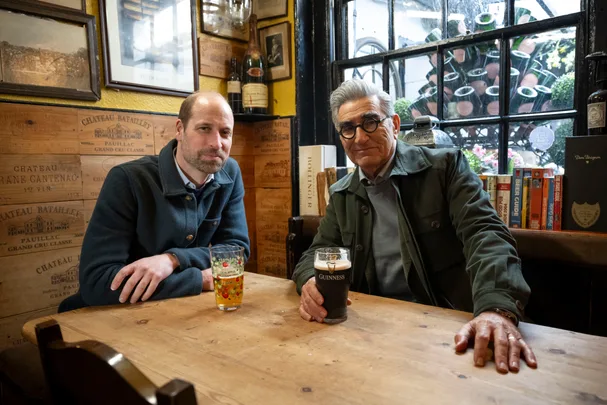
One of William’s most direct statements about his future monarchy came in a recent interview with actor Eugene Levy, filmed at Windsor Castle for The Reluctant Traveller. In that candid exchange, the Prince declared:
“Change is on my agenda — change for the good… Tradition has a huge part in all of this … but there’s also points where you look at tradition and go: ‘Is that still fit for purpose today?’
He seems intent on modernising where needed — updating the monarchy’s tone, operations, and public engagement — while preserving its core symbols and roles.
One example is when William was made Prince of Wales; he chose not to pursue a formal investiture ceremony in Wales, citing controversy and public sensitivity surrounding the title.
In his remarks about tradition, William acknowledged:
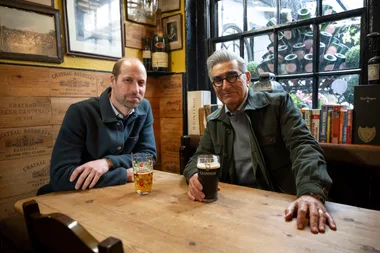
“Tradition has a huge part in all of this … but there’s also points where you look at tradition and go: ‘Is that still fit for purpose today?’”
This indicates he will likely preserve royal ceremonies, constitutional duties, and the symbolic continuity of the Crown, but may be selective in retaining or discarding practices that no longer serve a meaningful role.
Thus, his reign may maintain visible tradition and pomp where essential, but with a more agile, modern institutional structure behind it.
A slimmed-down monarchy
Moreover, reports suggest William will likely continue the model of a slimmed-down monarchy — one with fewer active working royals, a more streamlined public role, and a tighter focus on core duties.
William also expressed a desire to leave a monarchy that his children would be proud to inherit: “I want to create a world in which my son is proud of what we do … a job that actually does impact people’s lives for the better.”
A key tension for William will be balancing respect for the traditional monarchy with the need to adapt to a changing society. He appears acutely aware of that tightrope.
A king grounded in service, empathy, and social causes
William’s public life has long displayed strong ties to charitable causes, social issues, and environmental stewardship — traits that are likely to shape his crown. and positive in people’s everyday experiences.
He has been deeply involved in homelessness and housing issues (e.g. as patron of The Passage), has engaged in environmental conservation efforts, wildlife protection, and sustainable development initiatives. The Prince has fronted web series like Guardians and founded the Earthshot Prize Awards.

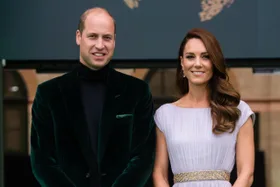
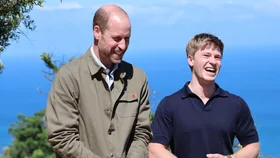
These threads suggest William intends to centre moral purpose and social utility in his reign: a monarchy not detached from public life, but one that seeks to be relevant.
Diplomacy, neutrality, and constitutional restraint
As king, William will step into a purely symbolic but constitutionally critical role. In that capacity, adherence to political neutrality and maintaining diplomatic composure will be crucial.
Observers note he has long upheld a perceptible apolitical posture, following the model of the late Queen Elizabeth II and King Charles III, hosting foreign heads of state and engaging diplomatically without overt political commentary. For instance, the US President Trump was honoured with a lavish banquet a few months after the President of France was afforded the same luxury.
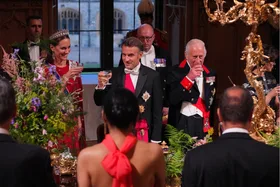
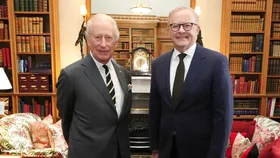
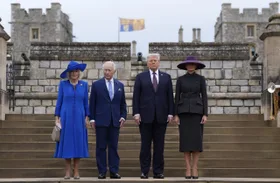
In addition, as he eventually assumes the throne, he may be cautious about overstepping or intervening in constitutional or governmental matters. His statements about change have focused more on internal reforms — modernisation of the monarchy’s internal structures, public engagement, and symbolic practices — rather than policy or politics.
At the same time, his growing role in representing the U.K. abroad signals an increasing diplomatic presence: in recent years, he has taken on more international visits and engagements, sometimes stepping in for his father.
Challenges and uncertainties
No reign is without obstacles. For William, several key challenges loom:
- Balancing innovation and tradition: Pushing change too aggressively risks alienating royal traditionalists; being too cautious may render the monarchy irrelevant to younger generations.
- Succession and roles of extended royals: Determining how many royals remain “working royals,” and what roles Archie, Lilibet (Prince Harry’s children), and others will have, could be contentious.
- Media scrutiny and public expectations: William inherits a royal brand forever shaped by his mother’s tragedy and the media’s gaze on the family. His vow to protect his children hints at the tension he already feels.
- Institutional relevance in a changing world: Questions about the monarchy’s place in modern democracy, its cost, and its social role are growing louder. William must show that the Crown can still justify its existence.
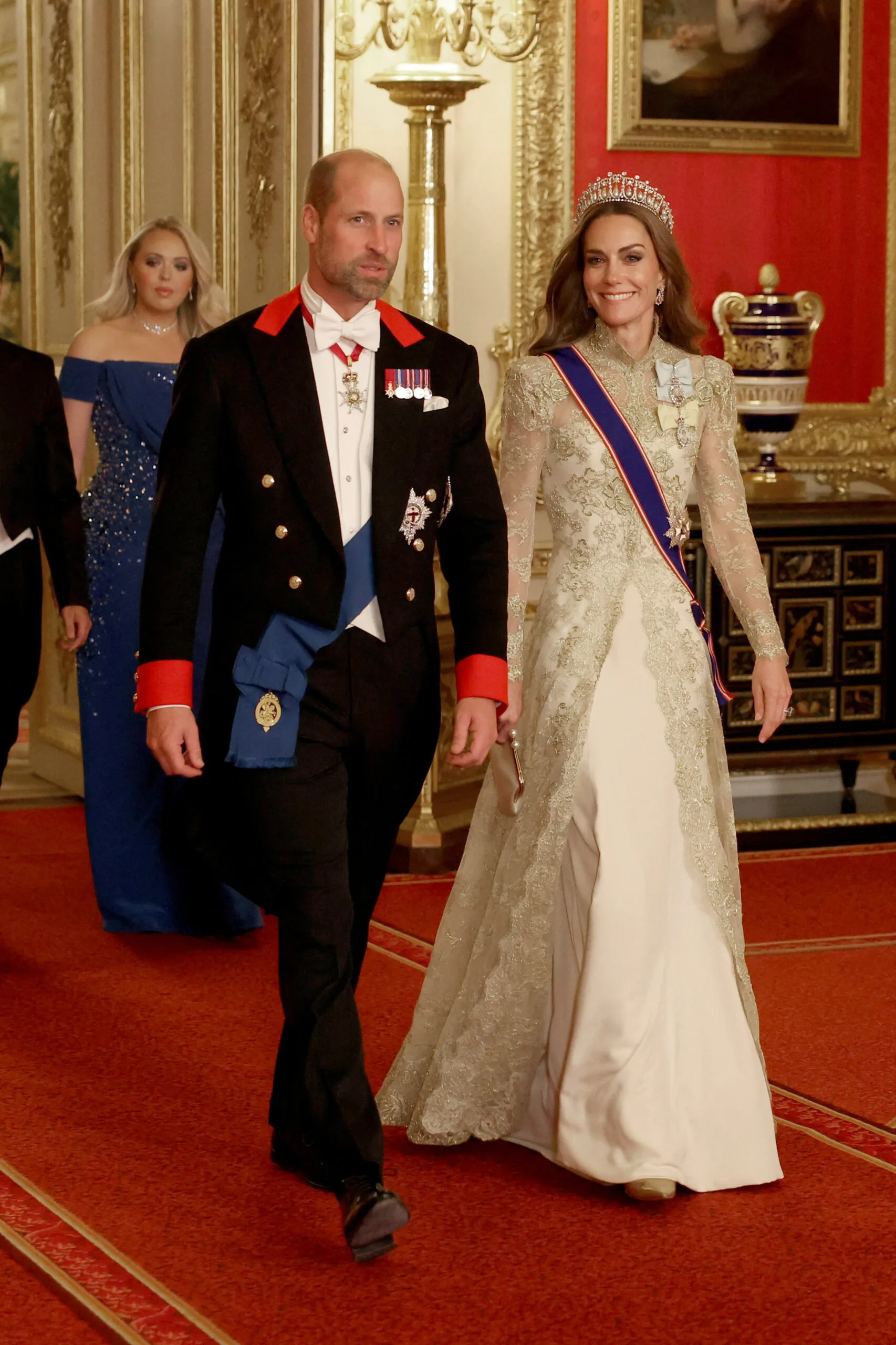
What kind of king might we expect?
- Moderniser with respect. He is unlikely to dismantle royal traditions wholesale but will refine them, emphasising relevance and efficiency.
- A “king of purpose”. He seems oriented toward embedding service, social impact, and moral legitimacy in the Crown’s work.
- People-centric but discreet. His public persona suggests relatability, humility, and a desire to bring the monarchy closer to lived experience — but with care to protect privacy and dignity.
- Diplomatic symbol. He may take a more active representative role abroad while preserving the constitutional restraint expected of a monarch at home.
- Sustainable institution-builder. He may strive to make the monarchy leaner, more sustainable financially and socially, delegating where appropriate.
In short: William’s likely reign could be seen as a bridge between centuries-old monarchy and a future-oriented crown — deeply rooted in tradition, but with room for adaptation and renewal. Whether he succeeds will depend not only on his intentions but on the shifting currents of public sentiment, politics, and generational change.


Share this post