


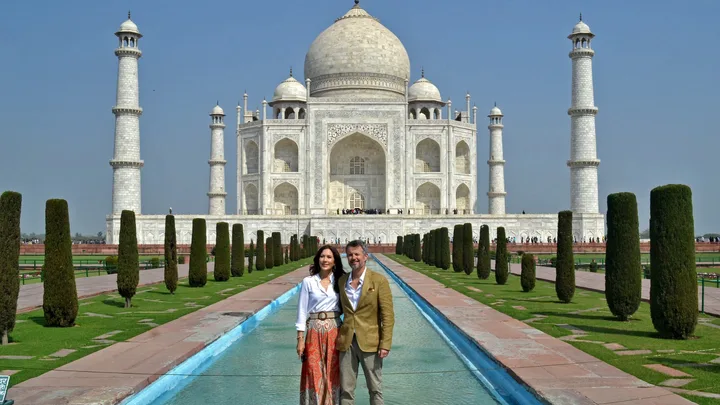
At a glance…
- India’s Taj Mahal is considered one of the seven wonders of the modern world.
- It was originally built as an elaborate dedication of love to the woman whose remains are buried within its breathtaking facade.
- The Weekly’s Tiffany Dunk explores the story below.
At just 15 years old Prince Khurram, the man who would come to be the fifth emperor of the Mughal Empire – then reigning over northern India – was flirting up a storm as he made his way through the royal bazaar.
The booths were staffed by girls from high-ranking families, many of whom caught the young royal’s eye. But he was stopped dead in his tracks after meeting 14-year-old Arjumand Banu Begum.
She was hawking glass beads and silk, and for both it was love at first sight.
He would, vowed Prince Khurram, marry that girl. But as many royals before and since have discovered to their dismay, duty to family came first: Prince Khurram was forced to wait five years until he married his beloved.
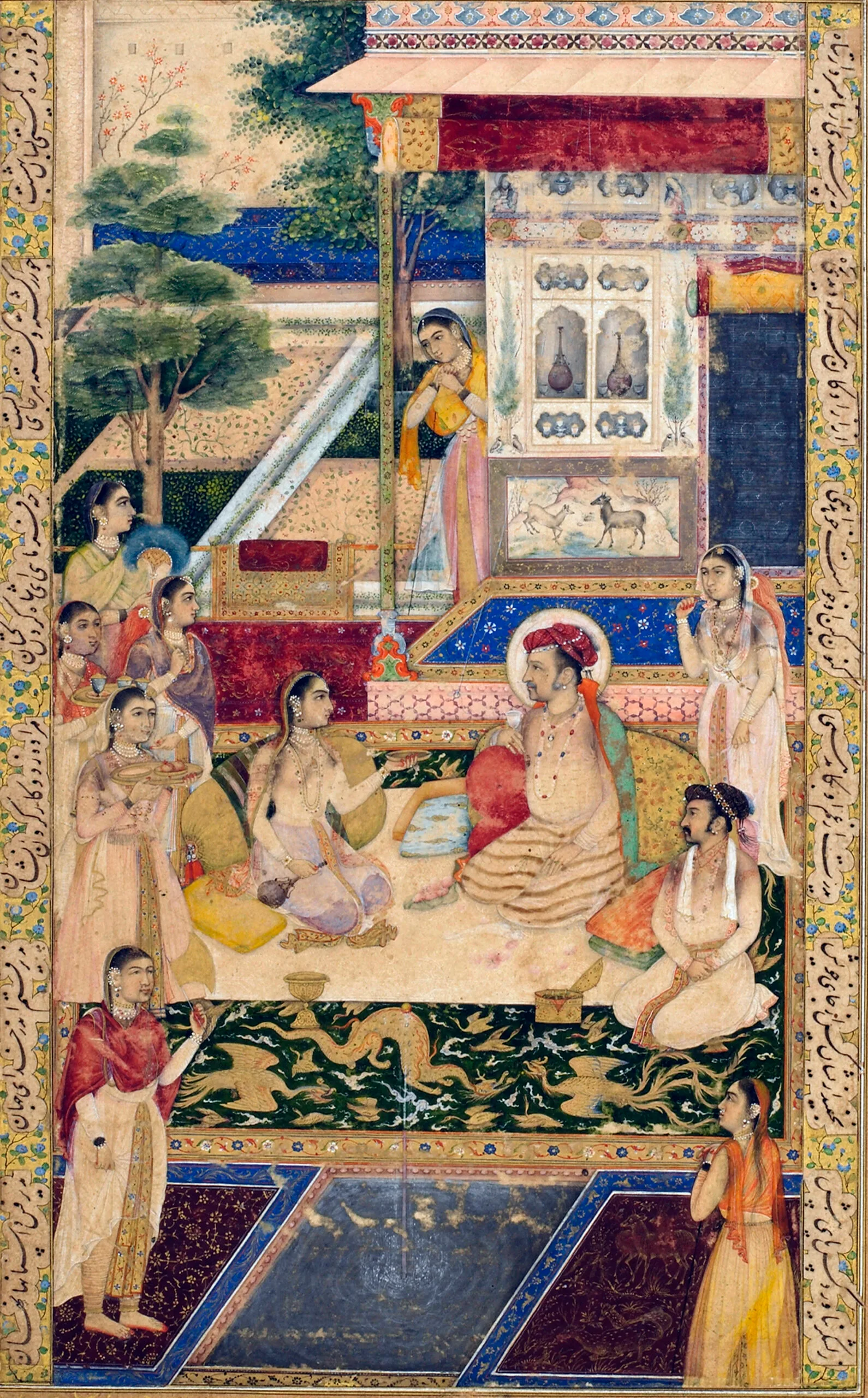
In the meantime, he took on another wife.
But at the age of 20 in 1612 (on a date chosen by court astrologers as an auspicious one), Khurram finally married Arjumand, to whom he gave the name Mumtaz Mahal (translation: The Exalted One of the Palace). She was his favourite wife – he would later take more – and the public were equally enamoured of the beautiful and intelligent newcomer to the palace. Mumtaz Mahal, it’s said, cared for the people; she ensured they all had food and that widows were provided for.
Mumtaz would bear her husband – who became Shah Jahan (translation: King of the World) in 1627 – 14 children. Although only seven would survive into adulthood.
In 1631 and heavily pregnant, she accompanied her husband to the battlefront at the Deccan Plateau. Delivering a 14th child, a girl, she would die in her distraught husband’s arms after a 30-hour labour.
The Shah was stricken with grief and immediately went into a prolonged period of mourning.
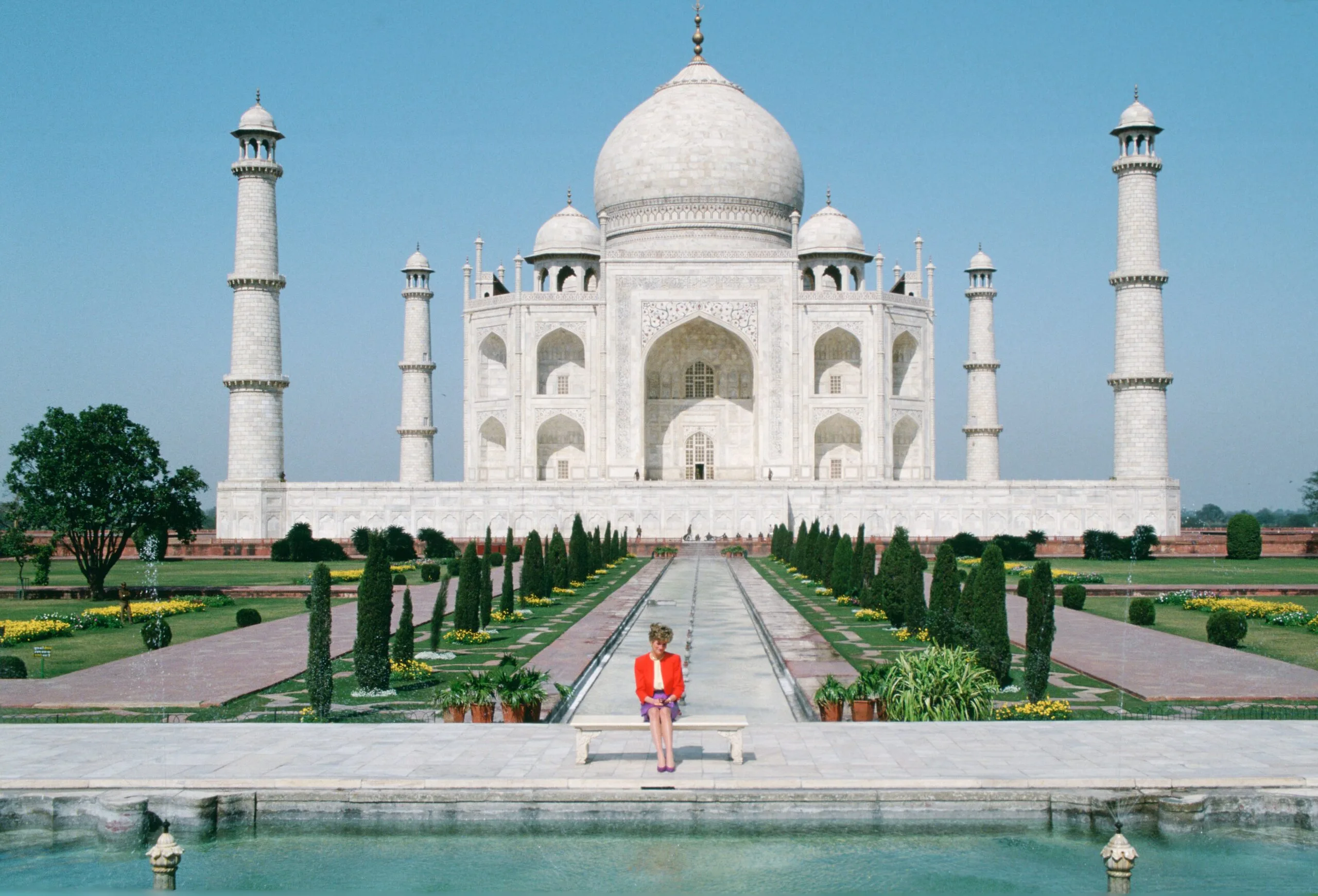
Finally emerging a shadow of his former self, he commissioned what he declared to be an embodiment of his undying love – a mausoleum for Mumtaz Mahal. Construction began the following year with an estimated 20,000 workers brought in to build the elaborate monument.
No expense was spared. The finest marble was sought, with mountains of precious and semi precious stones inlaid, only adding to the beauty of the calligraphy and intricate motifs detailing the love between the Shah and Mumtaz.

It would take close to two decades to complete. It’s reported that in his final years the Shah would spend his days simply gazing out of his window at the Taj Mahal.
Upon his death in 1666, he would be buried there alongside the woman who had captured his heart. And over the years that followed, it has become a must-see destination for millions who are themselves captivated by the beauty of the building and the story which inspired it.

