




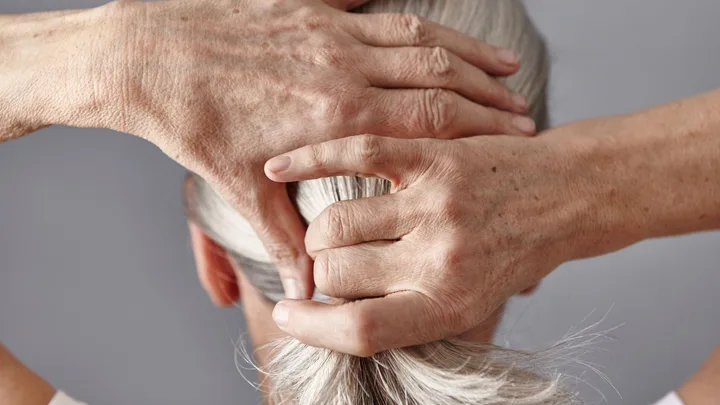
For decades now, we’ve built our haircare routine around our strands and have determined whether it’s healthy or not through looking at its lustre, texture and overall feel. But many trichologists say we’ve been starting at the wrong end. Our scalp is where hair begins its life journey, but what you might not understand is that a slight imbalance in the scalp’s environment can change everything.
Despite scalp care having a moment, we seem to only invest in strand-specific haircare for the most part. Masks for shine, serums for hydration and salon treatments for the gold-standard of hair. However, a more scalp-focused approach, could in fact give you better results.
Treat your scalp like your skin
The science behind treating your scalp, as you would the skin on face, is more familiar than you might think. The scalp has oil glands, a moisture barrier and its own microbiome. Just like the skin on our face and body, it can become dry, irritated, inflamed, congested or imbalanced depending on how you care for it.
Trichologist, Lena Hovardas explains that the scalp’s microbiome – the community of bacteria, fungi and microorganisms that naturally live there – is central to its health. “A balanced microbiome helps support the scalp barrier, regulate inflammation and maintain a healthy scalp environment. When this balance becomes disrupted, it may contribute to conditions such as dandruff, irritation or excess oiliness.”
As the scalp changes over time, depending on the factor, it has a direct impact on the hair growth and condition long before it shows up in the strands. “The health of the scalp directly affects the environment where hair grows so healthy follicles are more likely to produce stronger healthier looking hair,” Lena says.
Skincare as haircare
The same ingredient logic that governs your skincare routine applies to your hair too. Yes, this means ingredients such as niacinamide, hyaluronic acid, exfoliants as well as peptides are showing up in scalp-target haircare too.
Lena points to several familiar ingredients “Niacinamide, peptides, caffeine, panthenol and salicylic acid are excellent for supporting scalp and hair health.” Niacinamide, the form of vitamin B3 you’ll know from barrier-supporting and oil-regulating serums, may also help support the scalp barrier and regulate excess oil production.
“In haircare, certain peptides are used to support scalp function, strengthen the hair fibre and potentially support the activity of the hair follicle,” shares Lena. They may also help reduce visible thinning and improve the appearance of density over time leading to that fuller, more luscious feeling.
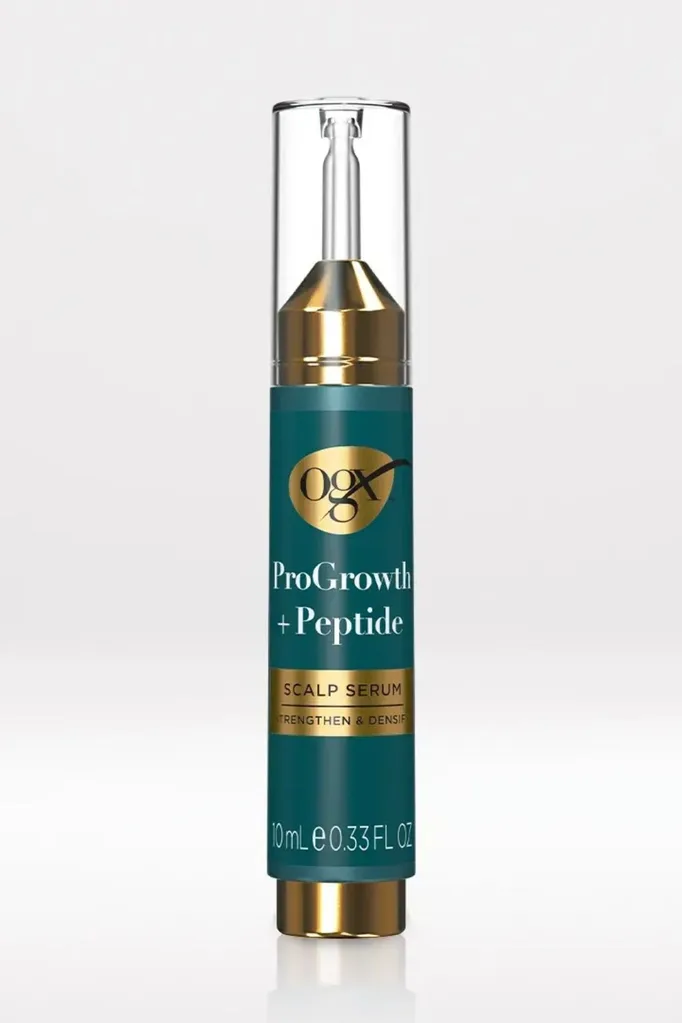
But in-salon treatments and a 10-step haircare overhaul isn’t necessary to get the effects of peptides and other hair-boosting ingredients. Accessible brands such as OGX sit in the supermarket aisle for your convenience. The ProGrowth + Peptide range is formulated with peptides designed to support scalp health and the appearance of fuller, stronger-looking hair. The four-step salon-quality system incorporates 9 per cent Long7vity Complex peptide technology with supporting ingredients such as caffeine, micro-algae, pea protein and panthenol as well as niacinamide to help create a calm scalp ecosystem and sustain healthy hair growth.
So what happens when you skip the scalp?
There are daily habits that could be quietly working against you for your hair’s health. When the scalp environment is compromised or imbalanced through product build up, disrupted microbiome or even poor cleansing, the effect shows up in the strands.
“The most common scalp concerns I’m seeing right now are seborrheic dermatitis, dandruff linked to Malassezia overgrowth, stress-related shedding and increased scalp sensitivity,” Lena says. “I’m also seeing more hormonal hair thinning, androgenetic alopecia and shedding associated with rapid weight loss, restrictive dieting and nutritional deficiencies.”
But some of the smaller daily habits can add up and be just as damaging as stress and hormonal effects. “Overusing dry shampoo, avoiding regular washing, aggressive scratching and wearing very tight hairstyles can all negatively affect scalp health,” Lena says. So, if you thought washing your hair less was the answer, Lena and fellow trichologists beg to differ. “Allowing too much buildup to sit on the scalp for long periods may also contribute to irritation and inflammation,” confirms Lena.
Hair type plays a role too with fine hair often showing oiliness faster, while curly hair is prone to dryness. But a healthy scalp has clear signs: if your scalp feels comfortable – not itchy, inflamed or excessively oily with minimal flaking, irritation and normal shedding then you’re already doing the right thing.
What does a scalp routine look like?
A scalp routine doesn’t mean adding another hour to your evening. It simply means, making it a priority in your daily cleansing habits. Lena’s approach is consistent, targeted and straightforward.
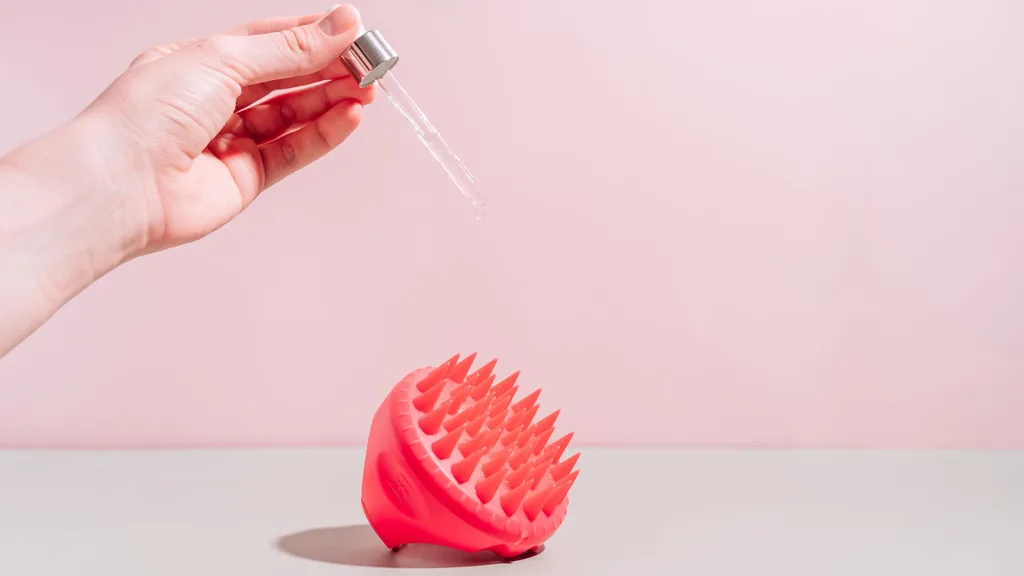
“Regular cleaning to remove excess oil, sweat, product build-up and environmental debris that can disrupt the scalp microbiome,” is her priority. From there, she recommends scalp exfoliation once a week to gently remove dead skin cells and build-up while supporting healthier follicle function. And finally, scalp massage with your hands or scalp brush “to help stimulate circulation and support nutrient delivery to the follicle.”
Targeted scalp treatments such as the ProGrowth + Peptide Scalp Serum could be a great option. These deliver ingredients that hydrate, calm inflammation and support the scalp barrier, straight to the scalp. The scalp serum comes in a unique pen for precision dosing to the T-zone of the scalp. It’s a water-based formula which means it’s not greasy and leaves no residue on the hair, making it easy to incorporate into your daily routine. However, Lena flags that your overall internal health plays a vital role. “Managing stress, good nutrition and sleep have a direct impact on scalp condition and hair growth.”
The shift experts such as Lena are advocating for, is treating the scalp as the starting point, not an afterthought. “Prioritise scalp health first,” she says. “A healthy scalp environment creates the foundation for stronger and healthier hair growth long term.”
Think of it the same way you think about your skincare shelf: the effort you put in now, consistently, is what shows up in your hair later.

At OGX, we believe healthy hair gives you the confidence to boldly be yourself. Our high-performance, ingredient-led formulas help support hair health and resilience from root to tip, empowering you to wear your hair your way, every day.

Related stories

Native ad body.
Native ad body.

Want healthier, stronger hair? We spoke to a trichologist to find out how

Can stress really lead to hair loss?
Native ad body.



Share this post