






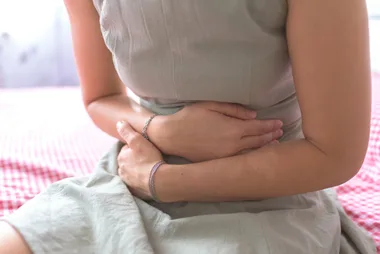
For generations, women have been told that period pain is simply something we have to put up with. Take a painkiller, grab a hot-water bottle and get on with it.
But if period or pelvic pain is affecting your ability to work, exercise, socialise or simply get through the day, it shouldn’t be dismissed. It’s worth talking to your doctor.
There can be many reasons for persistent pelvic pain, but one possible cause is endometriosis, a condition where tissue similar to the lining of the uterus grows outside the uterus. This can cause inflammation and scar tissue, leading to symptoms including pelvic pain, painful periods and, for some women, fertility complications.
Endometriosis affects one in seven Australian girls, women and people assigned female at birth by the age of 50 and is a common cause of chronic pelvic pain. Yet getting answers can take time, with an average of eight years between the first symptoms and diagnosis.
Part of the difficulty is that endometriosis doesn’t look the same for everyone. Symptoms can be complex and vary from person to person, while chronic pelvic pain can also occur without endometriosis.
And endometriosis can affect anyone. Celebrities including Bindi Irwin, Susan Sarandon, Cyndi Lauper, Amy Shumer, Ricki-Lee Coulter and the late Dolly Parton have all spoken openly about their experiences with the condition and the impact it has had on their lives.
A step forward for Endometriosis
Now, a new Endometriosis Management Plan (EMP), developed by Monash University in partnership with the Royal Australian College of General Practitioners, is designed to make navigating diagnosis and ongoing care easier.
At its core is a more collaborative approach to care, giving patients a greater say in decisions about their health and what happens next.
The evidence-based online resource allows patients and their GP or nurse to develop a personalised care plan together, looking not only at symptoms such as pain and heavy menstrual bleeding, but also issues including fertility and mental health, as well as treatment options, referrals and patient goals.
“We want to enable everyone in Australia with endometriosis and chronic pelvic pain to collaborate with their primary healthcare clinician so that they receive the best possible ongoing care,” says project lead Professor Danielle Mazza, Head of Monash University’s Department of General Practice.
Once completed, the EMP brings all that information together in an easy-to-read document that can be saved to your medical record, with a printed copy for you to take home.
The great thing is you don’t need to attend a specialist clinic to access it. The EMP is freely available for GPs to use through the RACGP website.
So, if period or pelvic pain is affecting the way you live, make an appointment with your GP and start the conversation. It could be the first step towards getting the support and care that’s right for you.
Funding for this project was provided by the Australian Government, Department of Health, Disability and Ageing. The Endometriosis Management Plan project was delivered in a partnership between Monash University, through the SPHERE Centre of Research Excellence, and the Royal Australian College of General Practitioners.
Related stories

Native ad body.

Native ad body.



Native ad body.



Share this post