




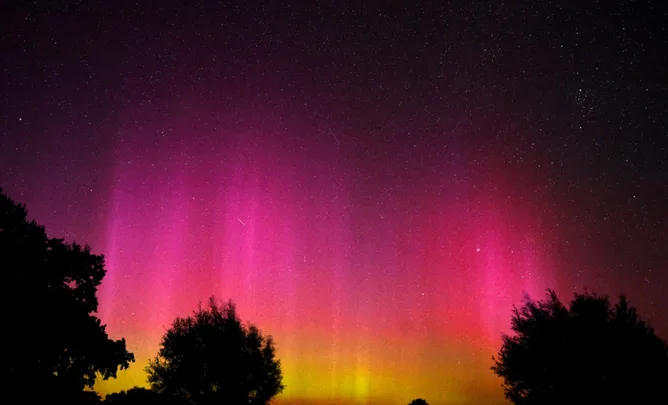
If you have been looking for a reason to stay up past midnight this week, the universe has delivered one. The Lyrid meteor shower is making its annual return to Australian skies between April 16 and April 22, and conditions could make for a memorable show for those who know when and where to look.
While the Lyrids tend to fly under the radar compared to crowd favourites like the Perseids or Geminids, they hold a unique place in astronomical history. This is one of the longest observed meteor showers on record, with documentation stretching back thousands of years across multiple ancient civilisations.
What is the Lyrid meteor shower?
Meteor showers happen when Earth passes through trails of space debris, typically left behind by comets, as it orbits the sun. The Lyrids originate from the debris trail of Comet Thatcher, a long-period comet that takes roughly 415 years to complete one orbit around the sun. As Earth moves through the leftover dust and rock fragments each April, those particles enter our atmosphere at high speed, heat up and disintegrate in brilliant streaks of light.
The shower takes its name from the constellation Lyra, near where the meteors appear to originate in the sky. The radiant point sits close to Vega, one of the brightest stars visible from Earth and the fifth brightest in the night sky overall.
Under the right conditions, the Lyrids can occasionally produce fireballs, which are unusually bright meteors caused by larger fragments burning up in the atmosphere. These can be vivid enough to briefly cast shadows on the ground.
When should Australians watch?
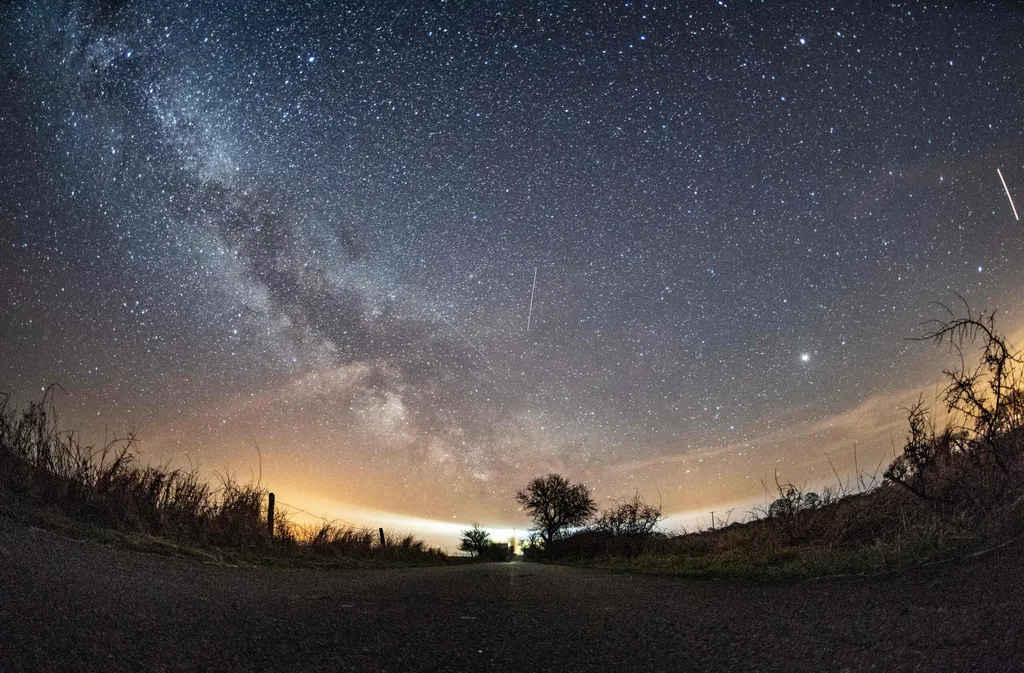
Peak activity for the Lyrids typically falls around April 22 each year. The shower is best observed in the hours after midnight, with activity generally strongest in the few hours before dawn. Casual observers can expect to see around ten to twenty meteors per hour under dark skies at peak, though light pollution can reduce that number considerably.
You will not need any special equipment. The meteors are visible to the naked eye, and binoculars or telescopes will actually work against you since they narrow your field of view. The key is patience and darkness.
Where in Australia will have the best view?
Australians in the northern parts of the country will be better positioned than those further south, simply due to the geometry of where the shower’s radiant point sits in the sky. Those in Queensland, the Northern Territory and northern Western Australia are likely to see more activity than viewers in Sydney, Melbourne or Adelaide.
That said, anyone with access to dark skies away from city lights stands a good chance of catching at least a few meteors regardless of their location. Regional and rural areas will offer a clear advantage over suburban settings.
Allow your eyes at least 20 to 30 minutes to properly adjust to the darkness before you start watching, and resist the temptation to check your phone while you wait.
What else is worth knowing?
The Lyrids are considered a moderate shower in terms of overall meteor count, but they are historically significant and can surprise in outburst years, when rates spike well above average with little warning. These outbursts are unpredictable, which means any given year has the potential to be more spectacular than expected.
After the Lyrids wrap up, the next major event on the Australian meteor calendar is the Eta Aquariid shower. This one peaks in early May and is actually one of the better showers for southern hemisphere viewers. So if you miss out this week, another opportunity is not far away.

Related stories

Native ad body.
Native ad body.


Native ad body.