



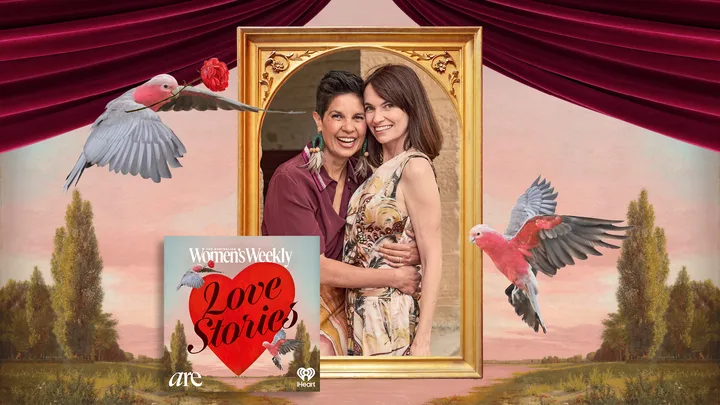
Listen to the episode now:
What’s in a name? As women, the power of a name is probably something we think about from an early age. Our parents often shared the same last name – and most of the time it was our mum who changed hers from the one she was born with. Do we change our name when we marry? Or when we have children of our own?
And what happens if we divorce? Do we keep that last name so that we continue to share it with our children? Go back to our maiden name? Or choose a new last name of our own design? And do we change it again if we decide to marry someone else down the track?
Meanwhile, our first names often hold a special significance for the people who gave them to us. They may have meanings in other languages, be a tribute to a beloved friend or family member or have been inspired by a famous person with the same moniker.
But sometimes, our names can cause us distress. We might have problematic relationships with the people who share our last name. Or we may no longer wish to be known by the name – or gender – which we were given at birth. What do you do in these instances?
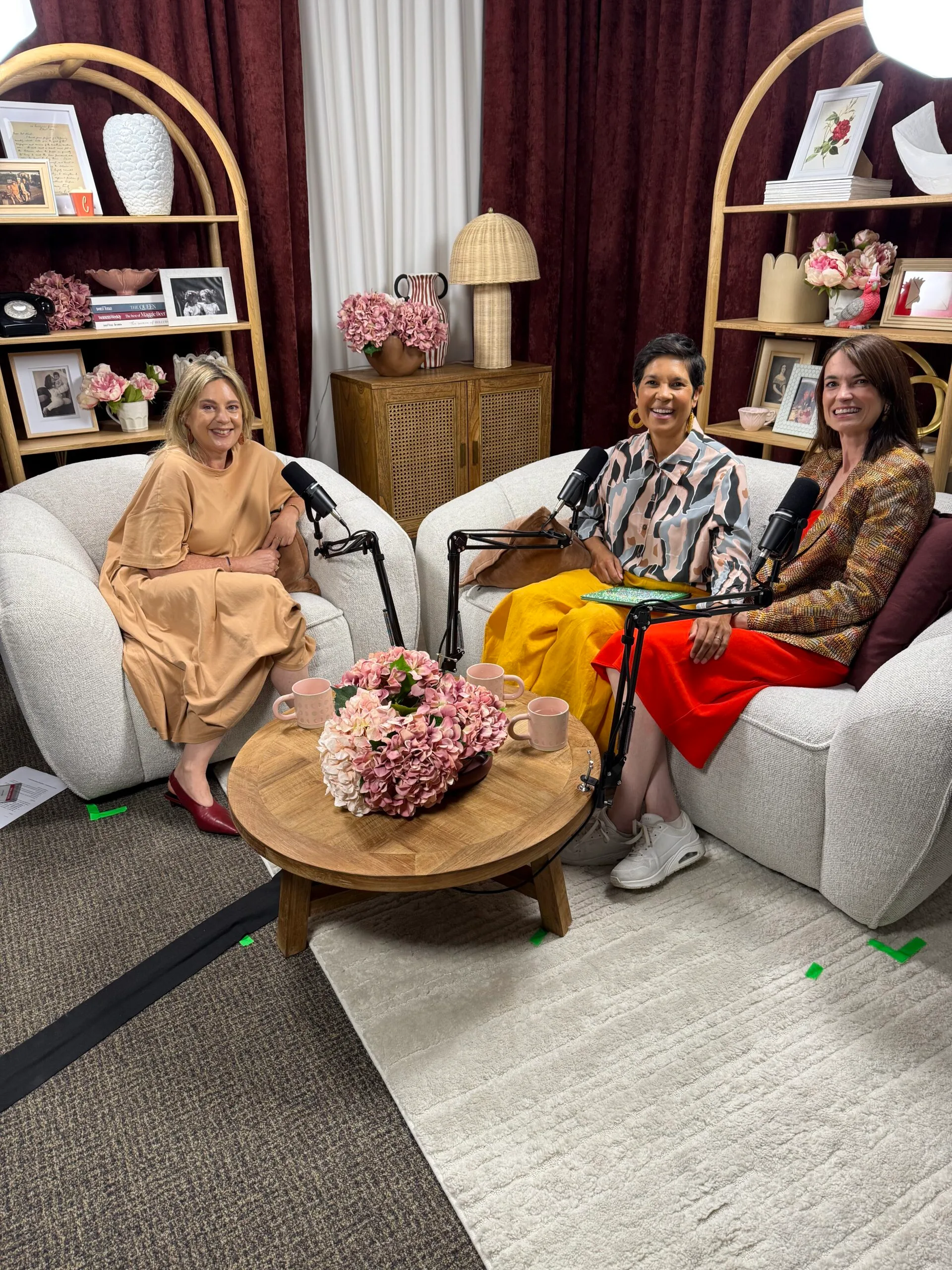
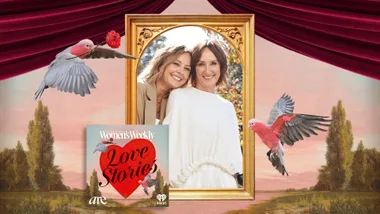
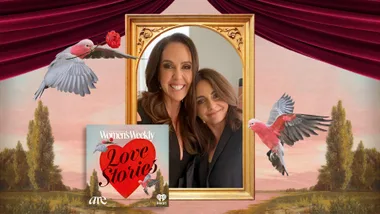
The weight and power of a name was something that I talked about with Narelda Jacobs and Karina Natt when they joined me on the couch for an episode of The Australian Women’s Weekly Love Stories. And they had their own process, not just for when it came to naming their daughter Sanna, but also for what to do with their own names once their family unit expanded.
When they started talking about having a child, they had given it what Narelda, a proud Whadjuk Noongar woman, said was “an imaginary name” long before she was conceived.
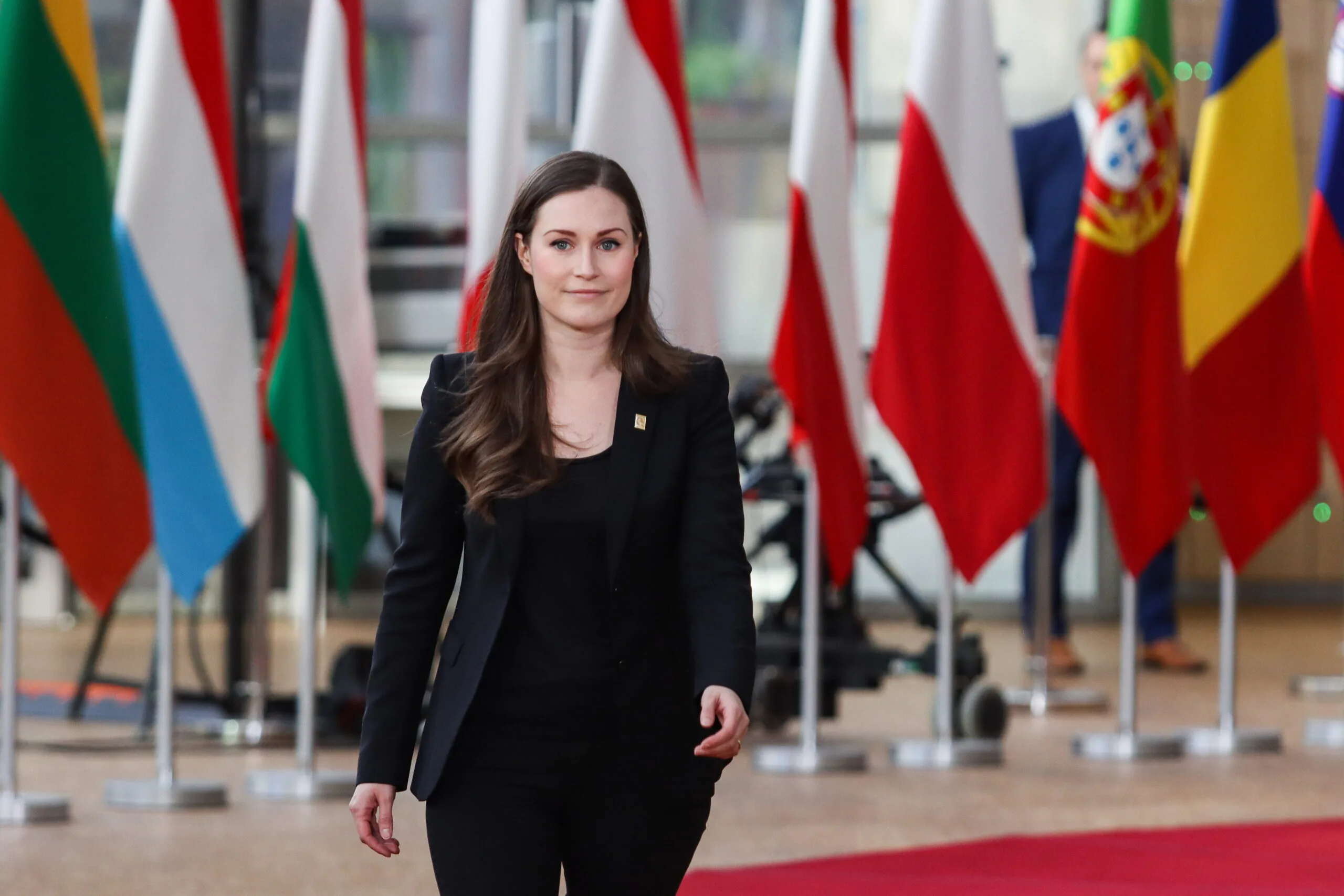
Sanna (pronounced San-Na by her mums) was inspired by the former Prime Minister of Finland, Sanna (pronounced Sah-Na) Marin.
“Not only was Sanna Marin the youngest world leader at the time she was Prime Minister,” Karina said, “but she also had two mums. My grandmother’s name was Annalisa, so I like the idea of having Anna as well. There were a few reasons her name was special.
“When we found out we were pregnant, and we started talking about names, it was like, ‘That’s her name. It’s not just the imaginary name!’”
Next came Sanna’s middle name.
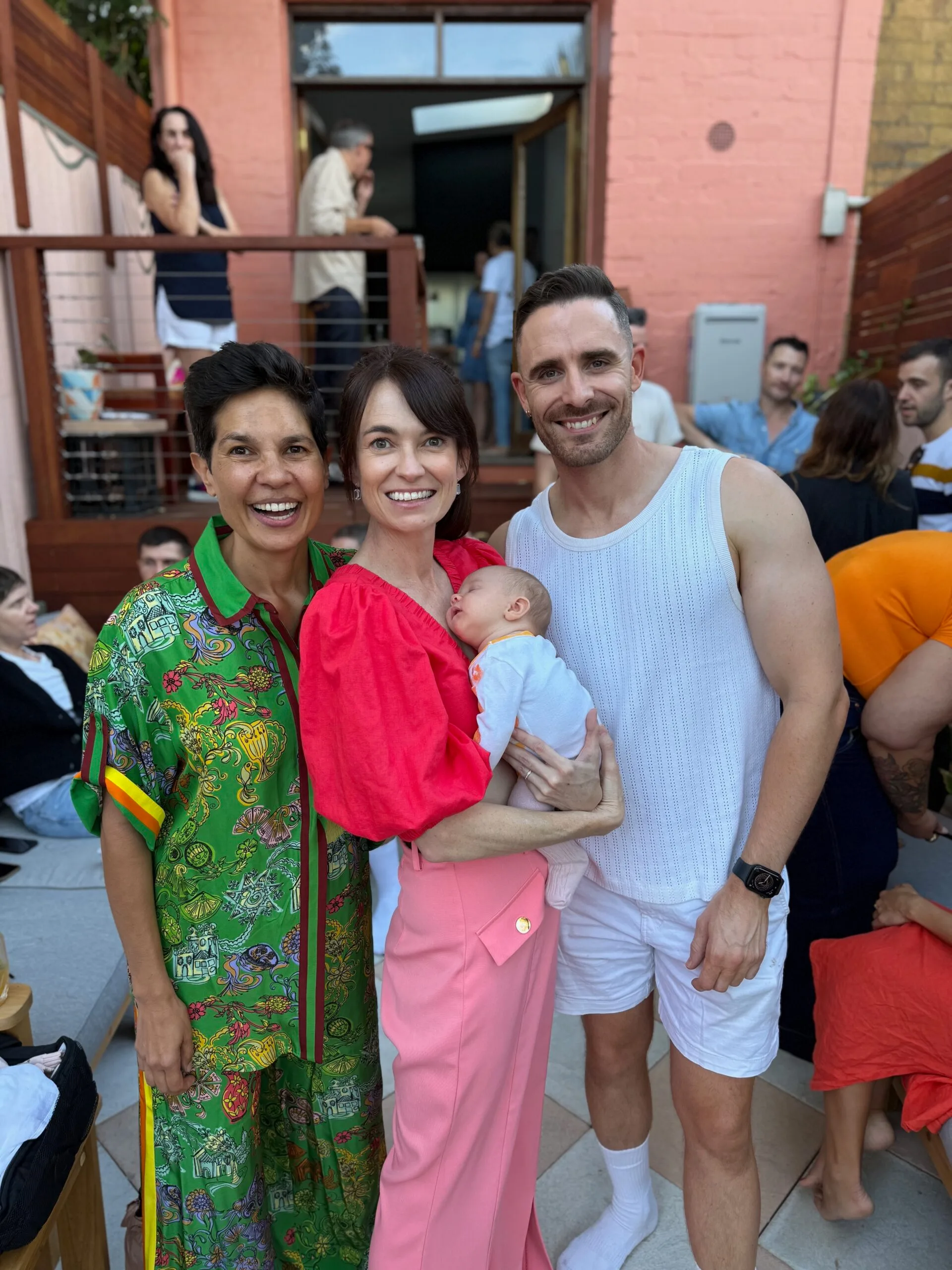
Their friend Mitch Swanson had stepped forward to help the pair become parents.
“Her middle name is Swan. Sanna Swan – which is a nod to her Dadda,” Narelda explained. “So, he calls her his little swan, which is really beautiful. And in fact, in the Noongar language, swan is Maali. So she’s my little Maali and Daddy’s little swan.”
Last but not least came the last name.
“The hardest part was what surname to use,” Karina told me. “Did we double-barrel it? Did we hyphenate? What order did it go in? That took up way more brain space than her first name.”
And so they kept saying it out loud: “Sanna Swan Jacobs-Natt, Sanna Swan Natt-Jacobs, Sanna Swan Jacobs-Natt, Sanna Swan Natt-Jacobs.”
“And we just thought Jacobs-Natt rolled off better,” Narelda said of how they came to their decision.
Of course, now choosing a surname for their daughter threw up a whole new challenge for the newly married pair.
“Because we want to indicate that we are a family unit, but we’re also strong independent women,” Karina said of the dilemma. “And Narelda’s name obviously is a very well-known public name, so it didn’t make sense to me that NJ would change her name.
“I thought, well my surname sounds a bit like a first name as well, and people get it confused. And most of my life I thought I would probably take my partner’s name. But then I was like, ” That’s not very feminist even if it is a woman that I’m married to. So, we just left it.”
Watch the episode:
Hosted by Deputy Editor Tiffany Dunk, the Love Stories podcast celebrates love in all its forms and features unforgettable voices from The Australian Women’s Weekly universe.

Related stories
Native ad body.
Native ad body.
Native ad body.