




At a glance…
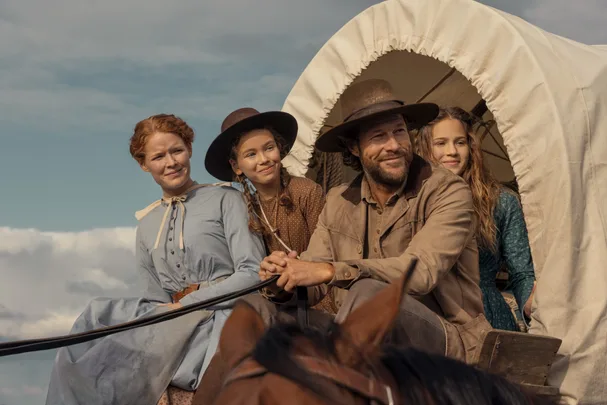
- Australian actor Luke Bracey stars in Netflix’s adaptation of Little House on the Prairie.
- The Weekly speaks with Luke and the show’s creator, showrunner, and producer Rebecca Sonnenshine about the new series.
In a world of remakes and reboots, there are winners and losers. The biggest winners are usually the viewers, who get to revisit beloved worlds through fresh eyes. But rebooting a cultural touchstone is never easy, especially one that’s inspired generations of readers and television audiences alike.
Nearly 100 years after Laura Ingalls Wilder first published her semi-autobiographical novels, and almost 50 years after Michael Landon introduced the Ingalls family to television audiences, Little House on the Prairie is beginning a new chapter; this time on Netflix.
I didn’t grow up watching the original 1970s series, and yet it somehow permeated my childhood in Ireland. It was endlessly referenced in pop culture, remained on television screens for more than a decade, and became beloved by audiences across the globe. Laura Ingalls Wilder’s story of frontier life, family and community clearly resonated far beyond the American prairie.
Now, the iconic tale has a new home on Netflix, with a new cast and showrunner introducing the Ingalls family to a whole new generation.
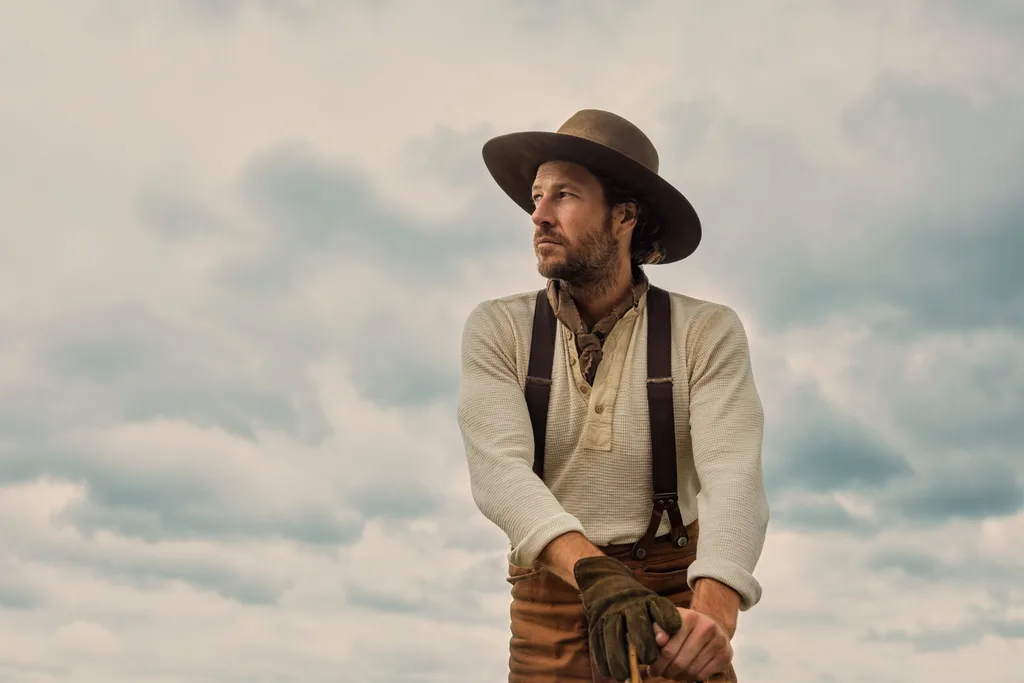
Australian actor Luke Bracey steps into the well-worn boots of Charles “Pa” Ingalls in Little House. He, like me, came to the role without any childhood attachment to either the original television series or Wilder’s books.
“I had no connection to either the show or the books,” Luke tells me via video call. “I’ve learned all about it through my time making this show.”
But that wasn’t a detriment to his performance. Luke actually saw it as a strength.
“Not having any connection with it was somewhat liberating,” he says. “I didn’t feel burdened by the pressure of it. But in the process of making this show, I understand why it is so loved.”
Luke isn’t exaggerating. Few television series have inspired the kind of devotion Little House on the Prairie has. The original series ran for nearly a decade, and Netflix’s reboot has already been renewed for a second season before audiences have even seen the first.
“I’ve been so surprised by the range of people that have told me it’s their favourite thing,” Luke tells me. “The range of ages, people from all walks of life, from all over the world have told me it’s their favourite thing and that they absolutely love it.”
For Luke, it didn’t take long to understand why the story has endured.
“People want to have, and people want to do the best for their family, give them the best opportunity. They want to be a good husband, a good father, a good member of the community.” Those timeless values also made stepping into Pa’s boots surprisingly straightforward.
“I could actively see myself in these situations,” he shares. “So, I could contextualise it. I didn’t have to pretend to be an elf from the planet Xeron. Like, I could actually fully grasp this guy. I could almost reach out and touch him.”
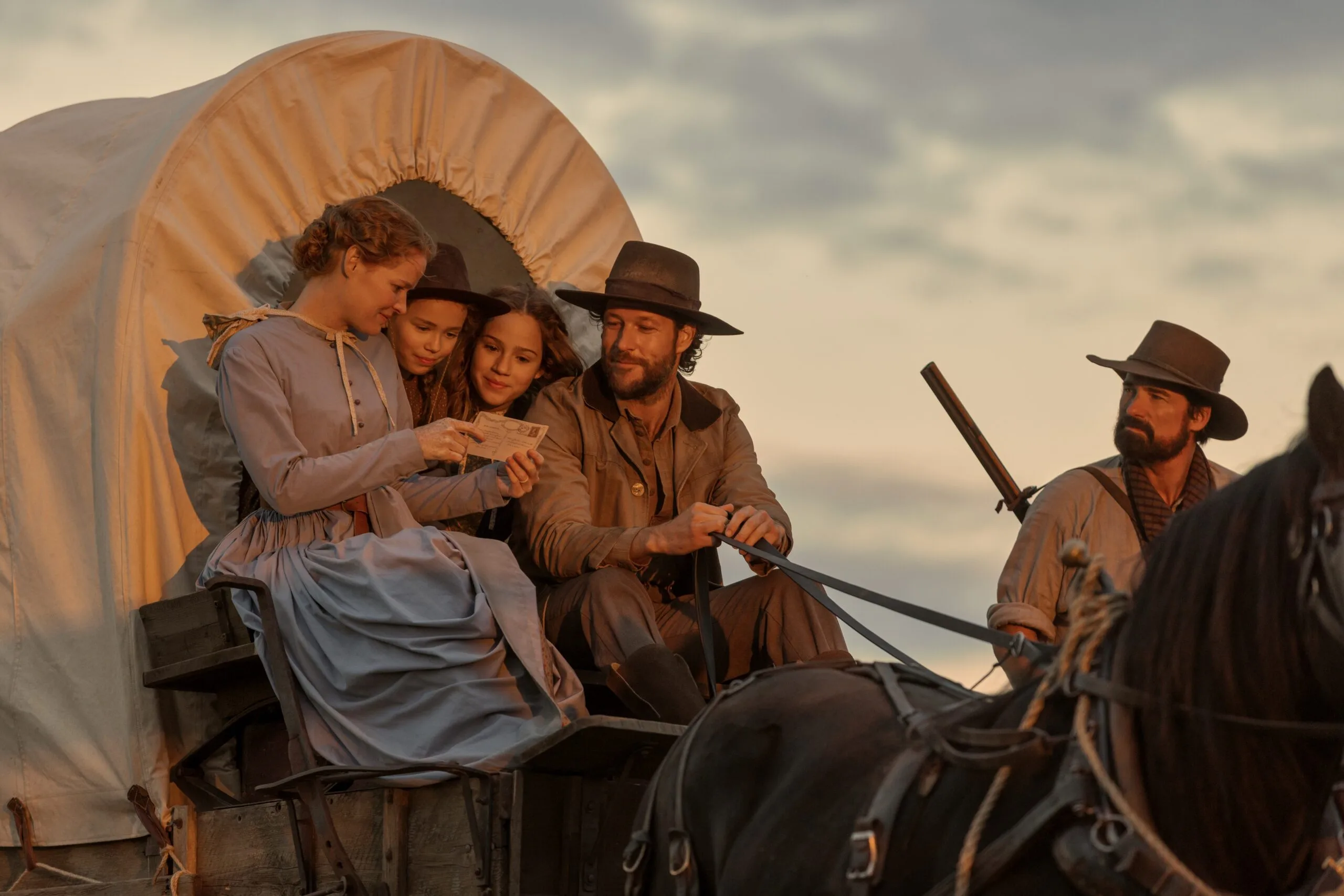
That surprised him. The biggest revelation wasn’t how different pioneer life was, it was how familiar it felt.
Part of the reason why it resonates with so many is also its author.
“This is Laura Ingalls Wilder,” he says. “This is not a Greek myth. It’s not a formulaic story with a nice round bow tied on the end.”
“I think people connect with the reality of the situation, with the sense of adventure in it, with the fact that not everything goes right, that things go wrong. It’s how you tackle those adversities, the character you display in life, the member of the family that you want to be and the member of the community that you want to be.
“I think people connect with the fact that they see that life is difficult no matter when it is,” he adds. “They come for the escapism, but what they find, I think, is the truth in life.”
While the books remain largely unchanged, every screen adaptation reflects the era in which it’s made. The beloved 1970s series, starring Michael Landon as Pa Ingalls, leaned into the warmth and optimism of frontier life. This new adaptation keeps those themes of family and resilience but also takes a broader view of the world the Ingalls family inhabited.
For showrunner and creator Rebecca Sonnenshine, the process of adapting Little House on the Prairie allowed the past to speak to the present.
“Anytime you adapt something, you’re creating something new,” she tells me on a separate call. “You’re creating a conversation between 2026 and 1869… perspectives from now and perspectives from then kind of mixing.”
One of the most notable differences in this adaptation is its willingness to widen the lens. While the Ingalls family remain at the heart of the story, the series spends more time exploring the communities around them, including the Osage people whose land the settlers occupy.
“If you’re only looking out of the windows of the cabin at the prairie, then you’re missing a lot of the prairie,” Luke says. “We give a bird’s-eye view of the time and place, with the Ingalls family still at the centre of it, but seeing everything that makes up the mosaic of that place and time.”
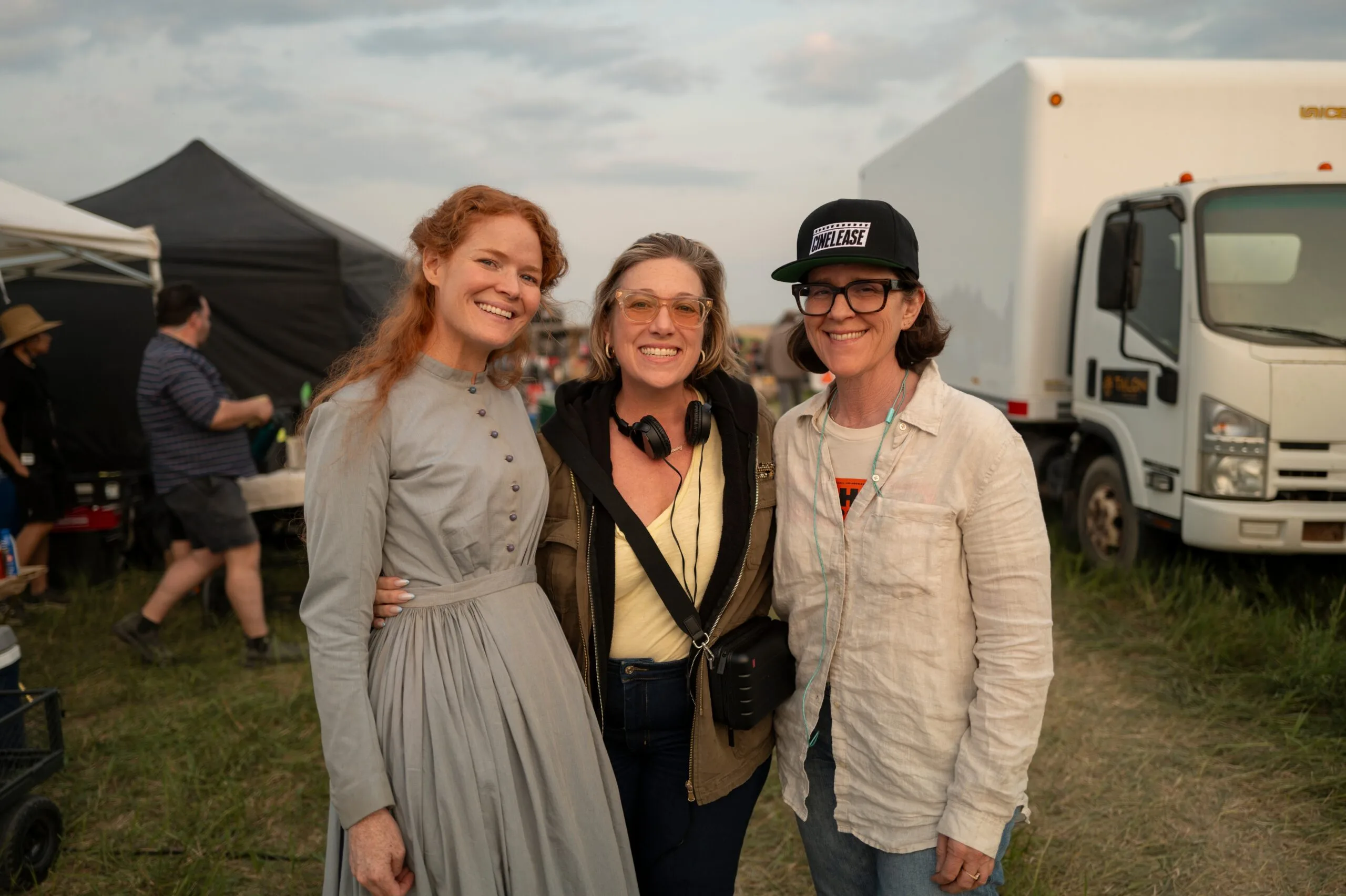
The series was a passion project for its creator, Rebecca, who shared a well-worn copy of Little House on the Prairie on her socials. She is perhaps the perfect person to adapt the series as it’s one tied closely to her own story.
“Little House is my origin story,” she tells me. “When I was five, I went to see my older cousin, Laura. I said, ‘ I can read now!’ She said, ‘If you can read the first page of this book, I’ll give it to you. It was Little House in the Big Woods. I still have that copy. I was totally obsessed with them.”
Giving as accurate a depiction as possible of that era in American history was important to her.
“We can’t change what happened in the past,” she tells me. “The past is gone. There’s nothing that can be done to change what happened, but you can change what happens going forward.”
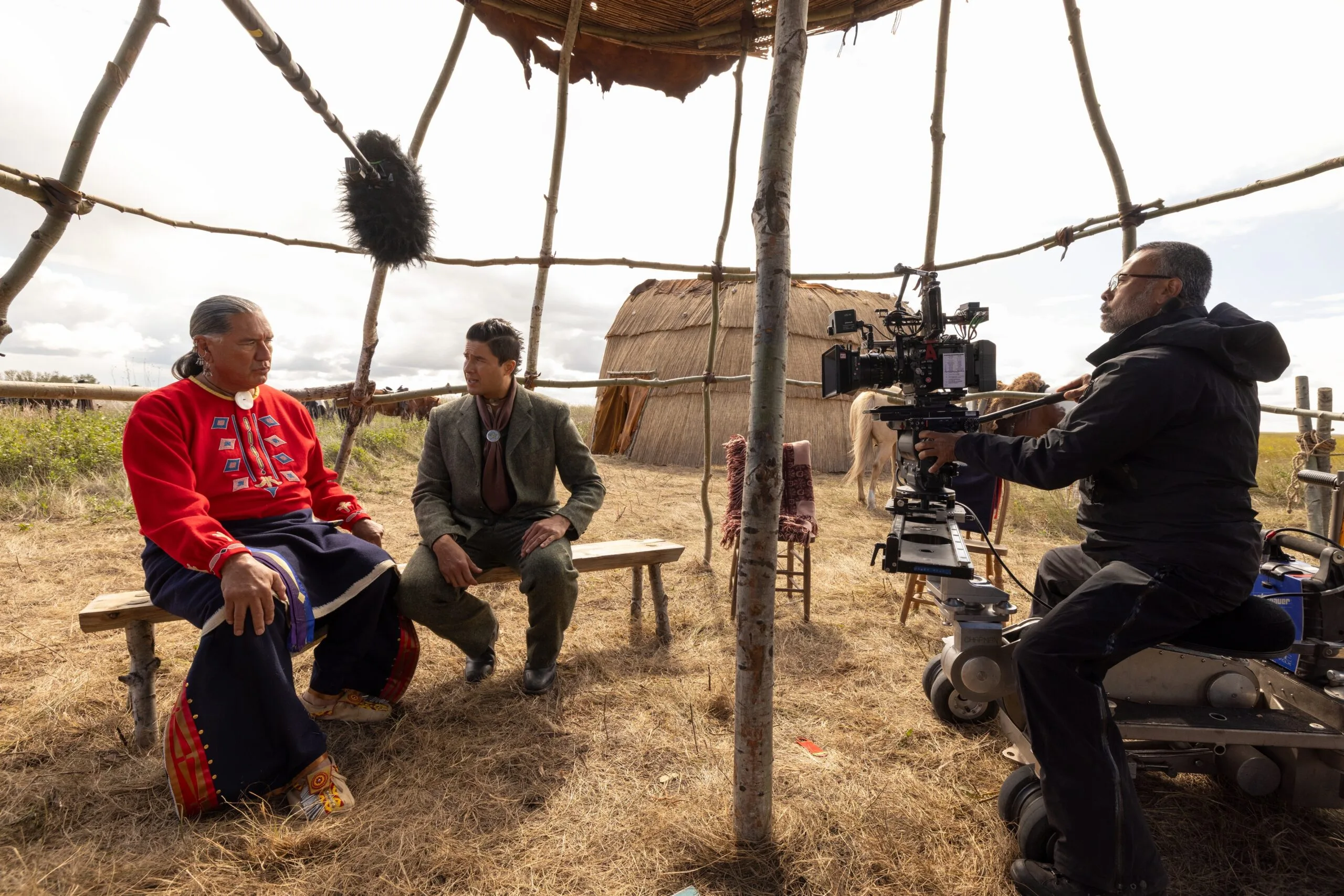
As Australians, we know that often the stories of the past are mostly told through a coloniser’s, settler’s, or frontier’s lens – not through the lens of Indigenous People.
“We have the opportunity to tell probably a more fully realised story of who really lived on the prairie, which was black Americans, the Osage, instead of being like ‘they are the others that we don’t understand’. It was an opportunity to tell their stories as very fully realised characters.”
In one memorable scene, two Indigenous Osage men come into the Ingalls home – which is built on their land and take supplies. The scene shatters the idealised view of the world held by Laura Ingalls and reveals to Ma that they don’t have the right to be on the land.
Rebecca shares that in the book, that scene plays out differently.
“It feels very scary,” she tells me. “It feels very kind of negative. And being able to try and bring people into why did they do that? Why did the Osage come and do that? Our version felt like an opportunity to reexamine something that is kind of a product of its time, of when it was written.”
Rather than presenting the encounter as something to fear, the series invites viewers to understand why the Osage men are there in the first place.
When Pa returns after the Osage men are in their home, he and Laura have a conversation which Luke says gave him “goosebumps.”
“That’s one of my favourite scenes,” Luke shares. “She’s sitting on the step, and Pa tells her, ‘You’ve got an open heart, You’ve hot a curious heart. That’s a good thing. You just got to be careful with it.’”
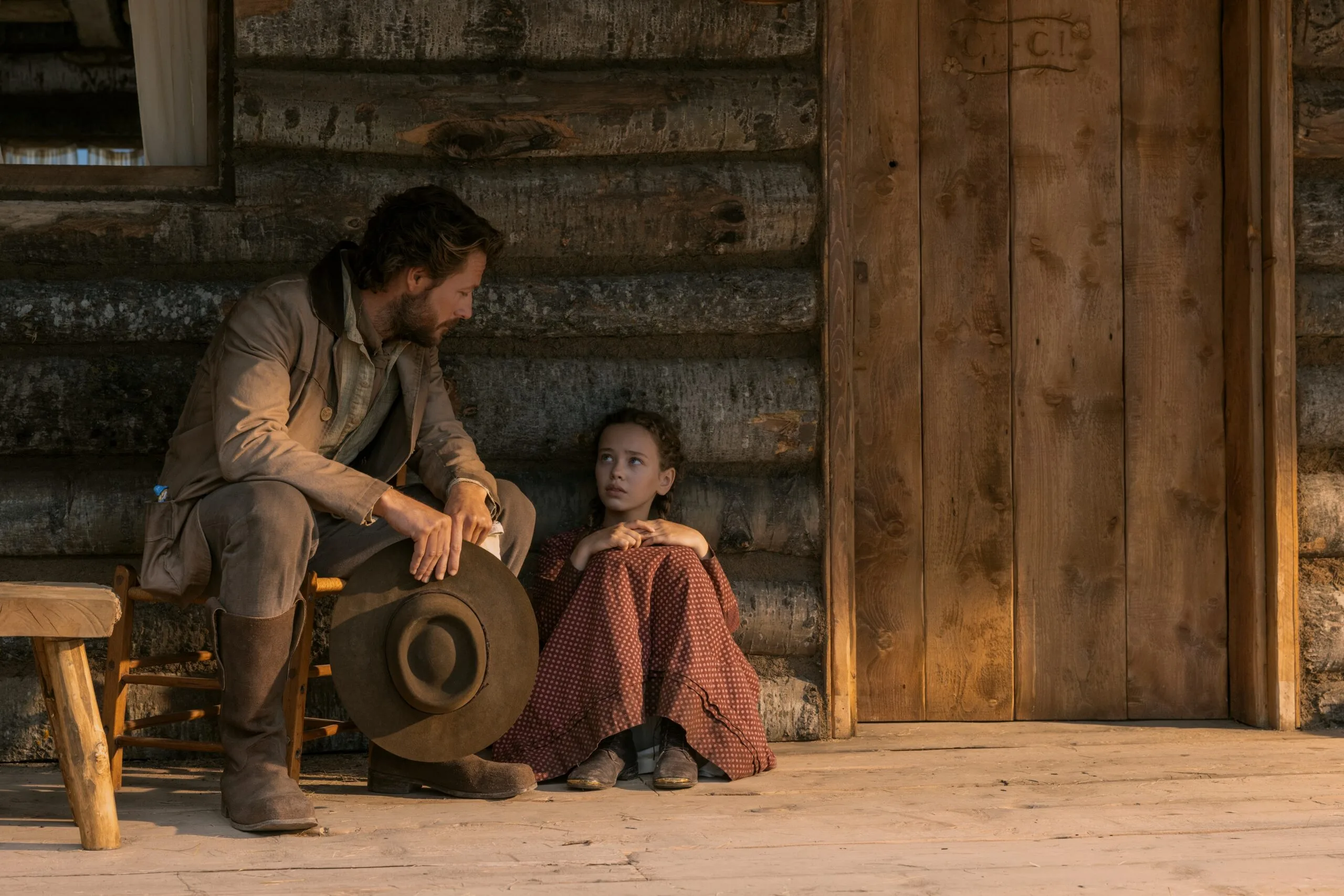
The problems the Ingalls face are often problems many face today.
“No one’s perfect,” Rebecca says. “People are imperfect. And yet they’re all trying to do the right thing. They’re all trying to stay together and invest in their community and each other.”
But still, the Ingalls have to deal with “bureaucracy,” Luke says.
“There was still pettiness and people trying to build communities and people trying to lift people up and people pushing people down,” he tells me. “They had to try and make money for their family. And they wanted their kids to learn and be educated. They wanted their community to grow and be prosperous.”
That sense of shared humanity is exactly why Luke believes Little House on the Prairie feels especially relevant today.
“People are feeling maybe a bit disparate from each other and from the world,” adding that the show’s themes of hope, resilience and community are relevant today. “Maybe this is a show that gives people an opportunity to experience something together.”
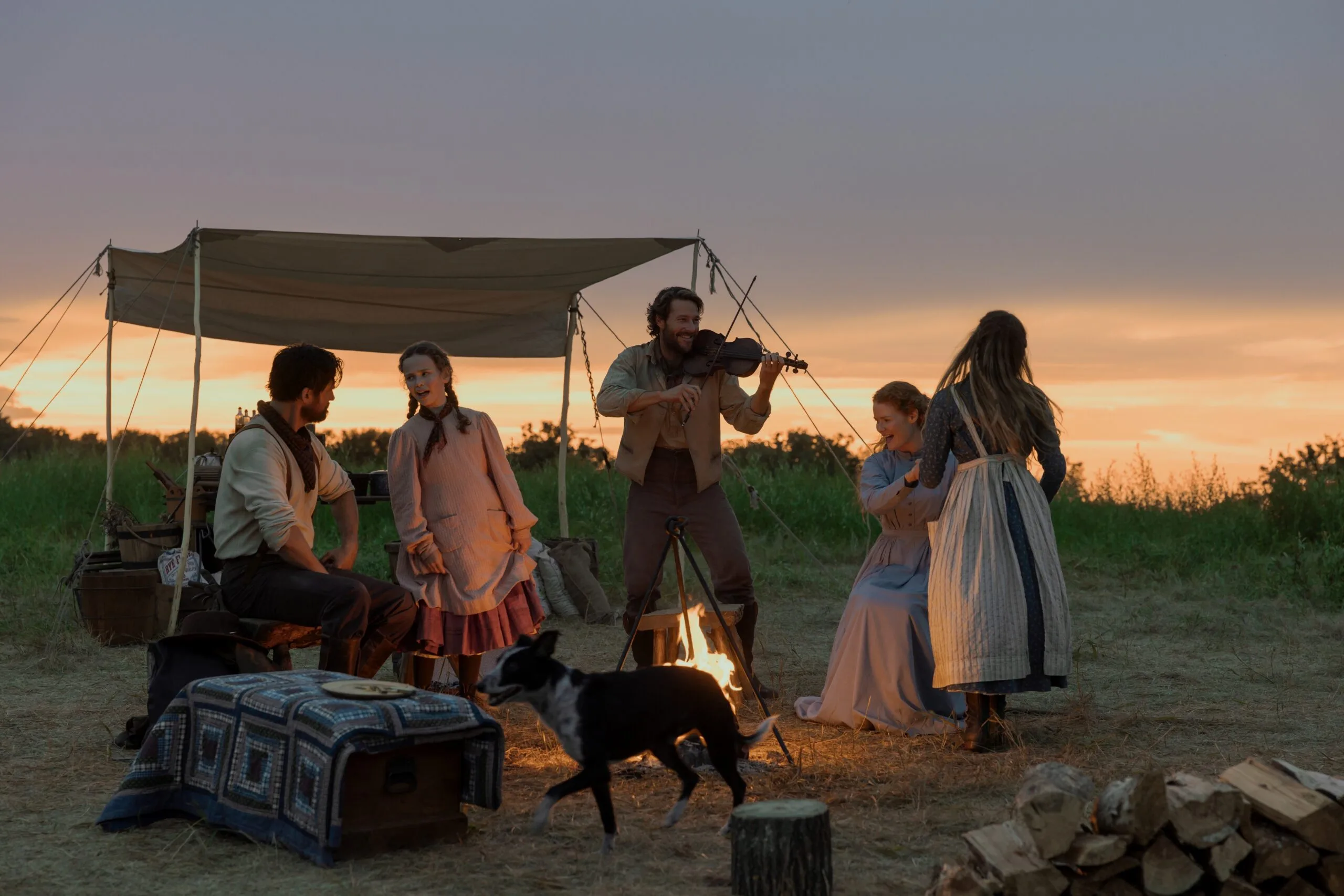
Of course, becoming Pa wasn’t all heartfelt conversations and life lessons. There were horses to ride, wagons to drive, and fiddles to (appear to) master. When I compliment his fiddling skills, Luke laughs.
“I certainly look like I’m playing the fiddle,” he says with a grin. “I went from going, ‘Maybe I’ll learn how to play the fiddle,’ to ‘I really just need to know how to look like I’m playing the fiddle.'”
Working smarter, not harder! Horse riding, however, was another story.
“I hadn’t ridden a horse much before, and that was one of the most enjoyable parts of making the series. So, I got to become a horse rider, and I absolutely loved it.”
“I think people might think, ‘Oh, Little House on the Prairie, what a simple, lovely time.’ But learning about all the things Pa had to do literally every day to keep his family safe and survive, it’s exhausting,” Luke adds. “I can’t believe he had time to play the fiddle at the end of the day.”
He hopes families might even recreate the feeling the Ingalls family so often shared around their own dinner table.
“We have a lot of moments of the Ingalls family having dinner and playing music and entertaining themselves,” he says.
“Maybe this show can be people’s version of the campfire,” he says.
“It’s a love story about family,” Rebecca says of her creation. “Maybe it makes you want to spend time with your own family.”
Watch Little House on the Prairie on Netflix now.

Related stories
Native ad body.
Native ad body.

Native ad body.

Share this post