



As women, we attach a lot of emotions to our hair. From the classic ‘mum chop’ to the unmentionable looks of our 20s, fuelled by exs and bad ideas. So, when our hair stops growing or starts to thin out, we take note.
But why is it that our strands stop in their tracks? To find out more about hair growth and what we can do to support it, we spoke to certified trichologist Lena Hovardas.
7 reasons your hair isn’t growing
Poor Sleep
Not getting enough sleep can have a knock-on effect for more than just your energy levels. Sleep is when your body resets and regenerates. Giving your body a chance to do vital maintenance on your cell repair
turnover rates. And likely, your poor sleep goes hand in hand with another factor.
Stress
Stress can wreak havoc on our bodies in copious ways. Lena tells us that “significant physical or emotional stress can trigger a condition called telogen effluvium, where a larger number of hairs shift prematurely into the shedding phase of the hair cycle. This type of shedding often occurs several weeks to months after the stressful event”.
Hormonal fluctuations
Hormones control our body and our hair. From post-partum hair loss to changes in our hair, Lena tells us that “hormonal fluctuations can significantly impact the hair growth cycle, scalp oil production and hair density.” She continues to explain, “changes in oestrogen, progesterone, testosterone and thyroid hormones can all affect hair density and shedding.”
Ageing
If you’ve noticed your hair start to alter as you’ve aged, you wouldn’t be alone. Lena explains that “as we age, our hair naturally goes through a number of changes in both its structure and growth cycle.”
The shifts at hand? “Hair growth tends to slow down, the growth phase becomes shorter, and follicles may gradually produce finer, weaker strands over time,” all of this to say that our “hair naturally becomes finer, drier and less dense” thanks to hormonal shifts over time.
Lena notes, however, that “while ageing changes are natural, maintaining good scalp health, nutrition and consistent hair care can help support stronger, healthier hair for longer.” So, your key to healthier hair is to keep up the good work.
Weight loss
While maintaining a healthy weight might feel like a priority, Lena explains, “rapid weight loss or restrictive diets can impact the hair growth cycle.” While they don’t impact the scalp directly, the “nutrient deficiencies and physical stress on the body can increase shedding.”
Nutrition
You may have heard that what you eat can impact how your skin looks and feels, but did you know that enjoying a nutrient-rich diet can also impact your hair? Lena elaborates that because “hair is primarily composed of keratin (which is a structural protein), adequate protein intake is essential for healthy hair growth.”
When asked what nutrients can contribute to increased shedding, reduced density and hair quality changes, she let us know to be cautious of “iron, zinc, vitamins B12 and D and essential fatty acids.”
Poor scalp health
Understandably, poor scalp health will result in slower hair growth. Lena tells us that “inflammation around the follicle can disrupt the normal hair cycle and affect the follicles’ ability to produce healthy hair growth.”
Essentially, the root (pun intended) of great hair starts at the scalp.
Trichologists tips on hair growth
Because we know that understanding why is only part of the journey, we asked Lena what you should prioritise.
Her response? “Prioritise scalp health. A healthy scalp environment creates the foundation for stronger, healthy hair growth in the long run.” Along with creating a healthy scalp environment, Lena also suggests “supporting internal health and using evidence-based ingredients consistently”.
While we know that hair growth is multifactorial, several ingredients can, in fact, support healthier hair growth by “strengthening the hair follicle and reducing inflammation.” These ingredients, as suggested by Lena, include:
- Peptides — which Lena calls an “exciting ingredient” — that “helps support the hair follicle and encourage stronger, healthier hair growth.”
- Niacinamide (also known as vitamin B3), which “helps improve scalp barrier function and reduce inflammation.”
- Hyaluronic acid works to “hydrate the scalp and support a healthier scalp environment.”
- Caffeine, which “may help stimulate the scalp and support circulation around the follicle.”
What to do to help hair growth
To keep your scalp and strands healthy and clean, choose a formula that combines multiple scalp-supporting actives into the one easy routine. The OGX ProGrowth + Peptide range brings together the trichologist-recommended ingredients in a simple system designed to support scalp health, reduce breakage and even promote stronger hair over time. Because while you can’t control every factor that impacts hair growth, you can choose to consistently support your scalp.
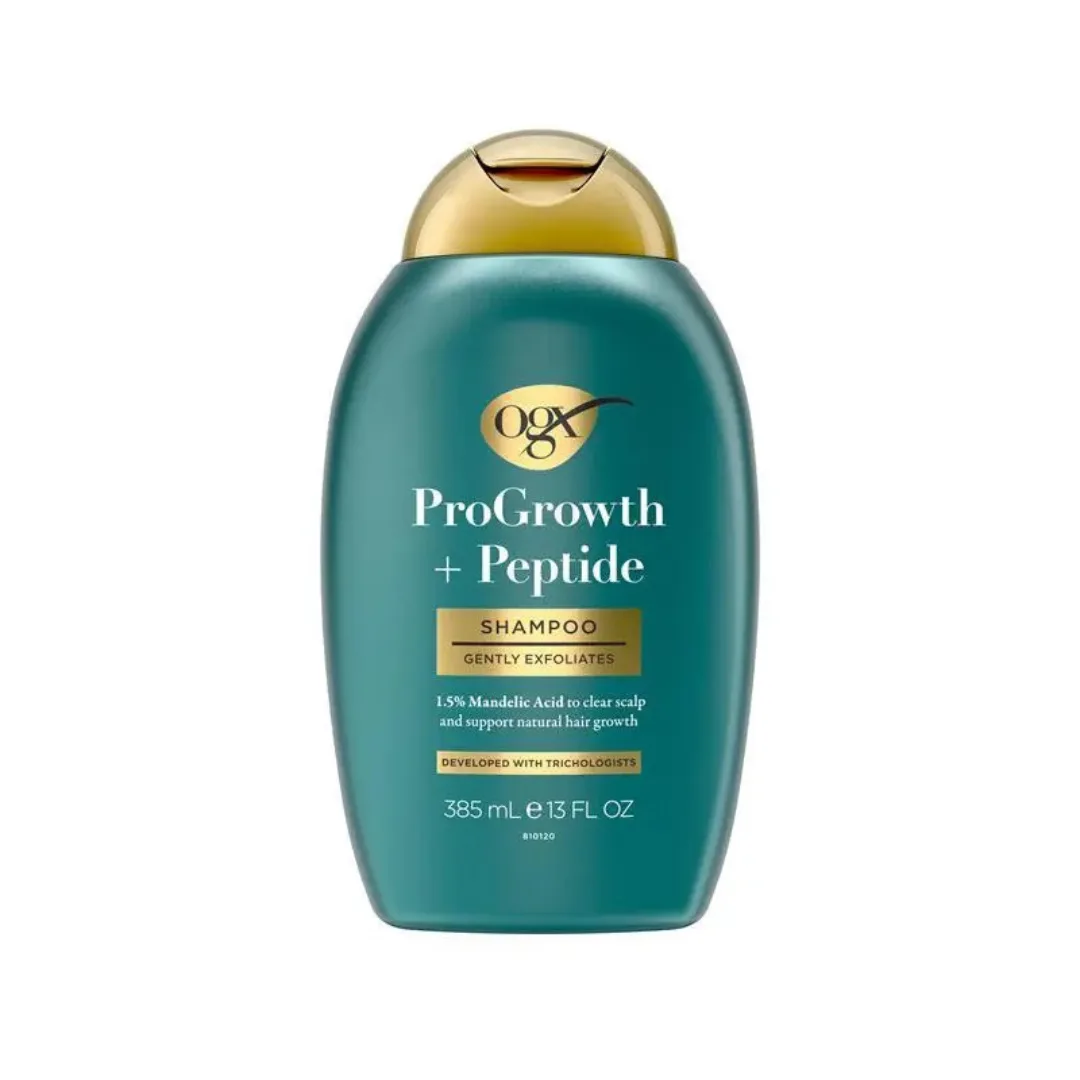
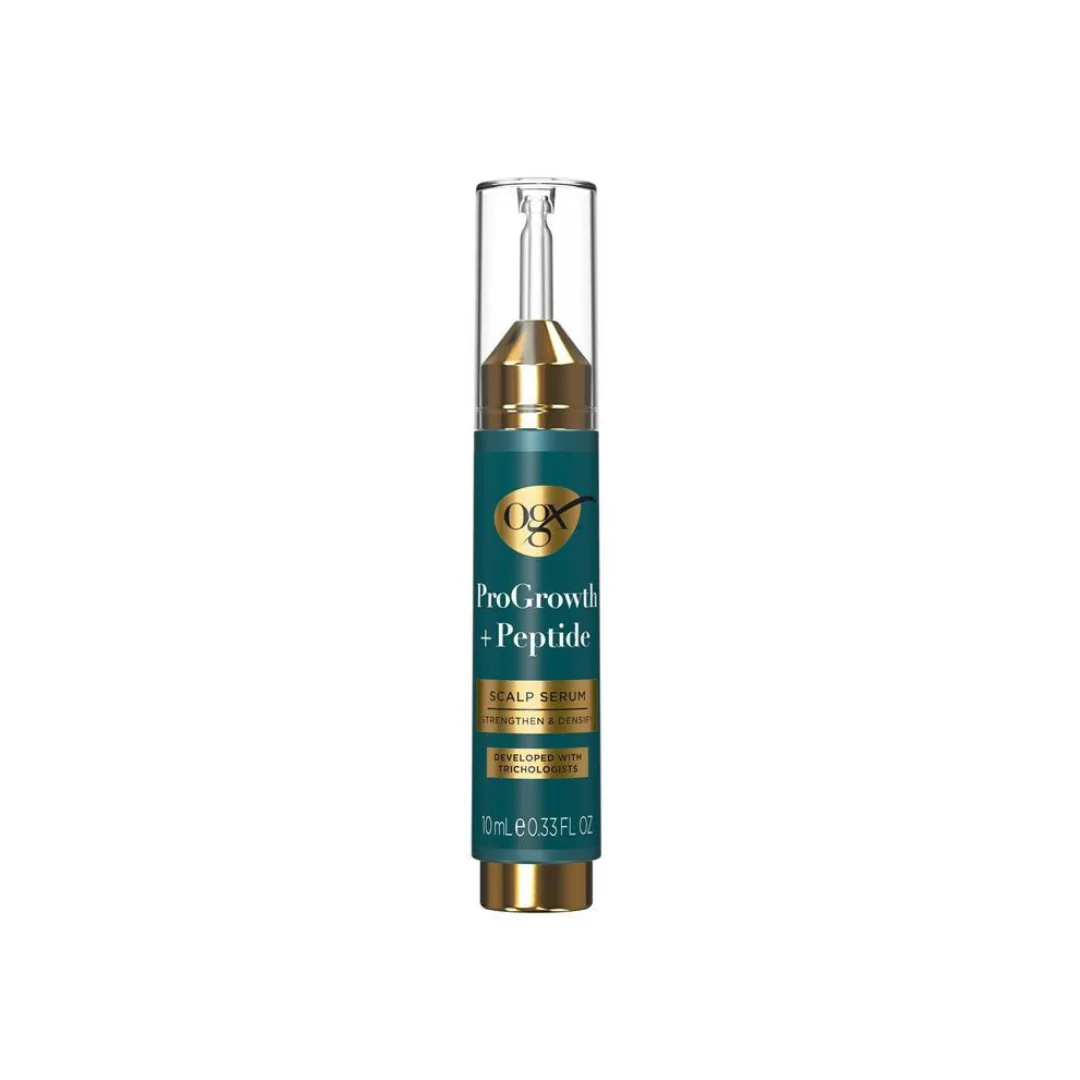
OGX ProGrowth + Peptide Scalp Serum,
$30, Chemist Warehouse

At OGX, we believe healthy hair gives you the confidence to boldly be yourself. Our high-performance, ingredient-led formulas help support hair health and resilience from root to tip, empowering you to wear your hair your way, every day.

Related stories
Want healthier, stronger hair? We spoke to a trichologist to find out how
Native ad body.
Can stress really lead to hair loss?
Native ad body.
Your scalp changes over time: here’s why it matters for your hair
Noticing more hair in the shower? Here’s what could be behind it
Do you really need peptides in your haircare?
Native ad body.