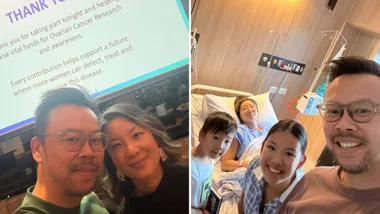




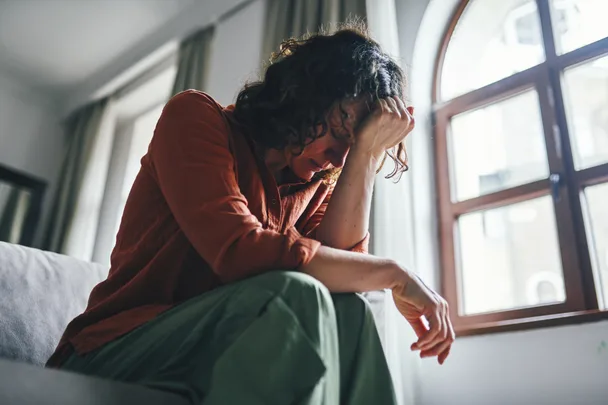
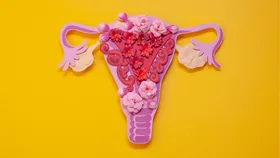
Megan Kuleas knows what it’s like to live with pain. At 18, she was diagnosed with endometriosis, a chronic condition where tissue similar to the lining of the uterus grows outside of it. She was then diagnosed with adenomyosis, where tissue that normally lines the uterus grows into its muscular wall, as well as hormonal disorder polyendocrine metabolic ovarian syndrome (PMOS, previously known as polycystic ovarian syndrome). To exacerbate matters, Megan was further diagnosed with blood circulation illness postural orthostatic tachycardia syndrome (POTS) and a heart condition, both of which were triggered by her chronic pain ailments.
“I’ve tried every type of pain relief you can imagine,” the now 36-year-old tells The Weekly. “There have been so many hospital admissions, so many different types of medication. I’ve had five or six surgeries. I’ve also had a neurostimulator implanted in my back to control my pain.”
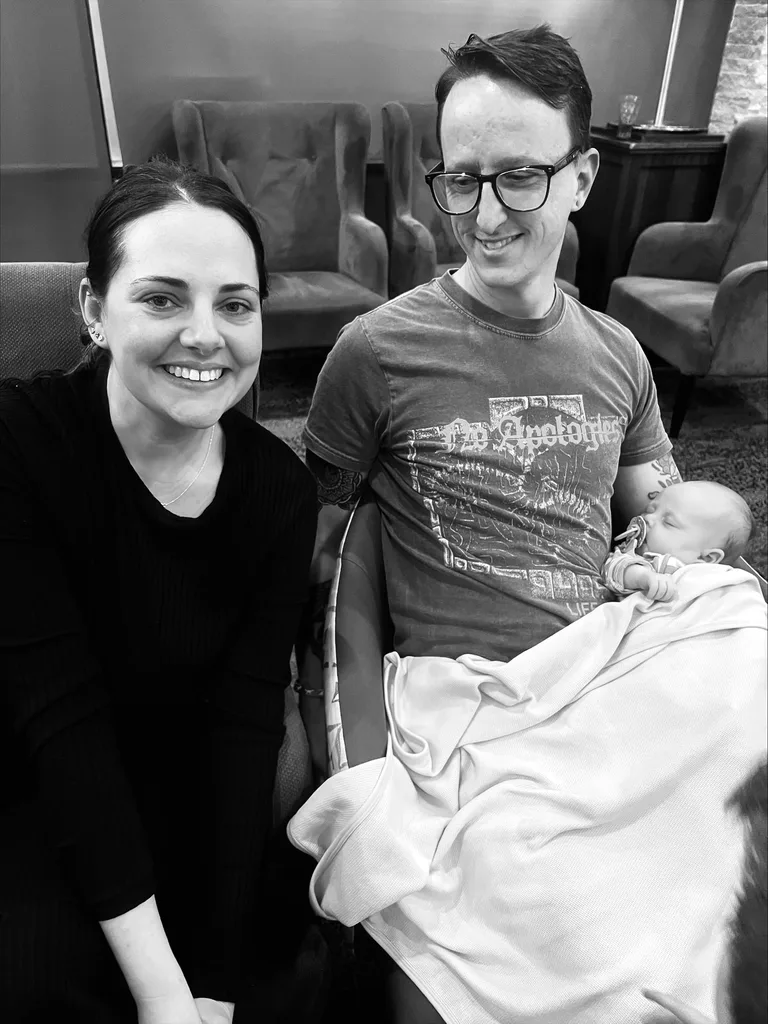
Megan, who recently gave birth to her “little miracle” daughter after a long journey with IVF, said the particular challenge of chronic pain comes with the fact that pain cannot be seen. In addition, pain is subjective, with one person’s pain tolerance entirely different to someone else.
“People who have chronic pain, like myself, we’re very good at masking our pain,” Megan explains. “I’m in pain every day, but when people look at me, they probably don’t think I’m in pain. We’re just used to living with it. That’s really true for women especially, and it shouldn’t be like that.”
What is chronic pain?
Chronic pain is persistent or recurring pain that lasts more than three to six months, which is beyond normal healing time after an injury or illness. According to the Australian Institute of Health and Welfare, one in five Australians over 45 suffer from chronic pain, with women more affected than men. Consumer body Chronic Pain Australia’s 2024 report found that chronic pain impacts over 3.6 million Australians and is the leading cause of disability.

The latest figures from the Australian Bureau of Statistics showed that around 74 per cent of women aged 18 years and over experienced bodily pain compared to 68 per cent of men. From a global perspective, the International Association for the Study of Pain revealed about 70 per cent of women live with chronic pain, with the most common chronic pain conditions for women being fibromyalgia (widespread body pain), migraines, pelvic pain, rheumatoid arthritis and female-specific conditions.
Why chronic pain is rising in women
There are a number of factors affecting the rise of chronic pain in women. Biologically, there are some chronic pain conditions exclusive to women, such as endometriosis, adenomyosis, vulvodynia (discomfort in the vulva), and pelvic girdle syndrome (pelvic pain affecting the skeletal joints and ligaments).
Pain specialist of 27 years Dr Marc Russo says most medical pain experts suspect that chronic pain in women has been widespread for a long time but there has been a relative under-reporting of it due to dismissal of women’s pain, cultural factors, and the delays associated with a pain diagnosis. Greater awareness and better reporting now reveals a more accurate portrayal of women’s pain.
Dr Russo asserts that the allostatic load, which is the cumulative wear and tear on the body caused by prolonged exposure to stress, also plays a part in the rise of chronic pain in women. “In my opinion, and the opinion of many other medical experts, women suffer greater allostatic load because of their role in society, like child rearing and child caring, and the need to subjugate many aspects of their own self-care for the caring of others,” he says.
“Over time, there can be a chipping away of the ability of the nervous system to be resilient. Once that system reaches a tipping point, it can tip into passing pain signals. The ultimate way [to avoid this] is to ensure throughout your lifetime that you are aiming not to end up having exceeded the allosteric load that your nervous system can deal with. That comes from self-care. For somebody who has chronic pain, the need for self-care is tenfold higher.”
Explaining the gender pain gap
When Amanda Castano tripped and fell while working as a fitness instructor in 2018, her excruciating pain was initially brushed off by her doctor. “Walking into the hospital in head-to-toe Zumba wear, which is loud, proud and colourful, there was the stereotypical, ‘Oh, it’s just a dancer being dramatic’,” Amanda recalls. “The doctor I originally presented to was male, and it was very much that dismissive, male to female, ‘it’s all in her head, she’s just making a big deal out of nothing’, that contributed to [my injury] not being investigated robustly.”
Instead of being checked to see if she had suffered a spinal injury, Amanda was “not treated at all until about six weeks later, when my husband essentially had to make a d**khead of himself to the treating physician and demanded more intervention.” She was subsequently diagnosed with chronic regional pain syndrome (CRPS), an intense neurological condition typically affecting an arm or a leg.
Victoria’s landmark inquiry into women’s pain last year, which culminated in the Bridging the Gender Pain Gap report, revealed that systemic gender bias and a male-centric healthcare model cause severe delays, dismissal and under-treatment for women. Additionally, First Nations women, women of colour, and those who identify as gender-diverse experience another layer of medical misogyny due to intersecting biases of sexism and racism.
The cause of the gender pain gap can be traced back to the 1960s, when pain became a medical speciality. Historically, only male mice were used as pain test-subjects because female mice had changing hormonal levels, making for more complex experiments. This means that any foundational learnings about pain has long skewed towards men.
The mental health impact
The term chronic pain is so synonymous with physical pain that the psychological impact is often an afterthought. Monika Boogs, CEO of Pain Australia, says 45 per cent of people who have chronic pain also have an associated mental health condition like anxiety or depression.
“People with chronic pain suffer so much loss. They can’t participate in so many daily activities and they’re often isolated,” Monika tells The Weekly. “There are also very long waiting lists to see pain specialists in Australia. This is even worse in regional and rural areas, where pain specialists are lacking. The cost of managing pain is also very expensive and this causes even more mental stress.”
Then there’s the guilt and shame. Megan Kuleas admits to feeling a tremendous amount of guilt for “not living up to my expectations I have of myself” and the perceived expectations of others. “As well as battling pain, it’s battling that internal dialogue of ‘I’ve got so much to do, can I rest today or do I just need to keep pushing on, even though I’m in extreme pain?’”
What more needs to be done?
Victoria’s landmark inquiry into women’s pain resulted in 27 recommendations including: more focus and funding for women’s health research, improve workplace policies that better support women with pain, introduce consistent sector-wide pain related training requirements, raise public awareness to reduce gender bias and stigma, expand school education programs, enable person-centred care, and advocate to the Australian Government to work jointly on cost and access issues. These recommendations have set a clear roadmap for reform in Australia and will help bridge the gender pain gap.
Over the past 18 years of living with chronic pain, Megan says she has seen a great deal of positive change. But there is still more to be done when it comes to understanding women’s pain.
“Education in schools about what chronic pain looks like is so important. It’s not just about a ‘painful period’. And it’s not just young girls that need to be educated, it’s young boys as well,” she affirms. “The more education there is, the more awareness, and hopefully there will then be earlier diagnosis, earlier intervention, and more support. Women won’t be dismissed or face medical misogyny. I’ve been thinking about this a lot. I have two young nieces and a little baby girl. I don’t want them to go through what I went through.”
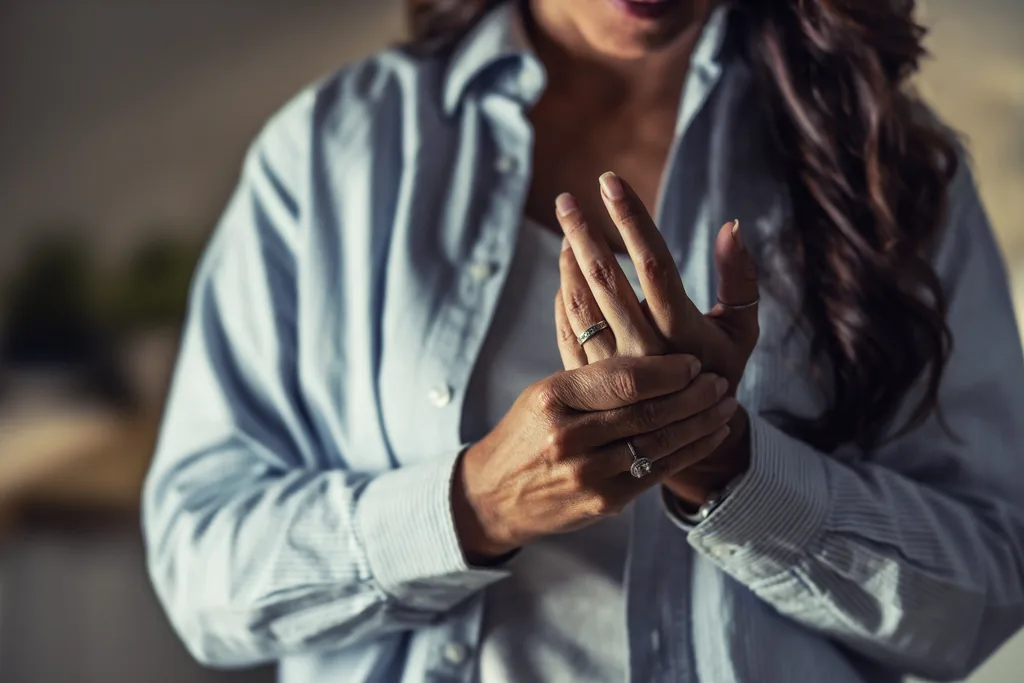
How to be heard when you’re living with chronic pain
1. Advocate for yourself. No one knows your body as well as you. If anyone dismisses your concerns, don’t be afraid to speak up and demand a referral or a second opinion.
2. Bring an advocate. Sometimes speaking up can be hard. Bring a friend or family member who you trust to appointments and have them advocate for you instead.
3. Ask questions. It’s important to understand your diagnosis, so when you visit your GP or specialist, ask questions about causes, treatments, success rates, side effects and lifestyle changes, including nutrition.
4. Keep a pain journal. Tracking your pain activity will provide real-time information and help provide treatment options.
5. Find your community. Social media groups and non-profits like Pain Australia offer validation and support.
How to treat chronic pain
According to pain specialist Dr Russo, there are four main pillars for treating chronic pain. While every person with chronic pain is different, treatment normally consists of a combination of two or more of these pillars.
1. Pharmacological treatments: This includes non-opioid analgesics like paracetamol, topical treatments applied directly to the skin, and drugs that are highly effective for chronic nerve pain like antidepressants.
2. Physical treatments: A majority of patients undergo physical therapy programs where they work with physiotherapists and exercise physiologists.
3. Psychological treatments: A majority of patients see a psychologist and work with different types of psychological input, such as cognitive behavioural therapy (CBT), acceptance and commitment therapy (ACT) and dialectical behaviour therapy (DBT).
4. Interventional pain techniques: Whereby a pain specialist uses targeted, minimally invasive techniques to reduce pain signals from occurring, either intensity or presence.
This feature originally appeared in the September 2026 issue of The Australian Women’s Weekly. Subscribe so you never miss an issue.

Related stories
Native ad body.

Native ad body.

Native ad body.