



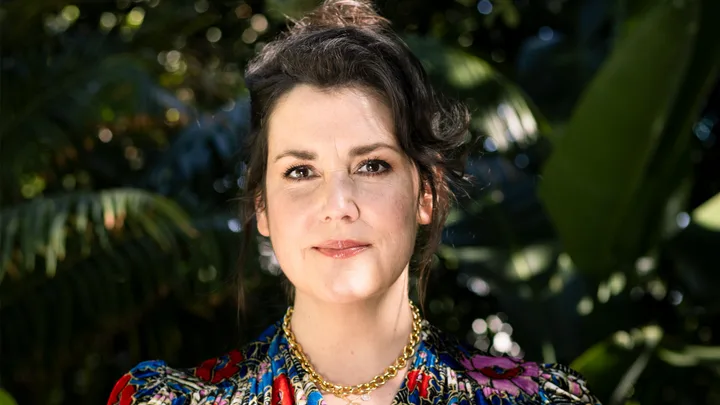
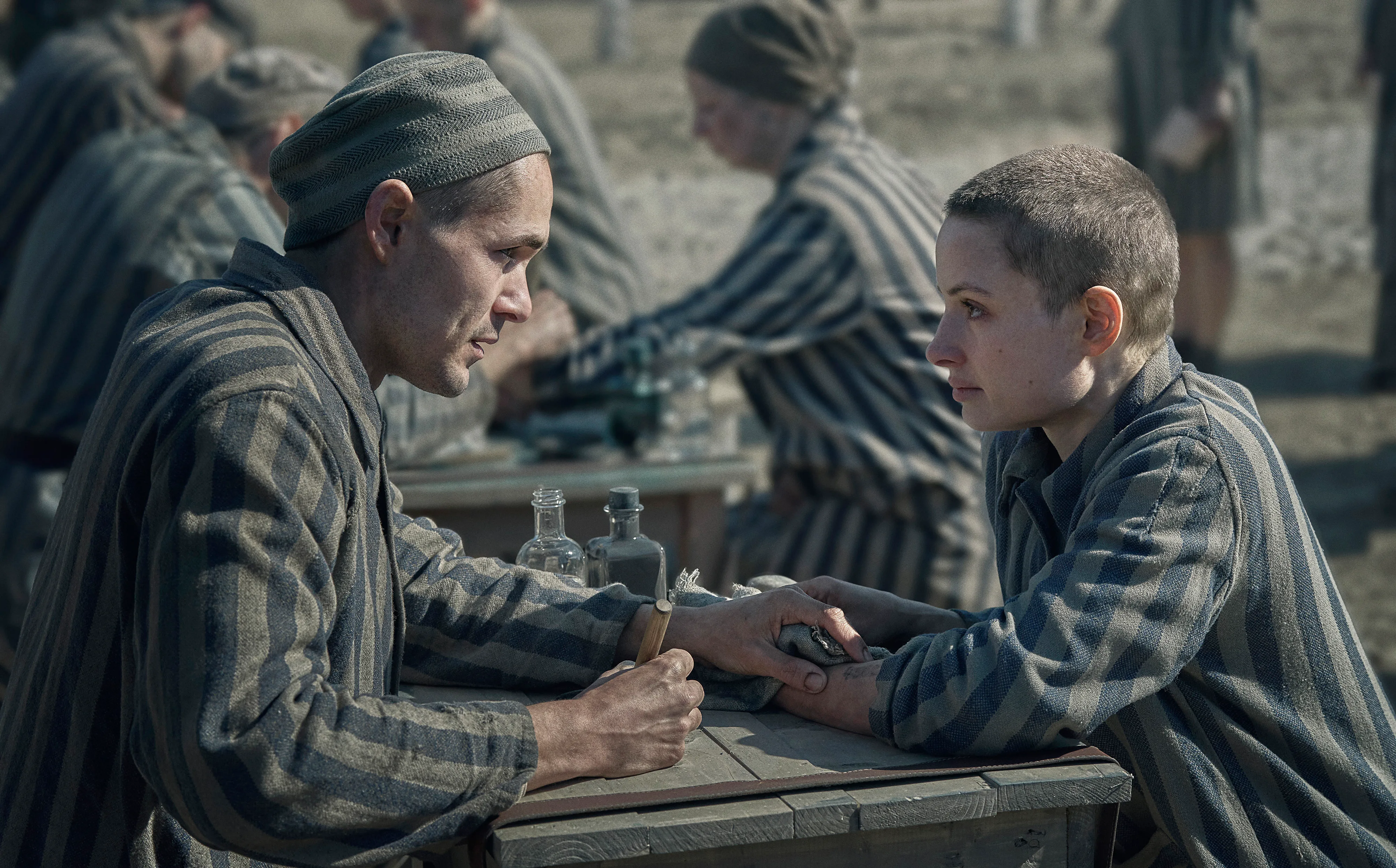
When looking for a word to describe the latest project from Melanie Lynskey, “harrowing” comes to mind. The prolific Kiwi actress is no stranger to creating impactful and thought-provoking characters. But in playing real-life author Heather Morris in the small-screen adaptation of The Tattooist of Auschwitz, she found herself smack bang in the centre of a heartbreaking story of love and survival.
The novel – which recounts the incredible true love story of Lale Sokolov and Gita Furman, two Slovakian Jews who found each other while imprisoned in Auschwitz – was a bestseller around the world. Yet “it somehow had missed me”, Melanie tells The Weekly over a Zoom call from her home in LA.
“When I was asked to do the limited series, I was talking to a friend about it and she was like, ‘How have you not read that book?’ as though I was crazy. But then, of course, I did read it, and I was so moved by the story.”
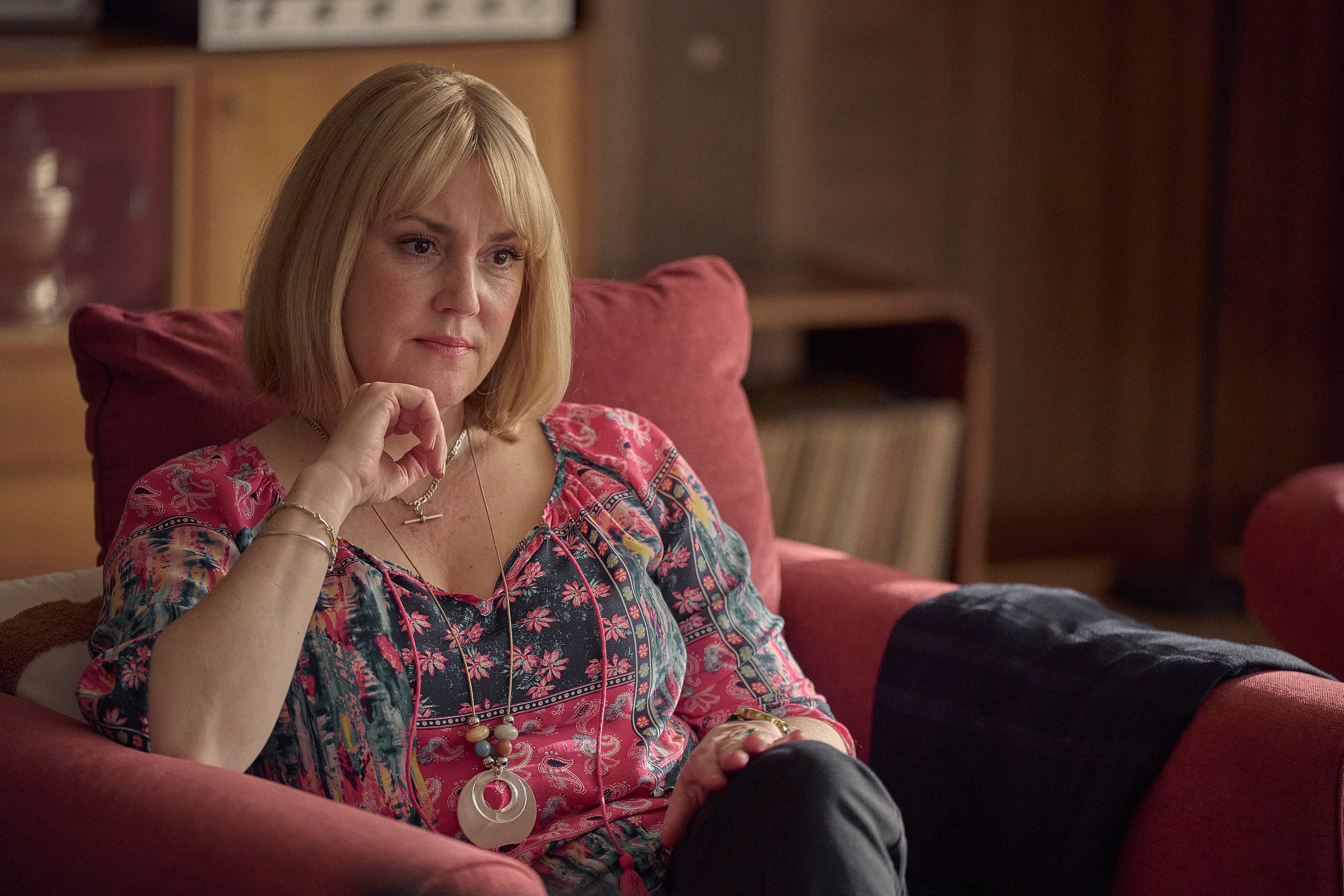
In a variation from the novel, the TV drama includes Heather meeting and interviewing present-day Lale (played by Harvey Keitel) as he shares his story for the first time. It’s a clever piece of scriptwriting which helps both to propel the story forward, as well as to occasionally give relief from the stark scenes set in the camp in wartime.
“The level of detail they went to in order to make everything authentic was incredible,” Melanie says of the powerful tale which was shot during a harsh Slovakian winter. “It’s so hard to watch. And the thought that it’s recent history? You know, it was not that long ago. Just thinking about what people do to each other …
“There are so many things in history where people don’t know the true reality of what happened to people – there are survivors of horrific events. We should continue to talk about the things that have happened to avoid repeating history, if at all possible.”
And with that we settle in to talk about the making of this series, as well as a little bit of history from Melanie’s own past. Read our full interview below.
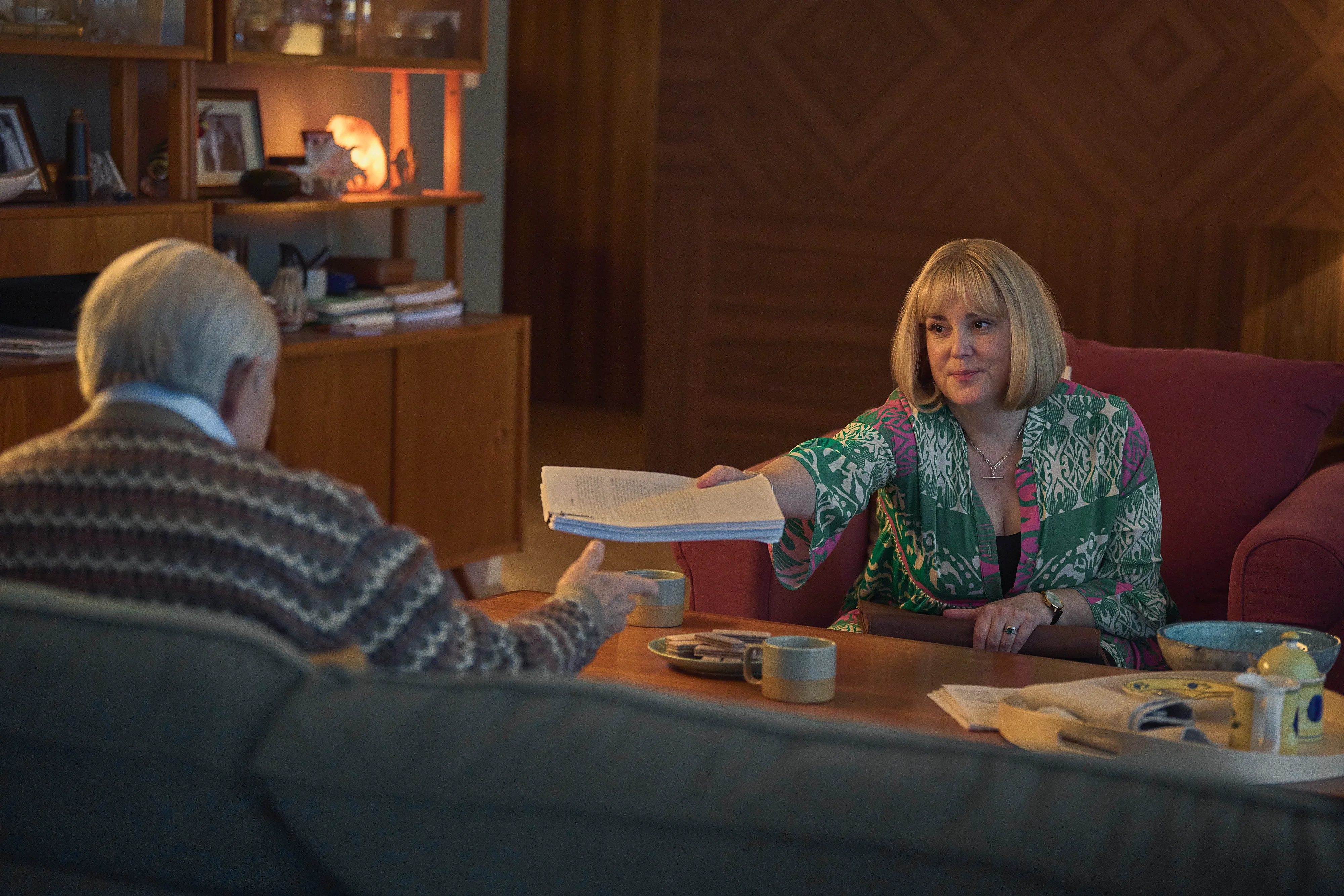
The Weekly: Did you spend much time with Heather Morris (who is also a story consultant on the project) to prepare?
Melanie: I did spend a lot of time with her. She’s such a big personality, she’s really fun. She was so generous with her time; I was really grateful. She wrote me a beautiful email at one point where she pointed out that she’s a different person now at the end of this journey [since writing The Tattooist of Auschwitz]. She’s so confident and back then she was just figuring herself out. She had a lot of shyness and a lot of nerves and wasn’t sure of herself.
What do you know about her relationship with Lale?
The way she talks about him even to this day, it’s one of the most important relationships of her life. They just loved each other so much and trusted each other so much.
What was it like working with Harvey Keitel?
I was so excited before it began. Harvey has such an amazing body of work. He’s done so many movies – if you look back over his filmography there are classics. And so many times where he had worked with directors who hadn’t yet proven themselves. He had a great track record. Jane Campion when she did The Piano (1993) wasn’t Jane Campion. Quentin Tarantino when he did Reservoir Dogs (1992) wasn’t Quentin Tarantino.

Well, you could say Peter Jackson wasn’t Peter Jackson when he directed your debut film, Heavenly Creatures, in 1994, so maybe you can count yourself in that club, too?
I was in high school – I turned 16 at the end of the shoot! And I was already a fan of Peter Jackson.
How pivotal was that movie for you?
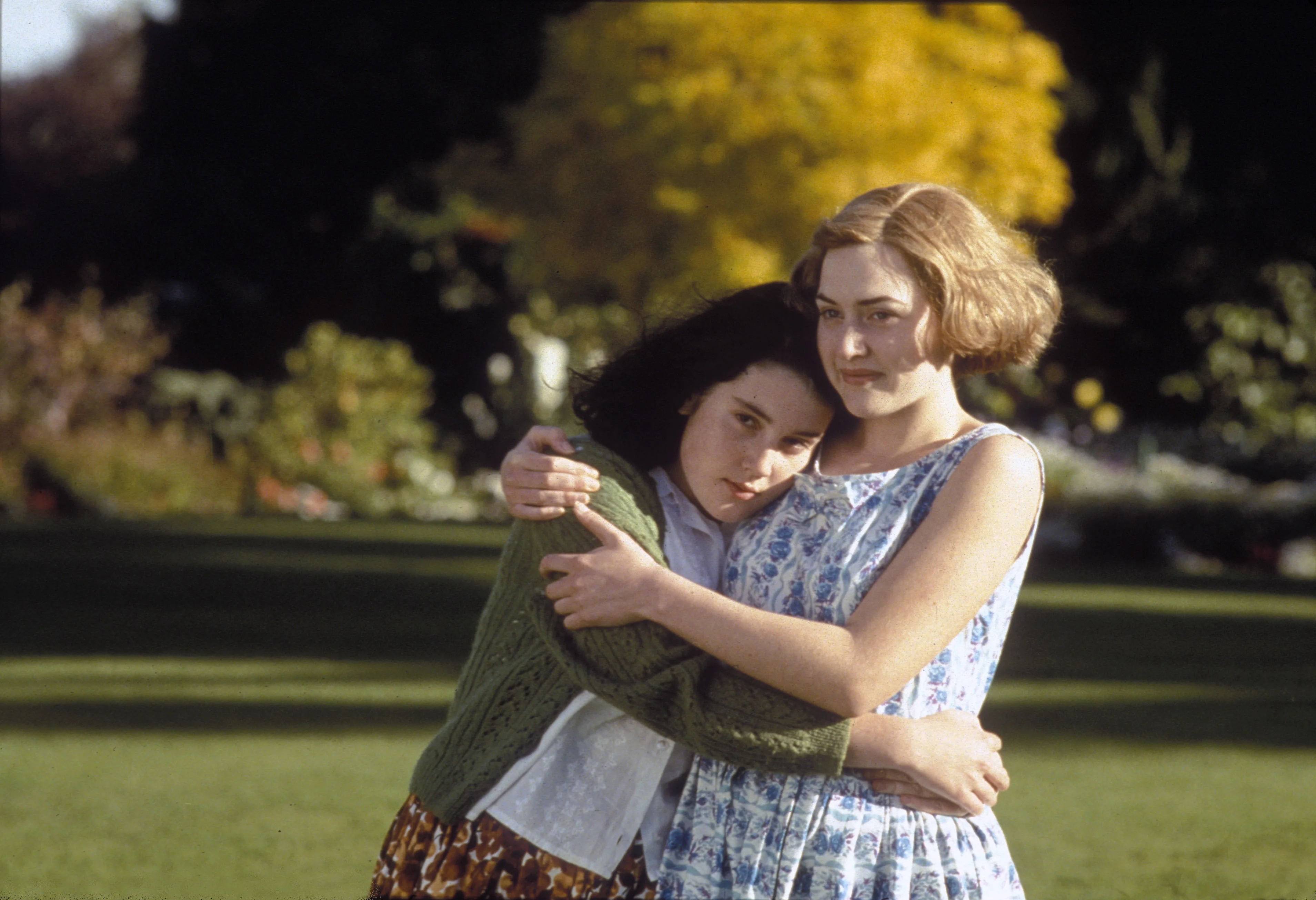
I don’t know who I would be or where I would be without it. It’s the definition of a lucky break. It’s kind of incredible that that happened to me and everything [that came] as a result. I thank my lucky stars. Not only getting a job at that age, a professional job at that age, but in a movie that was so special and still lives on to this day. And also working with people who had the generosity to teach me and help me learn. I wasn’t thrown into the deep end at all. There was a lot of support around .
What sort of support?
Having people who were acting coaches to help me. Then also working with Kate Winslet, who had been doing it for so long. She was so ready to be there for me and be a support system. A lot of people get thrown onto a project and just kind of have to figure it out. They gave me a whole day of filming where I was just learning how to hit a mark and not look at the ground to check where I was. To be standing and not look at the camera. Finding out where your light is. What a gift.
Do you have other examples of positive workplace experiences as a young actor?
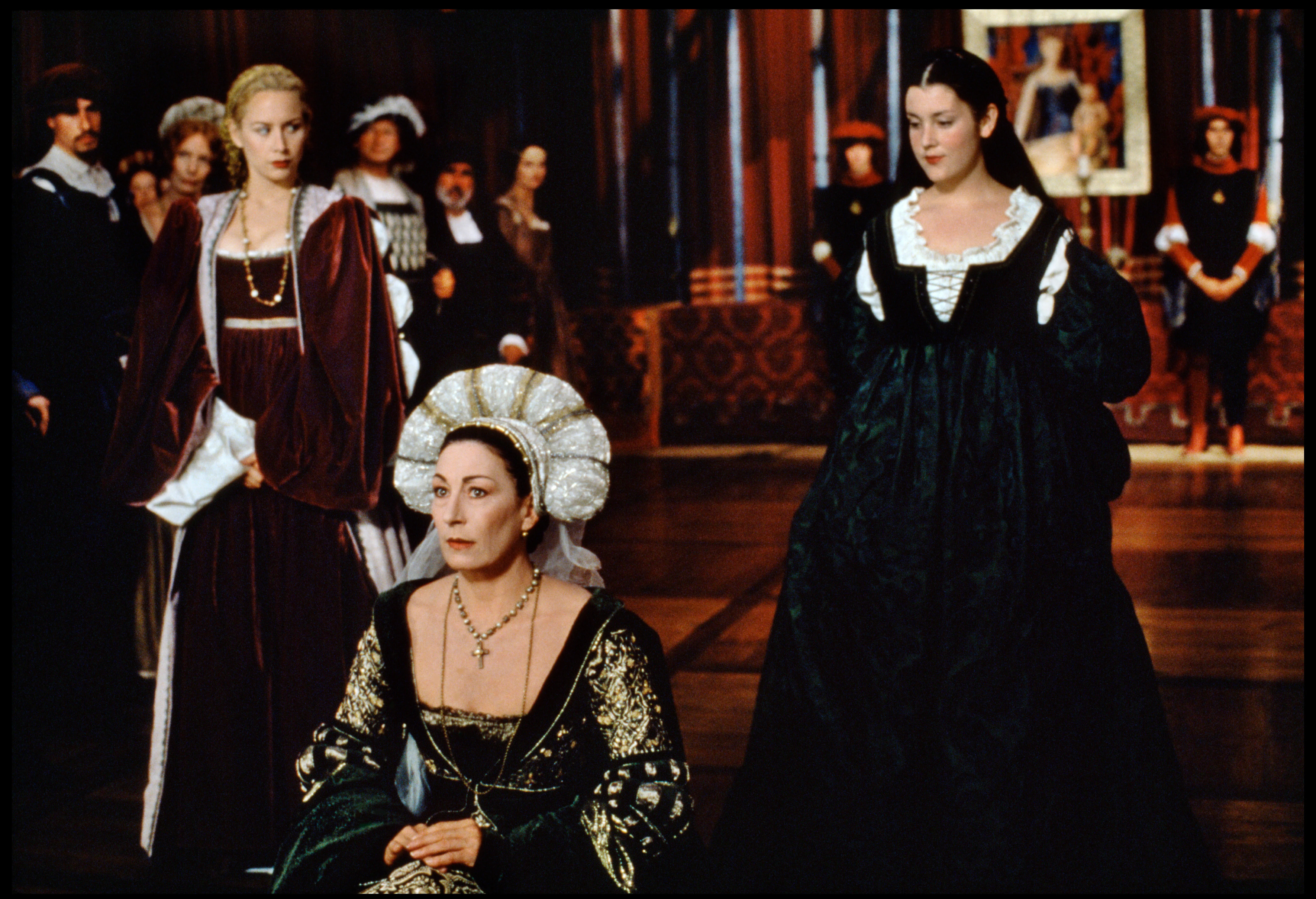
When I worked on Ever After (1998), Anjelica Huston was so incredible with me. Just so loving and a big sister who also taught me so many practical things about camera angles, editing, little things you don’t think about. Katrin Cartlidge I worked with as well. To have had women who I got to work with, who wanted to help me learn, has been so incredible.
There’s a mantra I love: “I don’t shine if you don’t shine.”
I love that. That’s really nice. I don’t understand being competitive or petty or wanting it to be all about them.
Back to the series, this is a story of both love and survival. What did it teach you about both of those things?
The thing that fascinated me the most is that it does ask people what lengths would you go to in order to survive? And what would you do to protect the people you love. And the thing that got me – especially when I read the script – were the scenes of Lale really grappling with the truth of that, with his own survivor’s guilt. His guilt at having made it and the fact that the love of his life also made it. It’s such a complicated, heartbreaking thing.
Did you have any personal connection to this time in history?
Only learning about it in school. And I remember being dumbfounded. It felt to me, when I was hearing about it, it felt like it had just happened. It’s shocking.
Before filming, did you do any extra research?
I wanted to approach it as Heather did … I think I came into it with a little more general knowledge maybe, just because my history teacher was so great in high school. But yeah, I was learning as I was going. Everybody’s story is different. Tali [Shalom-Ezer], our director, pointed out along the way that you can’t tell the story of the Holocaust. There are so many stories and so many survivors who went through terrible, terrible things. As a whole, it’s too big to process. When you look at every individual story, there is a life and a family and people who loved each other. Every time I talk … I have a five-year-old so it’s hard for me not to imagine. I mean, you imagine your own child when you imagine any of these terrible things.
How hard is it for you to leave work behind you when you get back home?
It’s actually not that difficult because my little one is such a joyful person. Just seeing her face, I feel such gratitude. Having my husband [Jason Ritter] there – they were with me in Slovakia – sometimes I would just come home and have a big cry. Luckily my husband is an actor, and he gets it.

Is it rare to be able to take your family when you are working overseas?
My daughter is about to start elementary school, but before that they came with me everywhere. They have always been with me. We had a rule that whoever’s job is the one that makes the most sense career-wise or financially or whatever, that will be the job we prioritise and he has had no ego about that. He’s like, “Yep, your job wins. I’ll go with you.”
As Heather is also a New Zealander, you were able to use your own accent in The Tattooist of Auschwitz. When was the last time you were able to do that?
I just went home and made a movie where I played a New Zealander. And gosh, before this? I actually don’t know! I have no idea!
Do you ever think about moving back to this hemisphere? Or is America your forever home now?
We lived in Auckland for three months while I was making this movie. It was October, November, December which is when it starts to get warm and lovely and I was like, “What am I doing? Why don’t we live here?” Our nanny who travels with us is from Canada and she was like, “I don’t know what you guys are doing. We should all try to move here”. So I think at some point definitely, even if it’s just for a few years.
The Tattooist of Auschwitz is streaming now on Stan.

Related stories
Native ad body.
Native ad body.

Native ad body.