




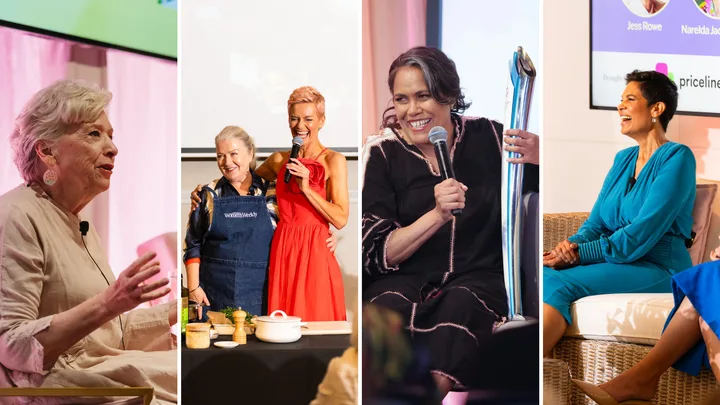
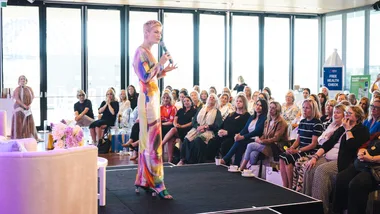
From Sydney to Perth, thousands of women gathered across five states to laugh, cry and – most importantly – put themselves first at this year’s Australian Women’s Weekly Health Summit series.
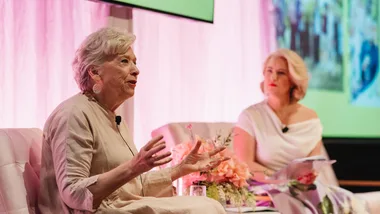
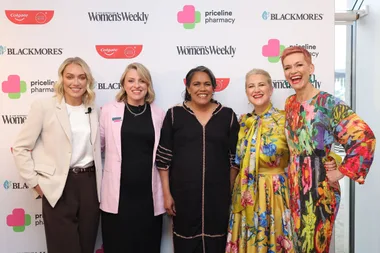
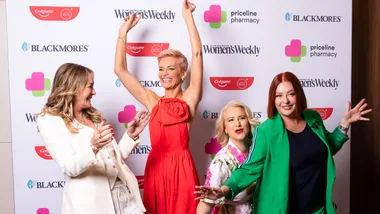


Sponsored by Priceline Pharmacy, Blackmores and Colgate, the 2025 Summit brought readers together for mornings filled with inspiration, connection and practical advice from an all-star lineup of speakers, including Cathy Freeman, Julie Goodwin, Dr Fatima Kahn, Michelle Bridges, Melissa Leong, and Maggie Beer. Hosted by Jessica Rowe, each event broke down the myths around menopause, offered words of wisdom on tackling the mental load and encouraged women to book in those regular health checks.
Olympic swimming legend Leisel Jones was disarmingly honest about her lifelong struggle with body image. “You have to be kind to yourself,” she said. “I haven’t always been kind to myself. I find it hard not to strive to be the best.”
Journalist Edwina Bartholomew reflected on life after her cancer diagnosis. “My tablet is a daily reminder of how lucky I am – and how I need to prioritise myself,” she shared. “I hate to say ‘I’m blessed’, but it makes me think about how I’m going to live tomorrow, what my tomorrow will be like, and how I get to have one.”
Guests enjoyed giveaways, goodie bags and candid conversations about the health challenges women face today – from mental load and menopause to sleep, stress and self-care.
Read on the the biggest lessons we learned from our 2025 Health Summit series.
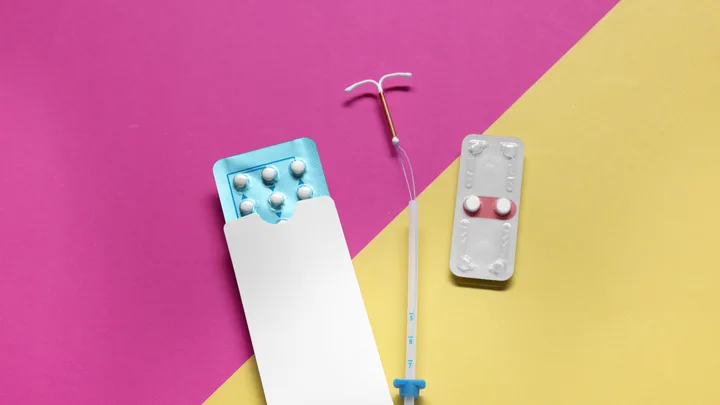
There’s more to menopause than hot flushes
As Michelle Bridges described it: “Menopause is an iceberg.”
Every Health Summit had a “Menopause Mythbusting” panel where health experts busted the general knowledge or assumptions around perimenopause and menopause.
They all called out the controversial The Women’s Health Initiative (WHI) study in 2002. It was a major trial that halted hormone replacement therapy (HRT) for many women due to increased risks, particularly with combined estrogen and progestin, which showed an increased risk of breast cancer, stroke, heart disease, and blood clots. However, the Health Experts pointed out that those findings weren’t as accurate as they appeared.
In Gold Coast, Dr Libby Weaver stated clearly: it was the “wrong cohort of women, and the wrong hormones.”
She emphasised that the education on menopause is getting better and the treatments are better too. For instance, the HRT which doctors prescribe now is as close to our natural body’s hormones as possible.
However, she said it’s not a “magic bullet”, it will take up to six months for your body to adjust, and how you absorb it might be different to someone else.
Menopause has many symptoms
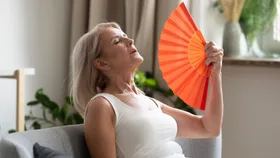
Beyond the expected hot flushes and emotional symptoms, menopause can affect everything from hair loss to itchy ears and brain fog to frozen shoulder (or Michelle Bridges’ “chainsaw pain” in her hip).
“Perimenopause is more than just hot flushes and night sweats,” Mel Gannon from Priceline Pharmacy explained at the Perth Health Summit. “There are estrogen receptors in every part of your body, and sometimes we’re ignoring those symptoms.”

“Our mouth is like a vagina with teeth”
Yes, that was one of the most memorable lines of the entire series was from Cathryn Carboon from Colgate in Melbourne.
But her point was totally valid. She said that our oral mucosa is almost identical to that of our vaginas. And that’s when our estrogen drops, it drops everywhere, from our vaginas to our mouths.
Read more about menopause mouth here.

It’s okay to put yourself first
At every single Health Summit, the consistent advice from health experts and our celebrity panellists was the same: It’s okay to put yourself first.
In Sydney, Edwina Bartholomew shared that she only discovered that she had cancer because she put herself first and booked a GP check up on a whim. In Melbourne, Dr Olivia Ong shared that her spinal cord injury forced her to realise just how much burnout she was experiencong: “I thought I knew it all, but as a patient, I realised I didn’t know anything,” she confessed to the crowd. “Resilience is not about pushing through, it’s a bout learning to pause.”
In Gold Coast, Dr Rebecca Ray advised us all to say to ourselves, “I’ve got me,” and be a safe place for ourselves, as “We have been unsafe for ourselves.” In Adelaide, Maggie Beer shared that while she’s never been good at taking care of herself, she’s learning how to now with the love and support of her husband, friends, and family, “You can’t do this alone.” And in Perth, Turia Pitt tuned in to talk about her latest book, Selfish and how through writing it and going through a mental health crisis last year, taught her some hard truths: “Self-care is just taking care of yourself,” Turia said. “If I don’t prioritise those things of give myself permission, then I’m going to be burned out.”
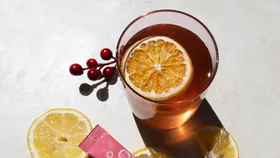
The prevailing advice is that it is okay for women to put themselves first. To enjoy a cup of tea outside in the sunshine, to say no to tasks, and to protect our boundaries.
Friendships are very important, especially later in life
We made some amazing connection on the days with women meeting likeminded people and forging new friendships. However, the panellists also advised that fostering and maintaining frienship is essential for good mental health and cognitive health, especially as we age.
In Sydney, psychologist and dementia researcher Professor Lee-Fay Low, advised the audience to “invest in our social capital”. Our happiness curve dips at 50, but then rises.
“It’s not a luxury, it’s an essential part of your mental health.”
In Melbourne, Olympian Cathy Freeman also said that “real conversations with my friends” is an essential part of her staying grounded.



Don’t sleep on supplements
We had naturpaths at each Health Summit who gave their two cents on supplements and how we should best navigate supplementing our healthcare. Always with the advice of a pharmacist or doctor.
In Adelaide, Blackmore’s Jessica Harrison said “there’s not a one-size-fits-all” supplement.
69 per cent of us experience sleep disturbance, and mindset plays a big part in our sleep quality, so she recommended good sleep hygiene. Some classics she suggested are cool, dark environments, earplugs, and herbs and supplements like magnesium, L-theanine, saffron (which can help build melatonin), sage and Ziziphus.
“Supplements can be very supportive for our health…if there are gaps in our health,” she shared. But, you need to answer three things: identify where you need support, check bioavailability, evidence, and quality.”
Also, get your bloods tested regularly and only purchase TGA-approved products and brands that are backed by science, not a post on Facebook.

“Strong not skinny”
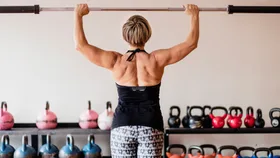
Perimenopause Perigodmothers Shelly Horton and Michelle Bridges shared their respective perimenopause journies. And one thing that they found beenficial to both of them was building musicle to help support their bone strength.
Lifting weigfhts that are “heavier than your handbag” and focusing on building strength to longevity.
In Melbourne, Dr Fatima Khan echoed their advice saying it was an essential addition in our perimenopausal and menopausal arsenal to improve our overall well-being.



The correct way to boil an egg
Of all the food advice that we received from The Weekly Food Director Fran Abdallaoui and her guest chefs, the one that stuck with us the most was in Sydney’s Health Summit with the one and only Julie Goodwin: Eggs.
When cooking boiled eggs, Fran advised that she adds room-temperature eggs to boiling water and not cold water. Julie adds that she leaves her eggs in for five minutes, and then, if she’s using them in a salad, she will leave them in the shells so that the yolk gets jammy.
They had heaps of other food tips. Check them out here.
This article is for general information only and is not a substitute for medical advice. Always consult your GP or a qualified healthcare professional before starting any new treatment.


Related stories
Native ad body.

Native ad body.

Native ad body.