


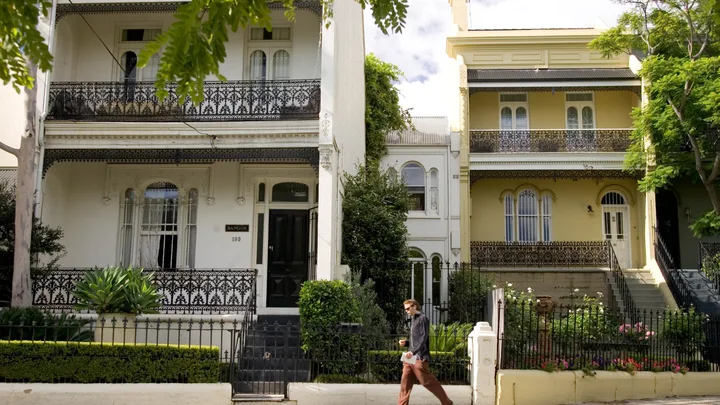
Most Australians are already feeling the strain of rising interest rates, expensive grocery trips and skyrocketing fuel prices.
But, unfortunately, things are set to worsen before we see any sign of improvement in the current cost of living crisis.
On April 1, the average mortgage-paying household could face more than $2000 a year in extra costs.
Scroll on to find out everything you need to know about the upcoming Australian household cost increases.
Why is April 1 going to be so expensive for Australians?
The combination of increasing health insurance premiums, the end of energy bill rebates, rapidly rising fuel prices and the full impact of recent Reserve Bank of Australia interest rate hikes is set to create what experts are calling one of the toughest days for household budgets that Australians have seen in years.
“April 1 is shaping up to be one of the toughest single days for household budgets we’ve seen in years,” Compare Club’s Head of Research Kate Browne recently told the Daily Mail.
“When you stack a rate rise, higher health premiums and the end of energy rebates on top of each other, you’re looking at more than $2000 in additional annual costs landing at once, and that’s on top of everything Australians are already absorbing.”
On March 17, the RBA raised the cash rate to 4.1 per cent and then all four big banks passed that interest rate hike onto mortgage holders.
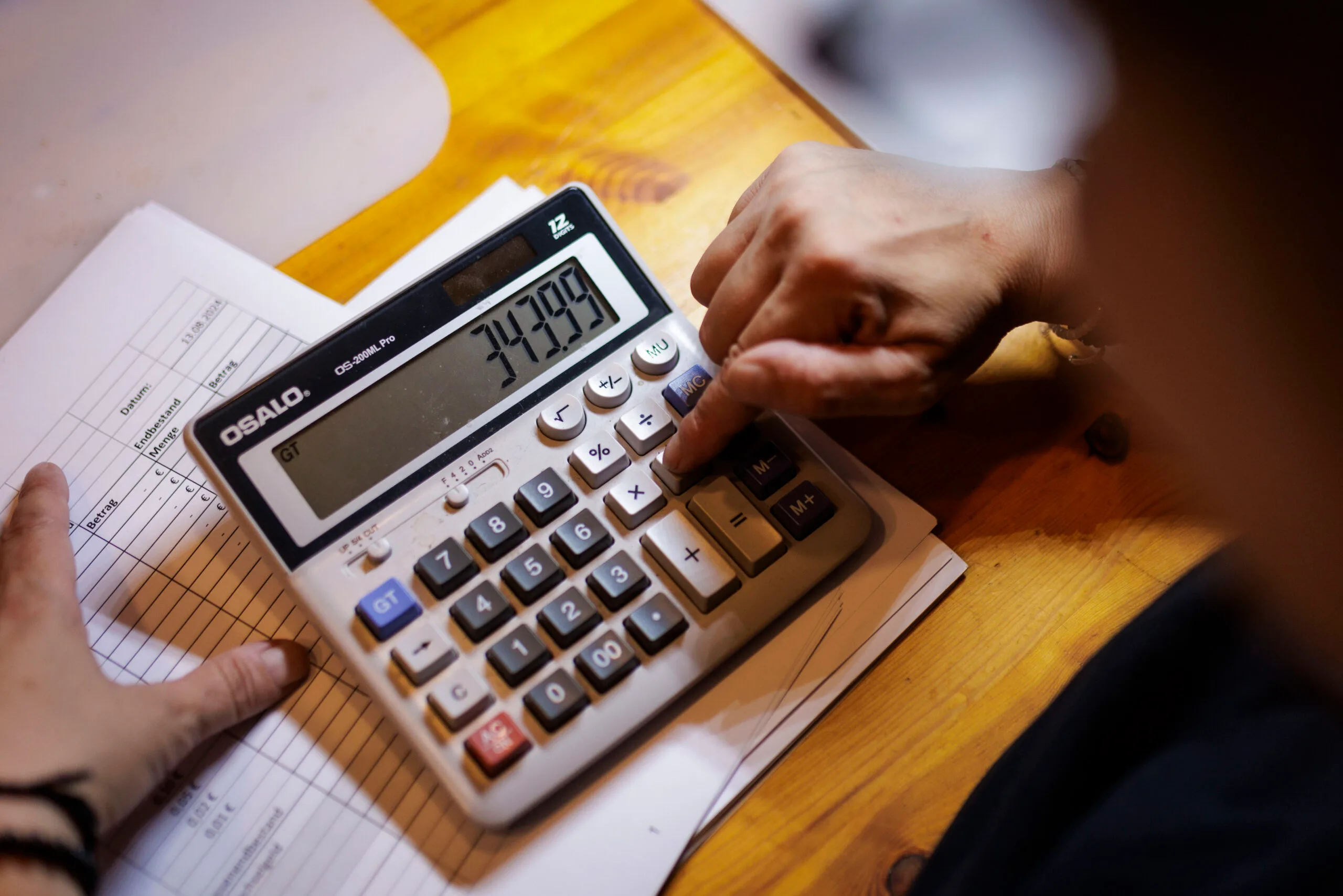
According to NAB, that’s an increase of $1440 a year, which works out to be an extra $120 to repayments on the average $736,000 home loan.
In February, Minister for Health Mark Butler announced the average health insurance premium would rise by 4.41 per cent on April 1.
According to Compare Club, that will add an extra $80-$160 to the average premium.
Finally, the government’s energy rebate scheme, which gave households a $450 rebate towards their energy costs in 2024 and 2025, ended in December. This means households will be hit with their first energy bill without the rebate for the first time on April 1.
Will Australian household costs continue to increase in 2026?
It’s likely that household costs will continue to rise in 2026.
Firstly, fuel costs are set to continue to rise and stay above pre-conflict prices until at least the end of 2026. Australian households are probably not going to see any relief at the bowser for at least a couple of months, as the Middle East conflict shows no sign of ending. And even when the conflict does end, it will take some time for fuel prices to return to normal.
Secondly, according to Belinda Allen, the Commonwealth Bank’s Head of Australian Economics, inflation was already on the rise before the fuel crisis.
“Only around 12 months ago we’d effectively declared victory on inflation,” she said on the latest episode of the CommBank View: Economics & Markets podcast.
“But inflation picked up again in the second half of last year because growth has been running above what the economy can sustainably handle.”
In the episode, Belinda explained that inflation was being driven by more than one factor and the price rise was across the board, not just in specific industries or sectors.
“About half of the inflation basket [the hypothetical ‘basket’ of goods the ABS uses to measure price movements] is rising by more than 3 per cent,” she said. “That tells us this is not a narrow problem.”
“There’s no single culprit,” she added. “It’s the combination of strong demand and insufficient supply that’s driving inflation higher.”

Related stories

Native ad body.

Book Review: Tell Me Something True by Michael Robotham
Native ad body.

Book Club: Tell Me Something True by Michael Robotham



Native ad body.