




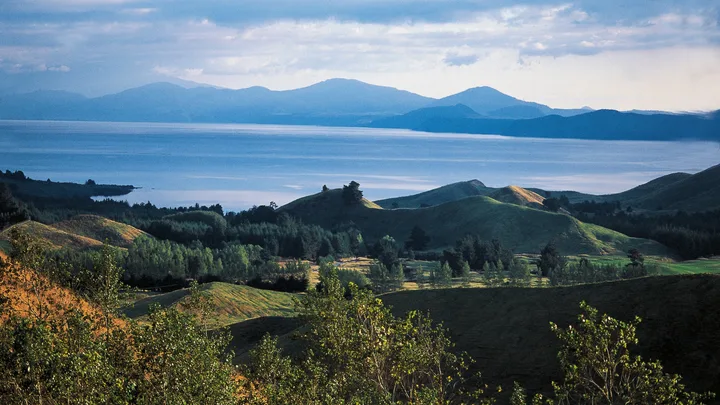
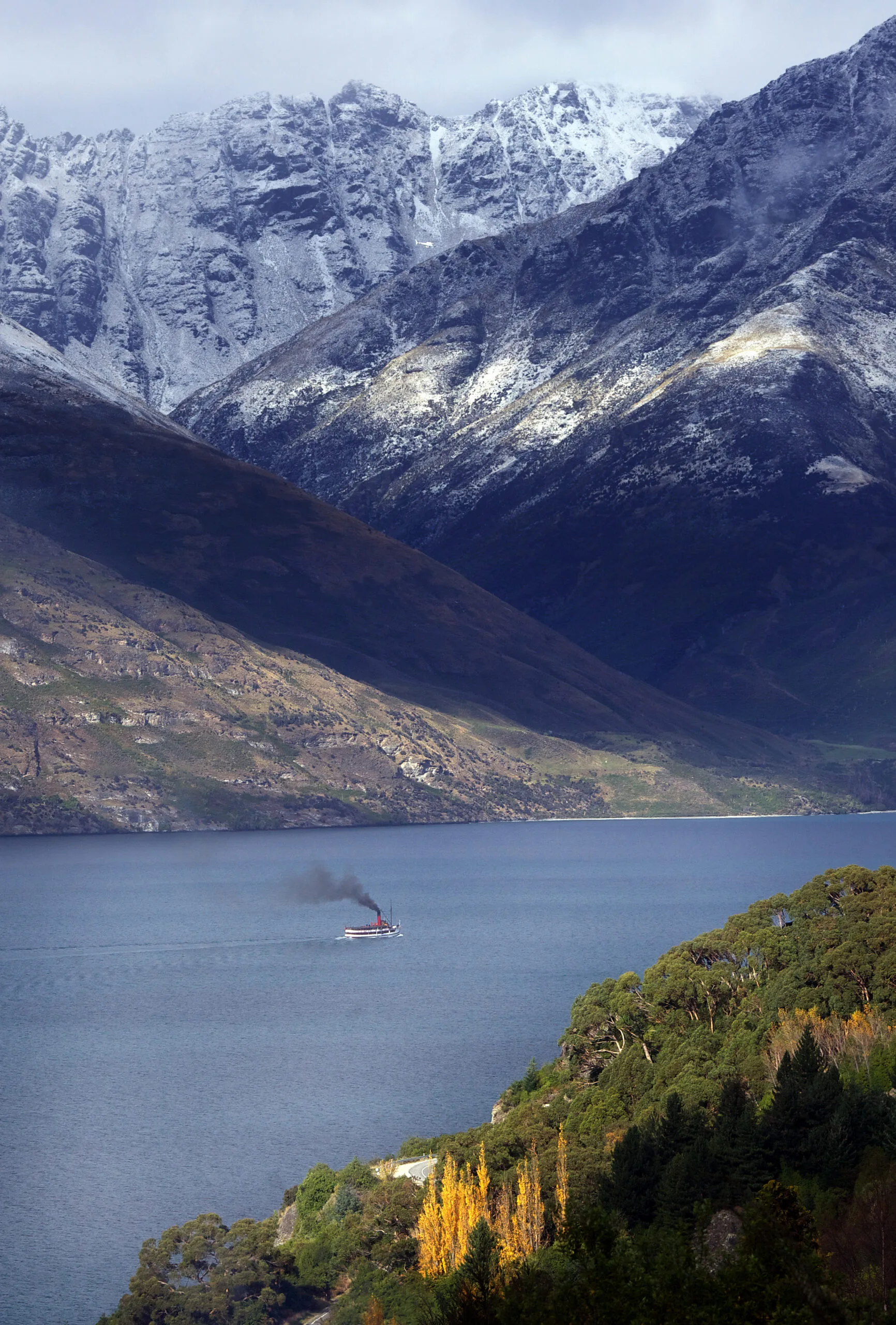
New Zealand has a reputation of snowtipped mountains and lush nature as far as the eye can see. It’s a place like none other in the world – even set the stage for the fantasy realm in Lord of the Rings.
Mere days ago, our neighboring country was facing its biggest attack on conservation land in its history.
According to Greenpeace, New Zealand’s Prime Minister Christopher Luxon proposed a Conservation Amendment Bill, which would have changed the existing Conservation Act 1987. Under this plan, around 60 per cent (five million hectares) of all public conservation land in New Zealand will be eligible for sale.
Christopher entered office in 2023 following Jacinda Ardern. He leads the right-wing National Party.
They also proposed the test that evaluates if land has “no or very low conservation value” before being sold to be removed.
Greenpeace, a government organisation, highlighted three major pieces of land that could have been sold off immediately: the Lewis Pass beech forest, the ancient podocarp forest located on the West Coast, and the high-country tussock lands in Eastern South Islands.
After the public made their concerns known, the government decided to remove such proposals.
“But we were not clear enough about how the Conservation Amendment Bill improves outcomes for conservation, so we are fixing it,” Conservation Minister Tama Potaka said.”We have heard loud and clear the concerns about the potential disposal or exchange of conservation land, and we are acting on those concerns by removing those provisions from this bill.”
It was a battle between conservation and commercial. But is it truly over?
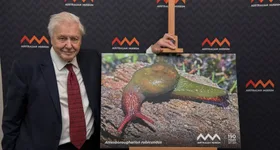
The fight for the environment has been lengthy. Sometimes it feels that voices like David Attenborough and Jane Goodall were merely delaying the inevitable.
Like New Zealand, Australia is beloved for its nature. Whether that be the dreamy coastal beaches, beautiful native bushes, Uluru and even our animals have a strong reputation.
And yet, since the Environmental Protection and Biodiversity Conservation Act was introduced in 1999, the WWF claimed that by 2025, 7.7 million hectares of threatened species habitat had been destroyed.
Severe changes to the climate have also caused catastrophic fires and floods, bringing only more threats to our wildlife. Even the Great Barrier Reef, a unique natural wonder marked a UNESCO World Heritage Site, is collapsing.
Unfortunately, we haven’t made any changes to save these animals or their habitats.

Related stories

Native ad body.
Native ad body.




Native ad body.