



Wellness tech and services for women over 40 have improved by leaps and bounds in recent years, with every new offering more intuitive and boasting better features than earlier versions.
You can now find fitness equipment to suit every home, price point and need. Wearables and mobile apps that track detailed elements of your health, including your sleep, heart rate and perimenopause symptoms. And meal delivery services that can help you ease into better eating habits, acting as ‘nutritional training wheels’.
The choices can be overwhelming. Once you’ve chosen what category you want to invest in — at-home fitness equipment, a wearable, an app or a meal delivery service — you’re then faced with dozens of options. You’ll also need to consider your budget. Do you want to go all-in on a pricey device, like an Oura ring or state-of-the-art treadmill, or get a few affordable products or services and adopt a more holistic approach?
Shop more wellness tech and services:
- 10 rebounder trampolines that make cardio less boring
- Get fit while you work with these desk-friendly walking pads for small spaces
- The best fitness trackers to sweat it out with
- Pilates classes getting expensive? These Reformer machines are the perfect solution
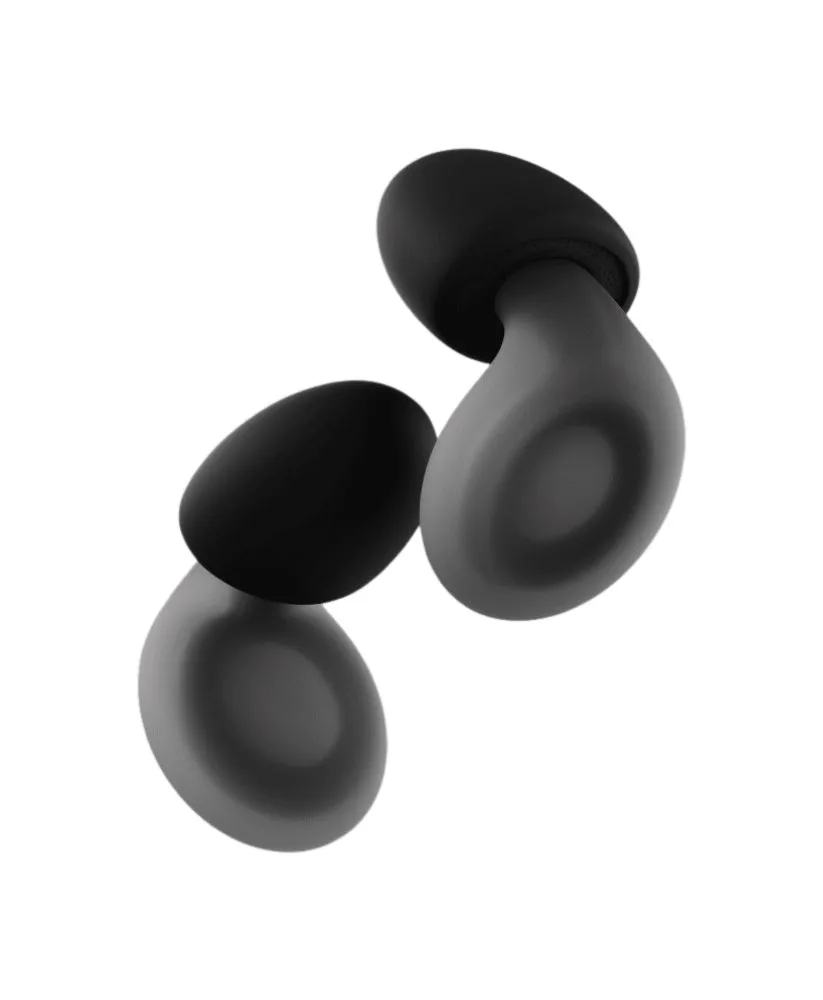
- After years of searching, I finally found earplugs that I actually like
To help you find the best option for wellness tech and services for over-40s, we’ve rounded up some of the most highly-rated and newest to the market here.
Home fitness equipment
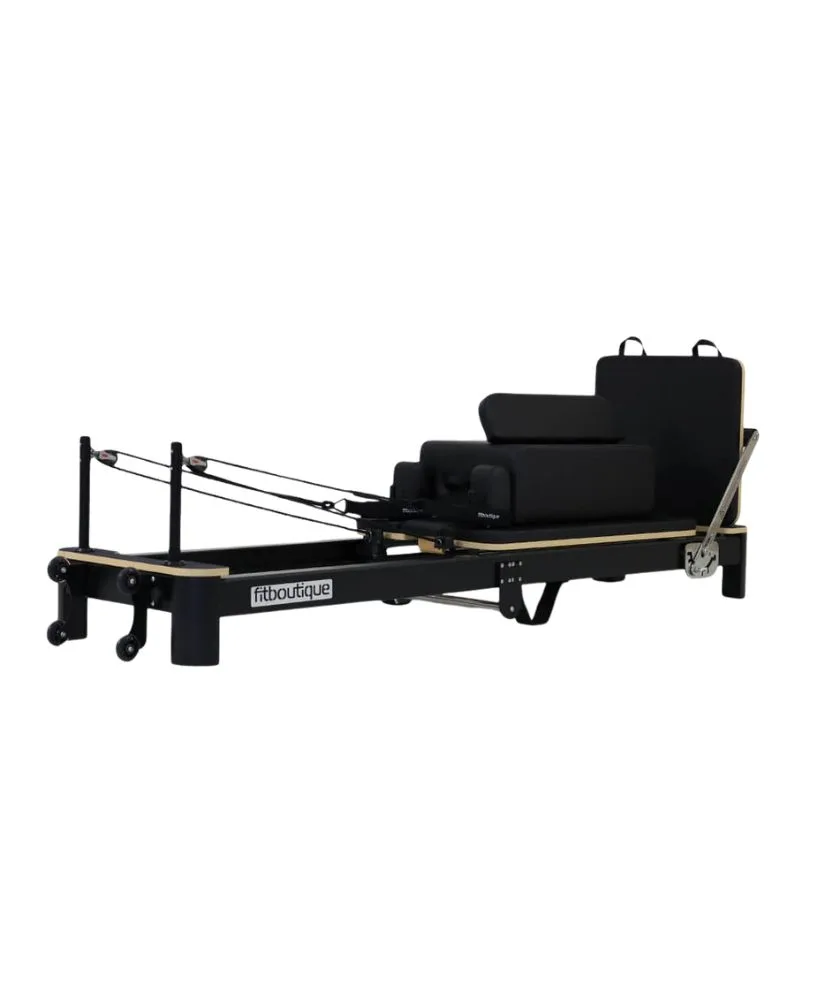
Home fitness equipment is a fast-evolving category. While treadmills have been around since the early 1900s, the first walking pad was only introduced to the world in 2018. They naturally took off during COVID, particularly among those who wanted to walk or run at home but didn’t have much space. Rebounders, which are small, compact trampolines that use springs or bungees for controlled, low-impact workouts, and at-home Pilates reformer machines are also becoming more popular.
Our top picks:

T7 Treadmill$2499 $1499 at Nordic Track
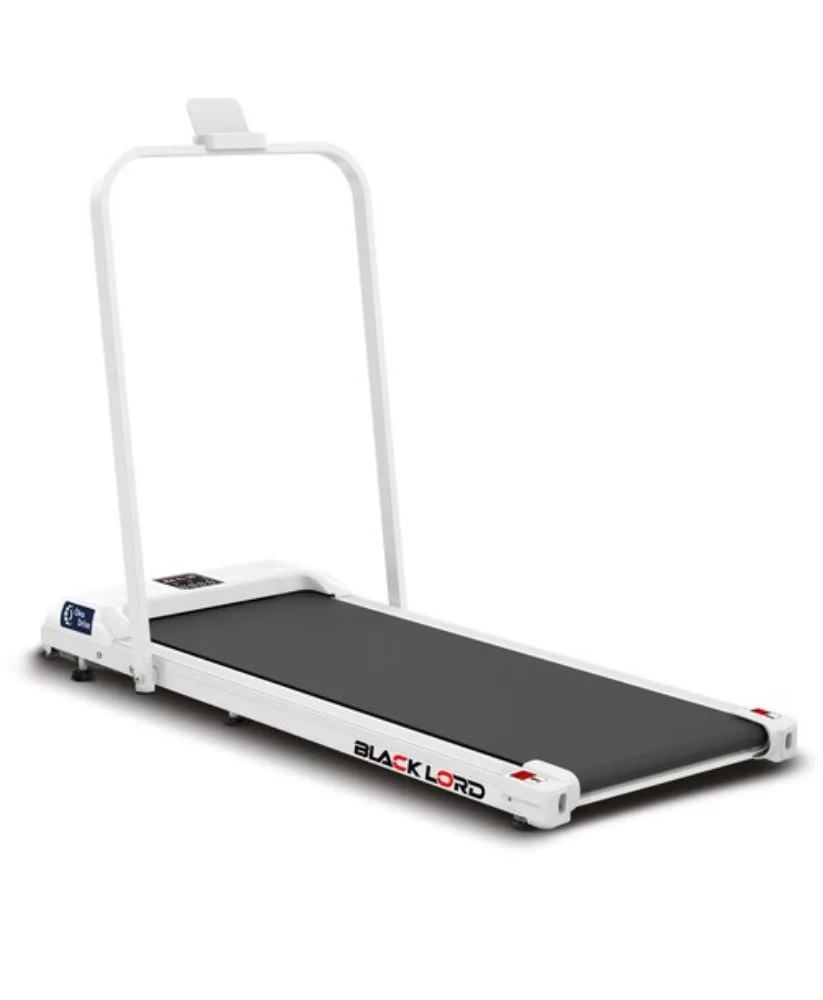
Omari Deluxe Walking Pad with Handrail
$319.99 at Temple and Webster
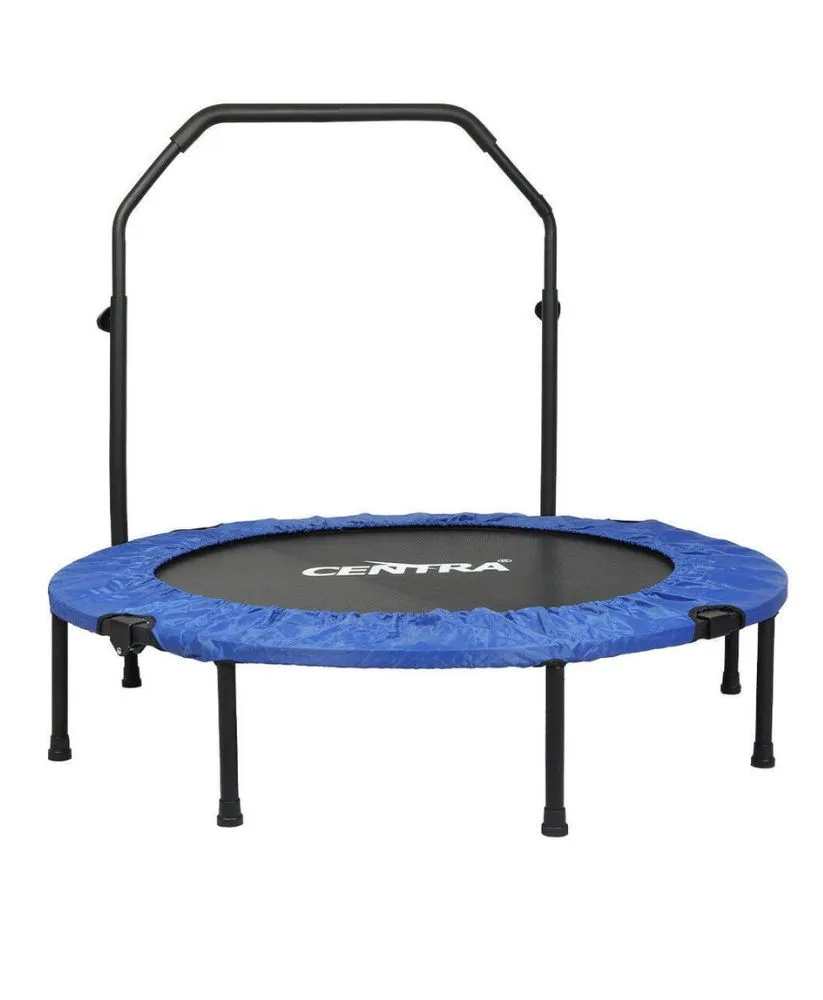
Centra 48″ Mini Trampoline Rebounder
$108.99 at Decathlon
Wearable tech
Finding the right wearable tech is about more than just counting steps. You also want it to be able to track your heart health, sleep quality and perimenopause symptoms. Plus, you should like looking at it on your wrist or finger. It should also be easy to use and have a strong battery life. Many wearables now act as personalised wellness coaches, sharing data on your heart rate variability, skin temperature trends and recovery metrics, so you can better understand your current health and what you might need to do to improve it.
Our top picks:
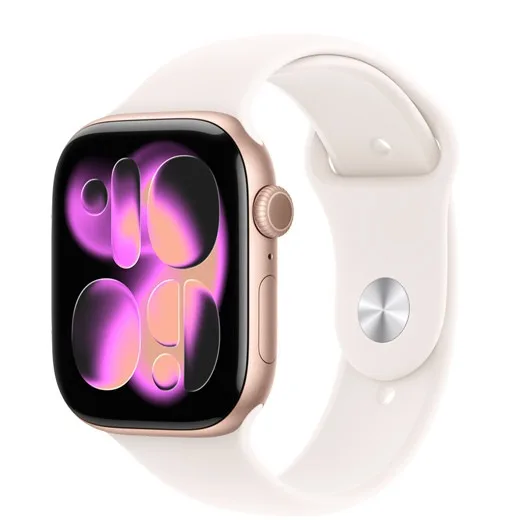
Apple Watch Series 11
From $679 at Apple
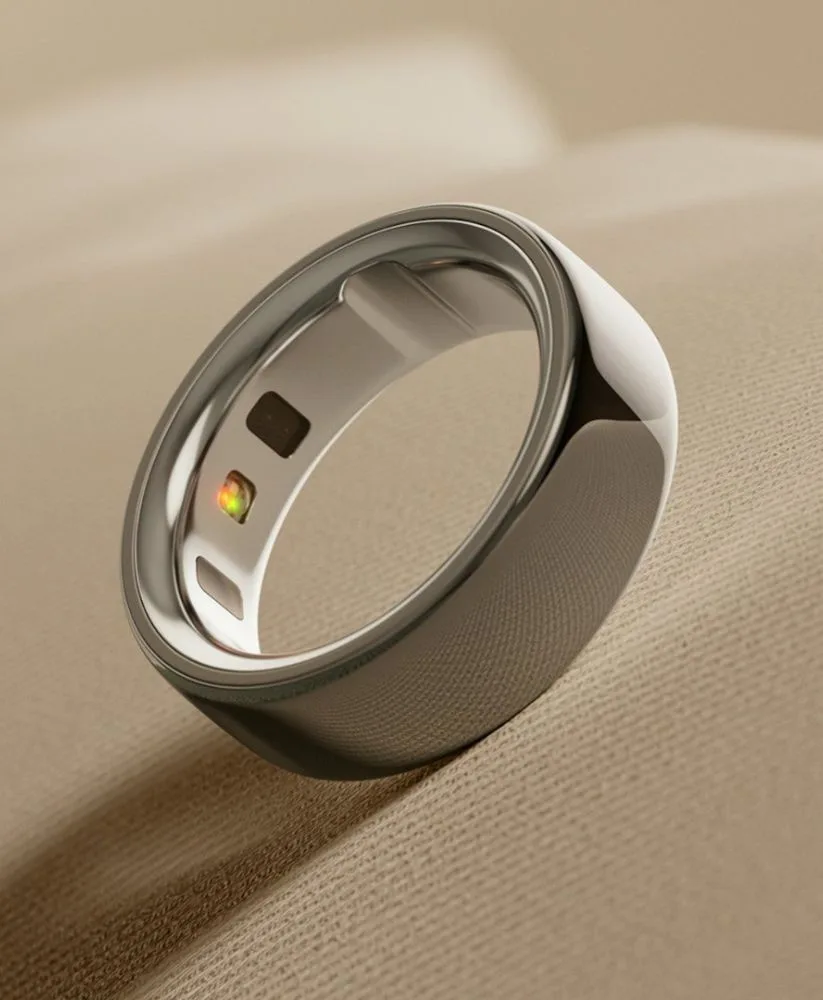
Oura Ring 4
$569 at Oura Ring

Garmin Vivosmart 5$249 $211.65 at Myer
Health apps
The health and fitness app landscape has moved far beyond simple calorie counting and step tracking. Today’s apps function more like a personal health concierge, using AI and deep wearable integration to provide a holistic view of well-being, many adapting to your performance in real-time. They can also create a sense of community, gamify fitness or allow you to more easily tap into the often elusive state of mindfulness.
Our top picks:

Nike Training Club
Free at Nike
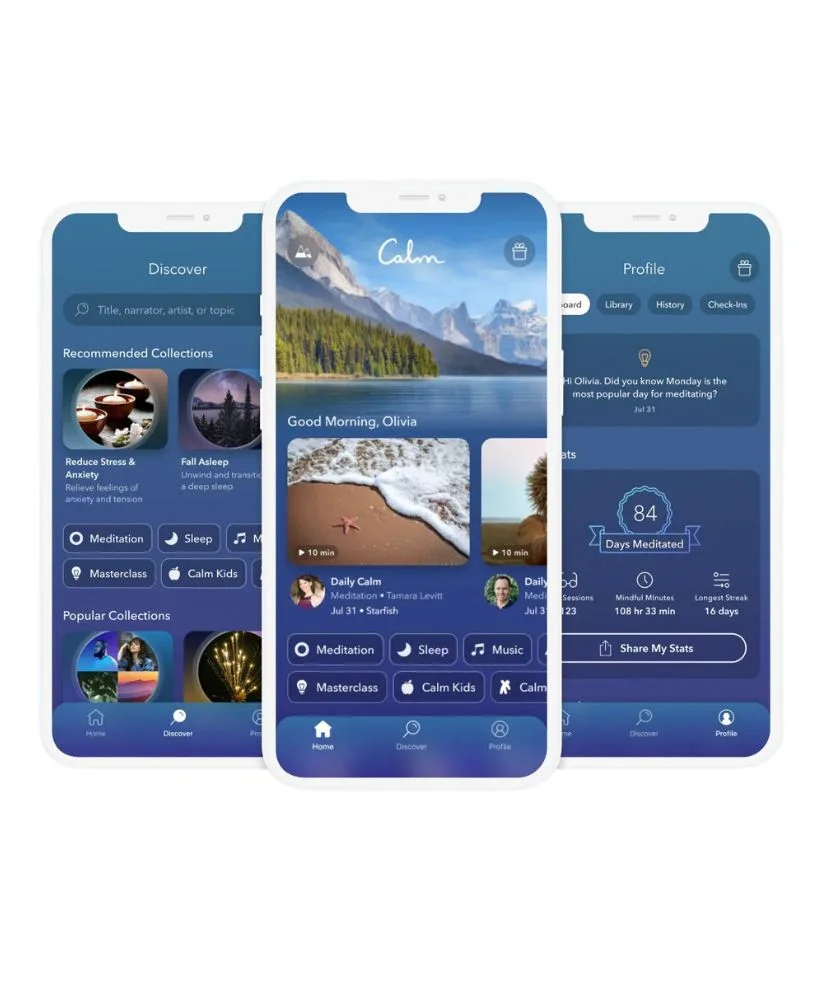
Calm: Sleep, Meditation, Relaxation
$99.99 a year at Calm
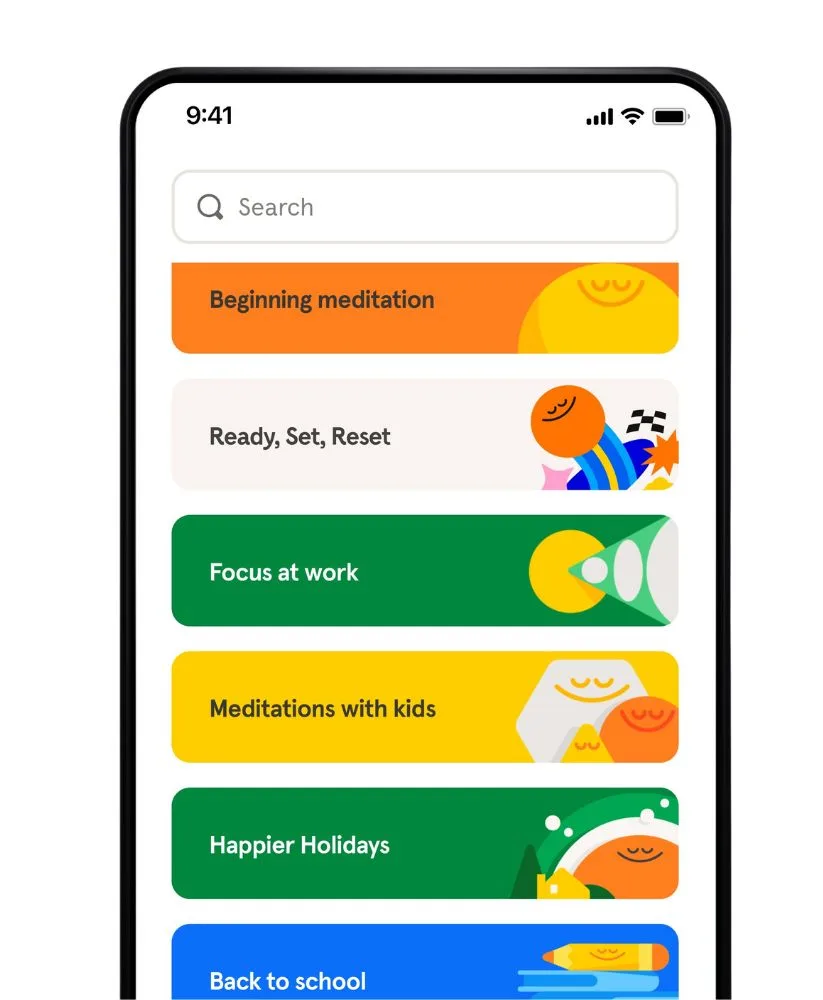
Headspace
$91.99 a year at Headspace

Meal delivery services
No longer just a way to skip the grocery line, today’s kits are snazzy wellness tools designed to bridge the gap between busy lifestyles and balanced nutrition. The key trends in media kits today are hyper-personalisation — focusing on your exact nutrition needs, tech integration — meals or plans can be recommended based on your wearable health data — and sustainability — more compostable packaging and fewer food waste.
Our top picks:
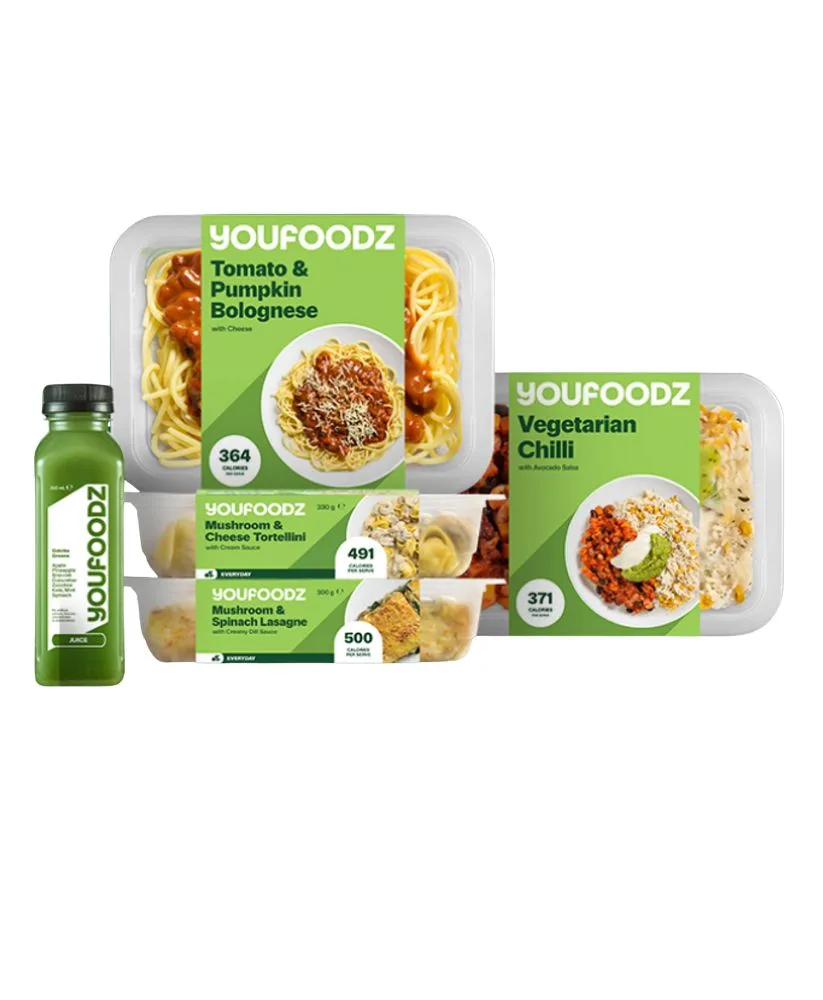
Youfoodz’s 8 meals a week
$96.31 at YouFoodz
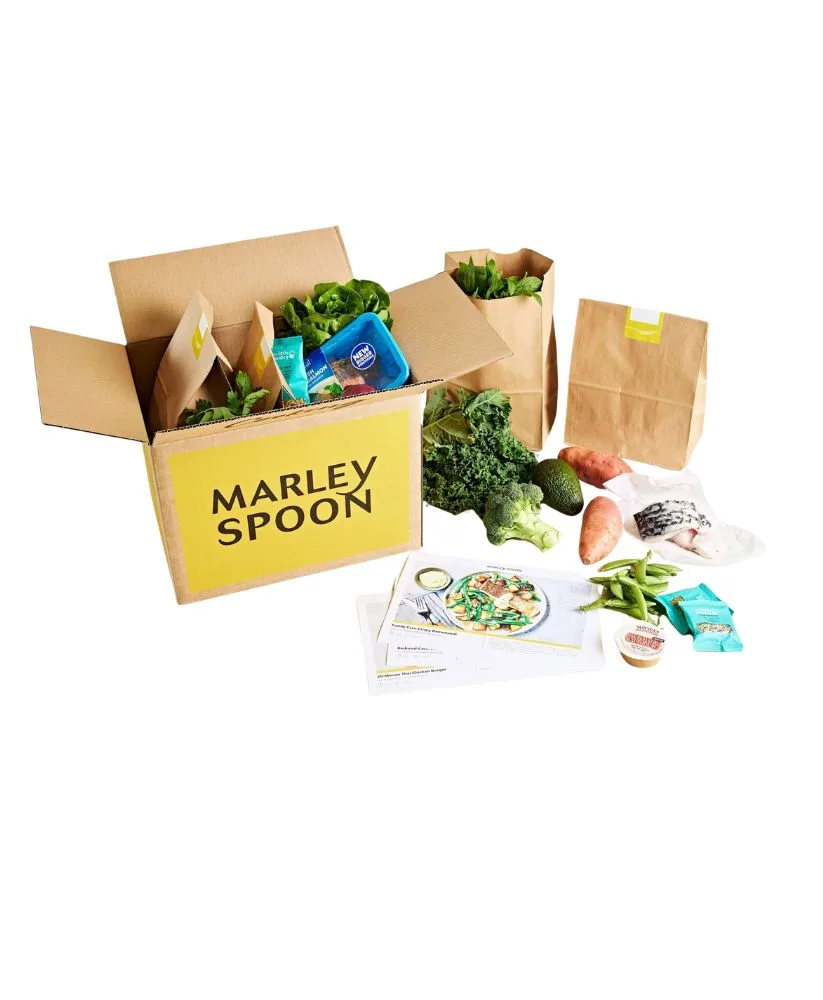
Marly Spoon’s 10 meals a week
$125.89 at Marley Spoon
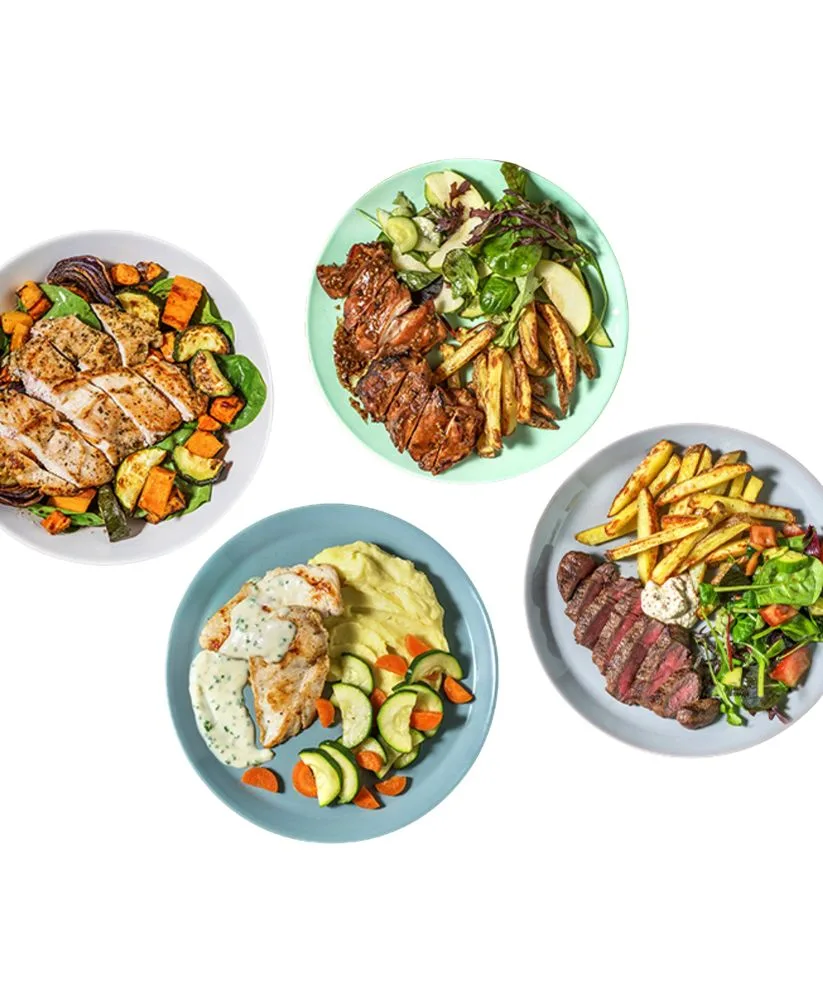
EveryPlate’s 5 meals a week for 2 people
$79.89 at EveryPlate

For most women over 40, the Oura Ring 4 is currently considered the superior sleep tracker, primarily because it was built from the ground up to analyse recovery, while the Apple Watch was built to manage your day.
Its “Smart Sensing” technology uses more than 15 sensors to find the best signal on your finger, often matching medical-grade sleep lab results with ~79% accuracy. It provides a Sleep Score (out of 100) that factors in heart rate, respiratory rate, and “Restfulness” (tossing and turning).
In the world of Oura and other high-end wearables, a “good” Readiness Score is generally anything above 70, but for a woman over 40, “good” is less about a single number and more about your personal baseline. Because your body is navigating shifts in metabolism, hormones (perimenopause), and recovery speed, your Readiness Score is actually a reflection of how well you are balancing those specific biological loads.
The meal kit market has moved beyond generic “diet food” to offer specialised programs that address the hormonal shifts of menopause — specifically targeting insulin resistance and muscle loss. For women over 40, the best kits focus on high protein (to preserve lean muscle), low glycemic index (GI) carbohydrates (to stabilise blood sugar) and anti-inflammatory ingredients.
Yes, you absolutely can. Today, the “heat-and-eat” (prepared) meal market has matured significantly, moving away from high-sodium frozen dinners toward “medical-grade” nutrition. You can now lower your cholesterol without touching a frying pan, provided you choose services that prioritise fibre and unsaturated fats over red meat and heavy dairy.
Related articles:
- 10 cooling mattresses hot sleepers can’t get enough of this summer
- Why busy Aussie women are making this simple beauty shift
- Tired, wired and bloated? Happy Mammoth explains the hidden connection

Related stories

Native ad body.

Native ad body.



Native ad body.