




Menopause can throw a lot at you. It brings unwelcome changes to the body, with weight gain one of the most common. And that can be incredibly frustrating, especially when more often than not, you haven’t really changed anything.
The good news is, what you eat can make a difference – and no, this isn’t about going on a diet. A new study comparing popular eating patterns has found that some were linked with less weight gain during menopause.
What did the study find?
Published in JAMA Network Open, the study followed more than 38,000 women over 12 years, covering the six years before and after menopause.
Researchers tracked what the women ate and how their weight changed, comparing 11 major dietary patterns, including Mediterranean, DASH, plant-based, low-carb and the Planetary Health Diet. They also looked at ultra-processed food intake and measured insulin levels and inflammation.



On average, women gained around 800 grams a year, but women following some diets gained less than others.
“Weight gain during menopause is common, but until now we didn’t know which specific diet actually helps most,” said lead researcher Dr Tong Xia from Harvard University.
Which diet did best?
Of all the diets studied, the Planetary Health Diet came out on top for obesity risk.
Despite the rather grand name, it isn’t a strict plan. It’s a relatively new, mostly plant-based way of eating designed with both human health and the planet in mind.
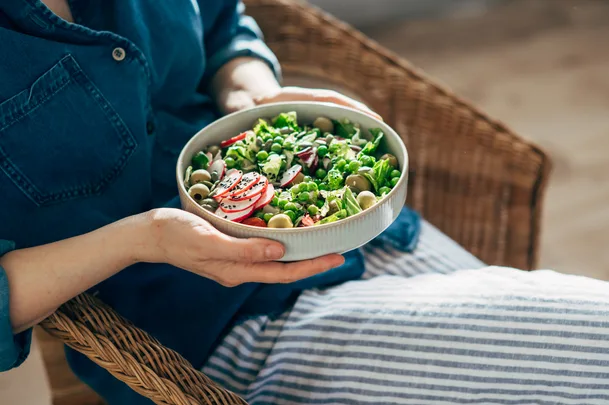
Think lots of fruit and vegetables, whole grains, beans and lentils, nuts and healthy fats, with smaller amounts of red and processed meat and refined foods.
Other healthy eating patterns, including plant-based, Mediterranean and DASH diets, were also associated with better weight outcomes. Like the Planetary Health Diet, they were generally higher in fruit, vegetables, whole grains, nuts and legumes.
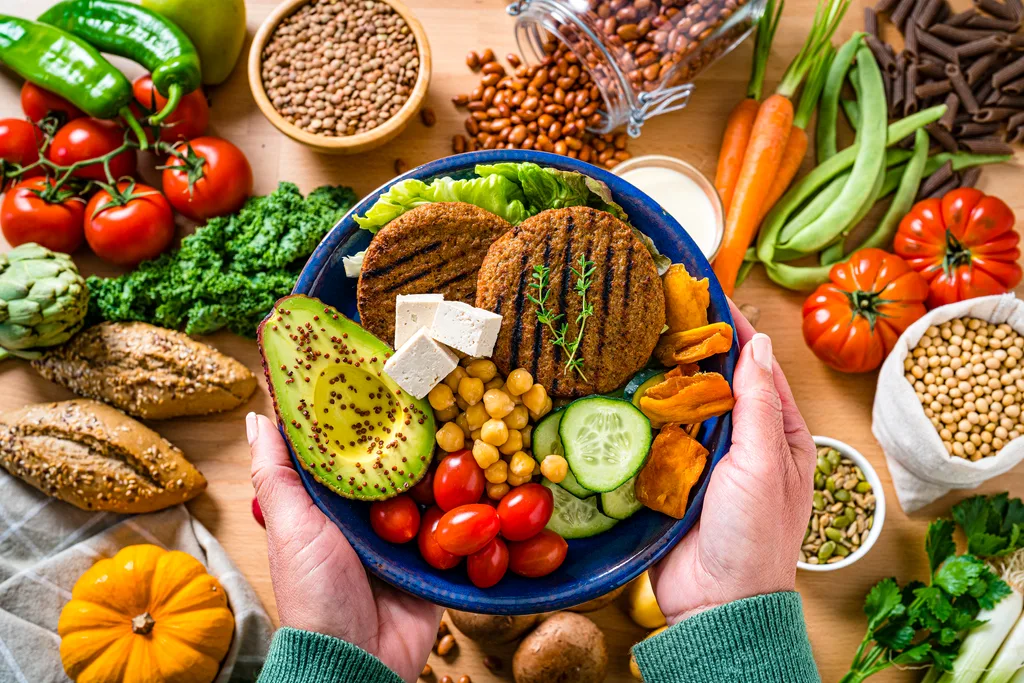
A low-insulinemic diet was linked with the least weight gain overall. This way of eating, which is less likely to raise insulin levels, included more whole plant foods and fewer red and processed meats, fried potatoes and high-sodium foods.
“What we found is that not all healthy diets are equal – a low-insulinemic diet and the Planetary Health Diet stood out as most effective for managing weight during this transition,” says Dr Xia.
Cutting carbs is often touted as a weight-loss strategy, but not all low-carb diets had the same effect. Those higher in plant proteins and unsaturated fats saw better weight outcomes than versions higher in animal protein and saturated fat.
Nutritionist Latoya Cruz, who was not involved in the study, says the “biggest take-home message would be to ramp up your plant intake when in this season of life”.
“Consuming a diet high in plants and fibre via fruits, vegetables, legumes, nuts and seeds is ideal for menopausal women,” she tells The Weekly. “Increasing your plant intake will also help to increase overall nutrient intake.”
Small changes that can help
No, this doesn’t mean you need to go on a diet when menopause arrives.
In fact, Latoya points out that the findings aren’t about eating less.
“These findings have in no way mentioned or supported a restrictive dietary approach,” she says. “They have favoured whole food, plant based foods that help to enhance health as well as weight management.”

For everyday meals, Latoya suggests starting with a few simple changes:
- Add seeds to breakfast. Sprinkle chia seeds or ground flaxseeds over oats or yoghurt, or add them to a smoothie.
- Pair fruit with nuts. It makes an easy, satisfying snack.
- Add more vegetables to lunch and dinner. Aim for at least three different types of vegetables or salad ingredients where you can.
- Sneak plants into meals you already make. Add baby spinach to omelettes, pasta or sauces, stir legumes into mince-based dishes such as bolognese, or finish meals with fresh herbs like mint and coriander.
- Mix up your fruit and veg. Rotating what you buy each week can help you get a wider variety of plant foods.
“You should be fuelling your body correctly during menopause to support your hormones rather than reducing calorie intake and overexerting yourself,” Latoya adds.
Because this was an observational study, it can’t prove that any one change will prevent weight gain. But the research suggests our overall eating habits over time matter more than any single food or meal.
This article contains general dietary information and is not a substitute for personalised medical advice. Speak to your GP or a health professional about what’s right for you.

Related stories

Native ad body.

Native ad body.




Native ad body.




Share this post